

Understanding the Journey of Dog Care Rescue
Bringing a rescued animal into a household marks the beginning of a profoundly rewarding partnership that transforms both human and canine lives. According to the American Society for the Prevention of Cruelty to Animals (ASPCA), millions of companion animals enter shelters nationwide every year, awaiting environments that offer stability and kindness. Navigating dog care rescue requires an appreciation for the unique background each animal carries, whether that history involves previous neglect, abandonment, or simply the sensory overload of a shelter facility. Establishing a solid foundation starts long before the front door opens, demanding patience, preparation, and an understanding of canine ethology—the study of animal behavior in natural conditions. By approaching the transition with structured routines and empathetic observation, households can mitigate early stress and foster lasting trust.
💡 Pet Care Key Takeaways:
- Core Focus: Practical health, nutrition, and wellness guidelines for Dog Care Rescue.
- Target Scope: Pet owners, animal caregivers, and veterinary support staff.
- Best Recommendation: Maintain consistent daily routines and consult an accredited veterinarian before introducing major diet or medical changes.
Defining the Fundamentals of Dog Care Rescue
Dog care rescue encompasses the specialized physical, emotional, and environmental support required to rehabilitate and maintain the well-being of displaced or abandoned canines. Unlike purchasing a puppy from a breeder, rescuing an adolescent or adult dog often means guiding an animal through significant life disruptions. This specialized care framework involves immediate veterinary assessments, nutritional stabilization, and gradual socialization designed to build confidence. Practical implementation relies on creating a decompression zone—a quiet, designated area where the new arrival can rest without constant pressure from human interaction or household activity. Recognizing that rescue dogs may exhibit unpredictable responses to ordinary household stimuli ensures that caregivers maintain realistic expectations throughout the adjustment period.
The transition from a shelter environment to a permanent home frequently triggers a physiological stress response characterized by elevated cortisol levels, disrupted sleep patterns, and altered appetite. Chronic stress can manifest outwardly through destructive chewing, house-soiling, or excessive vocalization, which are typical defensive behaviors rather than intentional misbehavior. Integrating proper Dog Health protocols right away helps identify underlying medical conditions, such as parasitic infections or nutritional deficiencies, that may exacerbate behavioral challenges. Caregivers must observe body language closely, looking for subtle signs of discomfort like yawning, lip-licking, or lowered posture, to prevent accidental overstimulation.
Shelter decompression periods often require several weeks for a newly adopted dog to display its authentic personality and settle into household rhythms. — American Society for the Prevention of Cruelty to Animals
Implementing Effective Strategies for Rescue Management
Managing a rescue dog successfully depends on predictability, positive reinforcement, and consistent boundaries implemented from day one. Establishing a predictable daily schedule for feeding, elimination, and rest helps alleviate anxiety by teaching the animal what to expect next. Positive reinforcement—rewarding desired actions with high-value treats or verbal praise—builds a cooperative relationship without relying on intimidation or punitive measures. When addressing unwanted behaviors, redirection and management prove far more effective than reprimands, which often increase fear and erode trust. Enrolling in force-free classes found under Dog Training resources provides structured opportunities for socialization while strengthening the bond between owner and companion.
Best Practices and Common Pitfalls in Rescue Integration
Avoiding common missteps during the initial weeks prevents unnecessary setbacks in the rehabilitation process. One frequent error involves overwhelming the animal with too many visitors, new environments, or intense training demands before the canine has fully adjusted. Instead, prioritize a slow introduction to the home, keeping walks quiet and brief while monitoring physical responses. Another critical practice involves securing the living environment carefully; checking fences, securing loose wires, and removing potentially toxic household substances protect the animal from accidental harm. Maintaining calm energy within the household directly influences the dog’s emotional state, as animals frequently mirror the emotional climate of their human companions.
Gradual exposure to novel environments reduces the likelihood of chronic fear responses and promotes long-term behavioral stability in rescue dogs. — American Kennel Club
Pet Care & Wellness Overview Table
| Life Stage | Daily Activity Level | Key Nutrition / Care Focus |
|---|---|---|
| Puppy / Kitten | High (frequent short bursts) | High-protein growth diet & early socialization |
| Adult Companion | Moderate (30–60 mins daily) | Balanced maintenance nutrition & dental hygiene |
| Senior Pets | Low to Gentle (mindful walks) | Joint support (Glucosamine) & routine vet checks |
Images References

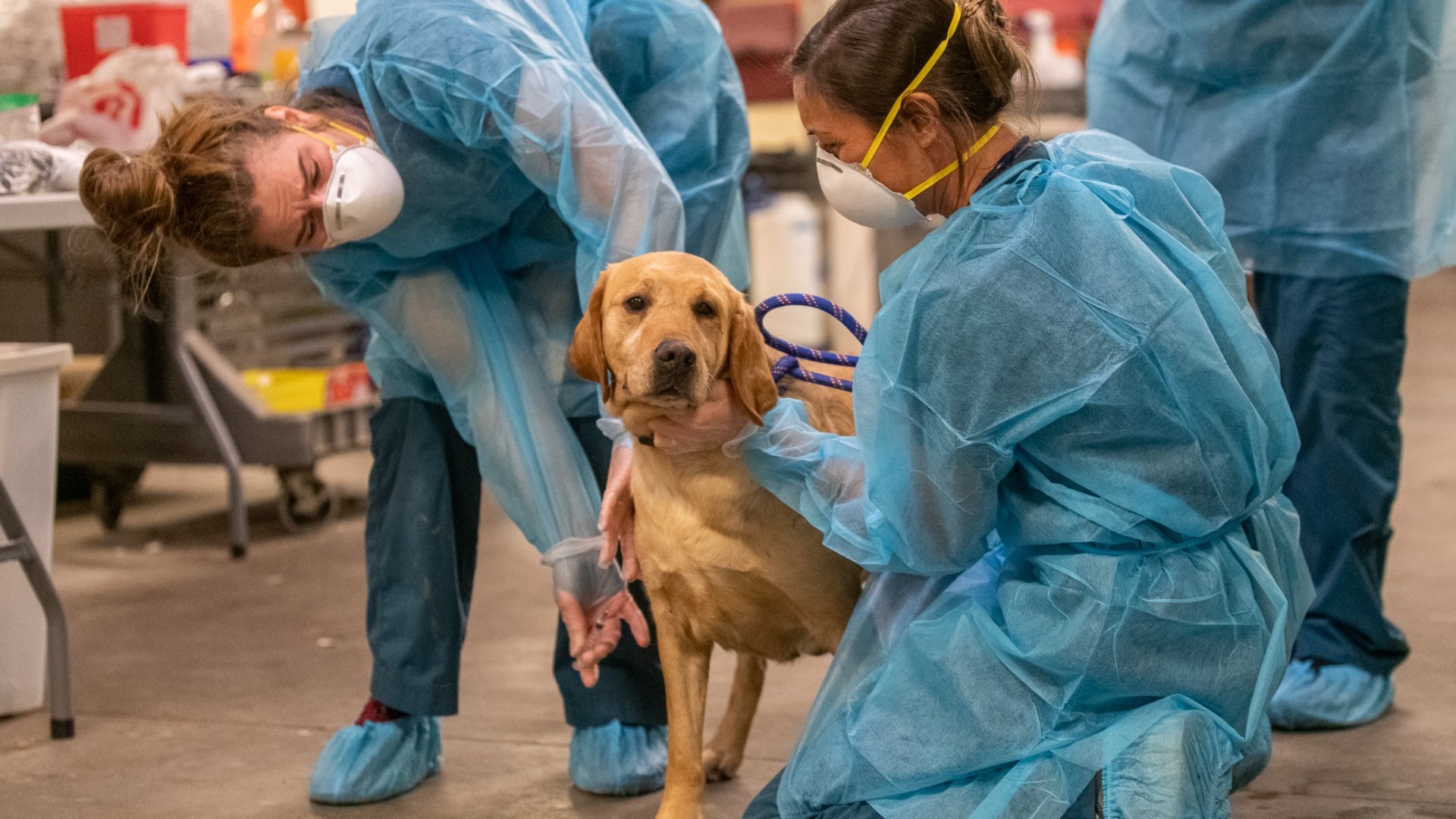



Tailoring Care to Breed, Age, and Individual Temperament
Every rescue dog presents a unique combination of breed traits, life stages, and individual history that dictates appropriate management strategies. Exploring specific Dog Breeds characteristics can clarify inherited drives, such as herding instincts or high prey drive, which require appropriate physical and mental outlets. Senior rescue dogs generally require tailored veterinary oversight to manage joint stiffness and metabolic changes, whereas younger rescues demand higher volumes of mental stimulation and structured exercise. Evaluating individual temperament rather than relying solely on breed stereotypes ensures that exercise routines, nutritional plans, and living arrangements align with the specific dog’s physical and psychological capacities.
When to Consult a Veterinarian or Professional Behaviorist
Recognizing the threshold where professional intervention becomes necessary safeguards both the human-canine bond and the safety of everyone in the household. Any sudden shift in appetite, lethargy, persistent vomiting, difficulty breathing, or signs of acute pain warrants immediate veterinary evaluation, as these symptoms can indicate serious underlying medical issues. For complex behavioral concerns such as severe separation anxiety, resource guarding, generalized fear, or any form of aggression, consulting a certified professional dog trainer or a veterinary behaviorist is essential. Reviewing educational materials on Dog Care can help owners prepare for routine health maintenance, but expert guidance remains irreplaceable for managing ingrained trauma or specialized rehabilitation needs.
Embracing the Ongoing Journey of Canine Companionship
Sustaining a healthy, harmonious life with a rescue dog is an ongoing commitment to understanding, adaptability, and compassionate leadership. By prioritizing evidence-based care, maintaining proactive health routines, and respecting the individual pace of the animal, households create an environment where a rescued dog can truly thrive. Continued education through resources provided by PetsAnimalsWorld.com ensures that owners stay informed about best practices across all facets of canine well-being. Ultimately, the patience invested during the early stages of rescue care pays dividends in a lifetime of loyalty, companionship, and mutual trust.


