The Importance of Structured Guidance for Canine Development
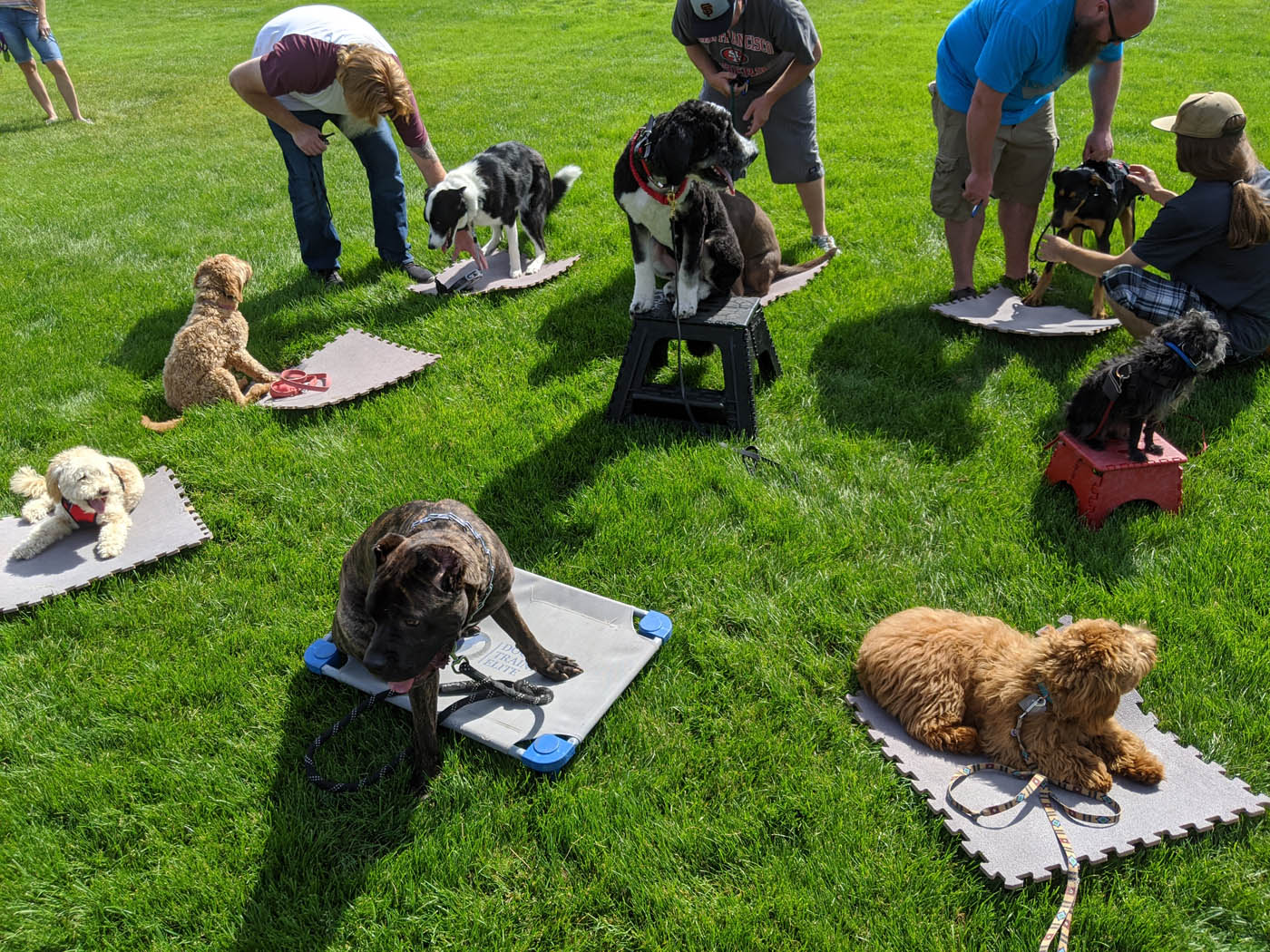
Navigating the complexities of canine companionship requires a foundational understanding of how dogs learn and interact with their environment. According to the American Society for the Prevention of Cruelty to Animals (ASPCA), positive reinforcement training is an effective and humane method for teaching dogs desired behaviors while strengthening the human-animal bond. Dog behavior classes serve as a structured environment where owners and their companions can practice these principles under the guidance of experienced professionals. By participating in these sessions, individuals gain the necessary tools to navigate common challenges, ensuring that the domestic environment remains safe, enriching, and harmonious for everyone involved.
💡 Pet Care Key Takeaways:
- Core Focus: Practical health, nutrition, and wellness guidelines for Dog Behavior Classes.
- Target Scope: Pet owners, animal caregivers, and veterinary support staff.
- Best Recommendation: Maintain consistent daily routines and consult an accredited veterinarian before introducing major diet or medical changes.
Defining the Purpose of Dog Behavior Classes
Dog behavior classes are educational programs designed to help owners understand canine communication, social signaling, and the cognitive processes that influence behavior. Unlike traditional obedience training, which often focuses strictly on commands like “sit” or “stay,” behavior classes prioritize the underlying reasons for a dog’s actions. These sessions teach participants how to read subtle cues—such as changes in ear position, tail carriage, or body tension—that indicate a dog’s internal state. By learning to interpret these signals, owners can anticipate potential stressors and intervene before a situation escalates. The goal is to cultivate a proactive approach to management, fostering confidence and stability in the animal.
The Impact on Long-Term Behavioral Health
Engaging in professional behavioral guidance significantly influences the long-term mental health and adaptability of a canine. Exposure to new environments, people, and other dogs within a controlled setting helps prevent the development of fear-based responses or excessive reactivity. When a dog learns how to navigate novel situations with guidance, the likelihood of developing chronic anxiety or behavioral suppression decreases. Consistent, positive interaction builds resilience, allowing the dog to remain calm in various settings. This proactive engagement is a critical component of Dog Behavior, as it addresses the root causes of unwanted actions rather than merely suppressing the symptoms.
Socialization during the early developmental period, typically before 14 weeks of age, is critical for helping puppies learn to navigate the world with confidence and reduced fear. — American Veterinary Medical Association (AVMA)
Effective Management and Training Strategies
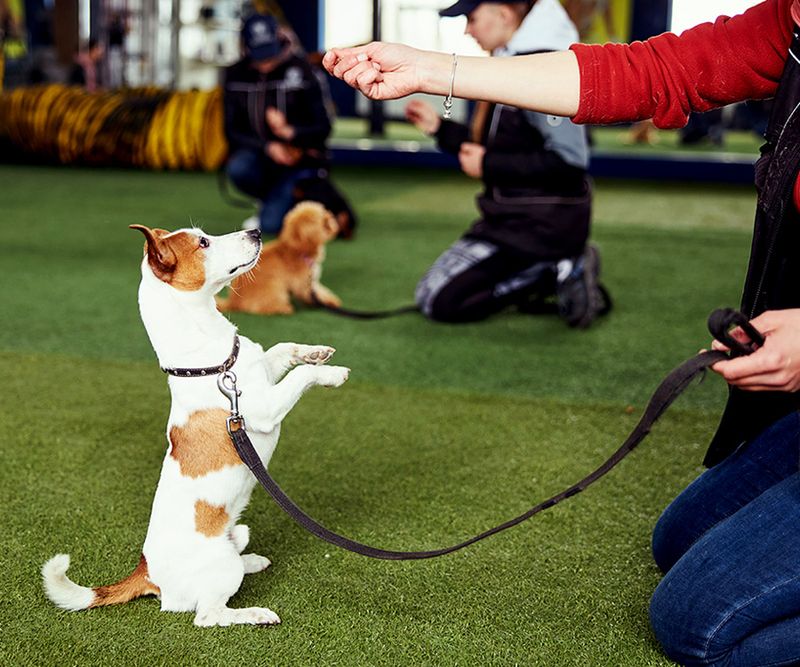
Addressing behavioral needs effectively requires a commitment to consistency, patience, and the use of evidence-based training techniques. Successful outcomes rely on identifying what motivates a specific dog, such as food rewards, play, or praise, and using these motivators to reinforce calm, focused behavior. Owners should focus on creating predictable routines, as dogs often thrive when they understand the expectations placed upon them. When a dog displays unwanted behavior, the focus should remain on redirection and management—such as removing the trigger or providing an appropriate alternative outlet—rather than punitive measures. Punitive methods often increase stress and can inadvertently lead to defensive behavior, complicating the learning process.
Best Practices for Successful Behavioral Growth
To maximize the benefits of behavior classes, owners should prioritize short, frequent practice sessions that prevent the dog from becoming fatigued or overwhelmed. Maintaining a calm demeanor during training is essential, as dogs are highly sensitive to the emotional state of their handlers. Avoiding the mistake of pushing a dog beyond its current threshold is equally vital; if a dog appears distracted or anxious, it is often more productive to step back and simplify the task. For those looking to deepen their understanding, resources on Dog Training offer additional insights into teaching techniques that prioritize the animal’s welfare and long-term success.
Positive reinforcement training, which involves rewarding desired behaviors, is widely recommended by animal behaviorists as the most effective and humane way to teach dogs new skills. — American Kennel Club (AKC)
Pet Care & Wellness Overview Table
| Life Stage | Daily Activity Level | Key Nutrition / Care Focus |
|---|---|---|
| Puppy / Kitten | High (frequent short bursts) | High-protein growth diet & early socialization |
| Adult Companion | Moderate (30–60 mins daily) | Balanced maintenance nutrition & dental hygiene |
| Senior Pets | Low to Gentle (mindful walks) | Joint support (Glucosamine) & routine vet checks |
Images References



Considering Individual Variations in Breed and Temperament
Every dog is an individual, and behavioral development is influenced by a complex interplay of genetics, early life experiences, and current environment. While certain Dog Breeds may possess predispositions toward specific energy levels or working styles, these traits do not dictate a dog’s behavioral potential. A high-energy working breed may require more mental stimulation and structured play to remain settled, while a more reserved dog might need additional time and space to feel secure in social settings. Recognizing these individual differences allows owners to tailor their approach to behavior classes, ensuring that the training plan aligns with the specific needs of the animal rather than relying on broad generalizations about breed behavior.
When to Consult a Professional
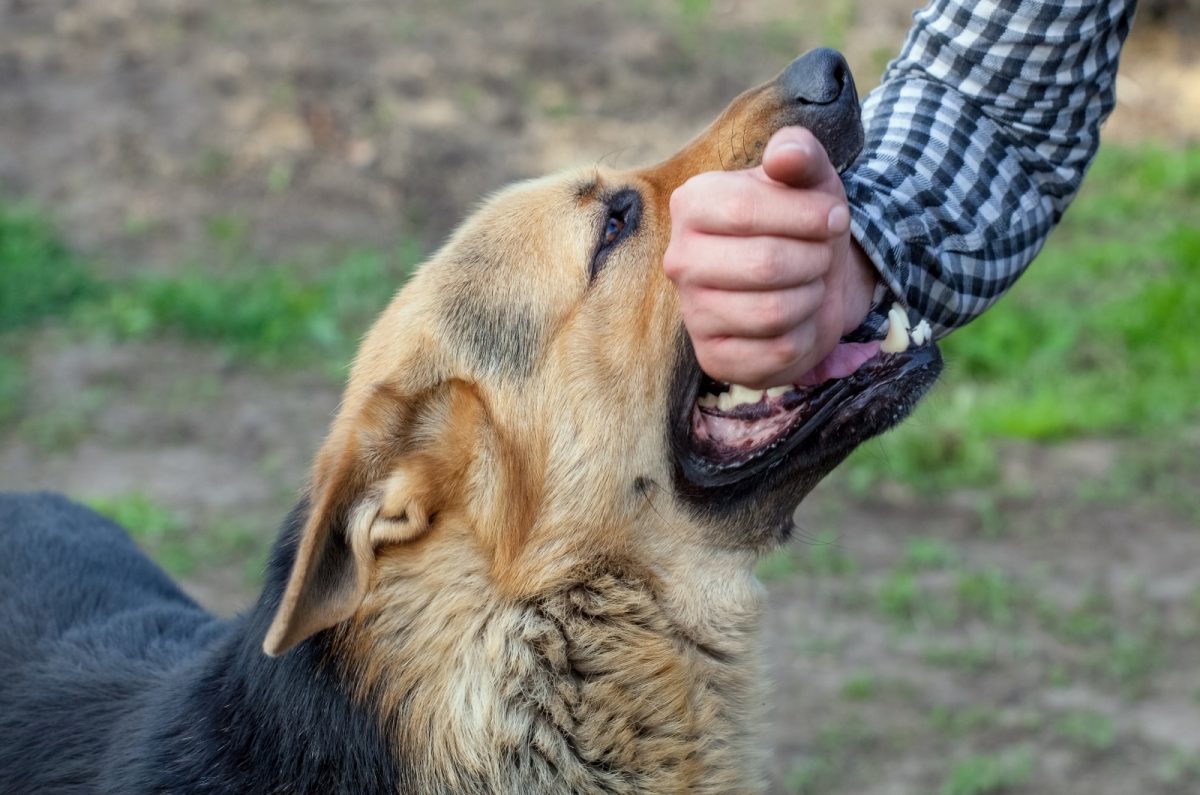
While many behavioral challenges can be managed through consistent training, some situations necessitate the involvement of a veterinary behaviorist or a certified professional trainer. If a dog displays persistent aggression, severe separation anxiety, or sudden, uncharacteristic changes in behavior, an immediate veterinary examination is necessary to rule out underlying medical issues. Pain, discomfort, or endocrine imbalances can frequently manifest as behavioral problems. In such cases, a professional can provide a comprehensive assessment and develop a medically informed, humane, and individualized plan to ensure the dog’s safety and well-being. Never attempt to resolve severe behavioral issues without expert guidance, as incorrect approaches may worsen the situation.
Commitment to Lifelong Learning
Investing in behavioral education is an ongoing process that benefits both the dog and the owner throughout the animal’s life. By staying informed and utilizing the resources available through PetsAnimalsWorld.com, owners can continue to refine their skills and adapt to their dog’s changing needs as it moves through different life stages. From understanding the basics of Dog Care to exploring advanced training techniques, a commitment to learning ensures that the relationship remains strong and supportive. Understanding canine behavior is not a destination but a journey, and every step taken toward better communication fosters a more rewarding life for the entire household.