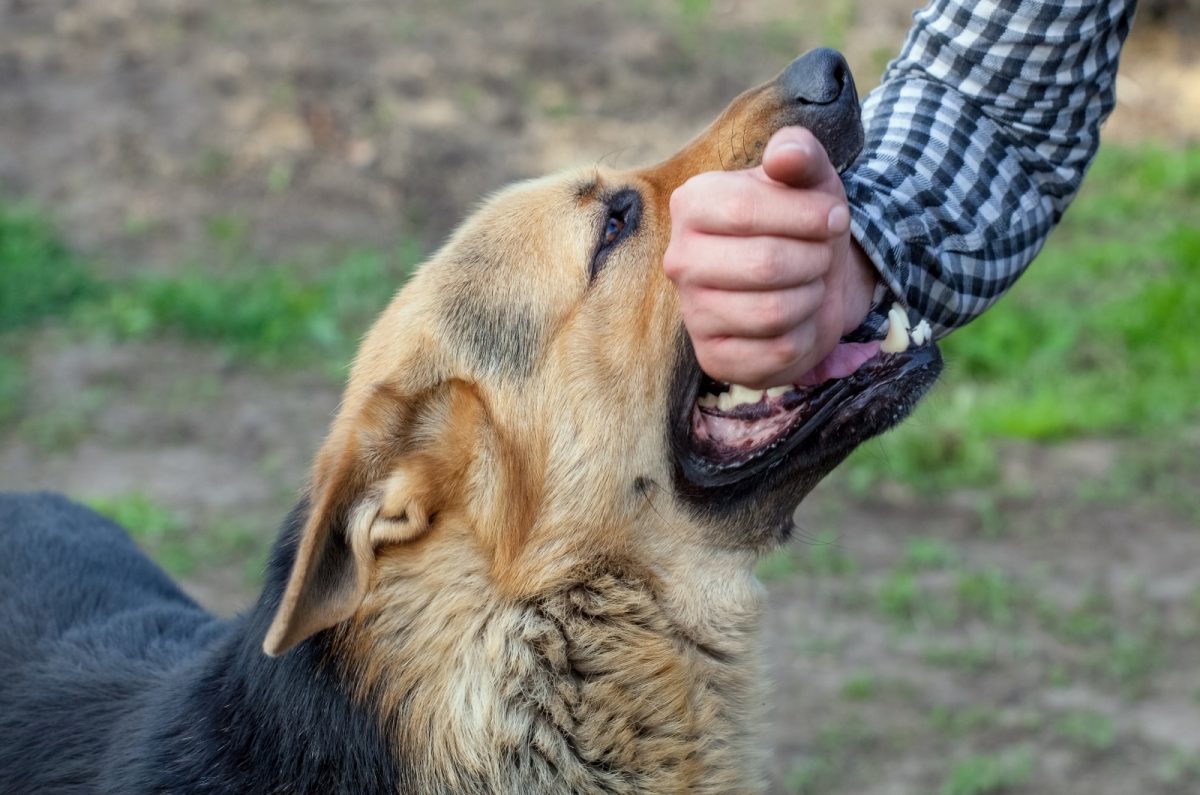
Understanding the tools used in domestic animal instruction requires a careful look at modern behavioral science and domestic animal welfare. According to the American Veterinary Society of Animal Behavior, equipment that relies on aversive stimuli can create significant stress and unintended emotional fallout for domestic canines. When navigating the wide array of equipment available on the market, understanding the underlying mechanisms of learning helps maintain a trusting relationship between households and their animal companions. Many households invest significant time into Dog Training to cultivate reliable manners, yet confusion often arises regarding which devices align with humane methodologies and contemporary veterinary insights.
💡 Pet Care Key Takeaways:
- Core Focus: Practical health, nutrition, and wellness guidelines for Dog Behavior Training Collar.
- Target Scope: Pet owners, animal caregivers, and veterinary support staff.
- Best Recommendation: Maintain consistent daily routines and consult an accredited veterinarian before introducing major diet or medical changes.
Defining the Mechanics of a Dog Behavior Training Collar
A dog behavior training collar generally refers to specialized neckwear designed to modify actions through specific sensory inputs, such as static stimulation, vibration, acoustic tones, or citronella sprays. Historically, these devices were developed to suppress undesirable habits like excessive barking, jumping, or boundary crossing by delivering an immediate consequence following the targeted action. Classical conditioning and operant conditioning principles explain how animals learn associations between their actions and subsequent environmental outcomes. However, modern professional consensus draws a sharp line between reinforcement-based methods, which reward desired actions, and punishment-based equipment that relies on discomfort or fear to suppress unwanted habits.
Understanding the Behavioral and Psychological Impact
Implementing equipment that induces discomfort can profoundly influence a canine’s emotional state, potentially increasing anxiety, defensive responses, or generalized fear. Behavioral science demonstrates that animals often struggle to connect the sudden unpleasant sensation from a remote or automatic device with the precise human command, leading to confusion and heightened baseline stress. Furthermore, a canine might associate the discomfort with innocent bystanders, unfamiliar environments, or the human handler rather than the specific behavioral trigger. Such unintended associations can complicate Dog Behavior modification programs and inadvertently damage the foundational bond of trust within the household.
Animal welfare organizations emphasize that aversive training methods can elevate chronic stress hormones like cortisol in domestic canines — American Animal Hospital Association
Implementing Positive and Humane Management Strategies
Effective guidance relies on setting clear expectations, managing the environment to prevent unwanted actions, and proactively rewarding alternative choices. Positive reinforcement involves marking and rewarding desired responses with high-value treats, praise, or play, which encourages the animal to repeat those choices willingly. Establishing predictable routines helps lower environmental arousal and prevents many common challenges before they manifest into ingrained habits. Consistent communication ensures that the animal understands what is expected during daily interactions, fostering an environment of cooperation rather than avoidance.
Best Practices and Common Pitfalls to Avoid
Avoiding punitive shortcuts ensures long-term behavioral stability while protecting the physical and emotional well-being of the animal. One common error involves relying on quick-fix equipment without addressing the root emotional triggers, such as separation anxiety, boredom, or resource guarding. Consistent management, clear criteria, and patience yield far more reliable results than reactive corrections. Trainers emphasize that setting up the environment for success—such as removing tempting items or utilizing baby gates—prevents unwanted actions while new patterns are being learned.
Consistent reward-based instruction strengthens cognitive processing and problem-solving abilities in domestic canines — American Kennel Club
Pet Care & Wellness Overview Table
| Life Stage | Daily Activity Level | Key Nutrition / Care Focus |
|---|---|---|
| Puppy / Kitten | High (frequent short bursts) | High-protein growth diet & early socialization |
| Adult Companion | Moderate (30–60 mins daily) | Balanced maintenance nutrition & dental hygiene |
| Senior Pets | Low to Gentle (mindful walks) | Joint support (Glucosamine) & routine vet checks |
Images References









Tailoring Approaches for Different Breeds and Temperaments
Individual differences in sensitivity, breed history, and life stage dictate that no single instructional tool works universally for every animal. Herding breeds, sporting dogs, and guardian types often possess distinct predispositions and energy levels that require tailored outlets rather than blanket suppression techniques. Younger animals require gentle, highly rewarding socialization, whereas older rescues might need desensitization to address deeply rooted fears from their past. Understanding the unique profile of each companion helps Dog Care providers select humane strategies that honor individual temperament and physical capabilities.
When to Consult a Veterinary Behaviorist or Professional Trainer
Persistent behavioral challenges, sudden shifts in disposition, or displays of aggression warrant prompt professional intervention rather than the application of restrictive equipment. A certified professional trainer or a veterinary behaviorist can perform a thorough assessment to rule out underlying medical discomfort, pain, or complex anxiety disorders. Comprehensive Dog Health evaluations are essential because physical ailments frequently manifest as behavioral alterations. Collaborating with qualified experts ensures that safety remains a top priority while addressing the root causes of challenging actions.
Fostering Lifelong Harmony and Understanding
Cultivating a cooperative partnership with a domestic companion requires dedication, empathy, and evidence-informed guidance that prioritizes emotional safety. By moving away from fear-based equipment and embracing positive learning environments, households can nurture confident, well-adjusted companions. Exploring additional resources on PetsAnimalsWorld.com provides further insight into fostering a healthy, enriching lifestyle for cherished animal family members.