Understanding the Importance of Addressing Canine Anxiety
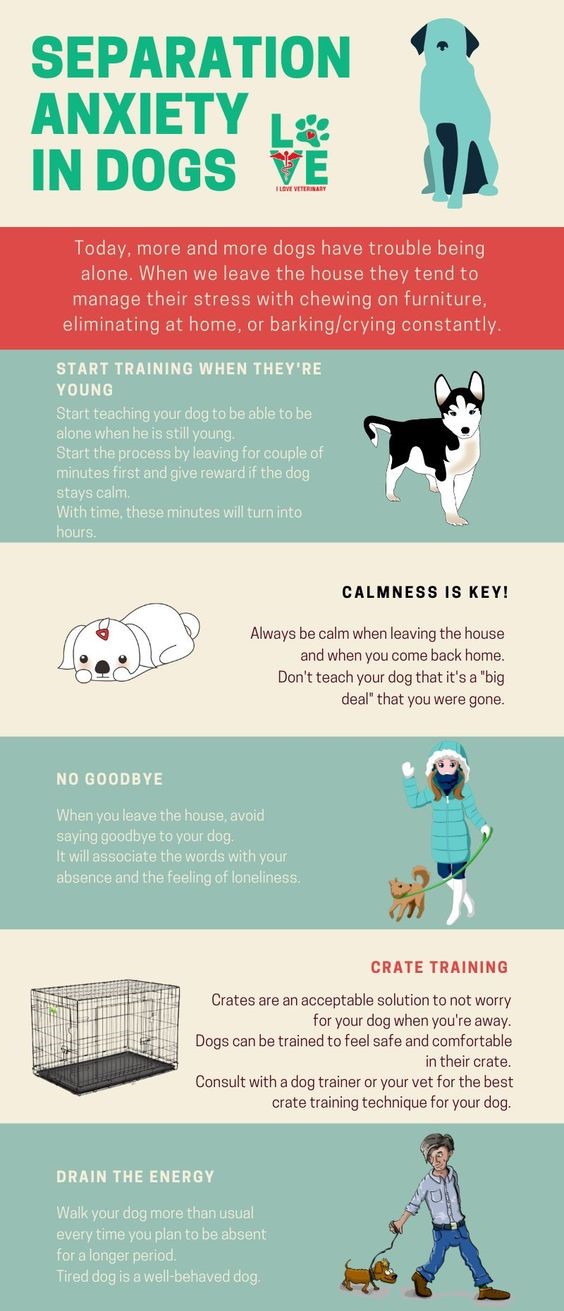
Anxiety in dogs represents a complex emotional state characterized by apprehension, tension, and unease regarding perceived threats. When left unmanaged, these feelings can significantly diminish a canine’s quality of life and potentially manifest as destructive or disruptive behaviors. According to the American Society for the Prevention of Cruelty to Animals (ASPCA), anxiety is a common behavioral issue in dogs that can be triggered by a wide range of factors, including separation, environmental changes, or unfamiliar noises. Recognizing that these behaviors are not rooted in spite or disobedience is a foundational step for any caregiver. Instead, such actions often serve as a coping mechanism for a nervous system struggling to process stress. Addressing this concern requires a compassionate, evidence-based approach that prioritizes the dog’s psychological well-being through structured, humane guidance.
💡 Pet Care Key Takeaways:
- Core Focus: Practical health, nutrition, and wellness guidelines for Dog Behavior Training For Anxiety.
- Target Scope: Pet owners, animal caregivers, and veterinary support staff.
- Best Recommendation: Maintain consistent daily routines and consult an accredited veterinarian before introducing major diet or medical changes.
Defining Behavior Training for Canine Anxiety
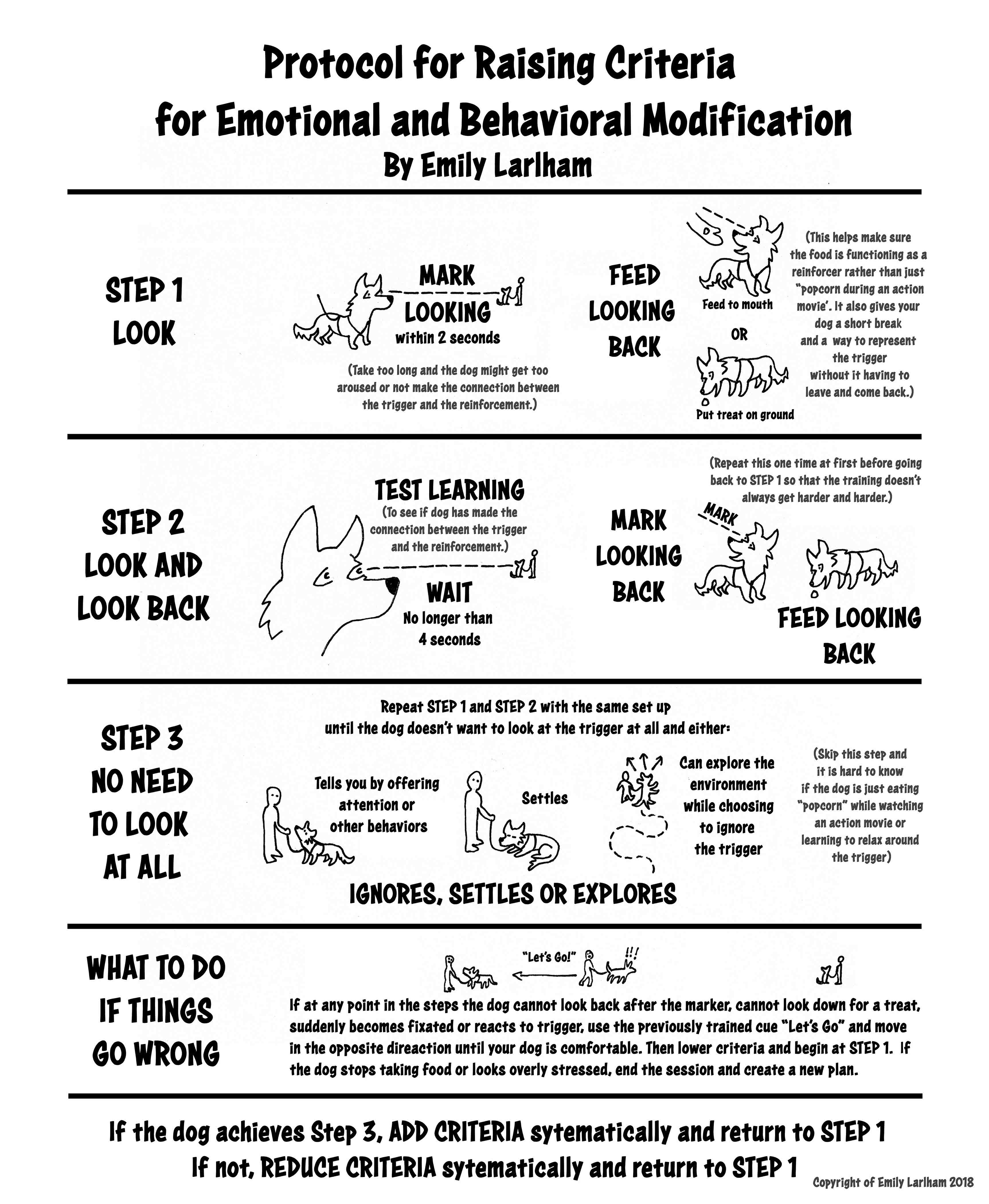
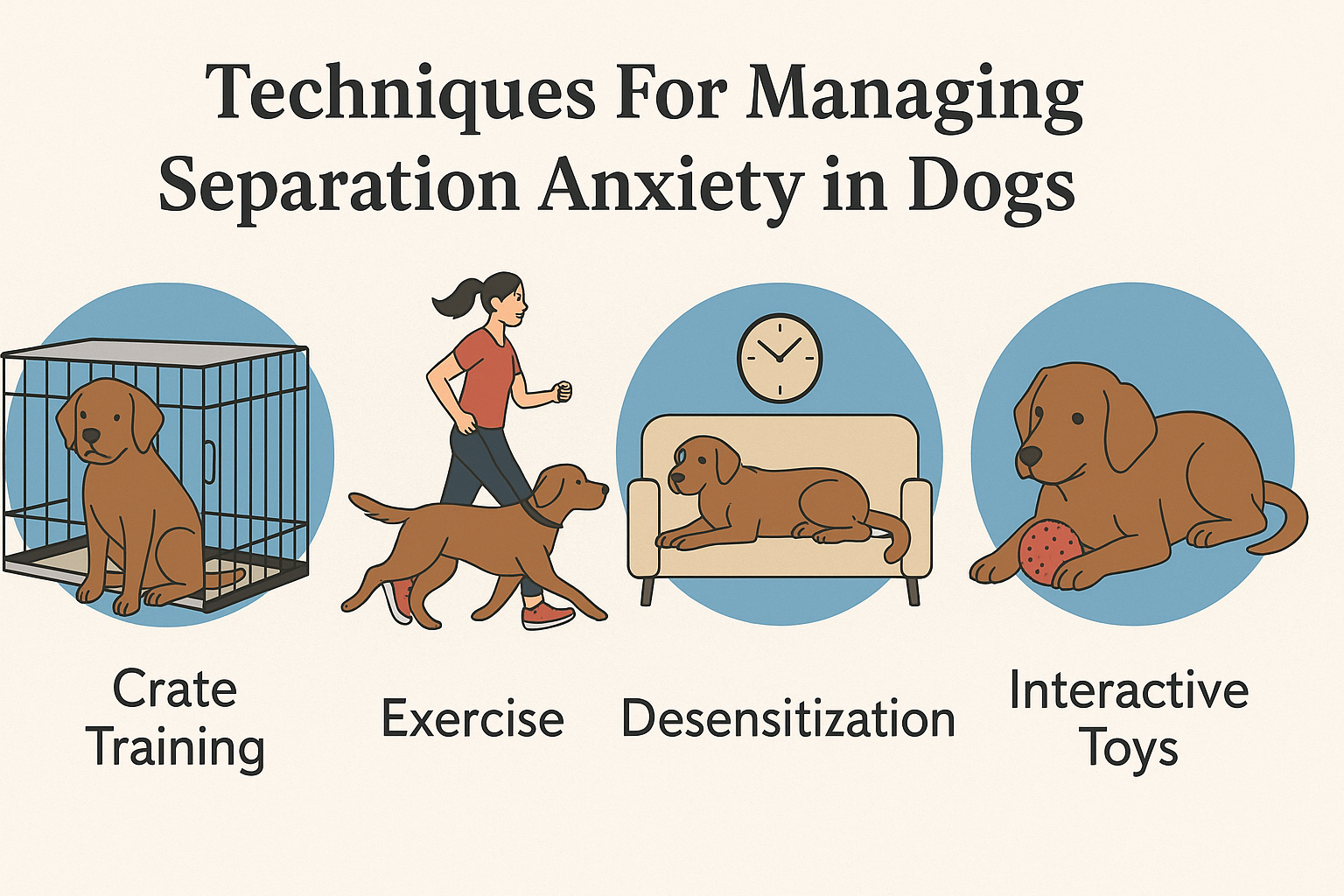
Behavior training for anxiety focuses on systematic desensitization and counter-conditioning to help a dog feel secure in stressful environments. Desensitization involves exposing the animal to a mild version of a trigger—such as the sound of thunder or the sight of a specific object—at an intensity that does not provoke a fearful response. Counter-conditioning aims to change the dog’s emotional reaction to that trigger by pairing it with a positive, highly desirable outcome, such as a high-value treat or a favorite toy. This process requires patience and consistency, as the goal is to rewire the dog’s internal association from negative to neutral or positive over time. By breaking down daunting experiences into manageable increments, caregivers can help their dogs build confidence and resilience in the face of previously overwhelming situations.
The Impact of Anxiety on Long-Term Health and Well-Being
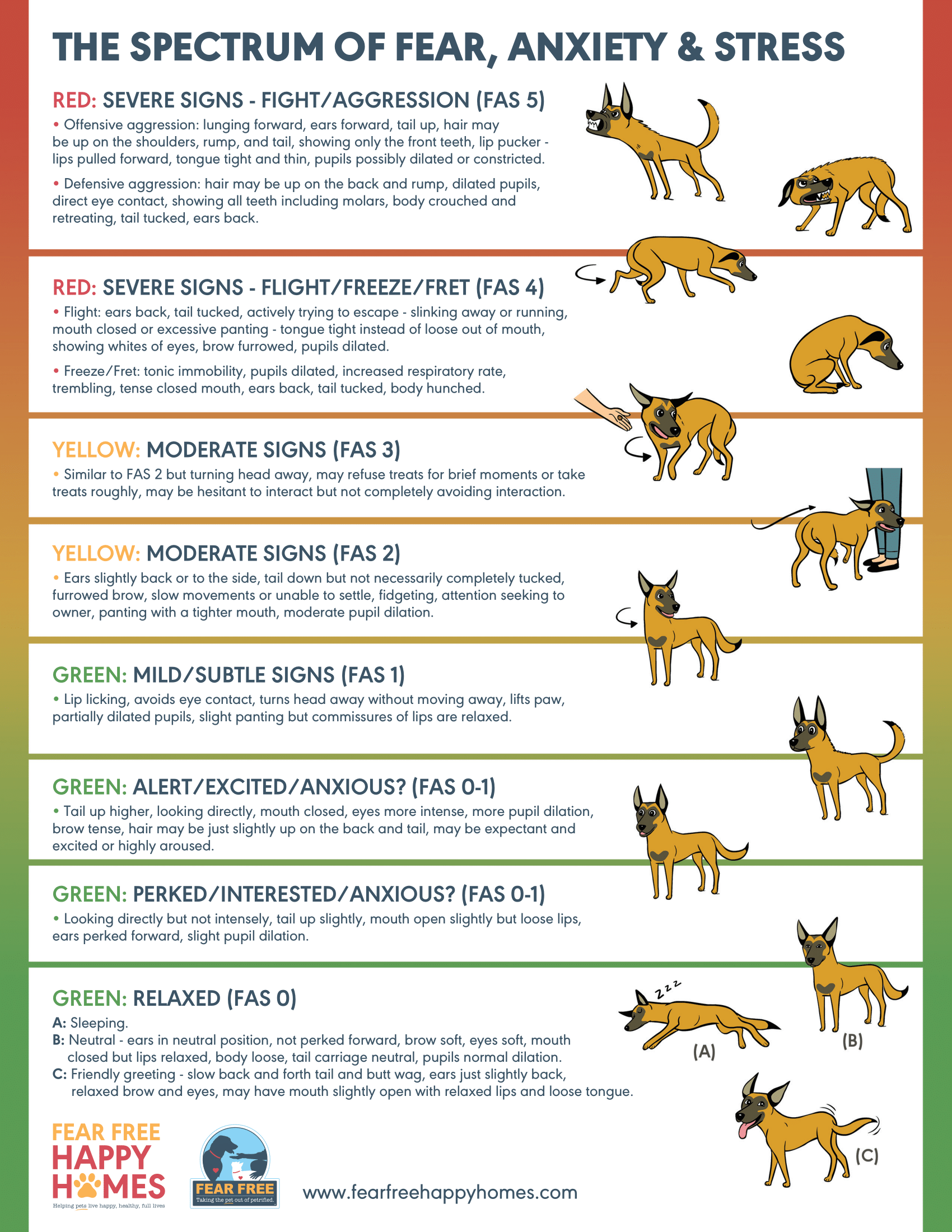
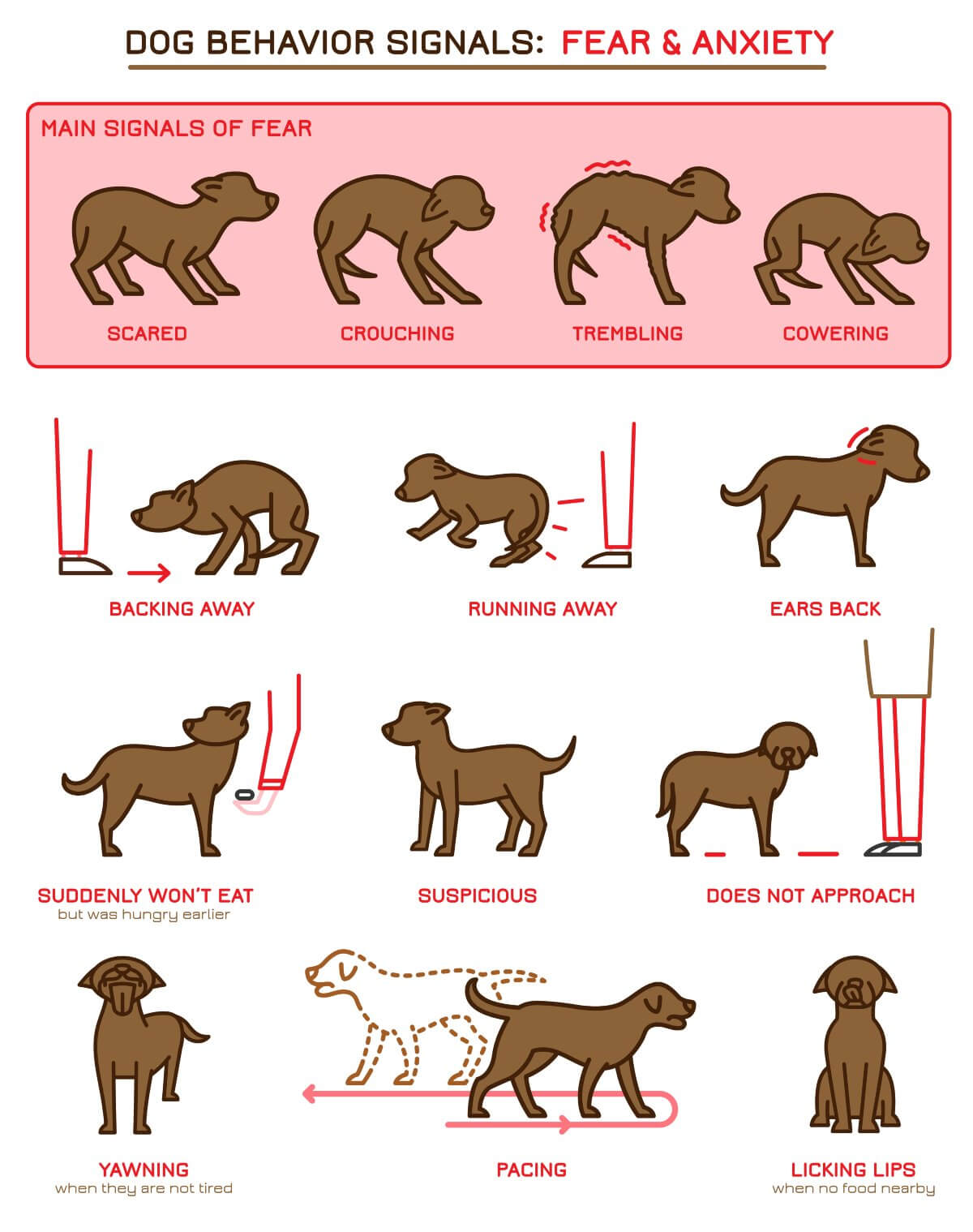
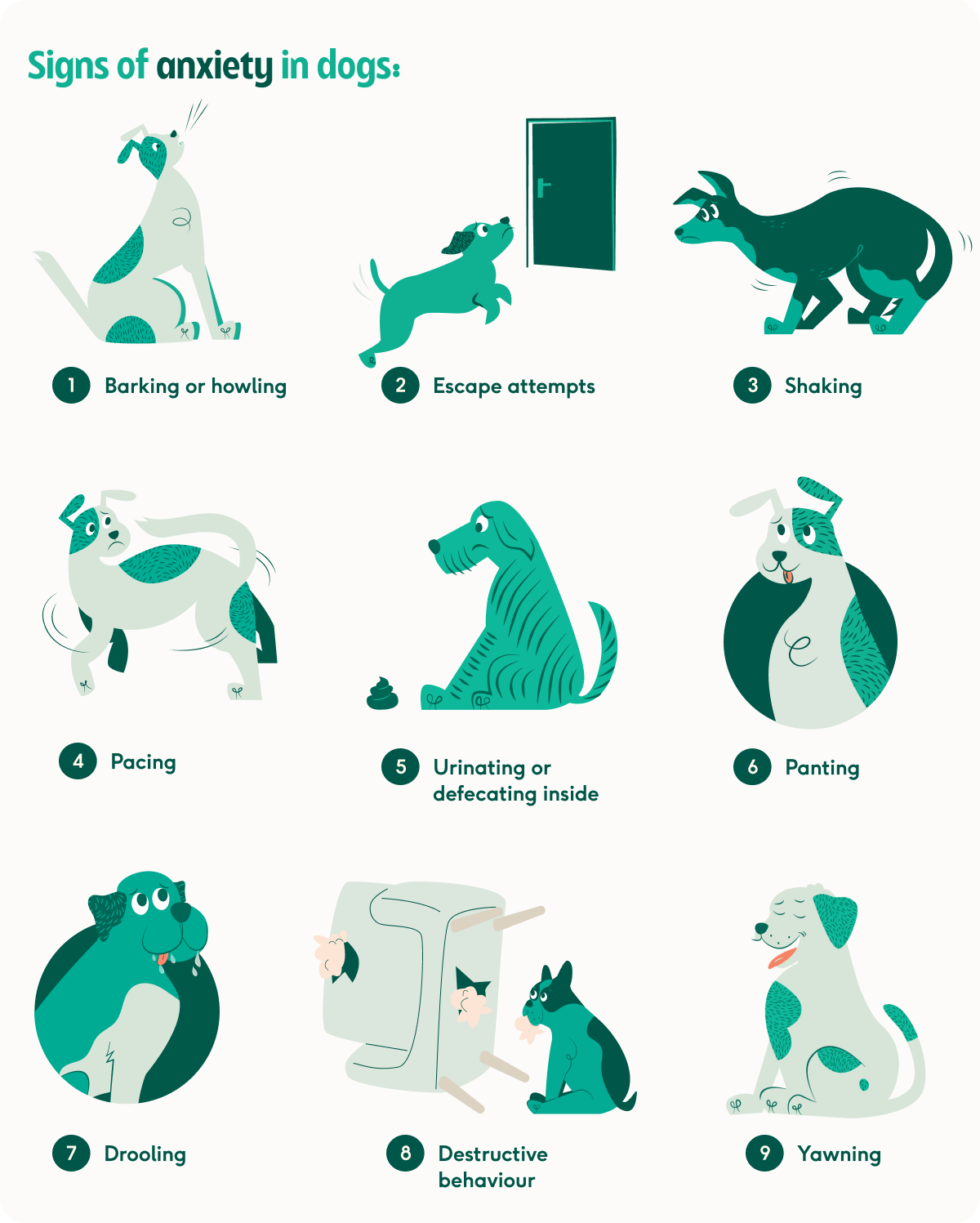
Chronic stress caused by untreated anxiety can have measurable physiological consequences, potentially leading to weakened immune function and gastrointestinal distress. It is essential for owners to recognize that behavioral symptoms are often outward expressions of internal discomfort. Common indicators include pacing, excessive panting, vocalization, or attempts to escape a confined area. When these signs are ignored, the underlying stress may intensify, leading to more severe behavioral complications. Proactive management, which includes providing a predictable routine and a safe, quiet space for the dog to retreat to, serves as a cornerstone of Dog Health. By addressing the environment and the emotional state of the animal, owners can mitigate the cumulative effects of stress and promote a more stable, healthy lifestyle.
Chronic anxiety in dogs can lead to physical symptoms such as gastrointestinal upset, changes in appetite, and increased susceptibility to illness due to sustained stress hormone production. — American Veterinary Medical Association (AVMA)
Practical Approaches to Managing Canine Anxiety
Effective management of anxiety relies on the creation of a secure environment combined with positive reinforcement training. Positive reinforcement involves rewarding desired behaviors with praise, treats, or play, which encourages the dog to repeat those actions. When training for anxiety, it is crucial to avoid any form of punishment or intimidation, as these methods can exacerbate fear and damage the trust between the human and the dog. Instead, focus on building a strong foundation of communication. For example, if a dog experiences anxiety during grooming or handling, short, low-stress sessions that conclude with a positive reward can help the dog build tolerance. Consistent, gentle exposure combined with calming environmental cues—such as soothing music or pheromone diffusers—can create a supportive atmosphere that facilitates learning and emotional regulation.
Best Practices and Common Training Pitfalls
The most significant mistake in training for anxiety is moving too quickly or expecting immediate results. It is vital to progress at the dog’s individual pace, ensuring they remain below their “threshold”—the point at which they become too overwhelmed to learn. If a dog begins to show signs of distress, such as tucked ears, lip licking, or excessive avoidance, the intensity of the trigger should be reduced immediately. Another common error is failing to maintain consistency across different settings. Training should be generalized across various environments to ensure the dog feels secure regardless of the location. Always remember that training is a collaborative process; if the dog is not responding or seems increasingly distressed, the strategy must be adjusted. For deeper insights into structured learning, exploring resources on Dog Training can provide valuable techniques for building confidence.
Positive reinforcement training, which focuses on rewarding desired behaviors rather than punishing unwanted ones, is recommended by behavioral experts to improve the human-animal bond and reduce stress. — American Kennel Club (AKC)
Pet Care & Wellness Overview Table
| Life Stage | Daily Activity Level | Key Nutrition / Care Focus |
|---|---|---|
| Puppy / Kitten | High (frequent short bursts) | High-protein growth diet & early socialization |
| Adult Companion | Moderate (30–60 mins daily) | Balanced maintenance nutrition & dental hygiene |
| Senior Pets | Low to Gentle (mindful walks) | Joint support (Glucosamine) & routine vet checks |
Images References


Considering Breed, Age, and Temperament
Every dog is an individual, and factors such as breed history, age, and natural temperament play a significant role in how they experience and express anxiety. Some breeds may be more predisposed to vigilance or sensitivity to environmental changes due to their historical roles as working or guardian animals. Conversely, a dog’s age may influence their resilience; puppies in a critical socialization window may require different support than a senior dog experiencing age-related cognitive changes. Understanding the specific needs of a dog, as found in resources regarding Dog Breeds, allows for a more tailored approach to anxiety management. A one-size-fits-all strategy rarely yields success; instead, observe the dog’s unique body language and reactions to customize the training plan effectively.
When to Seek Professional Behavioral Guidance
Consulting a professional is essential when anxiety manifests as aggressive behavior, self-injury, or persistent distress that interferes with daily life. A veterinarian should always be the first point of contact to rule out underlying medical conditions that might mimic or contribute to anxiety. If a physical cause is excluded, a certified professional dog trainer or a veterinary behaviorist can provide a structured, safe, and effective modification plan. These professionals possess the expertise to design programs that address specific triggers while ensuring the dog’s safety and welfare. Do not hesitate to reach out for professional help; early intervention often leads to better outcomes and a happier, more comfortable life for the dog.
Supporting Your Dog’s Emotional Journey
Managing anxiety is a journey that requires patience, empathy, and a commitment to the dog’s long-term emotional health. By providing a safe environment, utilizing evidence-based training techniques, and seeking professional guidance when necessary, owners can help their companions overcome fear and thrive. For more information on nurturing a balanced relationship with a canine companion, explore the various resources available on PetsAnimalsWorld.com, including helpful guides on Dog Behavior and general Dog Care.