Introduction
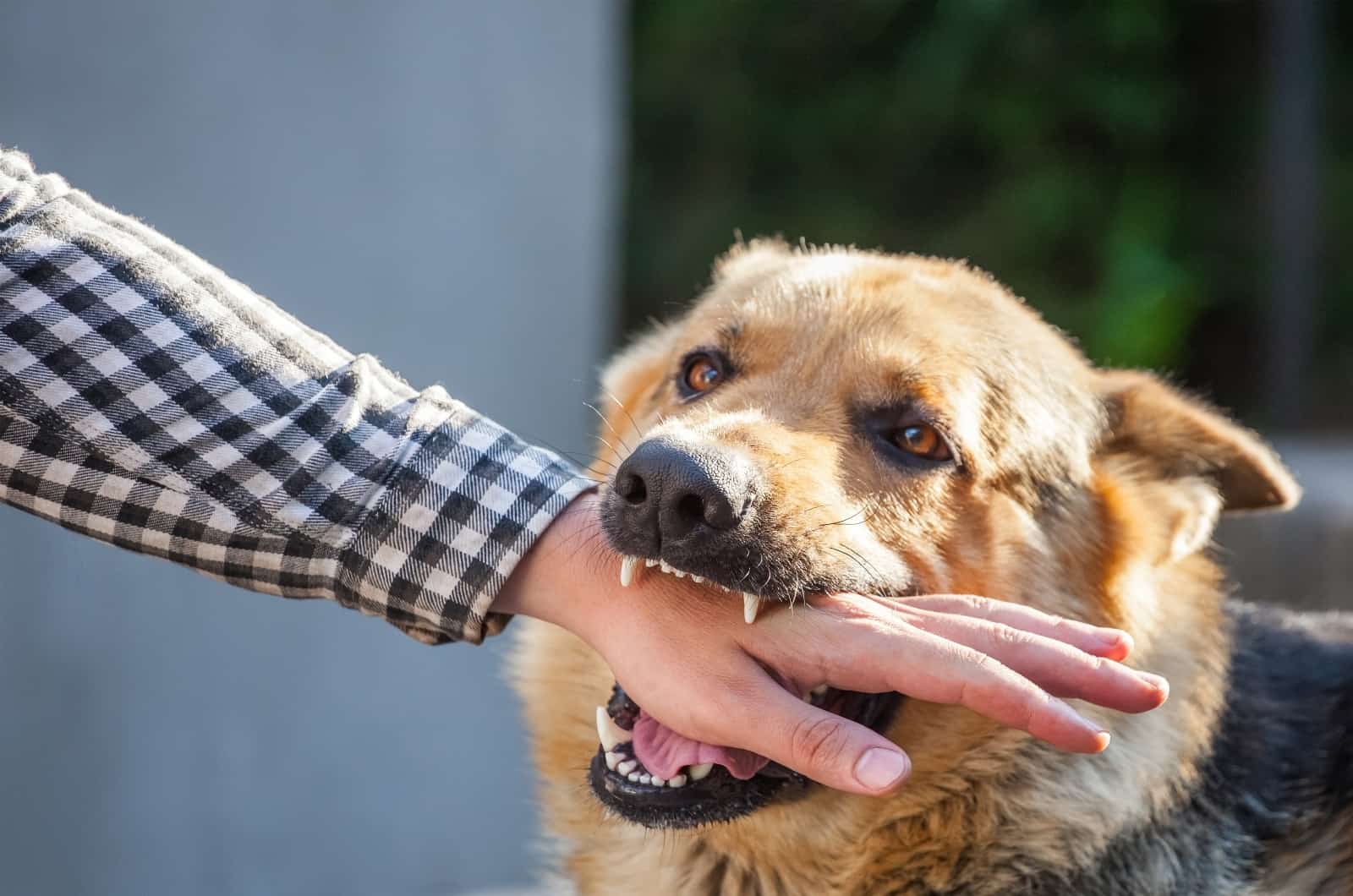
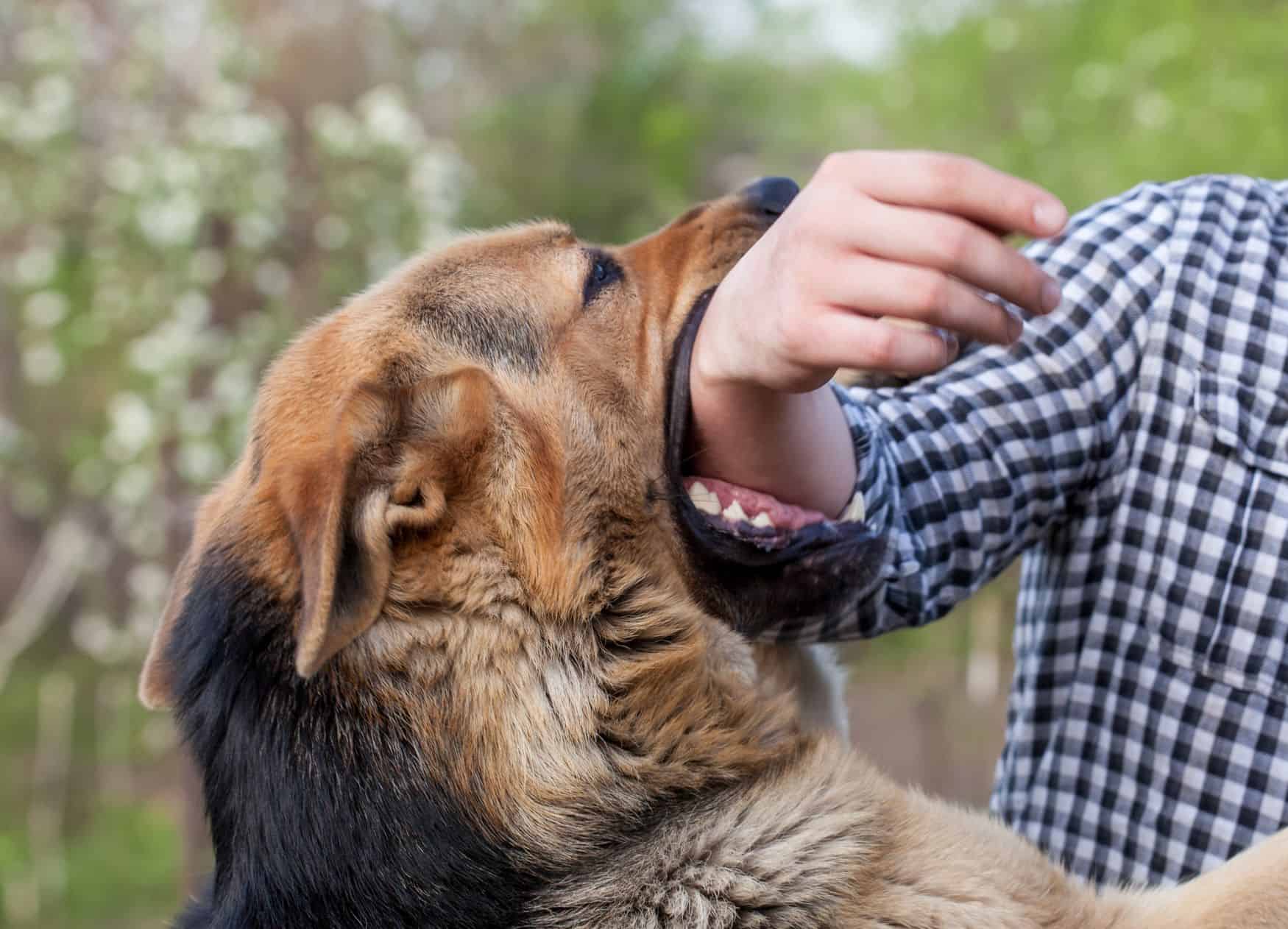
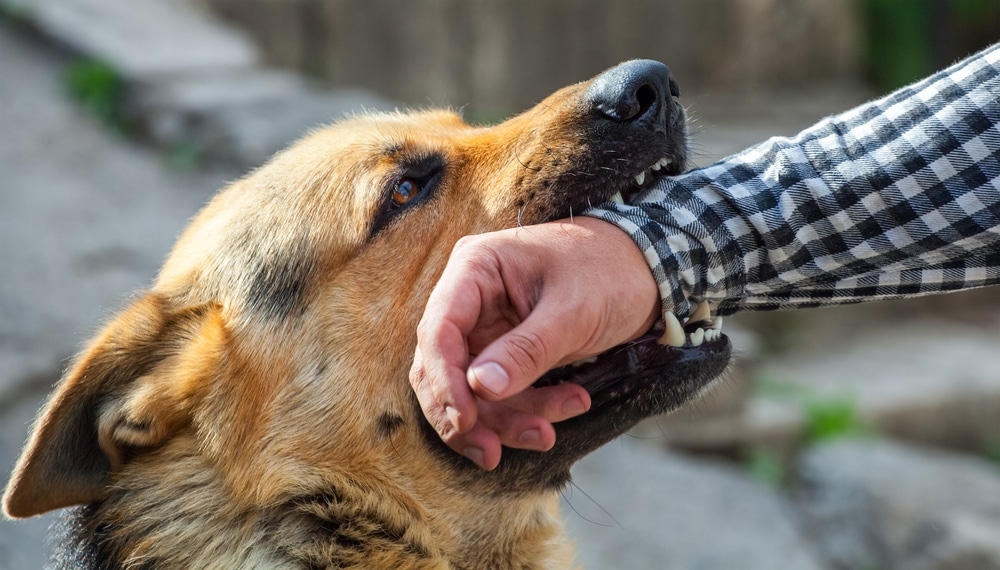
Dog behavior after biting someone typically manifests as freeze responses, displacement activities, or heightened hyper-arousal due to acute fear, pain, or territorial defensiveness. According to the International Association of Animal Behavior Consultants (IAABC), understanding these post-incident behavioral states is critical for preventing future escalations and protecting human safety. Comprehensive Dog Behavior analysis dictates that observation of post-bite posture provides immediate diagnostic insight into the emotional driver of the aggression. Careful assessment of physical health, neurological function, and environmental stressors must follow any biting incident to safeguard both the animal and the community. Comprehensive management relies on expert intervention, strict preventive protocols, and evaluating foundational Dog Health indicators that may mask underlying discomfort.
Pet Wellness & Behavior Snapshot:
- Core Focus: Immediate neurological, emotional, and physical evaluation of dog behavior after biting someone.
- Target Scope: Companion animal care, veterinary behavior protocols, and safety risk mitigation.
- Key Recommendation: Implement immediate environmental containment and schedule a comprehensive veterinary medical evaluation.
Core Principles and Detailed Overview
Post-bite canine actions stem from specific psychological mechanisms categorized by autonomic nervous system activation, freeze-flight-fight responses, and learned coping strategies. Direct assessment of post-incident demeanor reveals whether the animal experiences genuine remorse, residual adrenaline surges, or defensive threat displays. Chronic pain, sensory deficits, and subclinical neurological disorders frequently lower seizure thresholds or pain tolerances, precipitating unexpected aggression in otherwise stable Dog Breeds. Furthermore, nutritional imbalances or metabolic deficiencies can exacerbate neurological irritability, emphasizing the importance of balanced Dog Nutrition in long-term behavioral stabilization. Professional caregivers must separate fear-induced panic from predatory sequences to formulate targeted rehabilitation plans.
Key Specifications and Breakdown
| Observed Indicator / Factor | Veterinary & Behavioral Explanation | Actionable Management Protocol |
|---|---|---|
| Crouched Posture & Avoidance | Indicates fear-based aggression where the animal experiences acute terror and seeks distance. | Provide immediate safe confinement and eliminate all forced social interaction until evaluated. |
| Rigid Stance & Hard Staring | Signals territorial or resource-guarding arousal driven by high sympathetic nervous system output. | Remove triggering items without direct confrontation; utilize professional Dog Training. |
| Pacing & Panting After Event | Reflects prolonged cortisol elevation and high systemic stress following an adrenaline spike. | Ensure a quiet, low-stimulus recovery room and monitor vital signs for stabilization. |
Clinical Consensus: Aggression is frequently a symptom of underlying physical distress, neurological dysfunction, or severe environmental stress requiring comprehensive veterinary screening. — American Veterinary Medical Association (AVMA)
Step-by-Step Practical Application and Guidelines
Managing a canine safely after a biting episode requires a structured protocol prioritizing public safety, medical screening, and behavioral restructuring. Immediate physical separation must occur without inflicting punishment, as punitive measures heighten fear and increase the probability of subsequent bites. Next, a thorough physical examination by a licensed veterinarian must rule out acute trauma, orthopedic pain, otitis, or systemic illness. Following medical clearance, structured Dog Care routines should be established to minimize unpredictable triggers. Certified behaviorists then implement desensitization and counter-conditioning programs tailored to the specific emotional triggers identified during the post-incident assessment.
Common Challenges and How to Avoid Them
Misinterpreting post-bite calming signals as canine apology or remorse represents a dangerous pitfall that frequently leads to recurrent human injury. Caregivers often make the critical error of punishing the animal after the fact, which fails to alter behavior and instead associates human approach with unpredictable trauma. Ignoring subtle subclinical health issues, such as dental pain or early-stage cognitive dysfunction, allows the primary physiological driver of aggression to persist unabated. Successful mitigation demands absolute consistency, strict adherence to muzzle training protocols when public exposure is unavoidable, and continuous monitoring of environmental stressors that challenge the animal’s coping capacity.
💬 Frequently Asked Questions
Explore More Pet Care and Animal Health Guides on PetsAnimalsWorld
Maintaining optimal canine wellness requires ongoing education across all facets of companion animal husbandry, from behavioral science to preventive medicine. Readers seeking further insights into comprehensive pet guardianship are encouraged to explore the extensive resources available through Pets Animals World, where veterinary-backed guidance supports lifelong human-animal bonds.
Visual Reference Gallery