Introduction
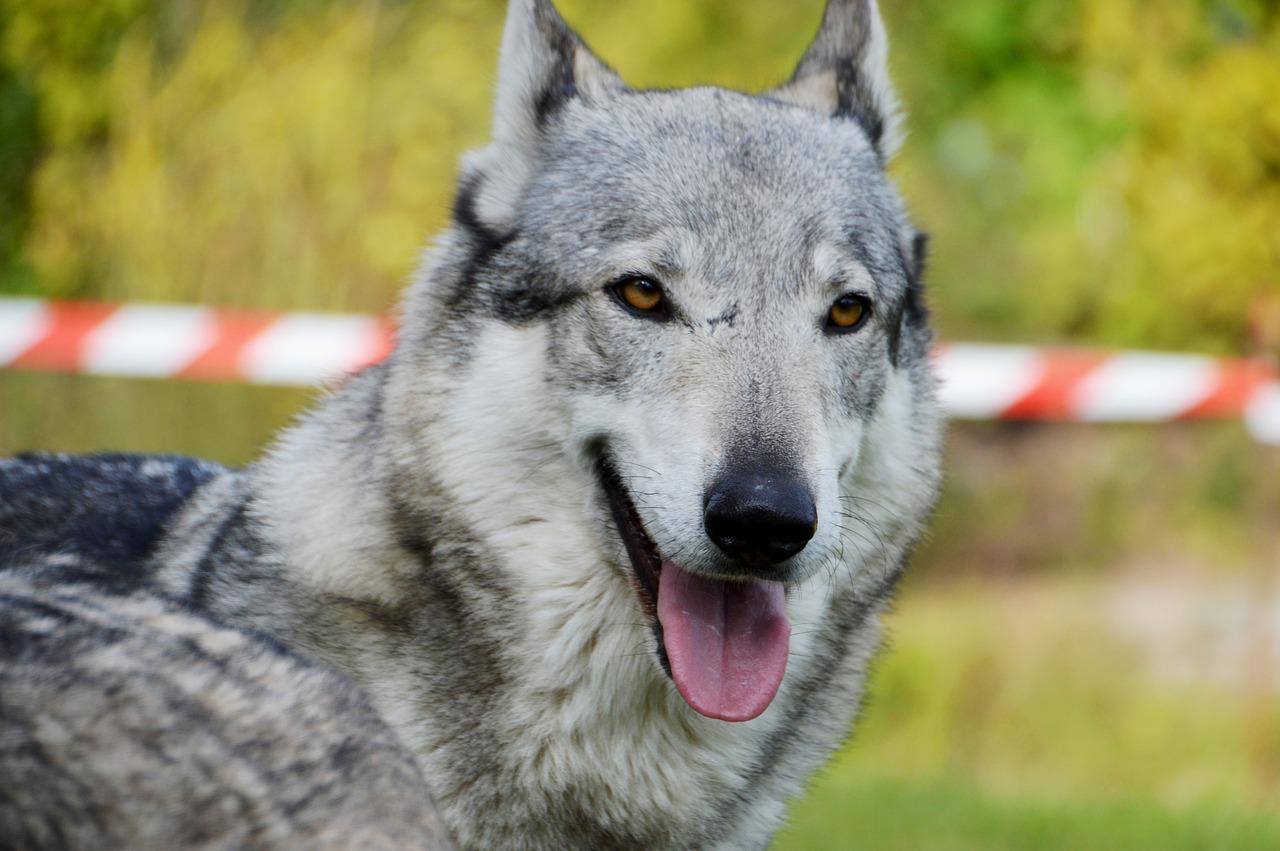
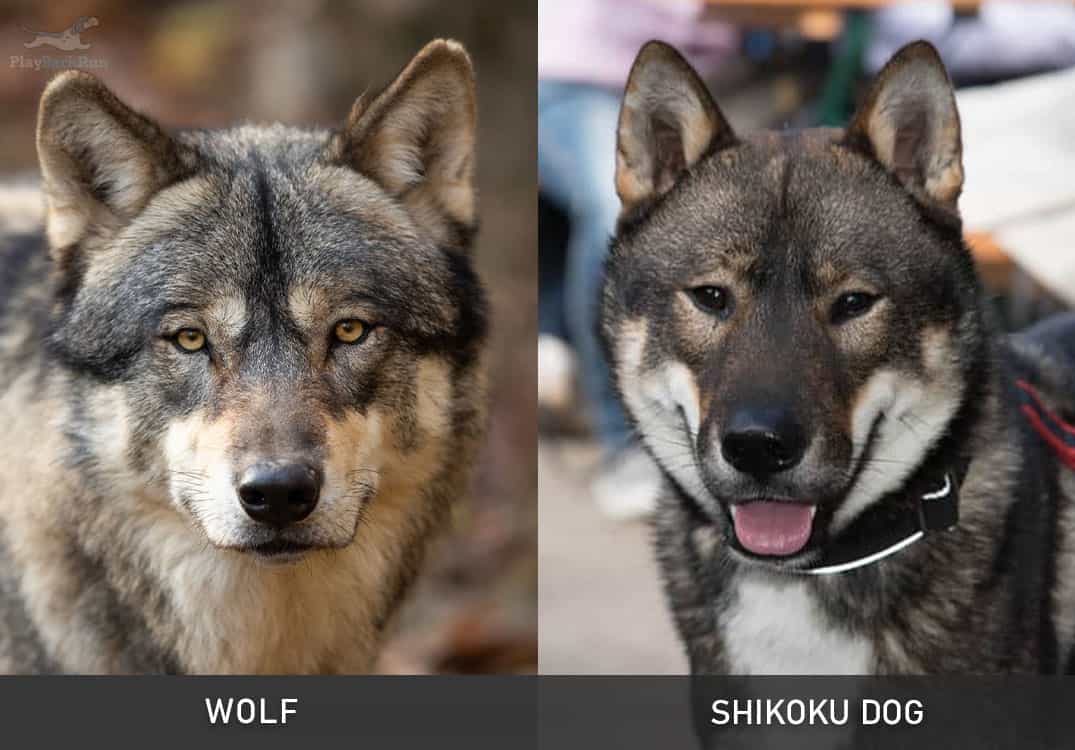
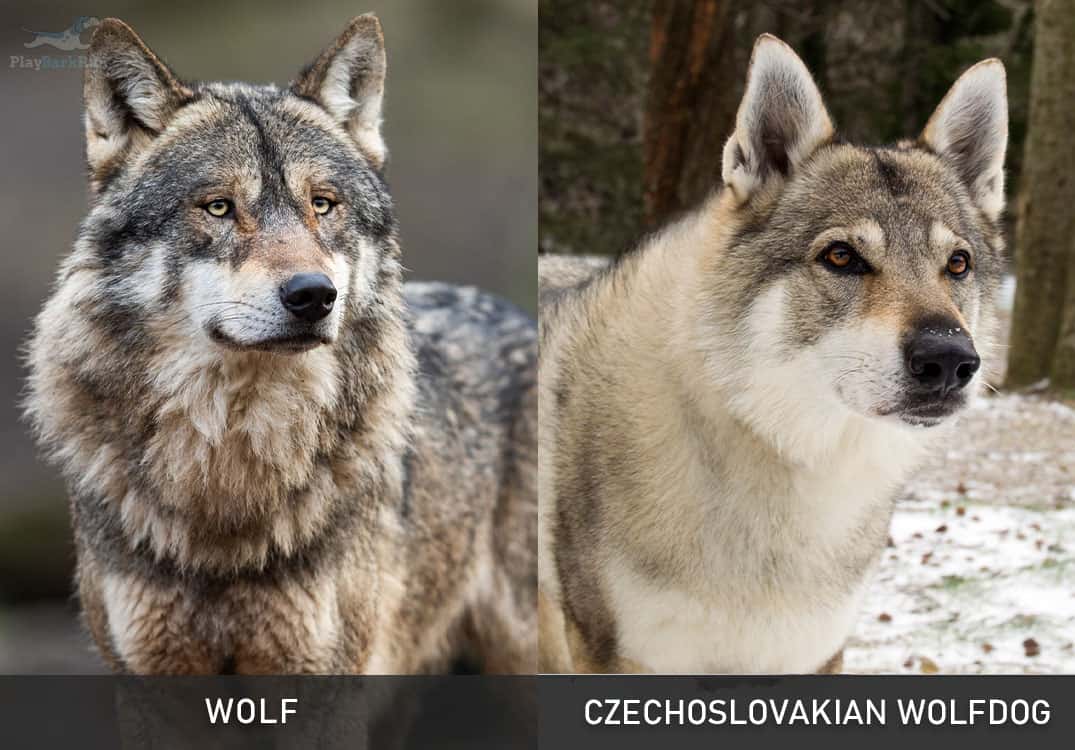
Dog breeds that look like wolves exhibit striking physical resemblances to wild canids while maintaining distinct domestic behavioral profiles, dietary requirements, and healthcare necessities. According to the International Association of Animal Behavior Consultants (IAABC), understanding the specific predatory motor patterns and high-drive instincts of primitive or wolf-like dog types is essential for preventing reactivity and ensuring safe integration into domestic environments. Enthusiasts exploring Dog Breeds must balance aesthetic appreciation with rigorous clinical and behavioral oversight. Managing these animals requires specialized knowledge in canine ethology, precise veterinary monitoring, and targeted nutritional planning to accommodate their unique physiological needs.
Pet Wellness & Behavior Snapshot:
- Core Focus: Safe management, behavioral socialization, and specialized health protocols for wolf-like dog breeds.
- Target Scope: Companion animal caregivers, trainers, and veterinary professionals overseeing primitive canine phenotypes.
- Key Recommendation: Implement early, structured socialization and consult a veterinarian for tailored nutritional and parasitic protection.
Core Principles and Detailed Overview
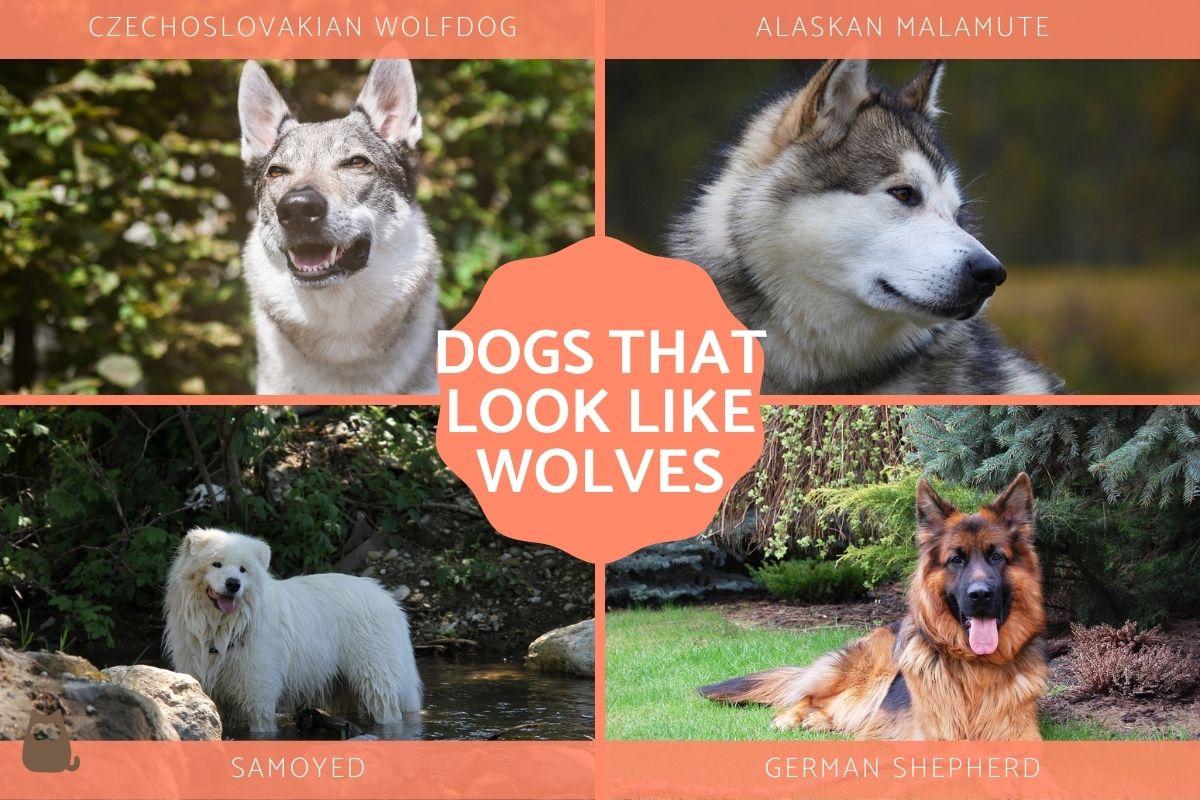
Dog breeds that look like wolves—such as the Alaskan Malamute, Siberian Husky, Czechoslovakian Vlcak, and Saarloos Wolfdog—possess ancient genetic lineages characterized by thick double coats, erect triangular ears, and athletic builds. According to specialists in Dog Behavior, these breeds frequently display heightened independence, strong prey drives, and complex communication signals that differ markedly from typical working or companion groups. Caregivers must evaluate individual temperament rather than relying solely on phenotypic appearance, as genetic heritage heavily influences trainability, escape tendencies, and social tolerance with unfamiliar animals.
Key Specifications and Breakdown
| Observed Indicator / Factor | Veterinary & Behavioral Explanation | Actionable Management Protocol |
|---|---|---|
| High Prey Drive | Ancient predatory motor patterns remain intact, triggering pursuit responses toward smaller animals. | Provide secure, escape-proof fencing and implement rigorous impulse-control training routines. |
| Seasonal Coat Blowing | Dense double coats undergo massive bi-annual shedding driven by photoperiod and temperature changes. | Establish a daily brushing schedule using specialized undercoat rakes to prevent severe matting and skin irritation. |
| Independent Demeanor | Lower predisposition toward human appeasement compared to domestic gundogs, requiring motivation-based handling. | Utilize high-value reward systems and consistency during obedience sessions to build reliable cooperation. |
Strict adherence to year-round parasite prevention is vital for primitive and high-drive canids due to outdoor exposure risks. — American Animal Hospital Association (AAHA)
Step-by-Step Practical Application and Guidelines
Proper care for wolf-like canids demands proactive structuring across daily routines, environmental enrichment, and medical upkeep. Caregivers should consult resources on Dog Care to design appropriate spatial boundaries that thwart digging and jumping attempts. Veterinary health plans must incorporate baseline blood panels, routine orthopedic evaluations for hip and elbow dysplasia, and specialized Dog Nutrition strategies that support high-energy metabolism without precipitating gastrointestinal sensitivities. Regular mental stimulation through puzzle toys and tracking games prevents destructive boredom behaviors associated with captive primitive breeds.
Common Challenges and How to Avoid Them
Misunderstanding the boundary between domestic temperament and wolf-like instinct is the primary driver of behavioral surrender in these populations. Caregivers frequently encounter severe separation anxiety, barrier frustration, and resource guarding when socialization protocols are delayed past the critical juvenile window. Consulting established guidelines within Dog Health helps prevent misdiagnosing behavioral anomalies as purely medical issues, ensuring that training corrections are applied safely and humanely without escalating defensive aggression.
💬 Frequently Asked Questions
Explore More Pet Care and Animal Health Guides on PetsAnimalsWorld
Expanding knowledge on canine anatomy, preventive medicine, and specialized training empowers pet parents to provide exceptional lifelong welfare. Discover additional expert resources, clinical insights, and behavior strategies by visiting the comprehensive library at Pets Animals World to support every stage of the companion animal journey.
Visual Reference Gallery