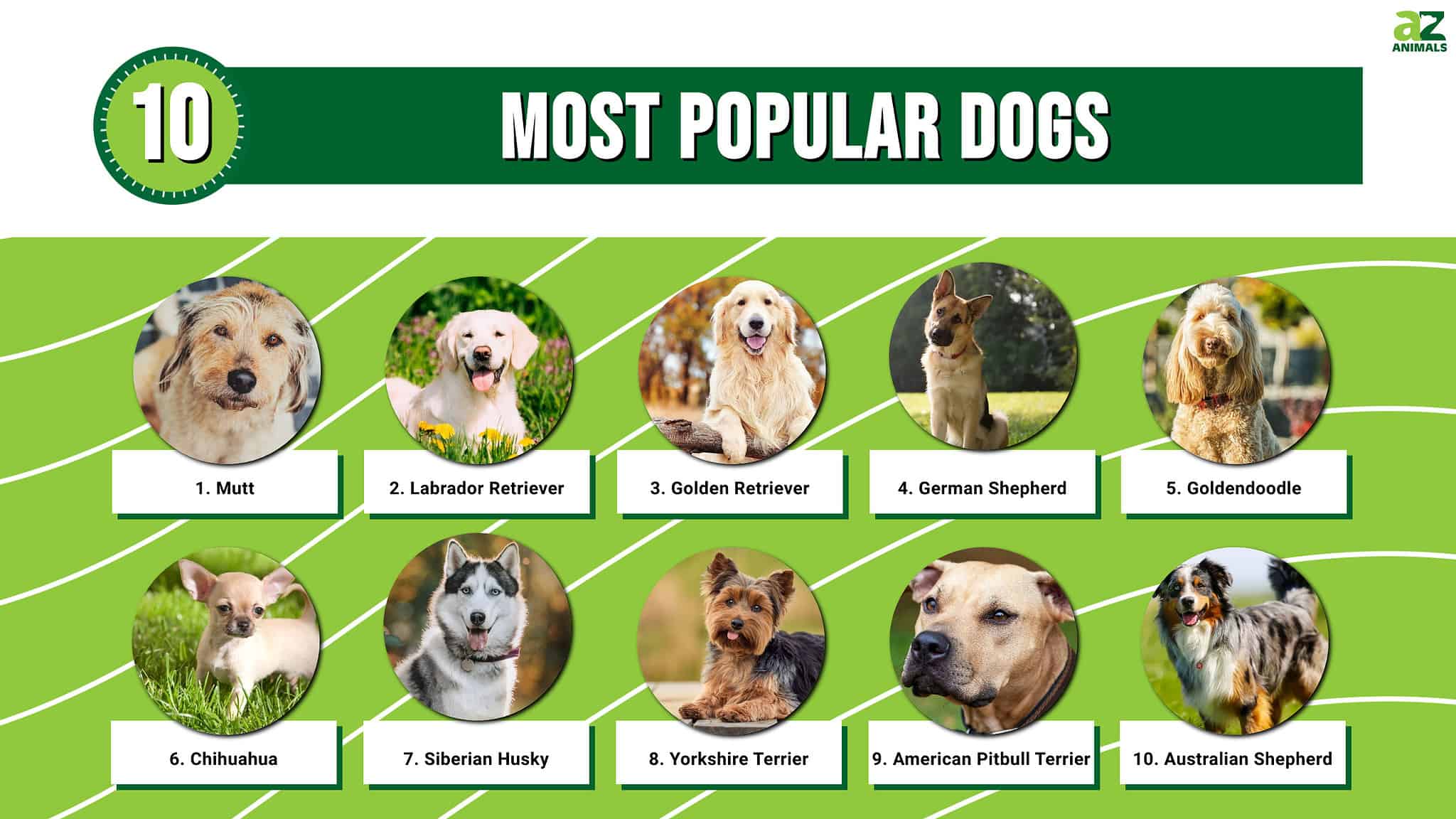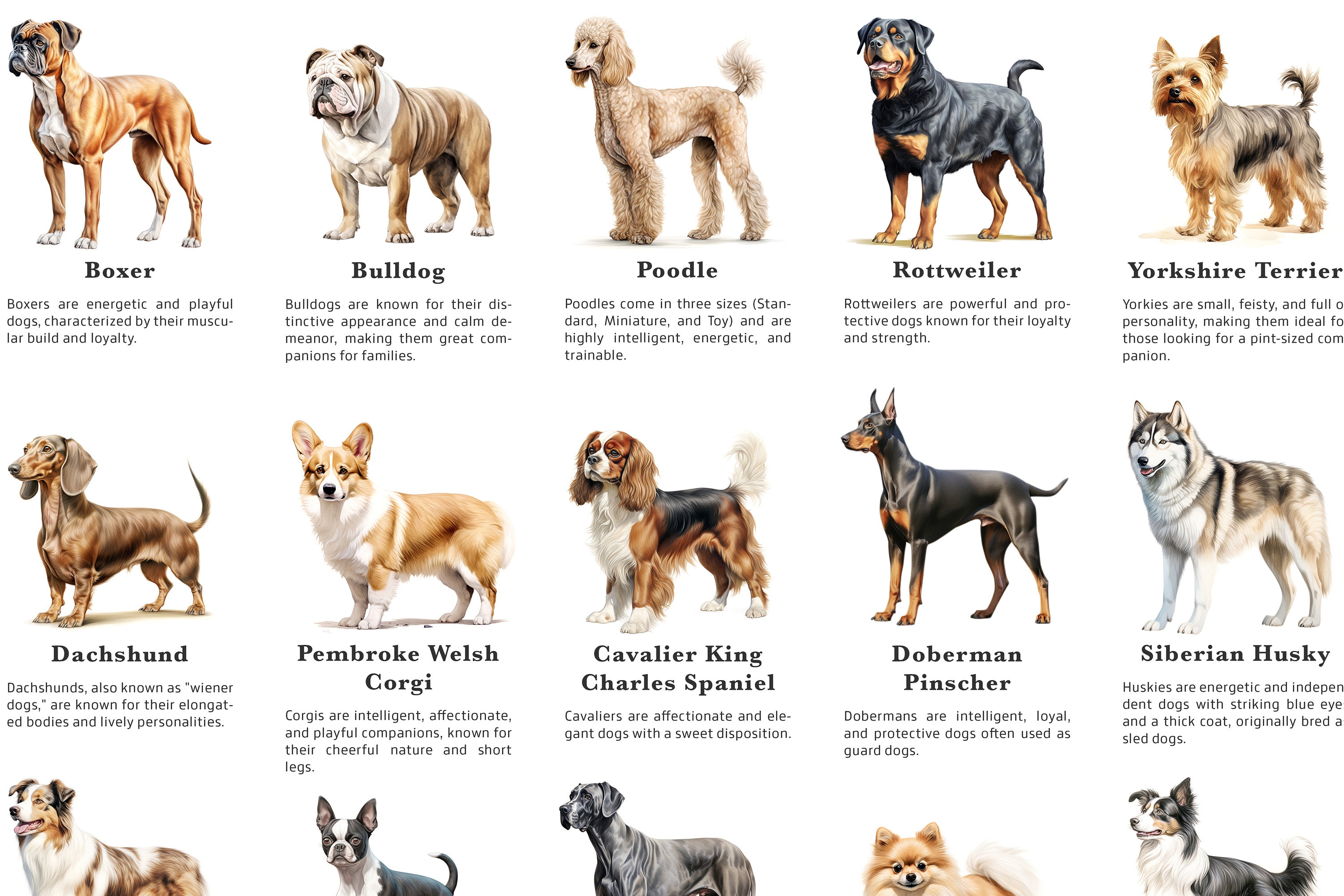
Understanding popular dog breeds in Everyday Pet Care
Choosing to share your home with a canine companion brings immense joy, but successfully integrating them into your daily life requires matching their innate biological drives with your household environment. According to clinical guidelines from the American Veterinary Medical Association (AVMA) and behavioral frameworks established by the International Association of Animal Behavior Consultants (IAABC), understanding the genetic heritage of popular dog breeds helps owners anticipate specific physical and emotional needs. Whether you live with a high-energy working group dog or a companion-focused toy breed, recognizing why your dog acts the way they do allows you to prevent behavioral distress and support lifelong wellness.
💡 Pet Care Key Takeaways:
- Core Focus: Practical health, nutrition, and wellness guidelines for Popular Dog Breeds.
- Target Scope: Pet owners, animal caregivers, and veterinary support staff.
- Best Recommendation: Maintain consistent daily routines and consult an accredited veterinarian before introducing major diet or medical changes.
Signals & Patterns Owners Should Watch
Dogs communicate continuously through subtle shifts in posture, vocalization, and routine habits. As veterinary professionals, we encourage owners to observe changes in micro-expressions—such as lip licking, whale eyes, or lowered tail carriage—as these are early indicators of stress rather than sudden behavioral defiance. Tracking how your dog responds to everyday environmental stimuli helps you catch potential issues before they escalate into chronic anxiety or physical illness. Explore our dedicated Dog Behavior archive for more deep dives into canine communication.
| Observed Sign | Likely Underlying Trigger | Best Owner Response |
|---|---|---|
| Occasional pacing near the door before a routine walk | Anticipatory arousal driven by scheduled daily rhythms | Ignore the pacing until the dog settles, reinforcing calm behavior before exiting. |
| Repetitive paw licking or shadowing chasing when left alone | Boreout, frustration, or separation-related distress | Increase cognitive enrichment, implement puzzle feeders, and consult a certified trainer. |
| Sudden lethargy paired with refusal of favorite meals | Underlying systemic illness, dental pain, or metabolic distress | Log the timeline of symptoms and schedule a prompt veterinary examination. |
Daily Routine Adjustments & Supportive Care
Meeting the daily needs of popular dog breeds goes beyond simple physical exercise; it requires engaging their cognitive and sensory faculties. Incorporating scent games, interactive foraging toys, and reward-based training into your daily schedule fulfills natural predatory sequences safely. Diet also plays a critical role in behavioral stability, as balanced nutrition supports neurotransmitter production and overall vitality. For expert advice on selecting the right meals and portion controls, visit our comprehensive Dog Nutrition section. Furthermore, establishing consistent predictable cues reduces anxiety and fosters a secure bond between you and your companion.
When Home Observation Is Not Enough
While environmental management and positive reinforcement resolve many minor household hurdles, certain clinical signs demand professional veterinary intervention. According to the American Animal Hospital Association (AAHA), sudden behavioral shifts—such as uncharacteristic aggression, severe lethargy, house-soiling in a previously housetrained adult dog, or vocalizing when touched—frequently signal underlying pain or neurological distress. When preparing for a clinic visit, bring detailed notes regarding appetite, water intake, sleep patterns, and short video clips of the concerning behavior. These logs provide your veterinary team with vital diagnostic context that physical exams alone might miss.
Pet Parent Q&A
Why does my high-energy dog destroy household items even after long walks?
Physical exercise alone is often insufficient for working and herding groups that require mental stimulation. Incorporating puzzle toys, obedience training, and scent games helps exhaust their cognitive faculties, preventing boredom-induced destruction.
How can I tell if my dog is panting from heat, exercise, or anxiety?
Anxiety-related panting typically accompanies wide eyes, trembling, and hyper-vigilance, whereas exercise panting gradually subsides with rest. Always check environmental temperature and ensure constant access to fresh water to rule out heat stress.
What is the best way to introduce my dog to new canine friends safely?
Keep initial meetings on neutral territory using loose leashes, allowing both dogs to sniff in a parallel walking motion rather than a direct, face-to-face approach. Monitor body language closely and reward calm, polite greetings.
More Pet Health & Behavior Guides on PetsAnimalsWorld
Supporting your canine companion’s lifelong health requires a blend of reliable knowledge, proactive care, and empathetic observation. For more expert-backed tips, browse our complete library of resources and training guides over at PetsAnimalsWorld.com to ensure your four-legged family member thrives at every life stage.
Visual Reference Gallery