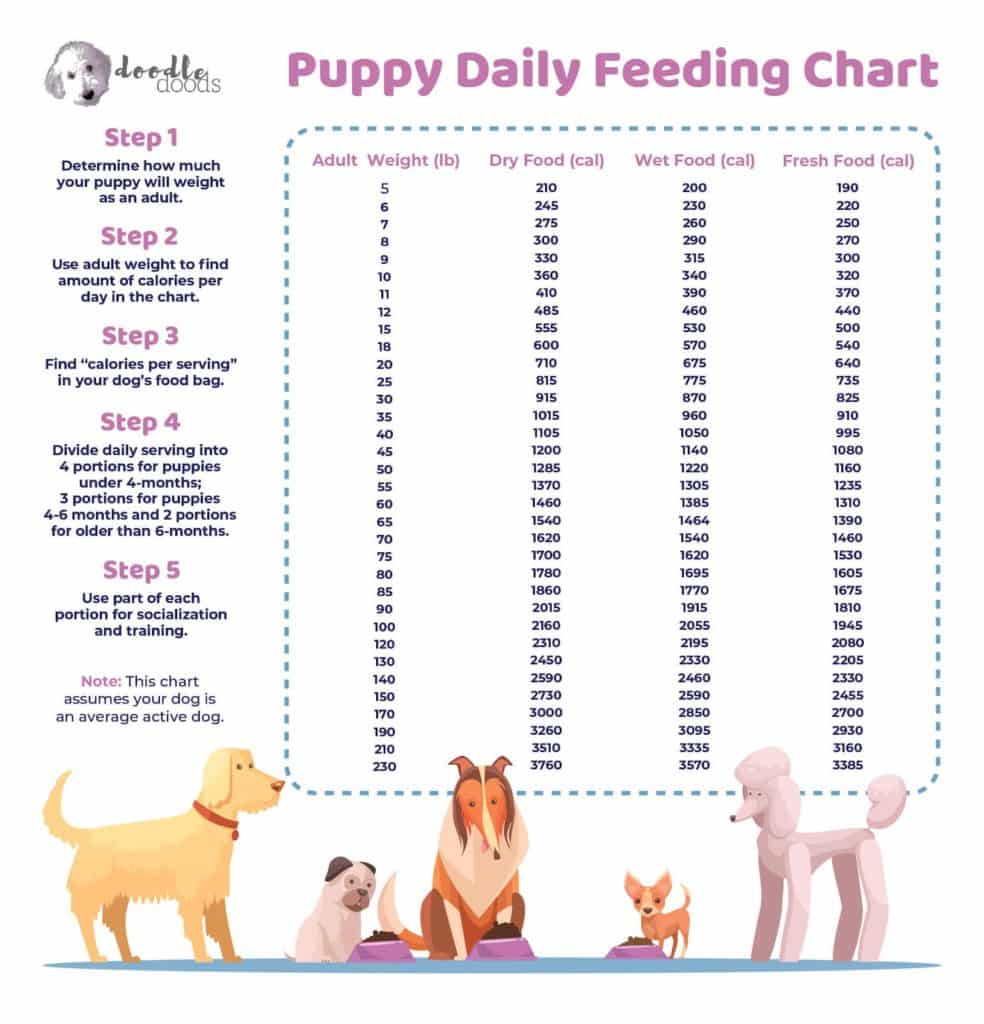
Understanding 4 your health puppy food calories chart printable in Everyday Pet Care
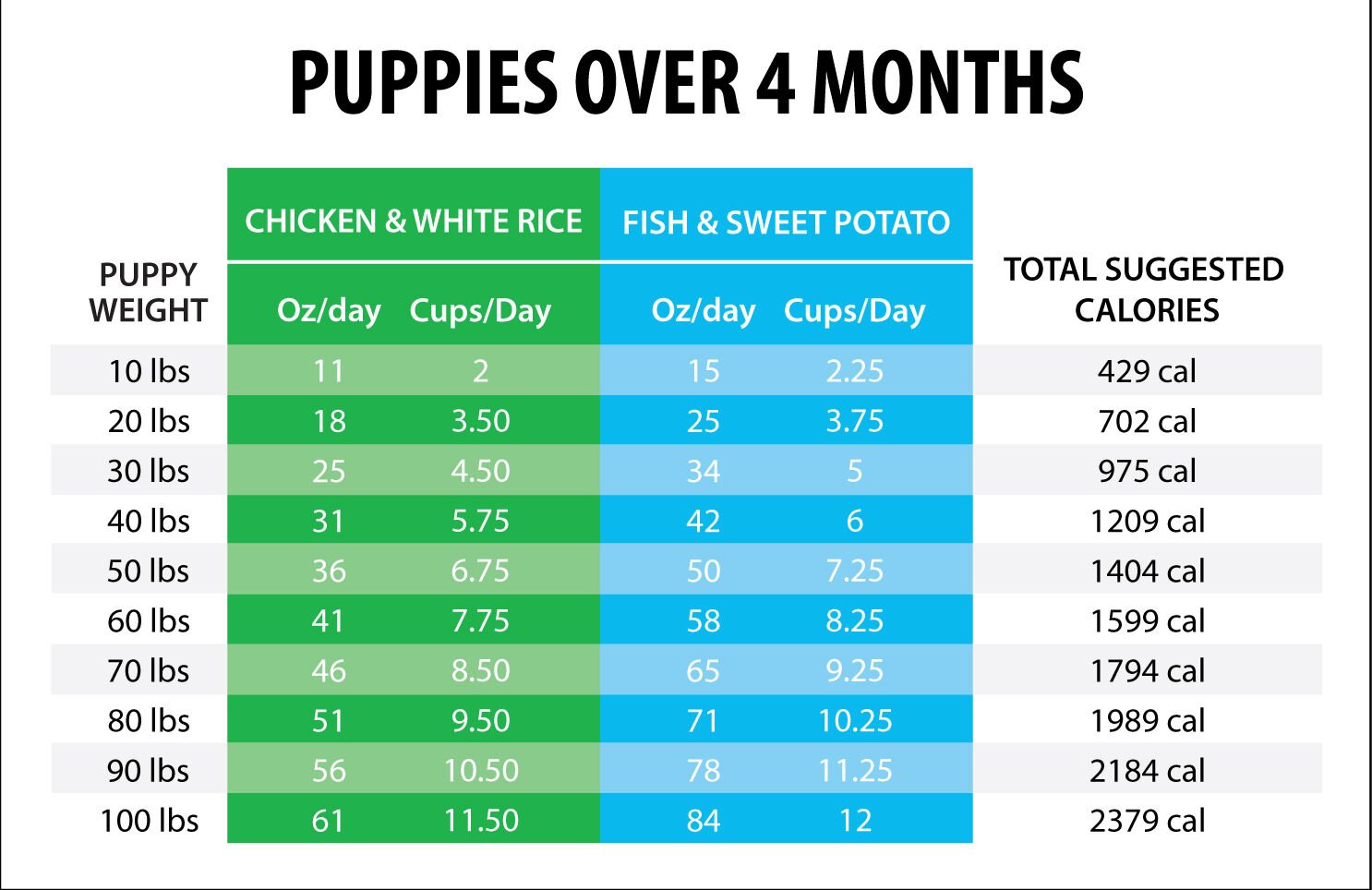
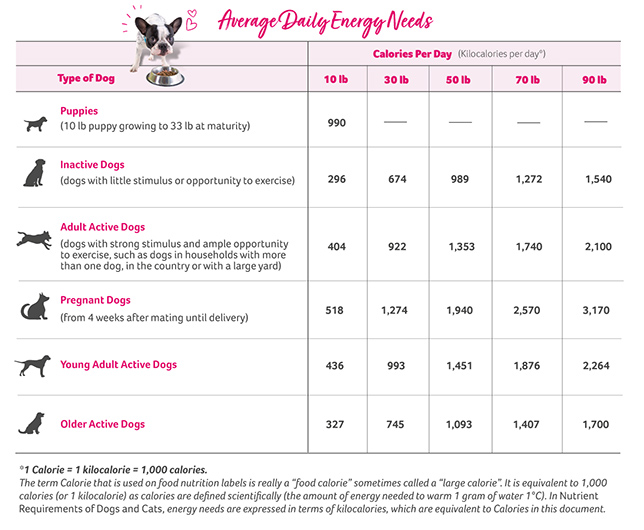
Welcome to a practical, evidence-based look at managing your growing puppy’s daily energy intake. As a veterinary nurse and companion animal behaviorist, I often see pet parents overwhelmed by the sheer volume of feeding guidelines available online. Grounding our choices in clinical frameworks endorsed by the American Animal Hospital Association (AAHA) helps strip away the guesswork. When you utilize a structured tool like a 4 your health puppy food calories chart printable, you are taking a proactive step toward supporting optimal skeletal development, metabolic stability, and lifelong wellness. Proper caloric management prevents rapid, uncoordinated bone growth that can otherwise strain developing joints, ensuring your puppy transitions smoothly into a healthy, energetic adult dog. Explore more in our Dog Health category.
💡 Pet Care Key Takeaways:
- Core Focus: Practical health, nutrition, and wellness guidelines for 4 Your Health Puppy Food Calories Chart Printable.
- Target Scope: Pet owners, animal caregivers, and veterinary support staff.
- Best Recommendation: Maintain consistent daily routines and consult an accredited veterinarian before introducing major diet or medical changes.
Signals & Patterns Owners Should Watch
Interpreting your puppy’s physical cues requires a balanced blend of behavioral observation and physiological tracking. According to guidance from the American Veterinary Medical Association (AVMA), monitoring body condition scores alongside routine weight checks is far more accurate than relying on a scale alone. Watch for shifts in energy levels, stool consistency, and eagerness at mealtime. Keeping close tabs on these patterns allows you to spot subtle shifts before they turn into chronic issues, helping you adjust portion sizes with confidence.
| Observed Sign | Likely Underlying Trigger | Best Owner Response |
|---|---|---|
| Mild food begging between scheduled meals | Normal metabolic growth spurt or rapid calorie burn | Incorporate puzzle feeders or consult your Dog Nutrition guide to redistribute meals. |
| Eager pacing or vocalizing right before feeding time | Learned behavioral anticipation or fixed routine habit | Modify mealtime cues, practice calm-down sits, and review Dog Behavior basics. |
| Sudden weight drop or persistent soft stool despite correct portions | Underlying parasitic infection or potential nutritional malabsorption | Consult your veterinarian immediately and schedule a diagnostic fecal examination. |
Daily Routine Adjustments & Supportive Care
Translating numerical caloric goals into daily life involves thoughtful environmental enrichment and structured feeding routines. Instead of offering meals in a traditional static bowl, consider spreading your puppy’s kibble across interactive slow-feeder toys, snuffle mats, or training sessions. This mental stimulation satisfies predatory sequence instincts while naturally slowing down ingestion speed, which minimizes the risk of dangerous gastric distress. Additionally, keeping feeding times consistent helps anchor your puppy’s circadian rhythm, reducing anxiety-driven begging behaviors throughout the day. For more comprehensive tips on keeping your canine companion thriving, explore our expert resources on Dog Care.
When Home Observation Is Not Enough
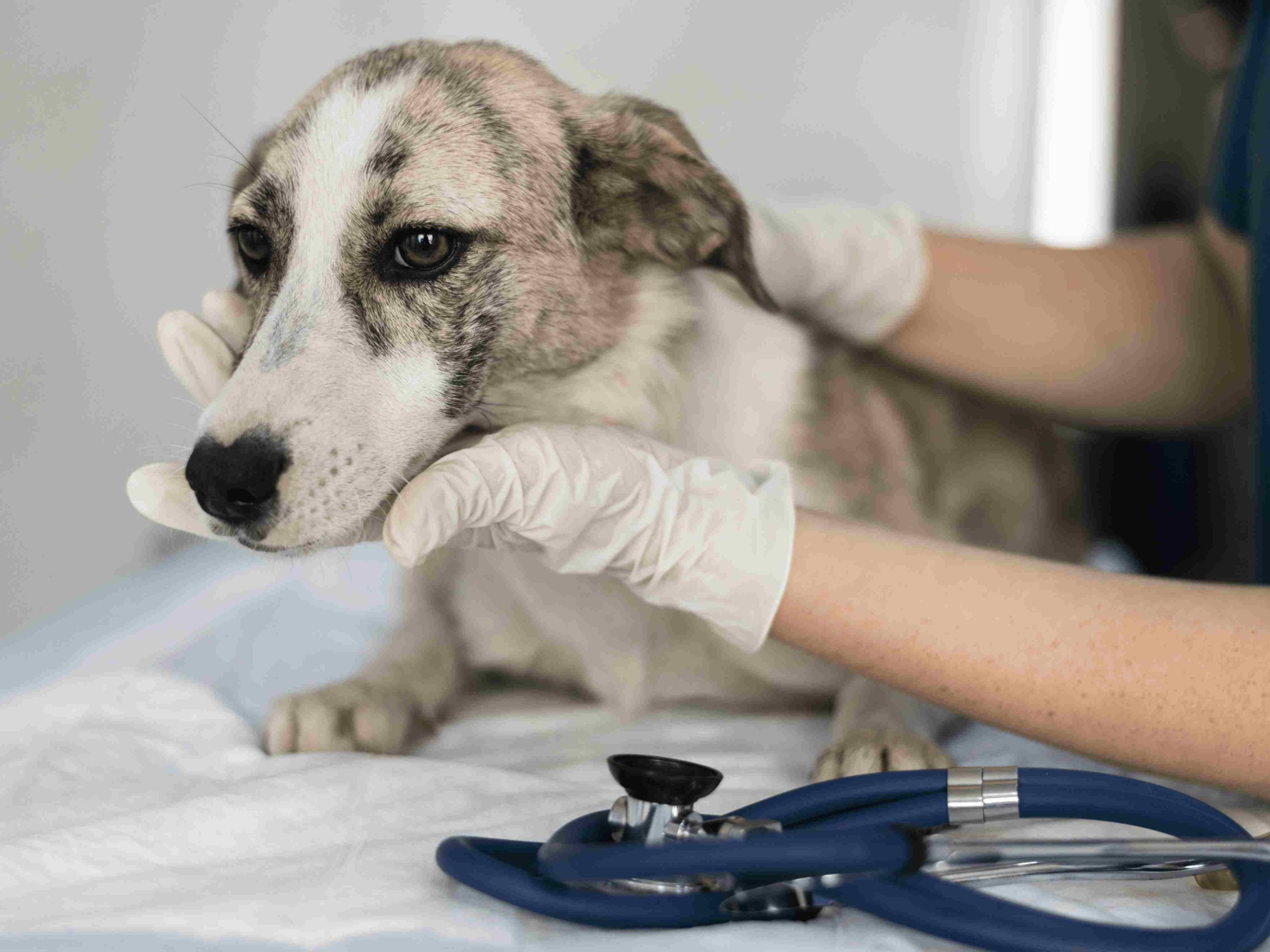
While tracking portions with a reliable chart keeps most puppies on track, knowing when to seek professional veterinary intervention is critical. If your puppy exhibits lethargy, refuses food for more than two consecutive meals, or experiences unexplained vomiting alongside weight stagnation, it is time to visit the clinic. When you arrive, bring a detailed feeding log, recent weight measurements, and a short video of any concerning behaviors. This objective data empowers your veterinary team to formulate an accurate diagnosis and tailor a medical or dietary intervention swiftly.
Pet Parent Q&A
How often should I recalculate my puppy’s daily caloric intake using a printable chart?
Puppies grow at exponential rates, particularly during their first six months of life. It is best to review and adjust your calculations every two to three weeks to account for steady weight gains and changing metabolic needs.
Can I include healthy treats when tracking my puppy’s daily food calories?
Yes, but treats should never exceed ten percent of your puppy’s total daily caloric allowance. Always subtract treat calories from their main meals to prevent unintended weight gain and nutritional imbalances.
Are commercial puppy foods interchangeable when using a standard calorie calculation?
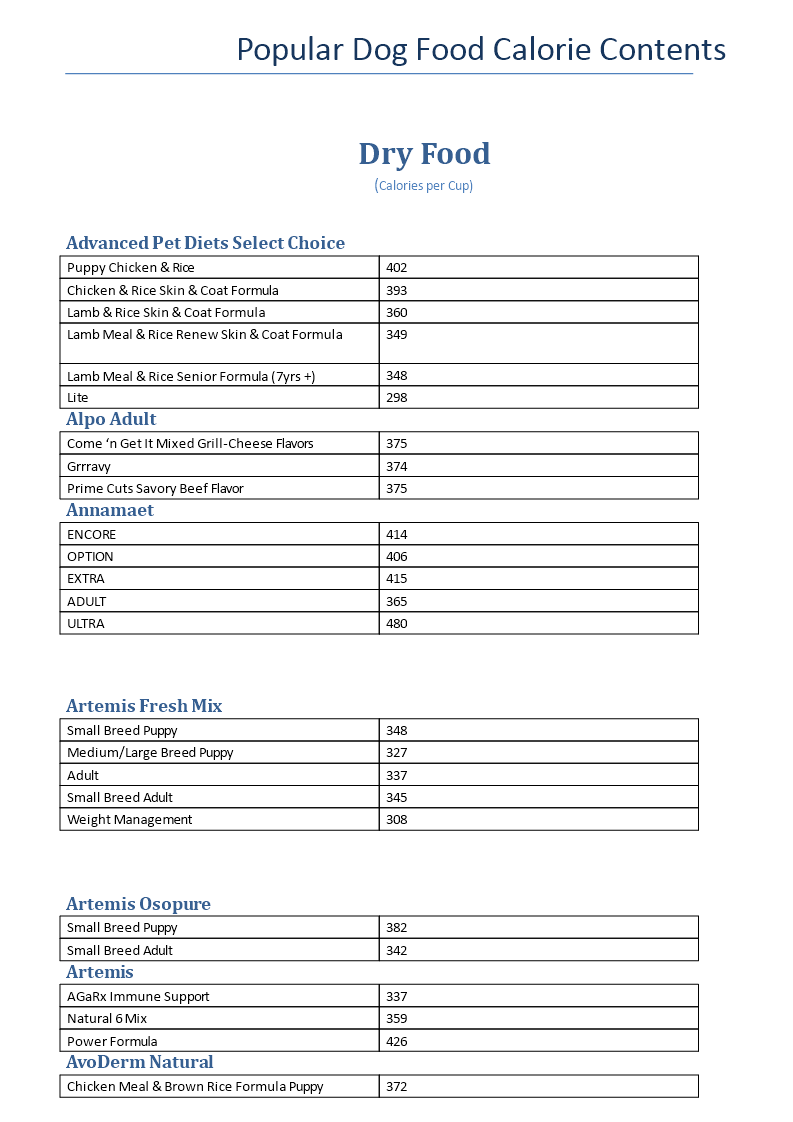
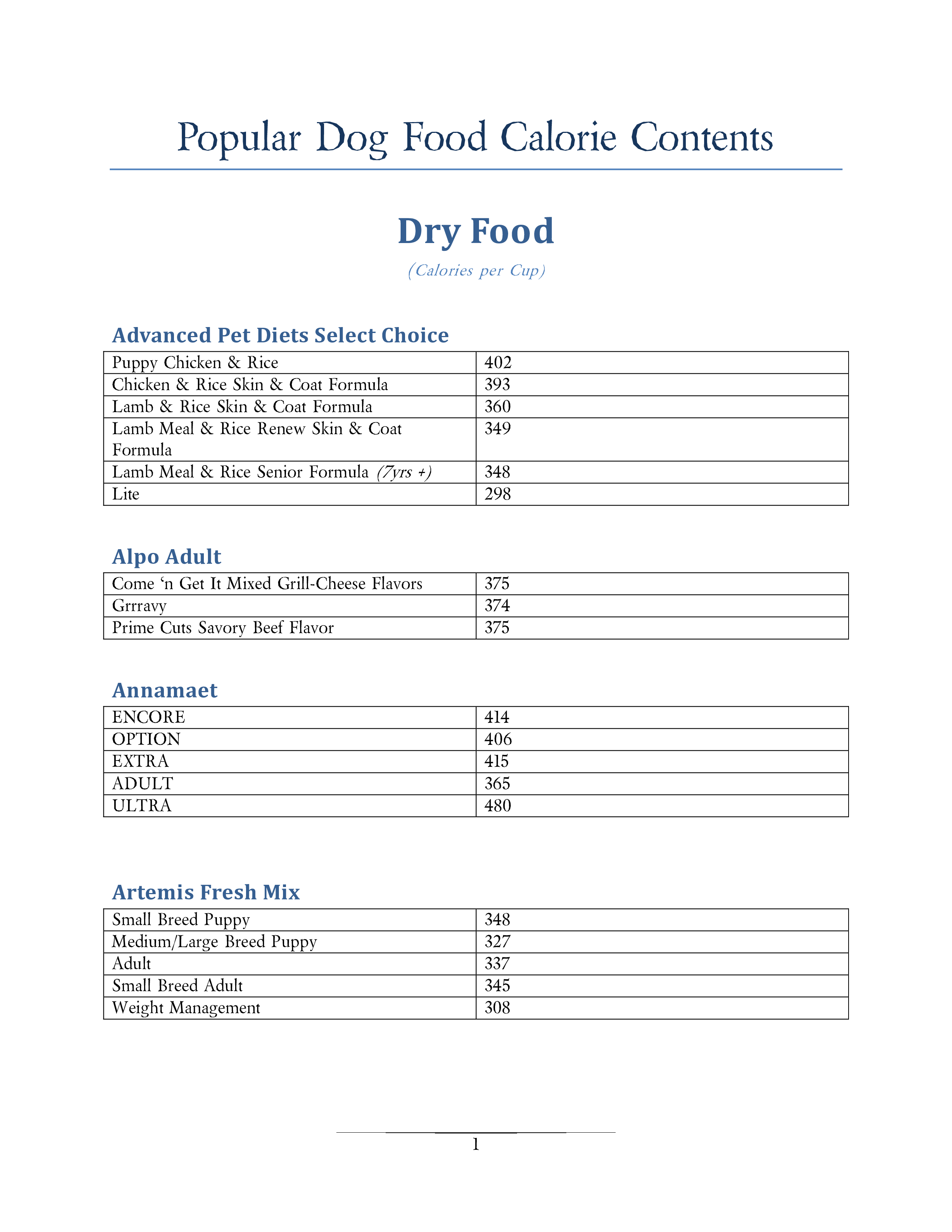
Not all puppy formulas share the same nutrient density or kilocalorie count per cup. Always check the specific guaranteed analysis and kilocalorie statement on your chosen brand’s packaging to ensure your calculations remain accurate.
More Pet Health & Behavior Guides on PetsAnimalsWorld
Empowering yourself with accurate, science-backed knowledge is the cornerstone of exceptional animal guardianship. Discover more expert tips, training tutorials, and wellness resources by visiting PetsAnimalsWorld.com today.
Visual Reference Gallery