Understanding free shaping dog training definition in Everyday Pet Care
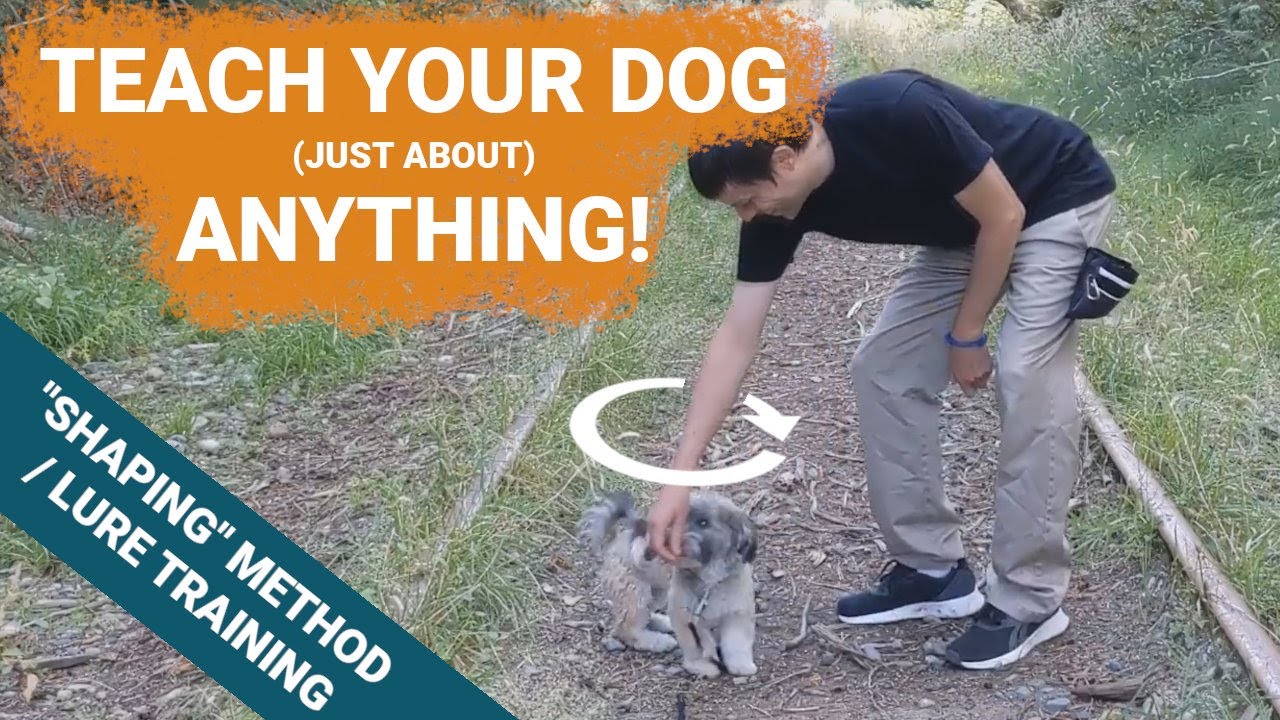
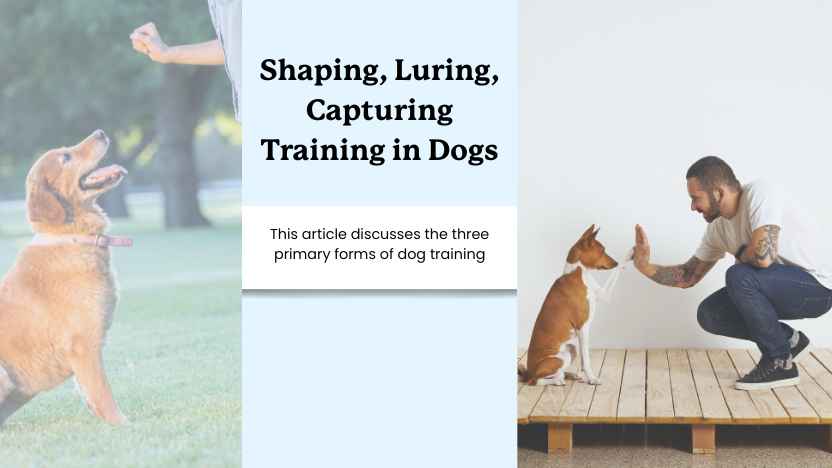
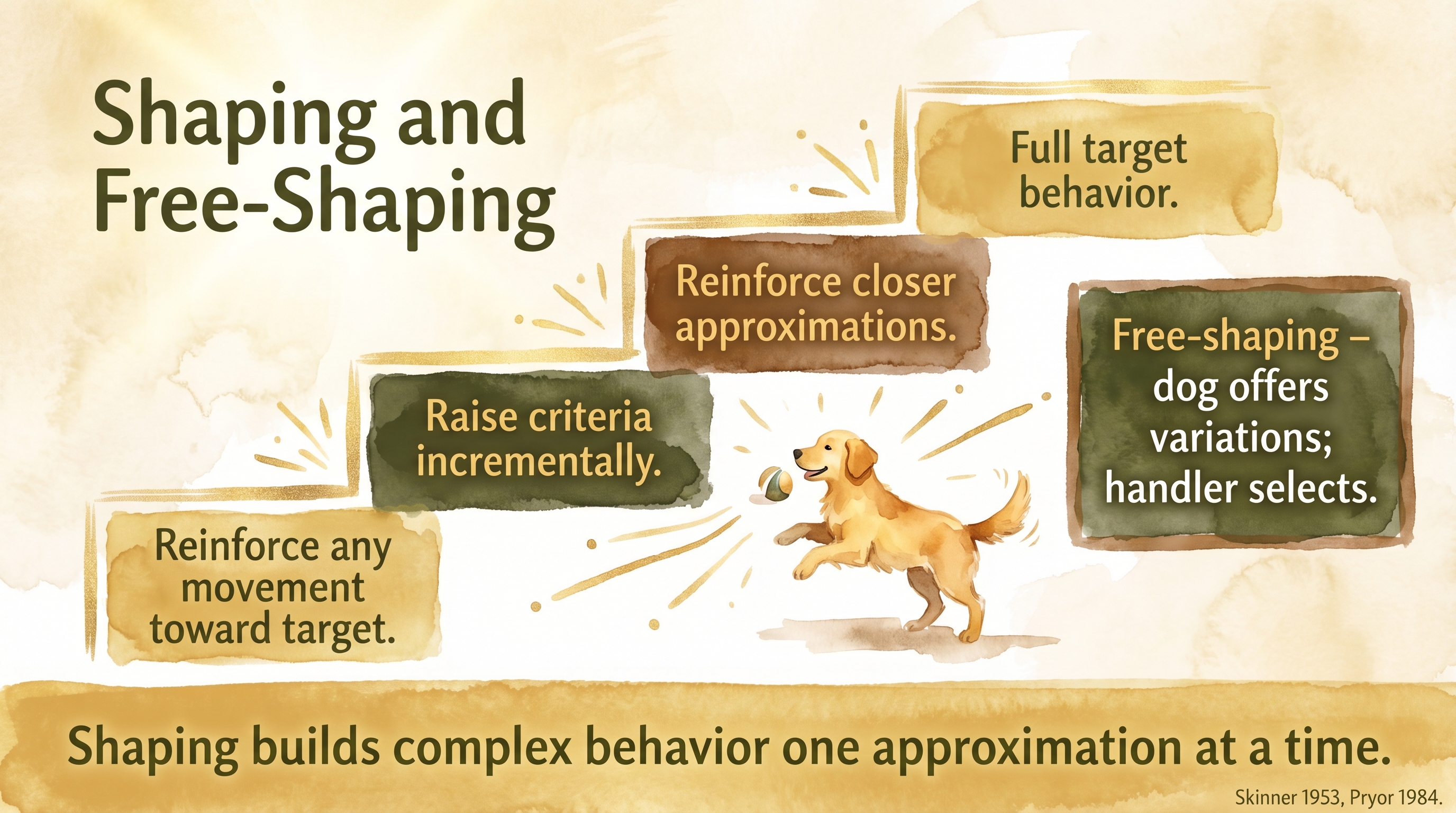
When teaching companion animals new skills, modern veterinary behavior and professional training standards emphasize methods that foster emotional well-being and active problem-solving. According to guidelines supported by the International Association of Animal Behavior Consultants, empowering dogs to think independently reduces frustration and builds confidence. Exploring the free shaping dog training definition reveals a technique where a dog offers behaviors voluntarily without being physically lured or manually guided into position. By utilizing the marker signal to capture small, incremental movements toward a final goal, owners can transform basic obedience into an engaging mental workout that taps into natural canine curiosity and biological drives.
💡 Pet Care Key Takeaways:
- Core Focus: Practical health, nutrition, and wellness guidelines for Free Shaping Dog Training Definition.
- Target Scope: Pet owners, animal caregivers, and veterinary support staff.
- Best Recommendation: Maintain consistent daily routines and consult an accredited veterinarian before introducing major diet or medical changes.
Signals & Patterns Owners Should Watch
Observing your dog during learning sessions helps you tailor the pace to their individual temperament. Dogs processing new concepts will display clear indicators of cognitive engagement, excitement, or potential cognitive overload. Understanding these subtle body language shifts ensures that training remains a positive experience rather than a source of chronic stress. For more related activities, check out our Dog Training Zimmerman Mn.
| Observed Sign | Likely Underlying Trigger | Best Owner Response |
|---|---|---|
| Soft eyes, loose body posture, repetitive offering of distinct behaviors | Healthy cognitive engagement and excitement about problem-solving | Mark and reward immediately to reinforce the trial-and-error mindset |
| Yawning, lip-licking, sniffing the ground, or looking away | Mild mental fatigue or processing overload during free shaping | Take a short enrichment break or simplify the current criteria |
| Sudden freezing, excessive panting, whale eye, or hiding behind furniture | High anxiety, frustration, or confusion regarding expectations | Stop the session entirely, lower the difficulty baseline, and consult resources under Dog Behavior if stress persists |
Daily Routine Adjustments & Supportive Care
Integrating structured mental exercise into your dog’s daily routine supports optimal neurological health and prevents destructive boredom. When working through complex tasks, keep training sessions brief—ranging from three to five minutes—to match canine attention spans. Align these sessions with portion-controlled meal times to utilize kibble as a primary reinforcer, supporting healthy Dog Nutrition standards while reducing resource dependency on heavy treats. Additionally, ensure your dog receives adequate physical exercise and rest in a quiet environment so their brain can consolidate newly learned concepts effectively.
When Home Observation Is Not Enough
While positive reinforcement and independent problem-solving are wonderful tools for general obedience, sudden changes in a dog’s ability to learn or concentrate can sometimes signal underlying medical issues. In accordance with American Animal Hospital Association wellness recommendations, any abrupt drop in cognitive performance, reluctance to move, or signs of pain during physical manipulation warrant a professional veterinary evaluation. When visiting your clinic, bring brief video recordings of your dog’s behavior at home, a log of their daily diet, and notes on recent environmental changes to assist your veterinarian in ruling out discomfort, sensory decline, or neurological conditions.
Pet Parent Q&A
What is the core free shaping dog training definition?
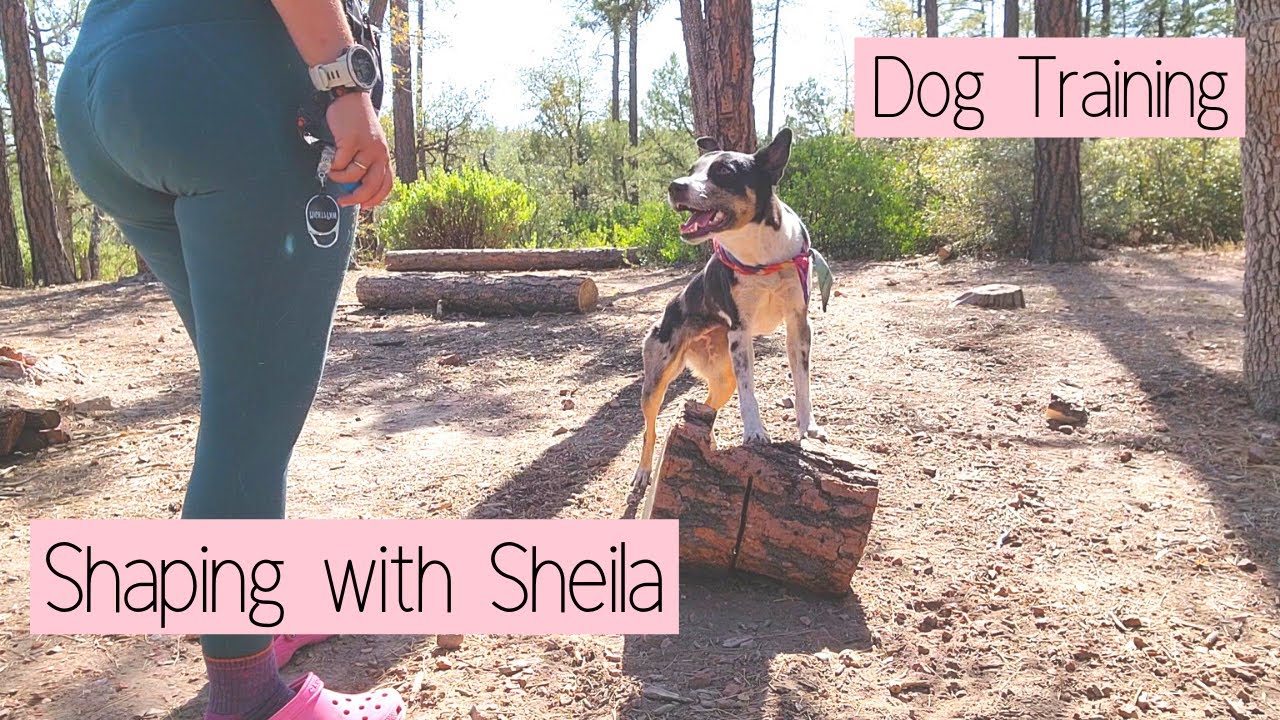
Free shaping is an operant conditioning method where a dog is rewarded for offering tiny, incremental movements toward a goal behavior without physical luring. The animal learns to experiment, think critically, and figure out the puzzle independently while the owner marks and reinforces desired actions.
How do I prevent my dog from getting frustrated during shaping sessions?
Frustration typically occurs when the criteria for a reward are raised too quickly or the end goal is unclear. To keep sessions enjoyable, break down complex behaviors into tiny, achievable steps and ensure your rate of reinforcement is high, especially for beginners.
Can free shaping be used for dogs with physical limitations or older seniors?
Yes, free shaping is exceptionally well-suited for senior dogs or pets with mobility challenges because exercises can be tailored to stationary tasks. You can shape subtle movements like touching a target with their nose, shifting weight, or lifting a paw, which provides excellent mental enrichment without physical strain.
More Pet Health & Behavior Guides on PetsAnimalsWorld
Discover expert-backed advice on canine wellness, positive obedience methods, and specialized care tips by visiting our comprehensive library at PetsAnimalsWorld.com to support your journey through Dog Training.
Visual Reference Gallery