Understanding the Role of Extra-Large Canine Elimination Surfaces
House-training a companion animal involves careful planning, environmental management, and selecting appropriate tools to encourage proper elimination habits. According to the American Society for Prevention of Cruelty to Animals (ASPCA), successful indoor elimination management relies heavily on consistency, positive reinforcement, and providing clearly designated surfaces that meet an animal’s physical needs. For large breeds, senior canines experiencing mobility challenges, or recovering patients, standard indoor surface options often prove inadequate due to restricted dimensions. Managing indoor sanitation requires materials capable of absorbing substantial volume while protecting household flooring, making specialized large-format equipment an essential consideration in modern domestic animal husbandry.
💡 Pet Care Key Takeaways:
- Core Focus: Practical health, nutrition, and wellness guidelines for Dog Xl Training Pads.
- Target Scope: Pet owners, animal caregivers, and veterinary support staff.
- Best Recommendation: Maintain consistent daily routines and consult an accredited veterinarian before introducing major diet or medical changes.
Defining Extra-Large Indoor Elimination Products
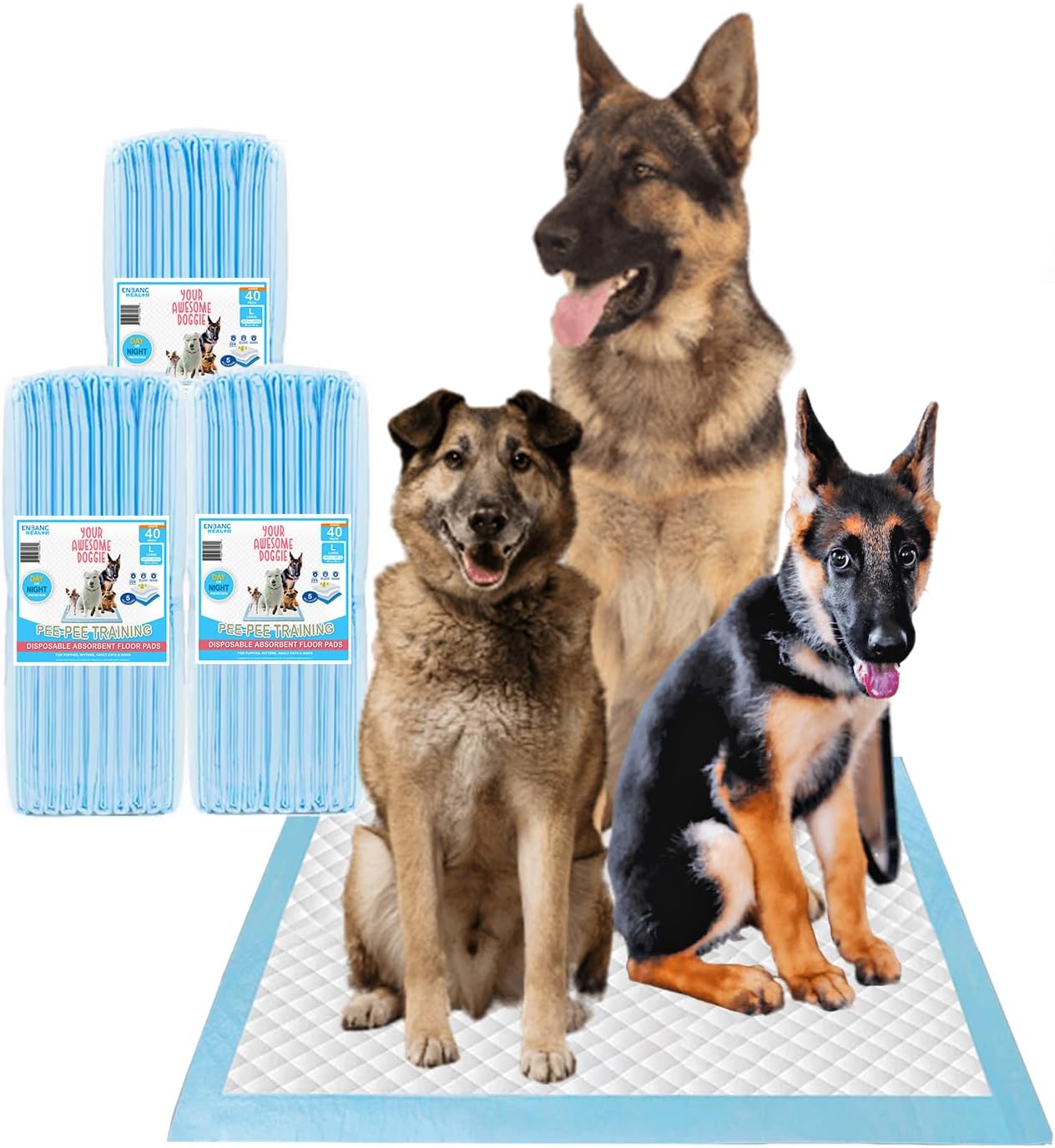
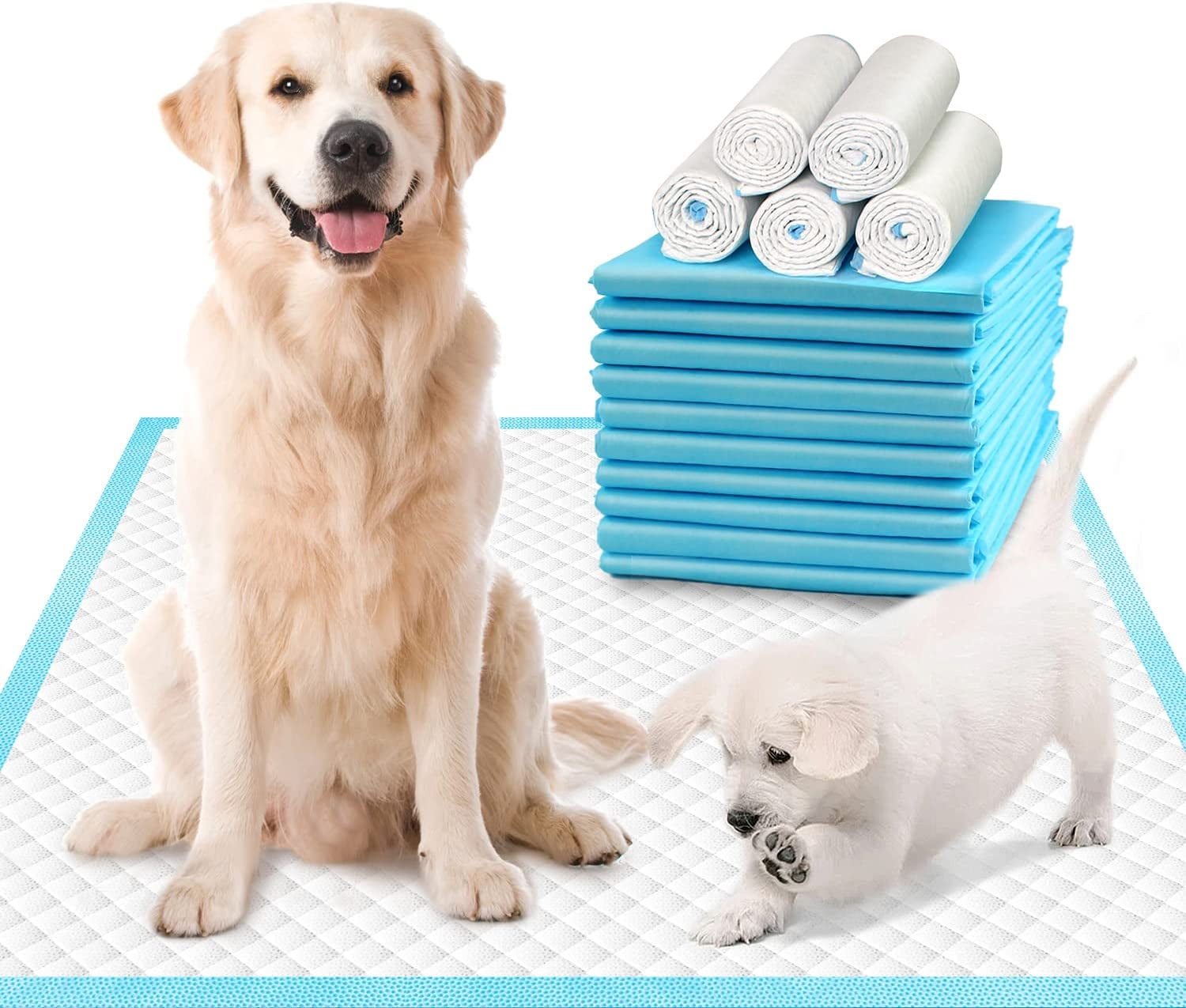
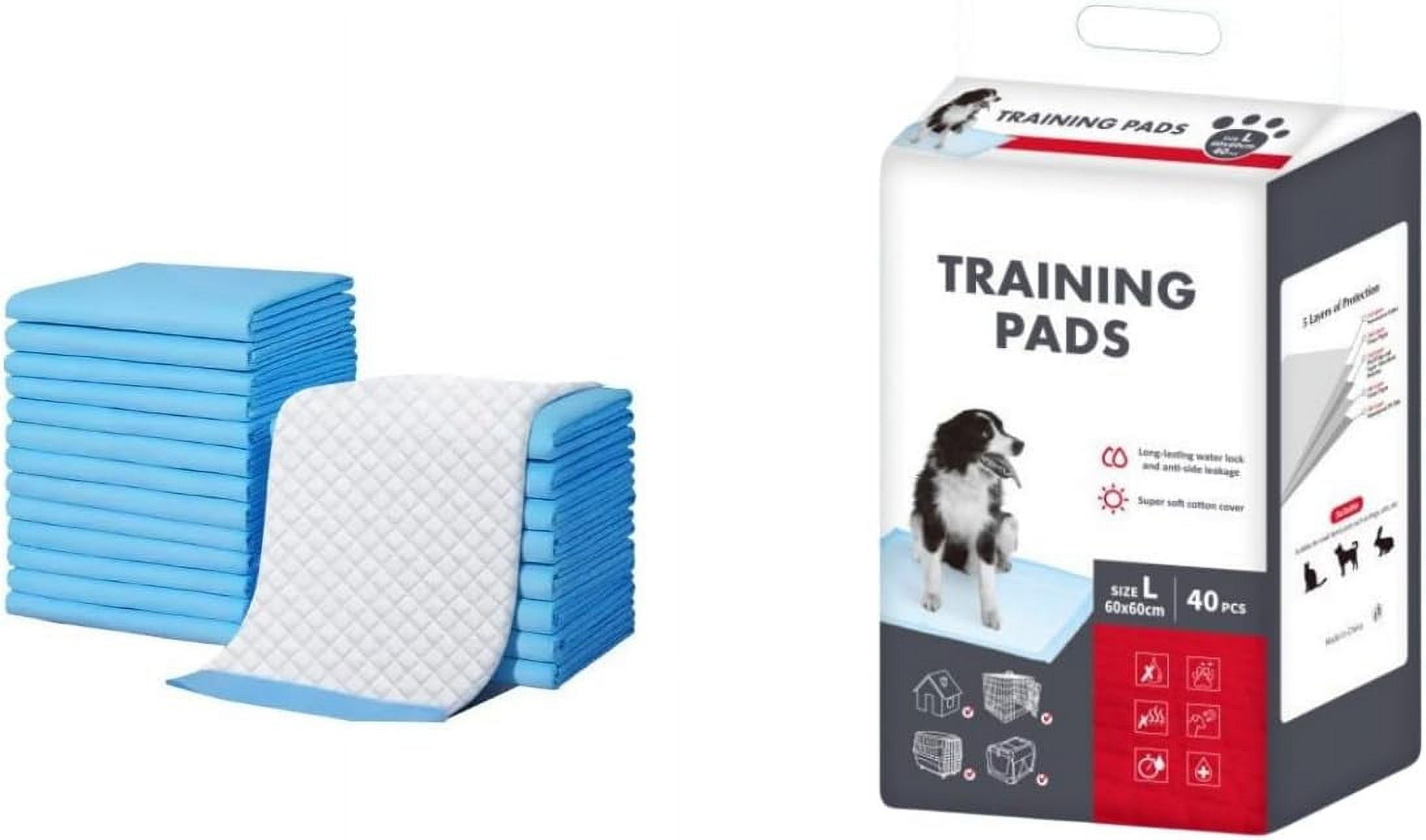
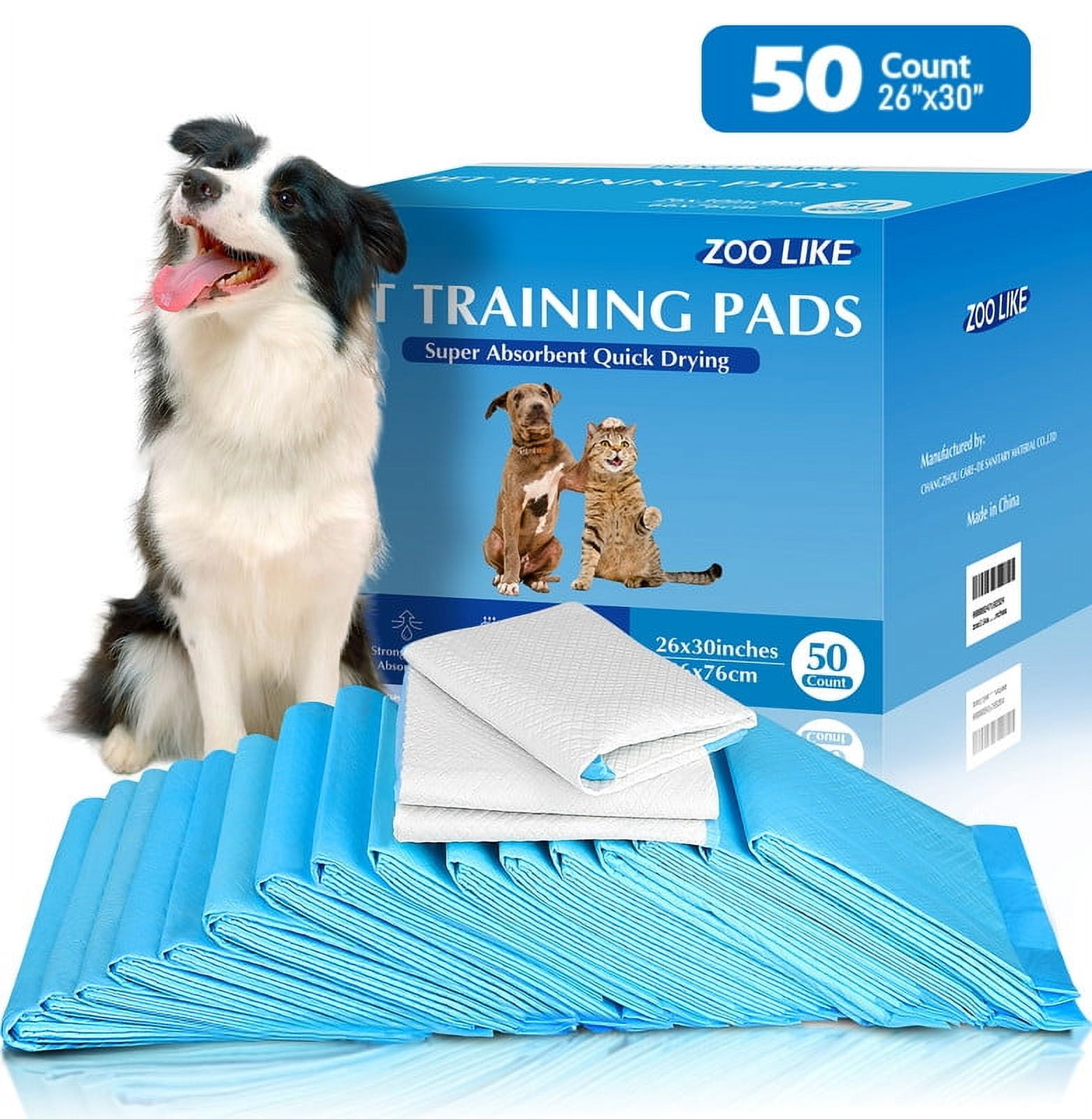
Dog xl training pads refer to oversized absorbent mats designed specifically to capture liquid waste and prevent leakage across expansive surface areas. These products typically feature multiple layered constructions, including a quick-drying top sheet, a super-absorbent polymer core that transforms moisture into a gel, and a waterproof plastic lining on the bottom to safeguard underlying flooring. The extra-large dimensions provide sufficient space for larger breeds to step entirely onto the material without awkward positioning, reducing accidental misses that frequently happen on standard, smaller alternatives. Multi-layered polymer designs ensure that liquid is locked away efficiently, maintaining a dry surface layer that prevents tracking and unpleasant household odors.
Impact on Canine Comfort and Household Sanitation
Proper spatial accommodation directly influences an animal’s willingness to utilize designated indoor facilities without hesitation or distress. When a surface accommodates a dog’s full body length and natural turning behavior, the animal feels secure and comfortable, which supports consistent habits and reduces anxiety associated with confined elimination areas. Furthermore, high-capacity absorption technology minimizes airborne ammonia concentrations and keeps paws clean, protecting household hygiene and promoting better general indoor air quality for all family members.
Proper environmental management and appropriately sized indoor elimination surfaces significantly reduce household accidents during house-training periods. — American Society for Prevention of Cruelty to Animals
Best Practices for Implementing Large-Format Mats
Establishing a reliable indoor elimination routine requires strategic placement, consistent positive reinforcement, and gradual environmental adjustments. Placing the absorbent surface in a quiet, easily accessible location away from heavy household traffic ensures the animal feels secure during use. Caregivers should introduce the designated area calmly, utilizing verbal praise or high-value treats immediately after successful utilization to reinforce the desired behavior. Transitioning away from indoor surfaces toward outdoor elimination should happen gradually as the animal grows or regains physical mobility, ensuring long-term adaptability and proper outdoor habits.
Strategic Guidelines and Common Errors to Avoid
Effective management of indoor sanitation avoids punitive measures, focusing instead on environmental control and consistent positive reinforcement. A common mistake involves placing absorbent mats in high-traffic hallways or noisy spaces, which can startle animals and cause them to avoid the designated zone entirely. Additionally, waiting too long between surface refreshes can lead to reluctance, as many canines naturally avoid areas with accumulated waste. Regular monitoring, prompt disposal of used materials, and maintaining clean surrounding floors encourage consistent habits without inducing stress.
Positive reinforcement methods paired with consistent environmental cues yield superior behavioral outcomes compared to punitive corrective actions. — American Kennel Club
Pet Care & Wellness Overview Table
| Life Stage | Daily Activity Level | Key Nutrition / Care Focus |
|---|---|---|
| Puppy / Kitten | High (frequent short bursts) | High-protein growth diet & early socialization |
| Adult Companion | Moderate (30–60 mins daily) | Balanced maintenance nutrition & dental hygiene |
| Senior Pets | Low to Gentle (mindful walks) | Joint support (Glucosamine) & routine vet checks |
Images References






Breed, Age, and Physical Considerations
Physical maturity, skeletal health, and breed dimensions dictate the necessity for oversized indoor sanitation tools. Giant breeds, such as Mastiffs or Great Danes, simply cannot position themselves comfortably on standard puppy pads, making extra-large options a physiological necessity rather than a mere convenience. Similarly, geriatric canines suffering from canine cognitive dysfunction or progressive joint stiffness benefit immensely from expansive, low-profile surfaces that require minimal lifting of limbs or awkward turning maneuvers within restricted boundaries.
When to Seek Professional Guidance
Persistent indoor elimination failures or sudden changes in bathroom habits warrant prompt professional evaluation to rule out underlying medical conditions. A licensed veterinarian should examine animals exhibiting sudden incontinence, pain during urination, increased thirst, or frequent straining, as these signs often indicate urinary tract infections, metabolic disorders, or renal disease. For behavioral hurdles that do not resolve with standard management techniques, consulting a qualified, certified professional trainer or veterinary behaviorist ensures that humane, science-based intervention strategies are implemented safely.
Supporting Canine Wellness at Home
Maintaining optimal domestic harmony involves continuous learning, careful observation, and utilizing appropriate tools tailored to individual animal requirements. By combining high-quality management supplies with patient, positive reinforcement, owners can support their companions through every life stage, from puppyhood to senior care. Exploring specialized resources on Dog Training, understanding specific Dog Breeds, and prioritizing overall Dog Health ensures a thriving, balanced life for every canine companion. Visit PetsAnimalsWorld.com for further guidance on responsible pet parenting and Dog Care.