Understanding appliance wiring diagrams in Everyday Pet Care
When companion animals begin showing an intense, obsessive interest in hidden household infrastructure—such as the complex paths traced by an appliance wiring diagram behind refrigerators or entertainment units—it often signals an underlying behavioral or environmental need. As veterinary nurses and behaviorists grounded in guidelines from the American Animal Hospital Association (AAHA) and the International Association of Animal Behavior Consultants (IAABC), we know that animals do not destroy or obsess over utility lines out of malice. Instead, they respond to auditory triggers like high-frequency electrical hums, tactile textures, or displaced anxiety. Recognizing how these invisible stimuli affect your pet allows you to protect both your furry companion and your home safety.
💡 Technical Key Takeaways:
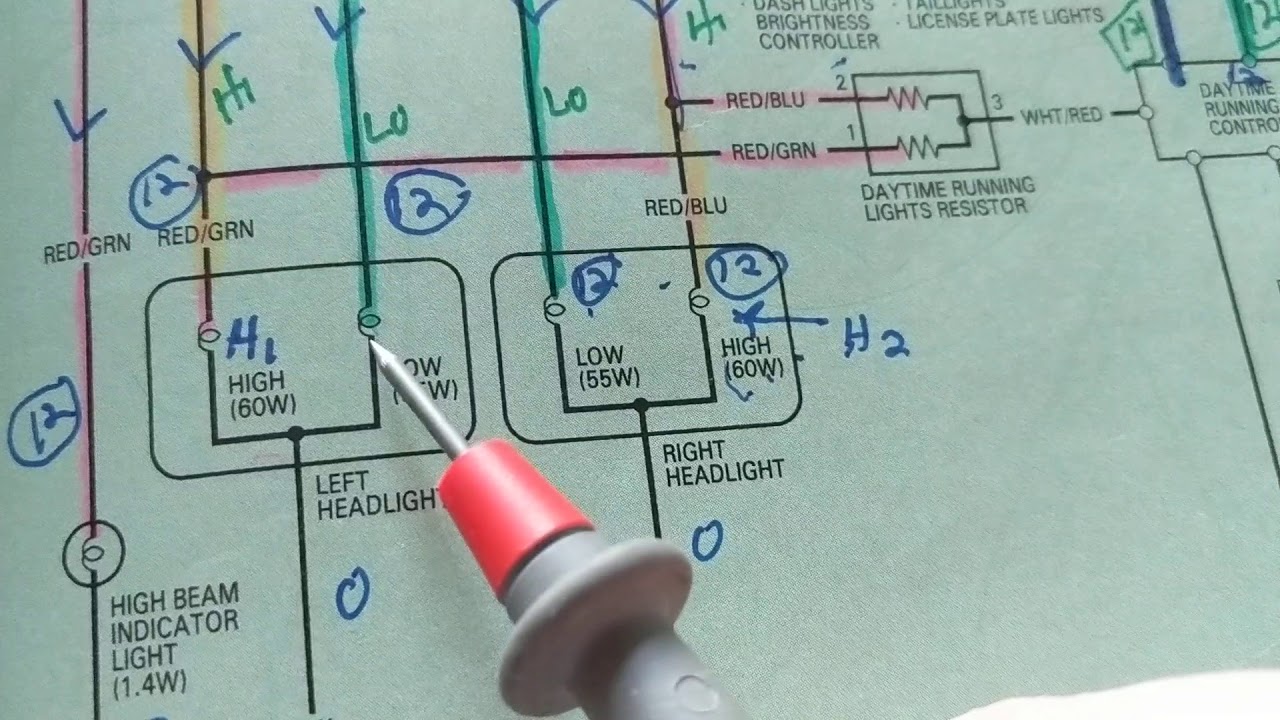
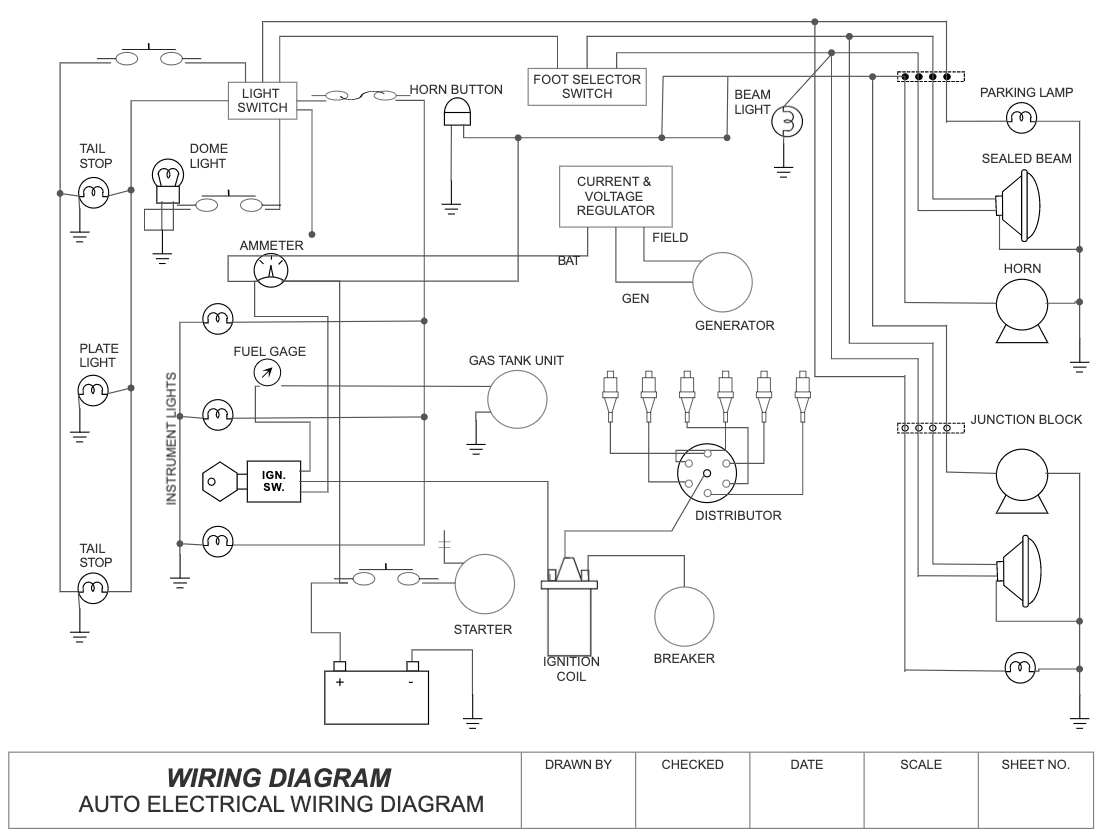
- Core Focus: Diagnostic schematic and terminal connection layout for Appliance Wiring Diagrams.
- Target Scope: Field technicians, automotive DIYers, and residential/commercial electricians.
- Safety Rule: Always disconnect the primary power source/battery terminal and verify zero voltage with a multimeter before touching wires.
Signals & Patterns Owners Should Watch
To differentiate between a passing curious glance and a compulsive behavioral issue tied to home electronics, owners must closely monitor body language, chewing habits, and routine shifts. According to American Veterinary Medical Association (AVMA) safety standards, early detection of destructive chewing or obsessive sniffing prevents dangerous electrical accidents and systemic health crises. Pay attention to whether your pet targets specific zones during moments of social isolation or loud environmental noises, as this highlights stress-related coping mechanisms.
| Observed Sign | Likely Underlying Trigger | Best Owner Response |
|---|---|---|
| Casual sniffing near the wall behind the laundry unit | Normal environmental exploration and scent-tracking | Redirect attention calmly with an interactive toy and praise curiosity elsewhere. |
| Repetitive licking, pawing, or gnawing at baseboards and cords | Underlying behavioral stress, boredom, or redirected frustration | Enhance daily mental stimulation and implement proper Dog Training protocols. |
| Sudden oral trauma, burns, lethargy, or reluctance to eat | Acute clinical injury or severe systemic distress requiring care | Immediately disconnect power sources and seek emergency veterinary evaluation. |
Daily Routine Adjustments & Supportive Care
Mitigating an animal’s fascination with household infrastructure requires a blend of physical environmental proofing and psychological enrichment. Start by physically blocking access to electrical zones using heavy furniture, secure cord covers, and bitter-tasting animal-safe deterrent sprays. Beyond physical barriers, address the root cause of destructive habits by investing in robust Dog Behavior modification strategies. Provide appropriate outlets for natural predatory and exploratory drives, such as puzzle feeders, scent-work games, and durable chew toys that satisfy the tactile need to bite and investigate without putting your pet in harm’s way.
When Home Observation Is Not Enough
While environmental management resolves most mild exploratory quirks, certain signs demand immediate professional intervention. If your pet exhibits unexplained pain when opening their mouth, excessive drooling, sudden lethargy, or burn marks around the lips and paws, professional medical triage is non-negotiable. When you visit the veterinary clinic, bring a detailed log or smartphone video showing when the behavior occurs, how long it lasts, and any preceding triggers. This concrete data helps your veterinary team rule out underlying dental pain, neurological anomalies, or severe anxiety disorders that require targeted medical therapy.
Pet Parent Q&A
Why is my pet suddenly obsessed with the area behind the kitchen appliances?
Animals possess acute hearing and can detect subtle electrical hums, vibrations, or heat signatures emitted by hidden cables. This sensory input can trigger intense curiosity or anxiety, making that specific space a focal point for repetitive investigation.
Are there safe ways to make electrical cords unappealing to my dog or cat?
Yes, you can apply veterinarian-approved bitter deterrent sprays and encase all exposed cords in heavy-duty split-loom tubing or PVC conduits. Combining these physical barriers with proper Dog Care ensures your pet stays safe from accidental shocks.
Could this obsessive chewing be a sign of a medical problem?
Pica and compulsive chewing can sometimes indicate nutritional deficiencies, gastrointestinal discomfort, or severe cognitive stress. If environmental enrichment does not curb the habit, a thorough physical examination by your veterinarian is essential.
More Pet Health & Behavior Guides on PetsAnimalsWorld
Keeping your companion safe, healthy, and mentally stimulated requires ongoing education and proactive environmental management. Explore more expert-backed tips, health breakdowns, and behavioral insights by visiting PetsAnimalsWorld.com today to give your pet the best quality of life possible.
Wiring Diagram Schematics & Details