Introduction
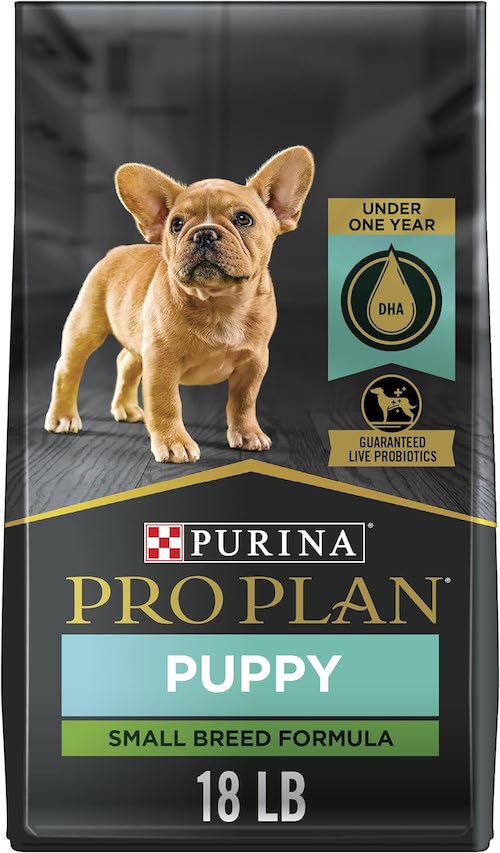
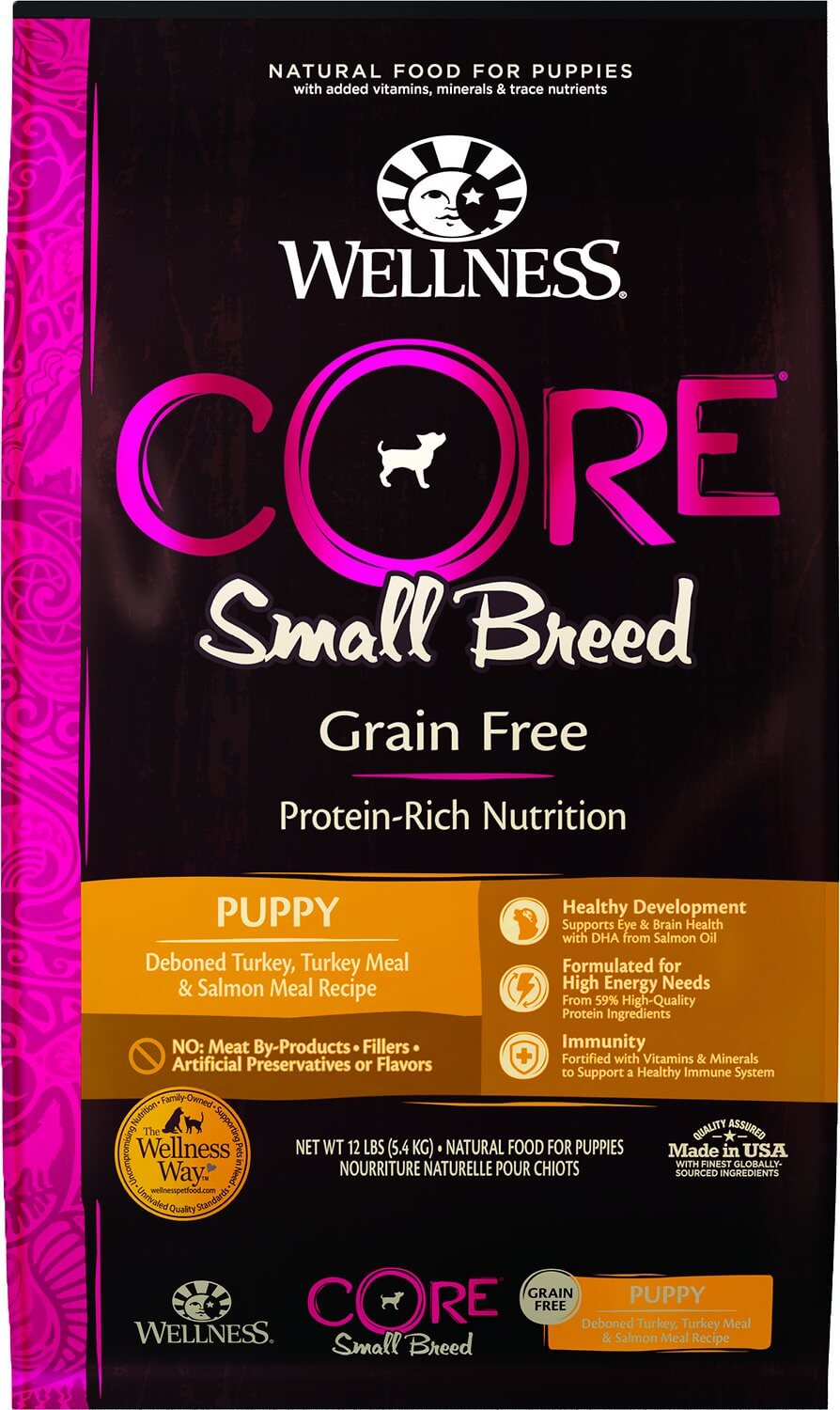
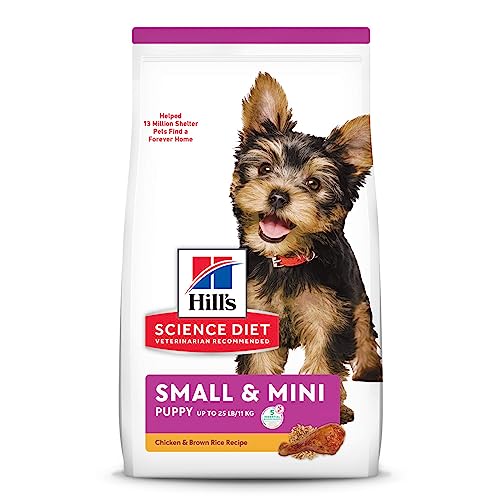
Selecting the best puppy food for small breeds is a critical decision that significantly influences a young dog’s development, health, and overall well-being. Small breed puppies, defined typically as those weighing under 20 pounds as adults, possess unique physiological characteristics that set them apart from their larger counterparts. Their accelerated metabolism, rapid growth rate, and petite digestive systems necessitate a diet specifically formulated to meet these distinct needs. Understanding why specialized nutrition is essential and what factors constitute superior puppy food can dramatically enhance a small breed puppy’s foundational health, support robust growth, and help prevent common health issues. This knowledge empowers dog owners to provide optimal care from the very beginning of a puppy’s life. Explore more in our Dog Breeds collection.
💡 Pet Care Key Takeaways:
- Core Focus: Practical health, nutrition, and wellness guidelines for Best Puppy Food For Small Breeds.
- Target Scope: Pet owners, animal caregivers, and veterinary support staff.
- Best Recommendation: Maintain consistent daily routines and consult an accredited veterinarian before introducing major diet or medical changes.
Common Causes and Key Factors
The unique dietary requirements of small breed puppies stem from several key biological and physiological factors. These factors necessitate a focused approach when determining the best puppy food for small breeds. For more related activities, check out our Dog Training Xl Bully.
- Higher Metabolic Rate: Small breeds burn calories at a much faster rate than larger breeds. This means they require a more calorie-dense food to sustain their energy levels and support their active lifestyles without consuming excessively large portions.
- Rapid Growth Phase: While all puppies grow quickly, small breeds reach their adult size much faster. This rapid growth demands precise nutrient ratios, particularly calcium and phosphorus, to support healthy bone and joint development without promoting unhealthy, accelerated growth that could lead to orthopedic problems.
- Small Stomach Capacity: With their miniature stomachs, small breed puppies cannot consume large volumes of food at once. Their diet must be nutrient-dense, meaning each bite delivers a concentrated amount of protein, fats, and essential vitamins and minerals.
- Risk of Hypoglycemia: Small breed puppies are more susceptible to hypoglycemia (low blood sugar) due to their fast metabolism and small fat reserves. A diet that provides sustained energy release through complex carbohydrates and appropriate fat levels is crucial for preventing dangerous drops in blood sugar.
- Dental Health Considerations: Small mouths and closely spaced teeth can make small breeds prone to dental issues. The size and shape of kibble play a role in promoting oral health, encouraging chewing, and helping to clean teeth.
- Developmental Needs: Essential nutrients like DHA (docosahexaenoic acid) are vital for cognitive development and vision, while antioxidants support a developing immune system. Quality puppy food for small breeds incorporates these elements in appropriate concentrations.
Signs and Symptoms to Observe
A small breed puppy thriving on an appropriate diet typically displays vibrant energy, a healthy coat, and consistent growth. Conversely, a diet that does not meet their specific needs can lead to several observable signs and symptoms. Discover more free resources across our collection library.
- Digestive Issues: Frequent diarrhea, vomiting, soft stools, or excessive gas can indicate that the food is not easily digestible or contains ingredients that cause sensitivity.
- Lack of Energy or Lethargy: A puppy that is unusually tired, lacks enthusiasm for play, or struggles to maintain energy levels might not be receiving adequate calories or essential nutrients for its high metabolic rate.
- Poor Coat and Skin Condition: A dull, dry, flaky coat, excessive shedding, or skin irritations can be signs of nutritional deficiencies, particularly a lack of essential fatty acids.
- Failure to Thrive or Poor Weight Gain: If a puppy is not gaining weight steadily, appears underweight, or is not meeting age-appropriate growth milestones, the nutritional content of its food may be insufficient.
- Signs of Hypoglycemia: In severe cases, particularly if feeding is inconsistent or the food is inadequate, a small breed puppy might exhibit symptoms of low blood sugar, including weakness, disorientation, trembling, and in extreme cases, seizures. This is a medical emergency.
- Unusual Eating Habits: Excessive hunger even after eating, or conversely, a lack of interest in food, can be indicators that the current diet is not satisfying or palatable.
Practical Solutions and Management Strategies
Selecting and managing the best puppy food for small breeds involves careful consideration of ingredients, formulation, and feeding practices. Strategic choices ensure a puppy receives all necessary nutrients for optimal development.
- Opt for “Small Breed Puppy” Specific Formulas: The most direct solution is to choose foods explicitly labeled for “small breed puppies.” These formulations are designed with appropriate calorie density, nutrient ratios, and kibble size.
- Prioritize High-Quality Protein Sources: Look for a named meat source (e.g., chicken meal, lamb, salmon) as one of the first ingredients. Quality protein is vital for muscle development and overall growth.
- Ensure Adequate Fat Content: Fats are a concentrated source of energy, crucial for small breed puppies’ high metabolism. Healthy fats like chicken fat or salmon oil also contribute to skin and coat health.
- Focus on Complex Carbohydrates: Ingredients like sweet potatoes, brown rice, or oats provide sustained energy release, helping to stabilize blood sugar levels.
- Check for Essential Fatty Acids (DHA/EPA): These omega-3 fatty acids, often derived from fish oil, are important for brain, eye, and nervous system development.
- Verify Calcium and Phosphorus Balance: These minerals are crucial for bone health. Specialized puppy foods ensure an appropriate ratio to support rapid growth without creating imbalances.
- Select Appropriate Kibble Size: Small, bite-sized kibble is essential for tiny mouths and developing teeth, making it easier to chew and digest, and promoting better dental hygiene.
- Avoid Unnecessary Fillers and Artificial Additives: Foods high in corn, wheat, soy, artificial colors, flavors, or preservatives may offer less nutritional value and can sometimes trigger sensitivities in susceptible puppies.
- Implement a Consistent Feeding Schedule: Small breed puppies benefit from frequent, small meals (3-4 times a day) to maintain stable blood sugar levels and prevent hypoglycemia.
- Gradual Food Transitions: When changing a puppy’s food, introduce the new food gradually over 7-10 days by mixing it with the old food, slowly increasing the proportion of the new diet. This helps prevent digestive upset.
- Ensure Constant Access to Fresh Water: Hydration is just as important as nutrition, especially for active puppies.
When Professional Help May Be Needed
While informed dietary choices can prevent many issues, certain situations warrant the immediate attention of a veterinary professional. Recognizing these instances is crucial for a puppy’s health and safety.
- Persistent Digestive Disturbances: If a puppy experiences continuous vomiting, severe diarrhea, or a lack of appetite for more than 24 hours, veterinary consultation is essential to rule out underlying medical conditions or severe food sensitivities.
- Signs of Hypoglycemia: Any observed weakness, disorientation, trembling, or seizures requires emergency veterinary care. Hypoglycemia can be life-threatening if not addressed promptly.
- Failure to Thrive: A puppy that is consistently underweight, fails to gain weight, or exhibits stunted growth despite an appropriate diet should be evaluated by a veterinarian to identify potential medical issues affecting nutrient absorption or overall health.
- Allergic Reactions: Symptoms such as excessive itching, skin rashes, facial swelling, or chronic ear infections may indicate a food allergy or intolerance, necessitating veterinary diagnosis and dietary recommendations.
- Sudden Behavioral Changes: Unexplained lethargy, hyperactivity, or other significant shifts in behavior can sometimes be linked to nutritional deficiencies or sensitivities and should prompt a veterinary visit.
- Specific Health Concerns: For puppies with pre-existing health conditions, congenital issues, or unique sensitivities, a veterinarian or a board-certified veterinary nutritionist can provide tailored dietary advice and recommend therapeutic diets.
Conclusion
The journey to finding the best puppy food for small breeds is a cornerstone of responsible pet ownership, setting the stage for a lifetime of health and vitality. Small breed puppies, with their distinct metabolic rates, rapid growth, and diminutive stature, thrive on specially formulated diets designed to cater to their unique nutritional needs. By prioritizing high-quality ingredients, appropriate nutrient density, and suitable kibble size, dog owners can support optimal development, robust immunity, and sustained energy levels. Consistent observation of a puppy’s well-being and prompt consultation with a veterinarian when concerns arise are vital components of comprehensive care. Investing in superior nutrition during these formative months lays the foundation for a happy, healthy, and long life for these cherished companions, reflecting petsanimalsworld.com’s commitment to informed pet care.
Pet Care & Wellness Overview Table
| Life Stage | Daily Activity Level | Key Nutrition / Care Focus |
|---|---|---|
| Puppy / Kitten | High (frequent short bursts) | High-protein growth diet & early socialization |
| Adult Companion | Moderate (30–60 mins daily) | Balanced maintenance nutrition & dental hygiene |
| Senior Pets | Low to Gentle (mindful walks) | Joint support (Glucosamine) & routine vet checks |
Images References