Introduction
The term “blue nose pitbull puppy” frequently captures the attention of prospective dog owners and pet enthusiasts alike, often due to the striking and unique aesthetic of these animals. Essentially, a “blue nose” refers to the specific coloration of a Pitbull-type dog’s nose, paw pads, and often coat, which appears as a dilute grey or slate blue rather than the more common black or brown. This distinctive trait is not indicative of a separate breed but rather a genetic color variation that can occur within various Pitbull-type breeds, such as the American Pit Bull Terrier, American Staffordshire Terrier, and occasionally the American Bully. Understanding what defines a blue nose pitbull puppy, its genetic origins, and the specific care requirements beyond its captivating appearance is crucial for responsible ownership. This article aims to provide a comprehensive guide, ensuring that every blue nose pitbull puppy receives the diligent care, training, and attention necessary for a healthy, well-adjusted life.
💡 Pet Care Key Takeaways:
- Core Focus: Practical health, nutrition, and wellness guidelines for Blue Nose Pitbull Puppy.
- Target Scope: Pet owners, animal caregivers, and veterinary support staff.
- Best Recommendation: Maintain consistent daily routines and consult an accredited veterinarian before introducing major diet or medical changes.
Common Causes and Key Factors
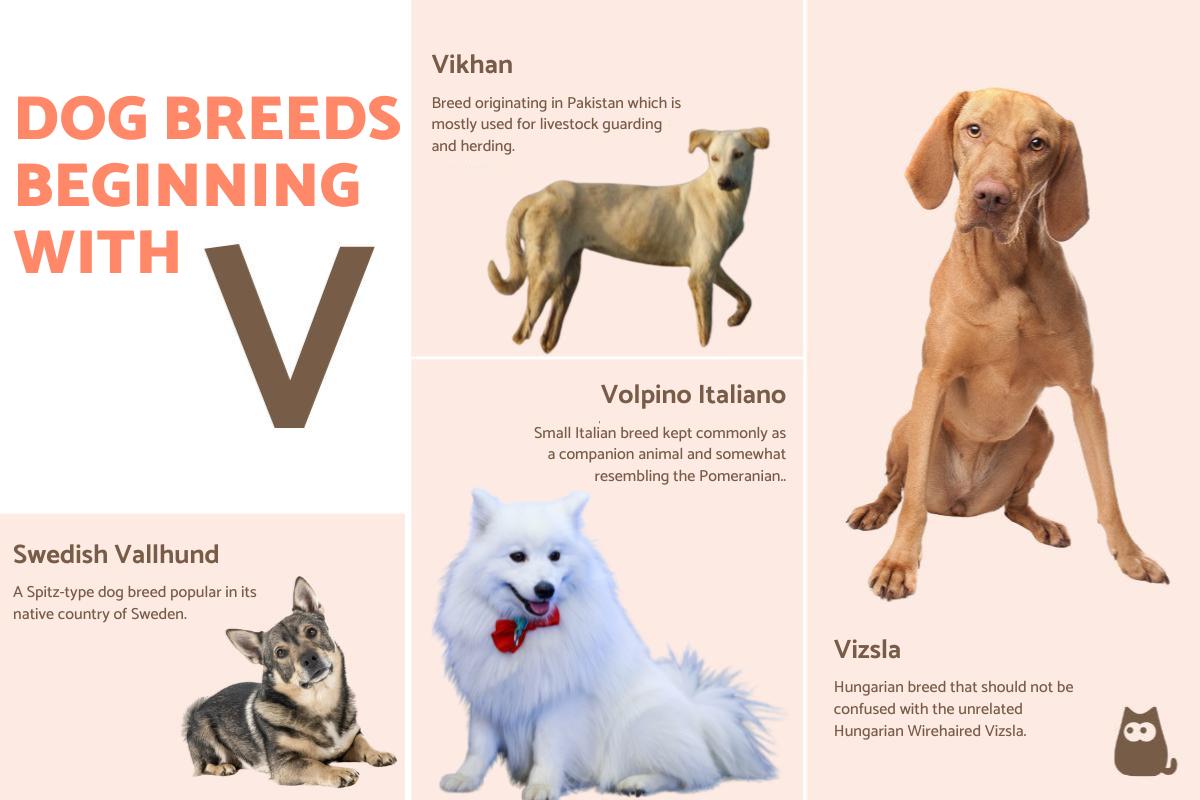
The distinctive “blue nose” coloration is a result of genetics, specifically the dilute gene (d/d). This recessive gene is responsible for diluting black pigment into a grey or blue hue. When a puppy inherits two copies of this recessive gene (one from each parent), its black pigmentation, including the nose, skin, and coat, will appear blue. If the puppy’s primary pigment is brown, the dilute gene would result in a lighter, Isabella or lilac color. Therefore, a “blue nose” is not a breed in itself, but a color trait that can manifest in various Pitbull-type breeds when the genetic conditions are met. For more related activities, check out our Dog Breeds Beginning With M.
The parentage of a blue nose pitbull puppy typically involves two dogs that carry the dilute gene, regardless of their own visible coloration. For instance, two black-nosed dogs carrying the recessive dilute gene could produce blue-nosed offspring. This genetic mechanism highlights the importance of understanding heredity in canine breeding and dispels the misconception that blue-nosed dogs are a distinct or superior breed line. Factors influencing a puppy’s overall health and temperament are far more complex than just its coat color, relying heavily on genetics from both parents, proper prenatal care for the mother, and early environmental enrichment for the litter.
Signs and Symptoms to Observe
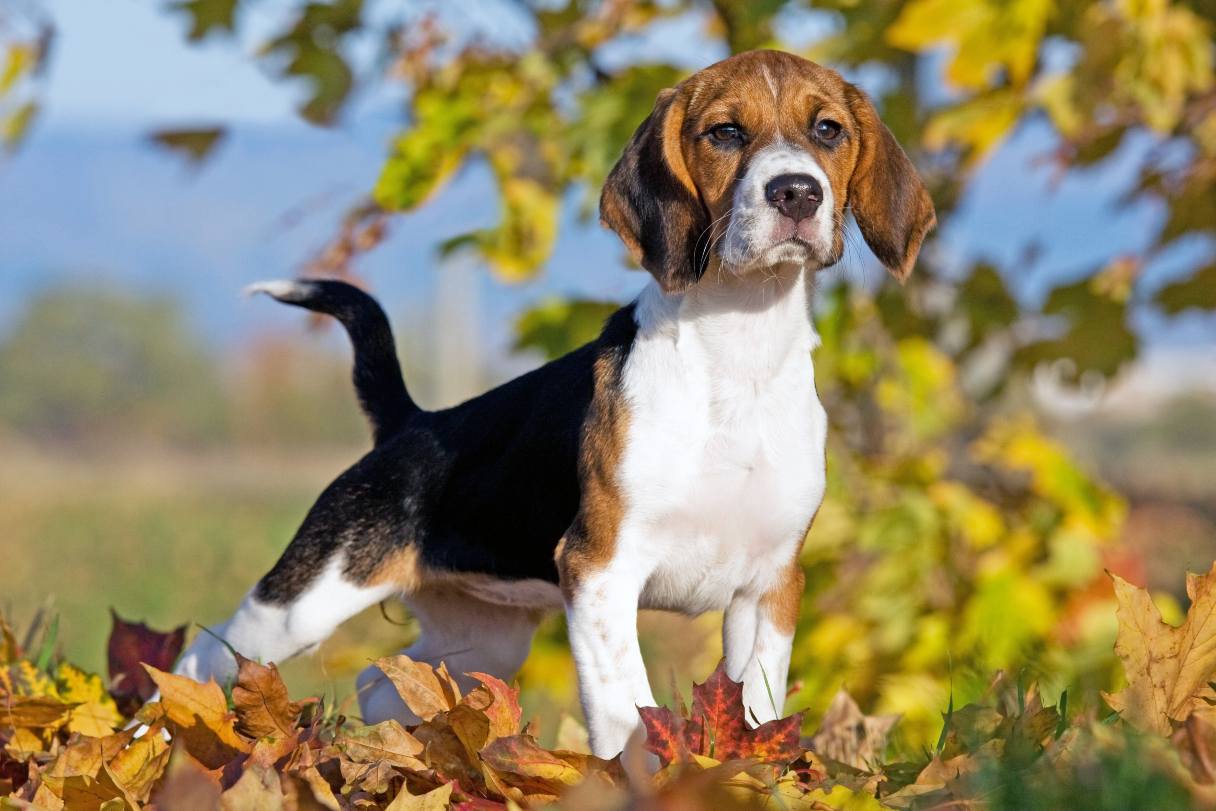
When observing a blue nose pitbull puppy, the most immediate and defining characteristic is, of course, the nose itself, which presents as a slate grey or blue rather than black. This coloration also typically extends to the paw pads and often the puppy’s coat, which will be a shade of grey or blue. Beyond these visual traits, observing general puppy health and behavior is paramount. Healthy blue nose pitbull puppies exhibit clear, bright eyes, a clean coat, and an active, curious demeanor. Their appetite should be robust, and their eliminations regular and healthy.
Observing a puppy’s temperament from an early age can provide insights into its developing personality. While all puppies display bursts of energy followed by periods of rest, consistent signs of extreme shyness, fear, or aggression are indicators that warrant attention. Like all Pitbull-type dogs, these puppies possess natural curiosity and intelligence. Early interactions should reveal a puppy that is responsive to gentle handling, eager to explore its surroundings, and capable of restful sleep. Any signs of lethargy, disinterest in food or play, difficulty breathing, or skin irritations should be noted immediately, as these could signal underlying health issues common to any young puppy, regardless of coloration.
Practical Solutions and Management Strategies
Providing a blue nose pitbull puppy with a foundation for a healthy and well-adjusted life involves a combination of dedicated care, consistent training, and proactive health management.
Nutrition: High-quality puppy food specifically formulated for large breeds or active breeds is essential to support rapid growth and development. The feeding schedule should adhere to the guidelines provided by the food manufacturer and adjusted as the puppy grows, ensuring appropriate caloric intake and nutrient balance. Access to fresh water at all times is also crucial.
Socialization: Early and extensive socialization is paramount for Pitbull-type puppies. Exposing the puppy to a wide variety of sights, sounds, people, and other well-behaved dogs during its critical socialization window (typically 3-16 weeks) helps foster a confident and friendly temperament. Puppy classes are an excellent resource for structured socialization and basic obedience.
Training: Positive reinforcement methods are highly effective for training blue nose pitbull puppies. They are intelligent and eager to please, responding well to reward-based training for basic commands, house-training, and leash manners. Consistency, patience, and short, engaging training sessions yield the best results. Mental stimulation through puzzle toys and training exercises is just as important as physical exercise.
Exercise: These puppies are energetic and require regular physical activity to expend energy and promote healthy muscle development. Daily walks, supervised play in a secure yard, and age-appropriate games like fetch contribute to their physical and mental well-being. Over-exercising a growing puppy should be avoided to protect developing joints.
Health Monitoring: Regular veterinary check-ups, vaccinations, and parasite prevention are fundamental. While the “blue nose” trait itself is merely a color dilution, some dilute colorations in certain breeds have been linked to conditions like Color Dilution Alopecia (CDA), a skin condition causing hair loss and dryness. While less common in blue Pitbulls than in other dilute colors or breeds, monitoring the skin and coat for any signs of irritation, flakiness, or hair loss is a responsible practice.
When Professional Help May Be Needed
Understanding when to seek professional assistance is a hallmark of responsible pet ownership. For a blue nose pitbull puppy, several situations warrant the expertise of a veterinarian or a certified professional dog trainer.
Veterinary Consultation: Any significant changes in a puppy’s health or behavior should prompt a visit to the veterinarian. This includes persistent lethargy, vomiting, diarrhea, loss of appetite, coughing, limping, skin rashes, or excessive itching. Routine veterinary care, including vaccination schedules, deworming, and discussions about spaying or neutering, are non-negotiable for a puppy’s long-term health. A veterinarian can also provide guidance on diet, weight management, and any specific health concerns related to the puppy’s breed type or genetic background, such as monitoring for skin conditions like Color Dilution Alopecia, if applicable.
Professional Training or Behavior Support: While early socialization and consistent home training are vital, some puppies may develop behavioral challenges that require expert intervention. Signs such as excessive nipping, difficulty with house-training despite consistent efforts, significant leash reactivity, or signs of aggression towards people or other animals, particularly as the puppy matures, indicate a need for professional guidance. A certified professional dog trainer or veterinary behaviorist can assess the situation, identify underlying causes, and implement tailored training plans using positive, ethical methods. Early intervention for behavioral concerns can prevent them from escalating into more serious problems.
Conclusion
The allure of a blue nose pitbull puppy extends beyond its striking appearance, encompassing the unique characteristics and responsibilities inherent in raising any Pitbull-type dog. The “blue nose” is a beautiful genetic trait, not a separate breed, and understanding its origins is crucial for appreciating these animals fully. Responsible ownership demands a commitment to comprehensive care, including appropriate nutrition, consistent training through positive reinforcement, early and extensive socialization, and regular veterinary check-ups. By focusing on the puppy’s overall health, temperament development, and individual needs, owners can ensure their blue nose pitbull puppy grows into a well-adjusted, confident, and beloved companion. Awareness, observation, and a willingness to seek professional guidance when necessary are the cornerstones of providing an enriching and fulfilling life for these captivating dogs.
Pet Care & Wellness Overview Table
| Life Stage | Daily Activity Level | Key Nutrition / Care Focus |
|---|---|---|
| Puppy / Kitten | High (frequent short bursts) | High-protein growth diet & early socialization |
| Adult Companion | Moderate (30–60 mins daily) | Balanced maintenance nutrition & dental hygiene |
| Senior Pets | Low to Gentle (mindful walks) | Joint support (Glucosamine) & routine vet checks |
Images References :
For more expert pet care tips and advice, check out our dedicated Dog Breeds guides to keep your companions healthy and happy.