

Introduction
Coprophagia, the ingestion of feces, is a common and often perplexing behavior observed in dogs. While it can be a source of significant concern and disgust for dog owners, understanding this phenomenon is the first step toward effective management. The term “coprophagia in dogs treatment” refers to the comprehensive strategies employed to address and mitigate this behavior, aiming to improve both a dog’s health and the household environment. This article delves into the various facets of canine coprophagia, exploring its underlying causes and outlining practical, evidence-based approaches to treatment, ultimately fostering a healthier and happier relationship between dogs and their human companions.
💡 Pet Care Key Takeaways:
- Core Focus: Practical health, nutrition, and wellness guidelines for Coprophagia In Dogs Treatment.
- Target Scope: Pet owners, animal caregivers, and veterinary support staff.
- Best Recommendation: Maintain consistent daily routines and consult an accredited veterinarian before introducing major diet or medical changes.
Common Causes and Key Factors
The motivation behind coprophagia in dogs is multifaceted, stemming from a combination of biological, environmental, and behavioral factors. Pinpointing the exact cause is crucial for developing an effective treatment plan. For more related activities, check out our Dog Heat Behavior Changes.
Nutritional Deficiencies or Malabsorption: One primary biological driver can be an underlying nutritional issue. Dogs with pancreatic enzyme insufficiency, intestinal parasites, or conditions causing malabsorption may not be extracting sufficient nutrients from their food. This can lead to an instinctive drive to consume feces as a way to recover undigested food particles or essential enzymes. Poor quality diets lacking in specific nutrients or fiber can also contribute.
Behavioral and Environmental Factors: A significant number of cases are rooted in behavioral issues. Boredom and lack of environmental enrichment can prompt dogs to seek out novel activities, with coprophagia becoming a self-rewarding pastime. Attention-seeking behavior, where a dog learns that consuming feces elicits a strong reaction from owners, can also perpetuate the habit. Stress and anxiety, especially from inconsistent training, punishment for house-soiling, or confinement in small spaces, may also contribute. Dogs in multi-pet households might engage in coprophagia to reduce competition or anxiety regarding resources.
Learned Behavior and Instinct: Puppies often explore their world orally, and eating feces can be a natural, albeit temporary, part of this developmental stage. Mother dogs typically consume their puppies’ waste to keep the den clean and prevent predators, a behavior that some suggest might be instinctual in other dogs. Additionally, dogs may learn the behavior by observing other dogs engaging in it.
Medical Conditions: Certain medical conditions can increase a dog’s appetite or alter digestion, indirectly leading to coprophagia. These include diabetes, Cushing’s disease, thyroid issues, and certain medications like steroids, which can induce polyphagia (increased appetite). A thorough veterinary examination is essential to rule out these underlying health concerns.
Signs and Symptoms to Observe
The most obvious sign of coprophagia is the direct observation of a dog consuming feces. This can involve fresh stool, older dried feces, or even the waste of other animals. Dog owners might notice several patterns or accompanying behaviors.
The behavior may occur immediately after defecation, indicating an immediate drive to consume. Alternatively, a dog might actively seek out and consume feces from various locations in the yard, during walks, or even from litter boxes, pointing to a scavenging behavior. Signs can vary based on the dog’s age; puppies are more likely to exhibit exploratory coprophagia that often resolves with age and training. In adult dogs, a sudden onset of coprophagia should always prompt a veterinary consultation to rule out medical issues. Some dogs may show increased interest in food, signs of gastrointestinal distress, or other behavioral changes alongside coprophagia, which warrant closer attention.
Practical Solutions and Management Strategies
Effective coprophagia in dogs treatment often requires a multi-pronged approach addressing potential medical, dietary, and behavioral factors. Consistency and patience are key for successful management.
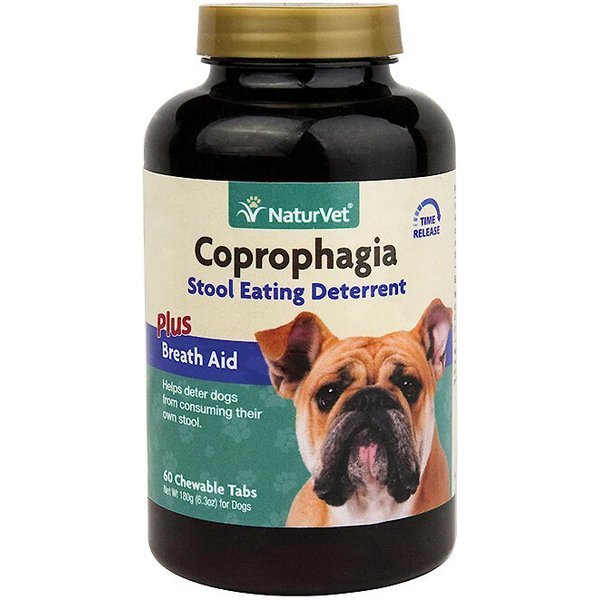
Veterinary Consultation and Dietary Adjustments: The first step should always be a visit to a veterinarian. A vet can rule out underlying medical conditions, such as parasitic infections, malabsorption disorders, or other illnesses. If health issues are identified, appropriate medical treatment will be prescribed. Dietary modifications can also be beneficial; some dogs respond well to a higher-quality, easily digestible diet, or the addition of digestive enzymes or probiotics. Anti-coprophagic supplements, containing ingredients that make feces less appealing, are available but their efficacy varies significantly between individual dogs.
Environmental Management: Preventing access to feces is a fundamental aspect of treatment. This involves immediate clean-up of the yard after defecation. During walks, keeping the dog on a leash and carefully supervising its movements can prevent opportunistic consumption. Some owners find using a basket muzzle during supervised outdoor time helpful as a temporary measure to prevent ingestion while working on training. For multi-pet households, ensuring litter boxes are inaccessible to the dog or cleaned immediately after use is crucial.
Behavioral Training and Enrichment: Positive reinforcement training is vital. Teaching commands such as “Leave It” and “Come” with high-value rewards can be highly effective in redirecting a dog’s attention away from feces. When a dog eliminates, immediately call it away with a treat and praise before it has a chance to turn around and investigate the stool. Providing ample mental and physical enrichment, such as puzzle toys, interactive feeders, regular walks, and training sessions, can alleviate boredom and anxiety that might contribute to coprophagia. A structured daily routine can also provide comfort and predictability.
Addressing Stress and Anxiety: If stress or anxiety is suspected as a contributing factor, identifying and mitigating stressors is important. This might involve counter-conditioning techniques, desensitization, or consulting with a professional behaviorist for more severe cases. Ensuring a calm, consistent home environment and avoiding punishment for house-soiling are beneficial.
When Professional Help May Be Needed
While many cases of coprophagia can be managed with consistent home interventions, there are situations where professional assistance becomes indispensable. Dog owners should not hesitate to seek expert advice if the behavior persists despite diligent efforts, if it escalates, or if it is accompanied by other concerning symptoms.
A veterinary consultation is essential if coprophagia begins suddenly in an adult dog, or if the dog exhibits other signs of illness such as weight loss, lethargy, changes in appetite, or vomiting. These symptoms could indicate underlying medical conditions that require immediate veterinary diagnosis and treatment.
For behavioral causes that prove resistant to standard training and management, consulting a certified professional dog trainer or a veterinary behaviorist is highly recommended. These specialists can conduct a comprehensive behavioral assessment, identify subtle triggers, and develop a tailored behavior modification plan that may include advanced training techniques, environmental restructuring, or even medication in conjunction with behavior therapy for severe anxiety-related cases. Professional guidance ensures that treatment strategies are both effective and humane, tailored to the individual dog’s needs and circumstances.
Conclusion
Coprophagia in dogs, though a challenging behavior for many dog owners, is a treatable condition that benefits from a comprehensive and patient approach. Understanding the potential underlying causesranging from medical conditions and nutritional deficiencies to behavioral issues and environmental factorsis paramount for effective intervention. By working closely with a veterinarian to rule out health problems, implementing strategic dietary adjustments, employing consistent environmental management, and engaging in positive reinforcement training and enrichment, dog owners can significantly reduce or eliminate this behavior. The journey to managing coprophagia requires dedication and consistency, yet the reward is a healthier dog and a more harmonious living environment. Embracing these strategies can lead to a deeper understanding of canine behavior and ultimately enhance the well-being of dogs around the world.
Pet Care & Wellness Overview Table
| Life Stage | Daily Activity Level | Key Nutrition / Care Focus |
|---|---|---|
| Puppy / Kitten | High (frequent short bursts) | High-protein growth diet & early socialization |
| Adult Companion | Moderate (30–60 mins daily) | Balanced maintenance nutrition & dental hygiene |
| Senior Pets | Low to Gentle (mindful walks) | Joint support (Glucosamine) & routine vet checks |
Images References




For more expert pet care tips and advice, check out our dedicated Dog Behavior guides to keep your companions healthy and happy.




