

Understanding why a mother dog is biting her puppies requires looking closely at canine communication and maternal instincts.
According to the American Kennel Club, maternal canine behavior encompasses a delicate balance of nurturing, protection, and strict socialization that begins the moment a litter arrives. Witnessing a female canine snap at or clamp down on her offspring causes immediate alarm for anyone monitoring the whelping box. Canine maternal aggression often looks terrifying to human observers, yet it usually stems from natural evolutionary programming rather than genuine malice or cruelty. Observing litters over years of behavioral practice reveals that adult dogs communicate through pressure, nipping, and tactile feedback long before humans perceive any tension. Recognizing the difference between normal canine parenting and dangerous pathology safeguards the well-being of the entire litter.
💡 Pet Care Key Takeaways:
- Core Focus: Practical health, nutrition, and wellness guidelines for Mother Dog Is Biting Her Puppies.
- Target Scope: Pet owners, animal caregivers, and veterinary support staff.
- Best Recommendation: Maintain consistent daily routines and consult an accredited veterinarian before introducing major diet or medical changes.
A mother dog is biting her puppies typically serves as a form of maternal correction, boundary-setting, or instinctual weaning.
Canine communication relies heavily on touch, mouthiness, and physical redirection to teach social etiquette to young animals. As litters grow, sharp puppy teeth begin to hurt the nursing female during feeding sessions, prompting her to establish firm physical boundaries. Furthermore, canine mothers use controlled nips to teach bite inhibition—the ability to control the force of one’s bite—to their developing offspring. When a puppy plays too rough or ignores a low growl, the mother escalates her warning through a quick, inhibited snap. This behavior mimics how wild canids educate juveniles, ensuring the young dogs learn respect for pack elders. For more related activities, check out our Dog Unpredictable Behavior.
Intervening too hastily in normal maternal corrections deprives the puppies of vital lessons in canine language and emotional regulation. Conversely, failing to spot true aggression—where the female inflicts physical damage, punctures skin, or attempts to abandon the litter—puts vulnerable puppies in severe physical jeopardy. Physical pain, mastitis (a painful bacterial infection of the mammary glands), or severe postpartum calcium deficiency can turn a gentle nursing female into an unpredictable aggressor. Monitoring the physical health of the dam alongside her behavioral cues prevents minor nursing discomfort from escalating into a dangerous domestic crisis.
Postpartum eclampsia, a dangerous drop in blood calcium levels, can cause profound maternal anxiety, muscle tremors, and uncharacteristic aggression toward a nursing litter — American Kennel Club
Managing this behavior safely involves evaluating the environment, supporting the mother’s physical health, and providing safe decompression zones.
Creating a calm, low-traffic whelping area reduces the environmental triggers that elevate canine stress and spark defensive biting. Providing the female with an escape route—such as an elevated platform or an attached pen where she can rest away from demanding puppies—gives her necessary mental breaks. Supplementing the nutritional needs of the nursing female ensures her body recovers quickly from the immense physiological toll of lactation. Introducing supplemental gruel to the puppies early reduces the nursing burden on the mother, naturally curbing the frustration that leads to harsh biting.
Implementing best practices while avoiding common pitfalls ensures a smooth developmental period for the growing litter.
Never punish a mother dog for growling or correcting her puppies, as suppression of warning signals removes her vital communication tools. When a dog cannot growl or nip gently, she may skip straight to a severe bite without warning. Instead, observe interactions closely while keeping human handling positive and reassuring for the adult dog. Providing high-calorie, nutrient-dense foods approved by veterinary professionals supports her physical stamina throughout the demanding weeks of nursing.
Proper socialization periods in domestic dogs rely heavily on maternal feedback, which teaches young canines appropriate bite strength and emotional resilience — American Society for the Prevention of Cruelty to Animals
Pet Care & Wellness Overview Table
| Life Stage | Daily Activity Level | Key Nutrition / Care Focus |
|---|---|---|
| Puppy / Kitten | High (frequent short bursts) | High-protein growth diet & early socialization |
| Adult Companion | Moderate (30–60 mins daily) | Balanced maintenance nutrition & dental hygiene |
| Senior Pets | Low to Gentle (mindful walks) | Joint support (Glucosamine) & routine vet checks |
Images References





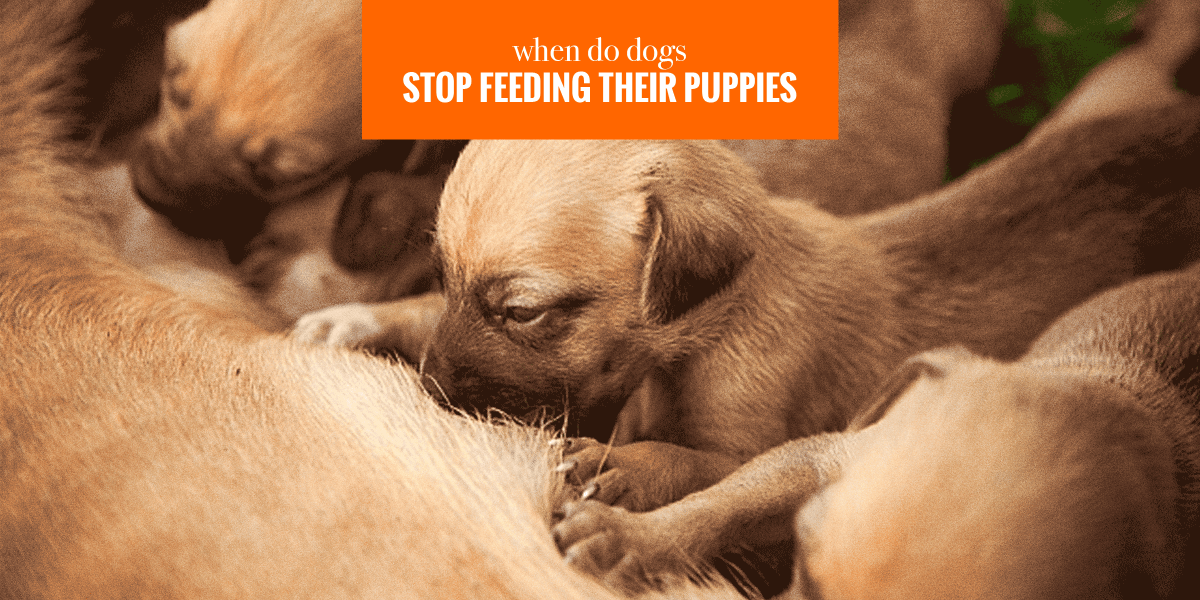

Breed tendencies, maternal age, and individual temperament heavily influence how a female dog interacts with her developing puppies.
First-time mothers frequently lack the experience to handle energetic litters gracefully, leading to clumsy corrections or heightened anxiety. Certain guard-oriented breeds possess intense protective instincts that make them hyper-vigilant and prone to over-correcting any perceived disturbance near their nesting box. Older or more experienced females generally display a calmer, more patient demeanor when teaching canine etiquette to their offspring. Understanding the specific genetic background and baseline temperament of the individual female helps caretakers anticipate potential challenges before they manifest.
Consulting a veterinarian or certified animal behaviorist becomes necessary when physical injury occurs or maternal anxiety appears unmanageable.
Professional guidance is mandatory if the female breaks the skin of her puppies, relentlessly stalks them, or shows signs of severe systemic illness like fever or lethargy. Veterinary examinations rule out hidden medical conditions causing extreme discomfort, while certified behaviorists design safe management plans for complex behavioral issues. Exploring resources on Dog Behavior and Dog Health expands understanding of canine welfare. Comprehensive Dog Care strategies ensure every puppy and adult dog thrives in a secure environment.
Balancing keen observation with compassionate intervention fosters a healthy, harmonious household for both mother and puppies.
Supporting canine families through the delicate nursing phase requires patience, education, and a watchful eye on both physical and emotional indicators. By respecting natural communication channels while maintaining a safe, stress-free environment, caretakers promote optimal development for the entire litter. Discover more expert guidance and educational resources across PetsAnimalsWorld.com to ensure lifelong wellness for all household companions.




