

Introduction
Understanding a canine companion involves more than simply providing food and shelter; it requires learning to interpret their unique forms of communication. The process of decoding your dog refers to the crucial skill of discerning a dog’s subtle cues, behaviors, and vocalizations to grasp their feelings, needs, and intentions. This interpretive ability is fundamental for fostering a harmonious relationship and ensuring a dog’s overall well-being. Misinterpretations commonly arise when a dog’s actions, such as excessive barking or sudden shyness, are viewed solely through a human lens rather than considering their inherent instincts and ways of expressing themselves. By developing a deeper understanding of these signals, dog owners can proactively address potential health issues, refine training methods, manage behavioral challenges, and significantly enhance a dogs quality of life.
💡 Pet Care Key Takeaways:
- Core Focus: Practical health, nutrition, and wellness guidelines for Decoding Your Dog.
- Target Scope: Pet owners, animal caregivers, and veterinary support staff.
- Best Recommendation: Maintain consistent daily routines and consult an accredited veterinarian before introducing major diet or medical changes.
Common Causes and Key Factors
A dogs behavior is influenced by a complex interplay of internal and external factors. Recognizing these underlying elements is essential for effective communication. Biological predispositions play a significant role, with different breeds often exhibiting distinct temperaments and instincts that shape their reactions to various situations. Age is another crucial factor; puppies, adolescents, and senior dogs each present unique developmental stages and associated behaviors. For instance, a senior dog might show reduced mobility or confusion, while an adolescent could display increased energy and testing of boundaries. For more related activities, check out our Dog Uti Behavior Change.
Environmental elements also heavily impact a dog’s state. Changes in routine, the introduction of new pets or people, or even alterations to the home layout can induce stress or excitement. A stimulating environment rich with appropriate toys and opportunities for exercise helps prevent boredom, a common trigger for undesirable behaviors. Emotional states such as fear, anxiety, joy, and frustration manifest in distinct ways, often through subtle shifts in body posture or vocalizations. Furthermore, underlying health issues can profoundly alter a dog’s disposition. Pain, discomfort, or illness can lead to changes in appetite, sleep patterns, energy levels, and even aggression, making a dog appear out of character.
Signs and Symptoms to Observe
Dogs communicate primarily through their body language, vocalizations, and behavioral patterns. Careful observation of these indicators provides invaluable insight into their internal state. Body language offers a rich tapestry of information, including tail position (high and wagging for excitement, tucked for fear), ear direction (forward for alertness, flattened for submission or fear), and eye contact (direct for challenge, averted for appeasement). A dog’s posturea play bow indicating an invitation to play, a stiff stance signaling tension, or cowering suggesting fearconveys a great deal without a single sound. Lip licking, yawning, or turning away can indicate stress or discomfort, even in seemingly benign situations.
Vocalizations are equally diverse. Different types of barks communicate various messages, from greeting to alarm. Growls serve as clear warnings, while whimpers often signal pain, anxiety, or a plea for attention. Howling can indicate loneliness or a response to environmental sounds. Beyond these, changes in everyday routines, such as alterations in eating or sleeping habits, sudden destructive behavior, or house-soiling in a previously trained dog, are significant indicators. A dogs reluctance to engage in play, changes in their gait, or sensitivity to touch in specific areas can all point to physical discomfort or illness, irrespective of their age, breed, or living environment.
Practical Solutions and Management Strategies
Effective management and improvement of a dog’s well-being hinge on consistent observation and proactive intervention. Establishing a predictable daily routine provides dogs with a sense of security and helps manage anxiety. This includes consistent feeding times, regular exercise, and designated periods for rest. Environmental enrichment is paramount; providing puzzle toys, chew items, and opportunities for mental stimulation can alleviate boredom and redirect destructive tendencies. Regular physical activity, tailored to a dog’s age and breed, is essential for both physical health and behavioral balance.
Positive reinforcement training methods are highly effective in building clear communication and strengthening the bond between a dog and its owner. This approach focuses on rewarding desired behaviors, making a dog more likely to repeat them. Addressing a dogs dietary needs with high-quality, balanced nutrition can also impact their behavior and energy levels, sometimes reducing hyperactivity or improving focus. For instances where specific behaviors are a concern, consulting a certified professional dog trainer can provide tailored strategies and support, helping owners understand the root cause of the behavior and implement appropriate modifications. Regular veterinary check-ups are also crucial to rule out any underlying medical conditions that might be influencing behavior, ensuring that physical health is not overlooked.
When Professional Help May Be Needed
While many behavioral issues can be addressed through diligent observation and the application of practical strategies, there are instances where professional intervention becomes necessary. Persistent or escalating aggressive behaviors, severe separation anxiety manifesting in destructive tendencies, or chronic fearfulness warrant expert evaluation. Any sudden, unexplained changes in a dogs health, appetite, energy levels, or temperament should prompt an immediate veterinary consultation to rule out medical causes. Dogs exhibiting signs of intense distress, such as excessive panting, drooling, or inability to settle, especially in specific situations, may benefit from a professional assessment.
When home-based strategies or general training efforts prove ineffective, or if an owner feels overwhelmed by a dogs behavior, seeking guidance from a qualified professional is a responsible and beneficial step. This may involve consulting a veterinarian, who can refer to a veterinary behaviorist for complex behavioral disorders, or a certified professional dog trainer for specific training challenges. These specialists possess the expertise to accurately diagnose issues, develop tailored treatment plans, and provide the necessary support to both the dog and its owner.
Conclusion
The journey of decoding your dog is an ongoing, rewarding endeavor that deepens the bond between humans and their canine companions. It requires diligent observation, an open mind, and a willingness to learn their unique language of behaviors, vocalizations, and body cues. By actively seeking to understand these signals, dog owners can proactively address needs, prevent potential problems, and respond appropriately to their dog’s emotional and physical states. Consistent care, a supportive environment, and an empathetic approach are the cornerstones of successful interpretation. Embracing this continuous learning process empowers owners to provide the best possible life for their dogs, leading to a more harmonious household and a more fulfilling companionship for all involved.
Pet Care & Wellness Overview Table
| Life Stage | Daily Activity Level | Key Nutrition / Care Focus |
|---|---|---|
| Puppy / Kitten | High (frequent short bursts) | High-protein growth diet & early socialization |
| Adult Companion | Moderate (30–60 mins daily) | Balanced maintenance nutrition & dental hygiene |
| Senior Pets | Low to Gentle (mindful walks) | Joint support (Glucosamine) & routine vet checks |
Images References


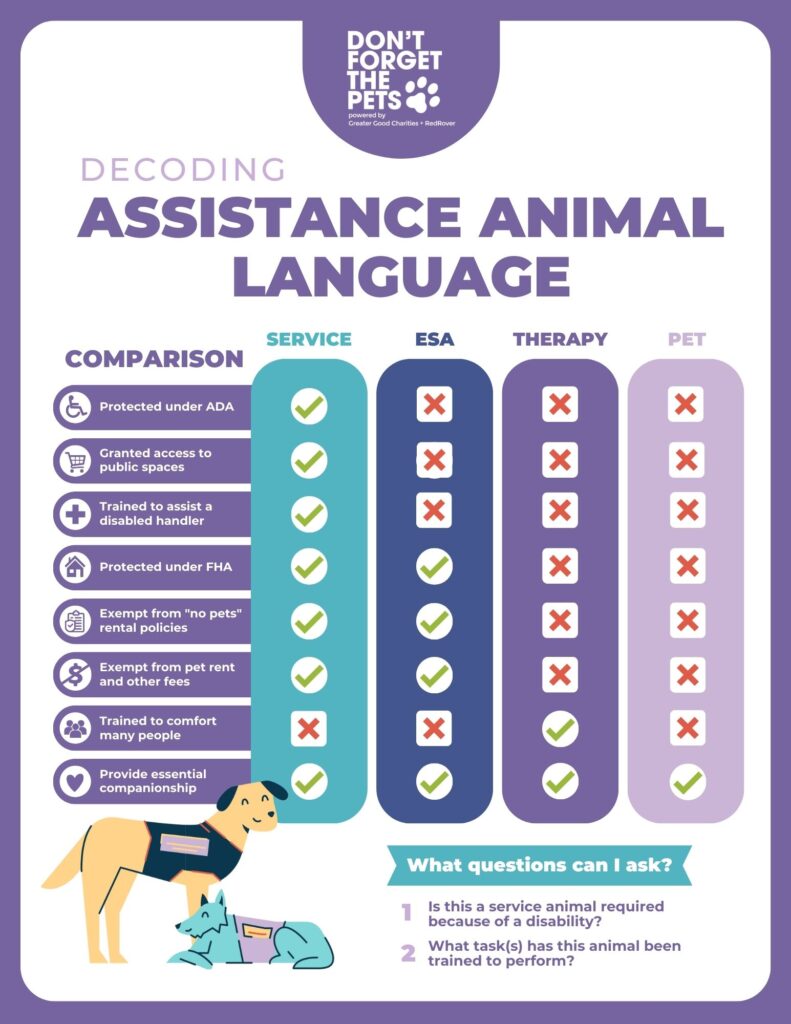





For more expert pet care tips and advice, check out our dedicated Dog Behavior guides to keep your companions healthy and happy.




