Introduction
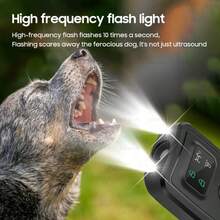
A dog behavior device encompasses any technological tool or physical apparatus engineered to monitor, modify, or manage canine conduct through objective data collection and feedback mechanisms. According to the International Association of Animal Behavior Consultants (IAABC), utilizing specialized apparatuses requires a firm foundation in positive reinforcement and ethologically sound operant conditioning to prevent anxiety or distress in domestic canines. When properly integrated into comprehensive wellness routines involving Dog Training protocols, these instruments assist animal health caregivers in identifying underlying stress signals and standardizing behavioral interventions. Maintaining predictable reinforcement schedules remains vital for stabilizing physiological arousal levels during behavioral modifications. Careful selection of monitoring and training apparatuses ensures that physical health, psychological well-being, and nutritional support remain balanced across diverse Dog Breeds with distinct temperaments.
Pet Wellness & Behavior Snapshot:
- Core Focus: A dog behavior device provides objective tracking, modification assistance, and remote communication to support canine wellness.
- Target Scope: Applied during home management, veterinary behavioral evaluations, and structured obedience protocols for domesticated canines.
- Key Recommendation: Pair automated technological feedback exclusively with positive reinforcement to preserve canine emotional stability.
Core Principles and Detailed Overview
A dog behavior device functions by bridging the communication gap between human caregivers and domestic canines via automated sensory feedback, remote tracking, or conditioned acoustic cues. Technological interventions operate on established psychological principles, utilizing timing precision that human handlers occasionally struggle to replicate during high-arousal scenarios. Integrating these instruments into daily routines requires a comprehensive understanding of Dog Health indicators, ensuring that physiological stressors like hidden pain or chronic illness are not misinterpreted as simple disobedience. Furthermore, optimizing nutritional intake through appropriate Dog Nutrition supports stable neurotransmitter production, which directly influences behavioral responsiveness to electronic training aids and remote monitors. Caregivers must evaluate the specific physiological and psychological profile of the animal before introducing any mechanical or electronic apparatus into the home environment.
Key Specifications and Breakdown
| Observed Indicator / Factor | Veterinary & Behavioral Explanation | Actionable Management Protocol |
|---|---|---|
| Excessive Vocalization | Rooted in separation distress, territorial guarding, or environmental boredom triggering autonomic arousal. | Deploy remote audio-monitoring apparatuses paired with desensitization protocols and balanced Dog Care schedules. |
| Leash Pulling | Driven by forward locomotion instincts and rapid habituation to traditional static tension on the cervical region. | Utilize front-clip harnesses or tension-sensing feedback tools that gently interrupt forward momentum without tracheal damage. |
| Destructive Chewing | Often signals underlying anxiety, adolescent teething discomfort, or severe lack of cognitive stimulation. | Combine interactive puzzle devices with veterinary-approved chew items to redirect oral fixation safely. |
Aversive-based mechanical training apparatuses carry a documented risk of increasing fear-based aggression and chronic stress hormones like cortisol in domestic canines. — American Veterinary Medical Association (AVMA)
Step-by-Step Practical Application and Guidelines
Implementing a dog behavior device safely demands a gradual introduction phase where the animal associates the physical presence of the tool with positive rewards rather than apprehension. Caregivers should first present the apparatus in a neutral environment while offering high-value dietary reinforcement to establish a positive conditioned emotional response. Continuous monitoring of body language indicators, such as ear position, lip licking, and tail carriage, ensures that the animal remains below threshold and receptive to learning. Integrating these tools into broader routines found within Pets management strategies guarantees a holistic approach to household harmony. Regular calibration and battery checks prevent erratic signals that might confuse the animal during critical training windows.
Common Challenges and How to Avoid Them
Relying exclusively on a dog behavior device without addressing root environmental or medical triggers frequently leads to behavioral regression or increased anxiety. Caregivers often commit the error of applying automated corrections without proper baseline conditioning, causing confusion and defensive reactions in sensitive subjects. Regular veterinary examinations are essential to rule out neurological or orthopedic deficits before attributing unwanted actions purely to behavioral disobedience. Maintaining consistent expectations across all household members prevents conflicting signals that undermine the efficacy of automated training apparatuses. Prioritizing patience and continuous observation ensures sustainable behavioral modification over long periods.
💬 Frequently Asked Questions
Explore More Pet Care and Animal Health Guides on PetsAnimalsWorld
Expanding knowledge regarding canine psychology, physiological wellness, and technological management tools empowers caregivers to make informed decisions for their companion animals. Discover continuous educational resources, expert-backed articles, and specialized care guides by visiting the main directory at Pets Animals World.
Visual Reference Gallery