Introduction
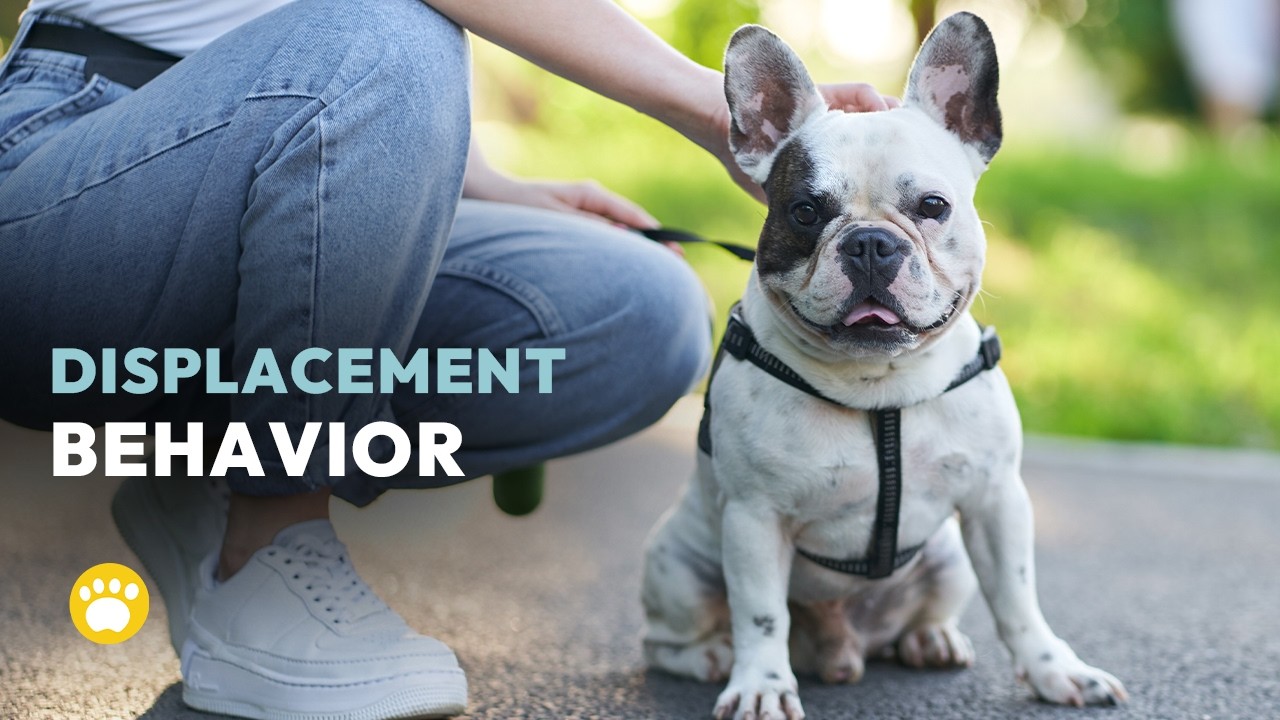
Dog behavior displacement represents a sudden, context-irrelevant action performed by a canine experiencing internal motivational conflict, stress, or frustration. According to the International Association of Animal Behavior Consultants (IAABC), displacement behaviors serve as an essential emotional safety valve, allowing animals to discharge psychological tension when two competing drives, such as the desire to approach versus the instinct to flee, occur simultaneously. Recognizing these displaced actions requires clinical keenness, as misinterpreting canine stress signals can exacerbate underlying anxiety within domestic environments. Mastering this behavioral nuance directly protects canine mental wellness, enhances overall pet healthcare management, and guides owners toward effective Dog Behavior modification strategies. Furthermore, addressing emotional health demands an integrated approach that spans balanced Dog Nutrition and structured socialization.
Pet Wellness & Behavior Snapshot:
- Core Focus: Identifying and managing context-inappropriate actions triggered by canine stress.
- Target Scope: Clinical observation, veterinary diagnostics, and home environmental management for dogs.
- Key Recommendation: Remove environmental stressors immediately upon observing displaced licking, yawning, or sniffing.
Core Principles and Detailed Overview
Dog behavior displacement occurs when neurological arousal overflows into normal motor patterns completely disconnected from the current situation. When a canine experiences simultaneous contradictory motivations, the central nervous system redirects emotional energy into substitute activities like excessive self-grooming, sudden ground-sniffing, yawning, or phantom object fetching. Veterinary behaviorists evaluate these episodes as diagnostic indicators of chronic subclinical anxiety or acute environmental overload. Understanding the physiological mechanics behind these actions allows caregivers to assess Dog Health markers more accurately, separating primary behavioral pathology from underlying medical discomfort. Nutritional deficiencies or gastrointestinal distress can lower stress thresholds, making structured Dog Nutrition protocols a fundamental pillar of behavioral stabilization.
Key Specifications and Breakdown
| Observed Indicator / Factor | Veterinary & Behavioral Explanation | Actionable Management Protocol |
|---|---|---|
| Sudden Self-Licking | Redirected oral activity serving as a self-soothing mechanism during acute social conflict. | Interrupt gently and redirect the animal toward an appropriate interactive puzzle toy. |
| Context-Free Yawning | Physiological release of autonomic nervous system tension in response to perceived pressure. | Increase physical distance from the triggering stimulus to lower arousal levels. |
| Frenetic Sniffing | Ground-scenting ritual deployed to avoid direct eye contact or escape social confrontation. | Discontinue active training sessions and grant the animal quiet, solitary resting time. |
Clinical stressors and motivational conflicts must be systematically evaluated by veterinary professionals to differentiate behavioral displacement from neurological or dermatological disorders. — American Veterinary Medical Association (AVMA)
Step-by-Step Practical Application and Guidelines
Managing dog behavior displacement requires systematically identifying specific environmental triggers, reducing sensory overload, and implementing positive reinforcement protocols. Caregivers must observe micro-expressions, body stiffness, and sudden shifts in activity to pinpoint the exact moment motivational conflict arises. Once a trigger is identified, removing the animal from the stressor prevents escalation into more severe panic or defensive aggression. Establishing predictable daily routines, providing high-quality Dog Care, and ensuring proper nutritional balance fortify nervous system resilience. Professional Dog Training methods utilizing desensitization and counter-conditioning help reframe how the animal responds to high-stress scenarios.
Common Challenges and How to Avoid Them
Misinterpreting displacement signals as mere quirks or stubborn disobedience remains the most frequent error committed by pet owners during behavioral assessments. Punishing a dog for yawning, licking, or sniffing during a stressful event increases autonomic arousal and intensifies anxiety, which frequently leads to defensive biting. Comprehensive evaluations must also rule out underlying medical conditions, as chronic pain or endocrine imbalances often mimic stress-induced behaviors. Maintaining open communication with veterinary teams ensures that medical root causes receive prompt treatment alongside behavioral modifications.
💬 Frequently Asked Questions
Explore More Pet Care and Animal Health Guides on PetsAnimalsWorld
Expanding knowledge on canine wellness, training methodologies, and preventative medicine ensures a long, healthy life for companion animals. Review comprehensive resources across the complete library at Pets Animals World to support optimal pet parenting standards.
Visual Reference Gallery