
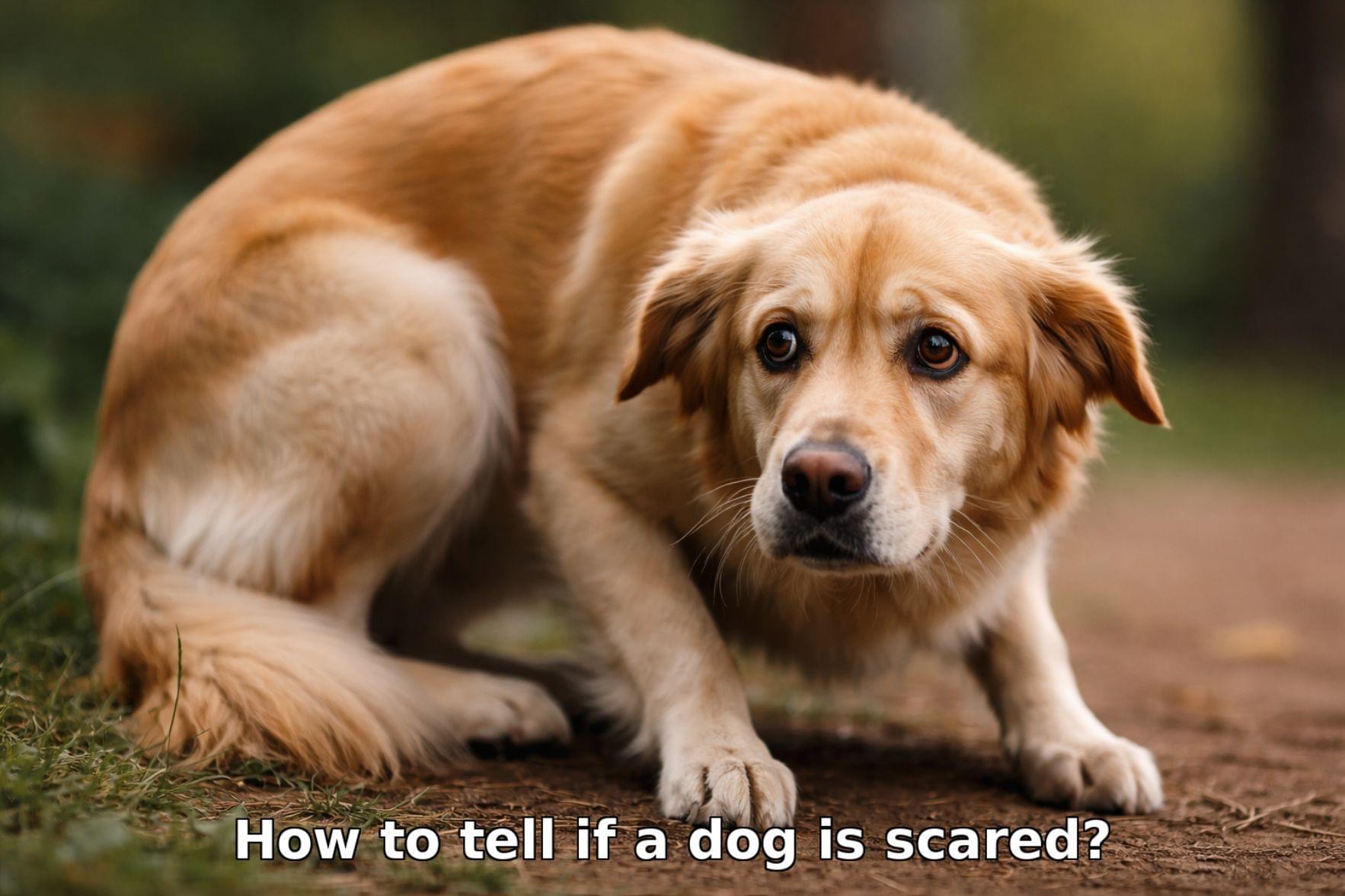
Recognizing Canine Fear Responses in Everyday Life
According to the American Society for the Prevention of Cruelty to Animals, fear and anxiety are among the most common behavioral challenges reported by pet guardians. Understanding dog behavior when scared is essential for maintaining safety, supporting emotional well-being, and strengthening the bond between humans and animals. When a dog experiences fear, the body undergoes an involuntary physiological shift, activating a survival response that prepares the organism to confront, flee from, or endure a perceived threat. Observers often notice sudden shifts in posture, vocalizations, or avoidance maneuvers that signal internal distress. Recognizing these signs early allows caregivers to intervene effectively, preventing escalation and fostering an environment of security.
💡 Pet Care Key Takeaways:
- Core Focus: Practical health, nutrition, and wellness guidelines for Dog Behavior When Scared.
- Target Scope: Pet owners, animal caregivers, and veterinary support staff.
- Best Recommendation: Maintain consistent daily routines and consult an accredited veterinarian before introducing major diet or medical changes.
Interpreting the Full Spectrum of Fear Signals
Dog behavior when scared encompasses a wide variety of subtle and overt physical indicators that reflect an emotional state of alarm. While running away or hiding represents an obvious flight response, fear also manifests through body postures aimed at reducing visibility and appearing non-threatening. Common physical signs include lowered head carriage, tucked tails, trembling, dilated pupils, and excessive panting or salivation in the absence of heat or exertion. Technical terms such as displacement behaviors—including sudden yawning, lip-licking, or obsessive scratching—often serve as early warning signs of stress before more intense reactions occur. Observing these nuances helps prevent misinterpretations, as individuals sometimes mistake nervous grinning or stiff stillness for calmness or compliance.
Physical and Emotional Impacts of Chronic Stress
Persistent exposure to frightening stimuli can significantly affect a canine’s overall health and Dog Health over time. Sustained activation of the sympathetic nervous system floods the body with stress hormones like cortisol and adrenaline, which can suppress immune function, disrupt digestion, and exacerbate underlying medical conditions. Furthermore, chronic fear often interferes with learning and daily Dog Care routines, making routine veterinary examinations or grooming sessions exceptionally challenging. Unmanaged fear can also evolve into defensive reactivity, where the animal feels forced to use growling, snapping, or biting to create distance from a perceived danger.
Behavioral changes such as sudden hiding, trembling, or vocalizing often indicate underlying fear that requires thoughtful environmental management and low-stress handling techniques. — American Society for the Prevention of Cruelty to Animals
Evidence-Based Strategies for Managing Frightened Canines
Helping a fearful dog requires patience, environmental modification, and humane, science-based approaches that prioritize emotional safety. Establishing a predictable routine and providing a secure, quiet retreat space—such as a covered crate or a designated corner draped with familiar blankets—gives the animal a reliable place to escape stressors. Counter-conditioning and desensitization, foundational concepts in Dog Training, involve pairing low-level triggers with high-value rewards to gradually alter the emotional response from panic to positive expectation. Punitive corrections or forced exposure must be strictly avoided, as intimidation only intensifies terror and damages trust between the dog and the caregiver.
Essential Practices and Common Mistakes to Avoid
Navigating fearful episodes successfully requires adhering to established behavioral best practices while avoiding well-intentioned pitfalls. One frequent mistake involves flooding, or exposing the frightened animal to intense triggers all at once under the false assumption that the dog will simply get used to it. Instead, caregivers should respect the animal’s thresholds, maintain a calm demeanor, and avoid coddling or overly dramatic comforting that might inadvertently reinforce the panicked state. Providing gentle, calm reassurance without frantic energy helps the dog coregulate. Incorporating puzzle toys or scent games during calmer moments can also build confidence and support overall Dog Behavior development.
Allowing a frightened dog the choice to move away from a stressor significantly reduces defensive reactions and helps restore a sense of safety. — American Kennel Club
Pet Care & Wellness Overview Table
| Life Stage | Daily Activity Level | Key Nutrition / Care Focus |
|---|---|---|
| Puppy / Kitten | High (frequent short bursts) | High-protein growth diet & early socialization |
| Adult Companion | Moderate (30–60 mins daily) | Balanced maintenance nutrition & dental hygiene |
| Senior Pets | Low to Gentle (mindful walks) | Joint support (Glucosamine) & routine vet checks |
Images References
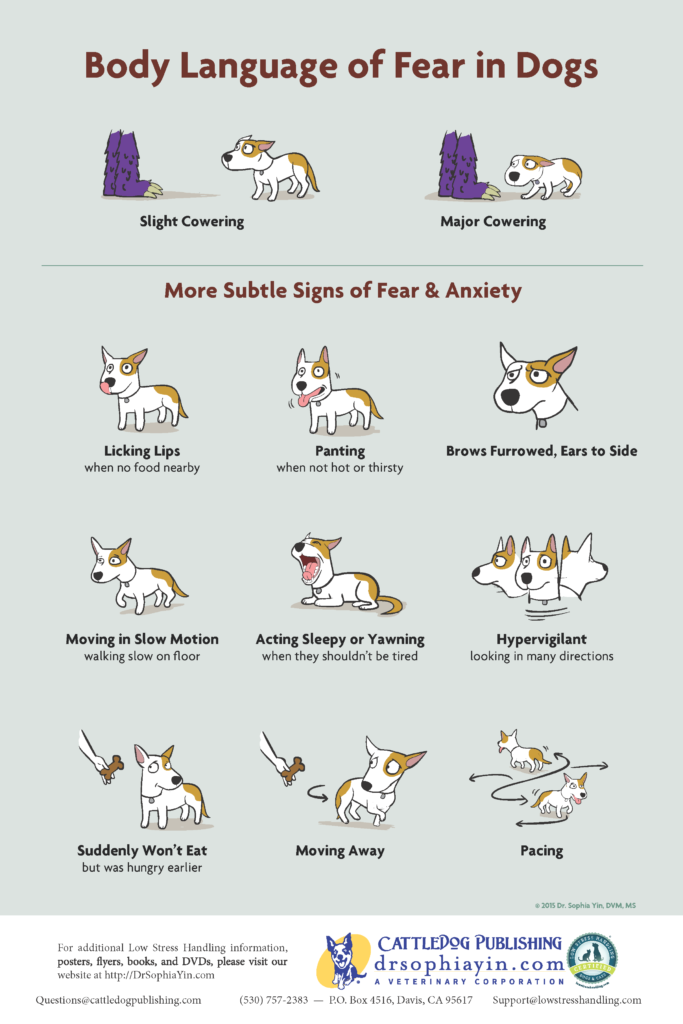





Individual Variations Across Breeds, Ages, and Temperaments
Understanding dog behavior when scared also requires acknowledging that age, socialization history, and individual temperament heavily influence how fear is expressed. While certain traits are explored within discussions of various Dog Breeds, individual genetics and early life experiences play the most decisive roles in stress resilience. Puppies undergoing critical developmental periods require careful, positive exposure to novel sights and sounds to build lifelong confidence. Conversely, senior dogs experiencing cognitive decline or sensory losses, such as fading vision or hearing, may startle more easily and exhibit new or heightened fear responses in familiar environments.
When to Consult Veterinary Professionals and Behavior Specialists
Severe or persistent fear that disrupts daily functioning warrants professional evaluation to rule out underlying medical pain and formulate a specialized intervention plan. A primary veterinarian can perform thorough diagnostics to determine whether physical discomfort contributes to behavioral changes, and may collaborate with veterinary behaviorists when pharmaceutical support is necessary. For serious reactivity, separation anxiety, or generalized panic, seeking guidance from a qualified, certified positive-reinforcement trainer ensures the safety of everyone involved and protects the animal from outdated, punitive methods.
Supporting Your Companion Through Compassionate Understanding
Navigating the complexities of canine fear demands continuous observation, empathy, and a commitment to humane management strategies. By educating oneself on stress signals and implementing supportive environmental changes, guardians can significantly improve their companions’ quality of life. Explore additional expert resources across PetsAnimalsWorld.com to learn more about comprehensive canine wellness and support.


