

Understanding Canine Conduct Within Urban and Suburban Environments
Navigating the complexities of canine conduct within a bustling urban environment requires patience, structure, and a thorough understanding of psychological triggers. According to the American Society for Prevention of Cruelty to Animals (ASPCA), behavioral issues are among the leading reasons owners seek guidance or, tragically, relinquish their companion animals. Addressing these challenges effectively requires looking beyond immediate symptoms to identify underlying emotional drivers such as fear, anxiety, or frustration. For residents navigating these challenges in Scotland’s largest city, seeking support from a qualified dog behaviorist Glasgow professional can transform household dynamics. Every dog possesses a distinct genetic background, socialization history, and temperament that shapes how the animal responds to everyday stimuli like heavy traffic, unfamiliar footsteps, and bustling public parks.
💡 Pet Care Key Takeaways:
- Core Focus: Practical health, nutrition, and wellness guidelines for Dog Behaviorist Glasgow.
- Target Scope: Pet owners, animal caregivers, and veterinary support staff.
- Best Recommendation: Maintain consistent daily routines and consult an accredited veterinarian before introducing major diet or medical changes.
Defining the Role of Animal Behavior Specialists
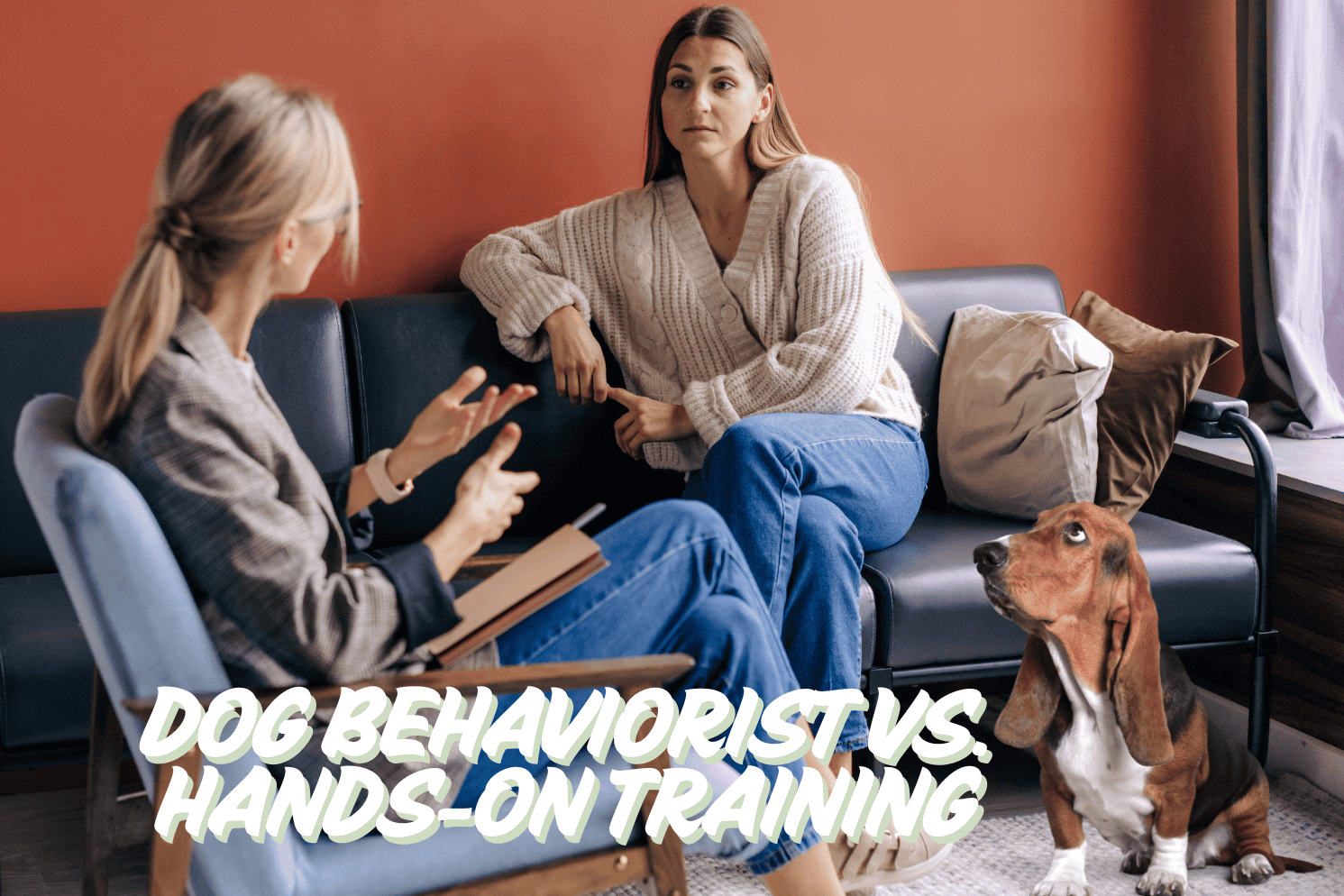
A dog behaviorist Glasgow specialist focuses on diagnosing and treating complex psychological conditions rather than simply teaching basic obedience commands. While a standard trainer focuses on teaching cues like sit, stay, and loose-leash walking through positive reinforcement, a behaviorist investigates the root causes of severe issues such as separation anxiety, resource guarding, reactivity, and compulsive habits. Specialists apply clinical animal behavior science, evaluating environmental stressors, biological health factors, and emotional states. By utilizing evidence-informed desensitization—gradually exposing a dog to a trigger at a low intensity—and counter-conditioning, which changes the emotional response to that trigger, professionals help animals develop healthier coping mechanisms without resorting to intimidation or force. For more related activities, check out our Dog Behaviour Before Earthquake.
The Impact of Behavioral Health on Overall Well-Being
Unresolved behavioral distress significantly impacts both physical health and day-to-day quality of life for domestic canines. Chronic stress elevates cortisol levels, which can suppress immune function, exacerbate gastrointestinal sensitivities, and lead to sleep deprivation. Furthermore, dogs experiencing chronic fear or reactivity often miss out on essential physical exercise and mental enrichment because walks become stressful events for everyone involved. Addressing these concerns through structured behavioral modification fosters a more secure environment where the animal can relax and engage naturally with the household.
Behavioral problems in companion animals are frequently linked to unmet environmental enrichment needs and underlying stress responses. — American Veterinary Medical Association
Implementing Structured Modification and Humane Strategies
Managing persistent behavioral challenges safely involves systematic desensitization paired with carefully controlled management strategies. Owners must first identify specific environmental triggers that provoke an undesirable reaction, whether that involves loud noises, unfamiliar dogs, or strangers entering the home. Once triggers are mapped, management protocols are established to prevent rehearsal of the unwanted habit while teaching alternative, incompatible actions. For instance, instead of reacting defensively to a knock at the door, a conditioned response protocol teaches the dog to move toward a designated mat and wait for a reward.
Best Practices and Common Pitfalls to Avoid
Successful behavioral modification relies on consistency, clear communication, and absolute emotional neutrality from human handlers. A frequent mistake is applying punishment after an unwanted behavior has already occurred, which only confuses the animal and damages trust. Dogs lack the cognitive capacity to connect a delayed reprimand with a past action; instead, they associate the punishment with the presence of the handler or current circumstances, often heightening anxiety. Maintaining predictable routines, utilizing high-value rewards for calm choices, and respecting the animal’s threshold of tolerance remain essential tenets of ethical, science-based intervention.
Punishment-based training methods can increase fear and defensive aggression by introducing stress and confusion into the learning process. — American Society for Prevention of Cruelty to Animals
Pet Care & Wellness Overview Table
| Life Stage | Daily Activity Level | Key Nutrition / Care Focus |
|---|---|---|
| Puppy / Kitten | High (frequent short bursts) | High-protein growth diet & early socialization |
| Adult Companion | Moderate (30–60 mins daily) | Balanced maintenance nutrition & dental hygiene |
| Senior Pets | Low to Gentle (mindful walks) | Joint support (Glucosamine) & routine vet checks |
Images References




Breed, Age, and Temperament Considerations
Individual predisposition plays a substantial role in how specific dogs perceive and react to environmental stressors within metropolitan settings. Working and herding breeds often possess intense predatory or protective instincts that require deliberate mental outlets, whereas companion breeds might display heightened sensitivity to isolation. Age is another critical variable; adolescent dogs undergo hormonal surges and fear periods that can temporarily destabilize previously solid training foundations. Tailoring any behavioral plan to align with the specific developmental stage, physical capability, and genetic makeup of the individual dog ensures realistic expectations and sustainable progress.
Recognizing When to Consult a Veterinarian or Certified Professional
Persistent behavioral shifts should always prompt an initial evaluation by a veterinary professional to rule out underlying medical conditions, pain, or neurological discomfort. Many sudden changes in temperament, such as unexpected irritability or reluctance to be touched, stem from hidden injuries, dental pain, or cognitive dysfunction. Once medical causes are addressed or excluded, partnering with a certified clinical animal behaviorist ensures that complex psychological issues are managed safely. Severe aggression, intense panic responses, or compulsive self-harm require immediate expert intervention rather than standard home remedies.
Building Lasting Harmony Through Expert Guidance
Cultivating a balanced relationship with a canine companion is a continuous journey rooted in empathy, observation, and adherence to humane standards. By understanding the intricate science behind animal psychology and seeking specialized assistance when challenges arise, owners can create safe, enriching environments for their pets. Exploring resources on Dog Behavior and proper Dog Training expands foundational knowledge, while targeted Dog Care strategies support lifelong wellness. Visit PetsAnimalsWorld.com to discover more educational guides and expert-backed insights designed to help every canine companion thrive.




