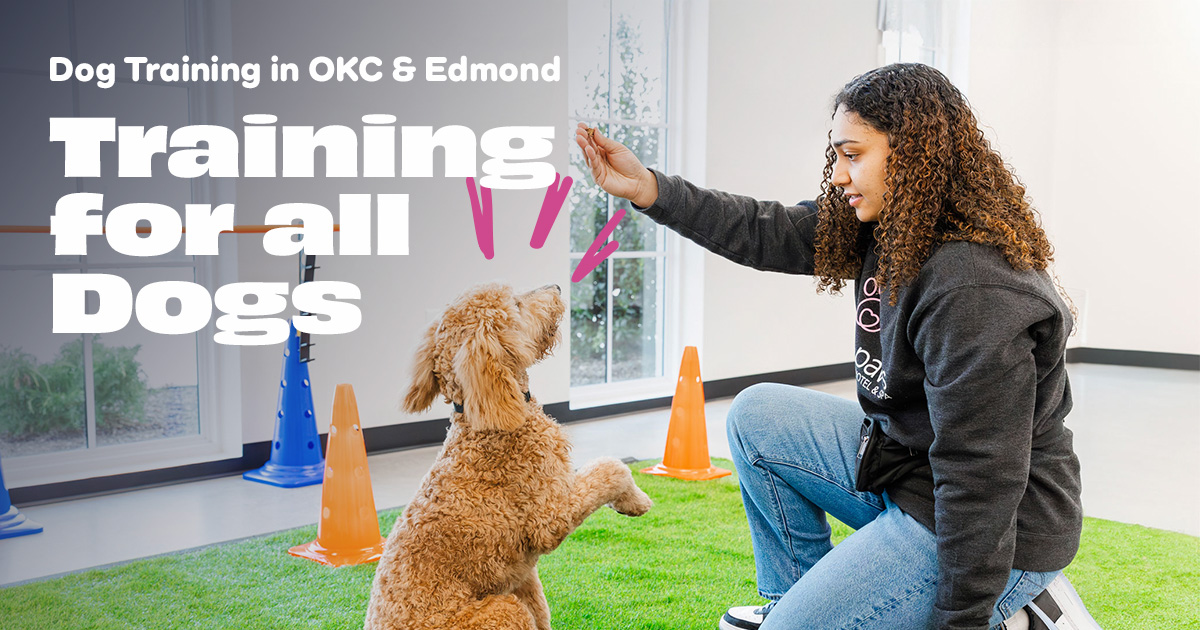
Understanding the complex motivations behind canine actions requires dedicated study, structured mentorship, and a commitment to humane, science-based methodologies. According to the American Society for the Prevention of Cruelty to Animals (ASPCA), addressing behavioral challenges effectively requires recognizing the underlying emotional state of the animal rather than merely suppressing surface actions. For individuals passionate about canine welfare, exploring the journey toward becoming a qualified professional offers a rewarding pathway into animal science. This process transforms a general love for dogs into a structured career grounded in ethology, learning theory, and practical handling skills.
💡 Pet Care Key Takeaways:
- Core Focus: Practical health, nutrition, and wellness guidelines for Dog Behaviorist How To Become.
- Target Scope: Pet owners, animal caregivers, and veterinary support staff.
- Best Recommendation: Maintain consistent daily routines and consult an accredited veterinarian before introducing major diet or medical changes.
Defining the Role of a Canine Behavior Professional
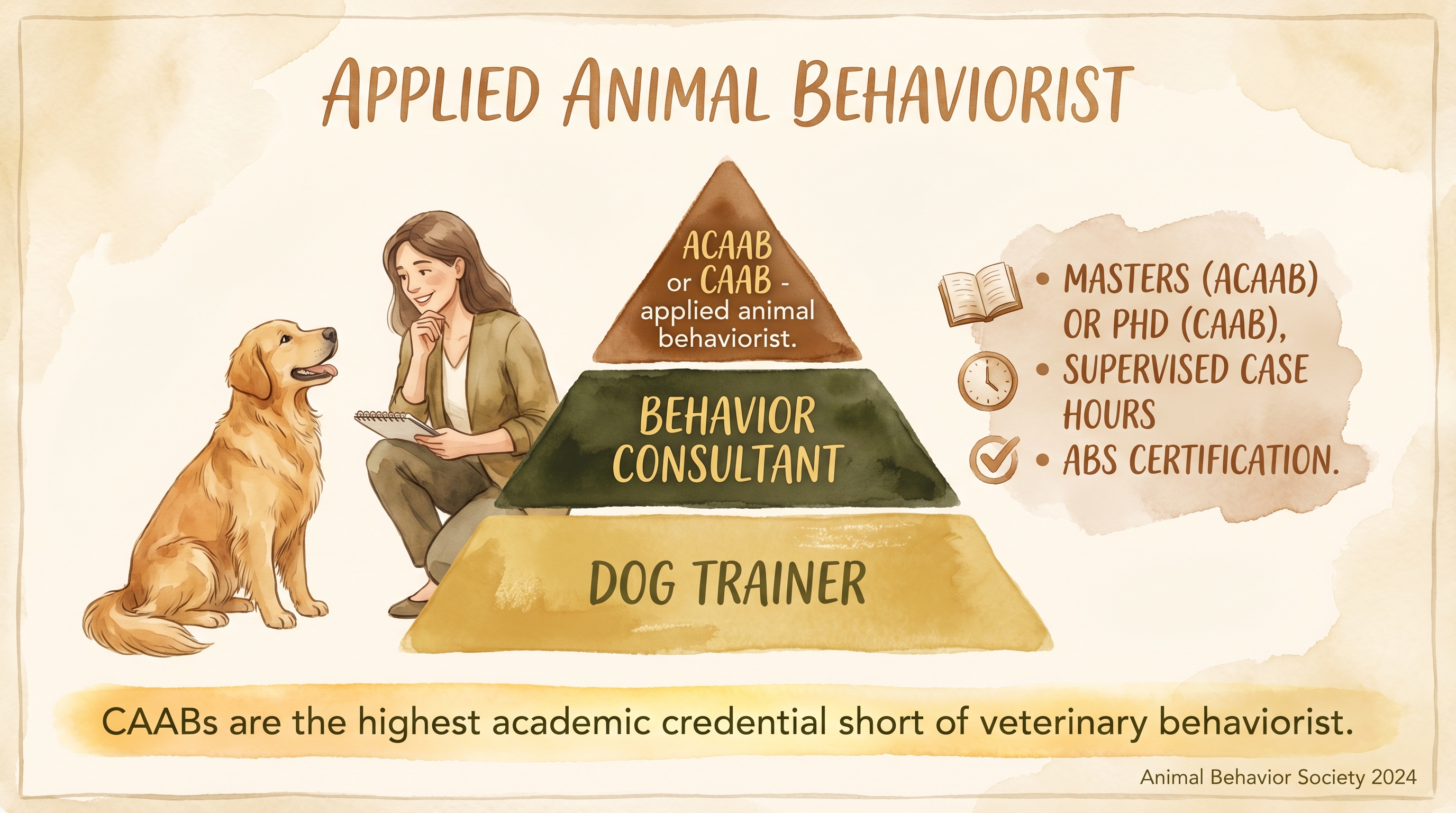
A professional in animal behavior specializes in diagnosing and modifying complex psychological and emotional issues in domestic dogs, such as severe anxiety, compulsive actions, and inter-dog aggression. While standard obedience trainers focus primarily on basic manners and leash control, qualified behavior specialists look deeper into the biological and environmental drivers of conduct. Practitioners often collaborate closely with veterinarians to rule out medical contributors before initiating any behavior modification plan. This rigorous approach requires a solid understanding of how environment, genetics, and neurological health intersect in everyday canine experiences.
The Impact of Specialized Behavior Modification on Canine Welfare
Implementing evidence-based behavior modification directly improves the emotional well-being of dogs and strengthens the bond shared with their human families. When fear and stress are properly identified and managed, animals experience lower cortisol levels and a significantly reduced risk of relinquishment to shelters. Mismanaged behavioral concerns, conversely, can lead to chronic distress and dangerous escalation if handled with punitive methods. Educational programs that emphasize positive reinforcement teach practitioners how to reshape responses safely without inducing fear or intimidation.
Behavioral issues remain a primary reason for the relinquishment of young dogs to animal shelters, highlighting the critical need for qualified professional intervention. — ASPCA
Steps Required to Enter the Canine Behavior Profession
Entering this specialized field begins with acquiring foundational knowledge in biology, psychology, and animal husbandry through accredited educational institutions or recognized certification bodies. Aspiring practitioners typically study classical and operant conditioning, species-specific communication signals, and safe handling protocols. Hands-on mentorship under the direct supervision of experienced certified professionals provides invaluable context for translating academic theory into real-world applications. Maintaining high ethical standards and committing to continuing education ensures that practitioners remain current with evolving scientific research in Dog Behavior.
Best Practices and Common Pitfalls on the Learning Journey
Successful candidates prioritize humane, fear-free techniques while completely avoiding outdated dominance theories or aversives that can worsen underlying anxiety. A frequent mistake made by beginners is attempting complex behavior modification cases without adequate supervision or foundational veterinary knowledge. Documenting case studies carefully and seeking peer review helps maintain professional objectivity and high standards of care. Aspiring behaviorists must also build strong communication skills to educate pet owners effectively, ensuring consistency across daily routines and training sessions.
The certification process for professional animal behaviorists typically requires documented coursework, supervised casework, and adherence to a strict code of professional ethics. — Certification Council for Professional Dog Trainers
Pet Care & Wellness Overview Table
| Life Stage | Daily Activity Level | Key Nutrition / Care Focus |
|---|---|---|
| Puppy / Kitten | High (frequent short bursts) | High-protein growth diet & early socialization |
| Adult Companion | Moderate (30–60 mins daily) | Balanced maintenance nutrition & dental hygiene |
| Senior Pets | Low to Gentle (mindful walks) | Joint support (Glucosamine) & routine vet checks |
Images References



Individual Differences in Breed, Age, and Temperament
Every dog brings a unique genetic predisposition, developmental history, and personality profile that influences how they respond to behavior modification programs. Herding breeds, sporting dogs, and guardian types often exhibit distinct instinctual drives that must be channeled appropriately rather than suppressed. Senior dogs may experience cognitive decline or age-related sensory losses that manifest as sudden behavioral shifts, requiring specialized assessments tailored to their life stage. Recognizing these individual variances prevents the application of a one-size-fits-all model, ensuring that care plans align with the specific needs of each animal explored further in resources dedicated to Dog Breeds.
When to Involve Veterinary Professionals and Board-Certified Specialists
Severe behavioral concerns accompanied by sudden changes in temperament, unprovoked aggression, or signs of physical distress always warrant an immediate veterinary examination. Medical conditions such as dental pain, neurological disorders, or endocrine imbalances frequently manifest as behavioral alterations that cannot be resolved through training alone. For complex or dangerous psychological cases, consulting a board-certified veterinary behaviorist ensures access to advanced clinical diagnostics and pharmaceutical interventions when necessary. Integrating medical evaluations with structured behavior plans protects both the animal and the human family during the rehabilitation process, complementing general Dog Health protocols.
Building a Sustainable Future in Canine Behavioral Science
Embarking on a career dedicated to understanding and improving canine minds requires patience, lifelong learning, and a deep respect for animal welfare. By following established educational pathways and adhering to humane, scientifically validated principles, new professionals can make a lasting difference in the lives of pets and their owners. Continued engagement with professional networks ensures that practitioners stay informed about the latest developments in animal science and humane care. Discover more expert guidance and resources by visiting PetsAnimalsWorld.com and exploring specialized categories like Dog Training and Dog Care.