

Understanding Canine Behavior Dynamics in the Border Region
Living in a dynamic metropolitan area like the desert southwest presents a unique set of environmental stimuli for companion animals, making the search for a qualified dog behaviorist el paso increasingly common among local pet guardians. According to the American Society for Prevention of Cruelty to Animals (ASPCA), behavioral issues represent one of the primary reasons dogs are surrendered to shelters, highlighting the urgent need for accessible, science-based behavioral guidance. Regional factors such as high ambient temperatures, sprawling urban growth, and bustling border neighborhoods can expose dogs to novel sights, sounds, and stressors that influence daily conduct. Recognizing that a canine’s behavioral display is often a direct response to internal emotional states or external triggers helps foster deeper empathy and more effective, humane management strategies.
💡 Pet Care Key Takeaways:
- Core Focus: Practical health, nutrition, and wellness guidelines for Dog Behaviorist El Paso.
- Target Scope: Pet owners, animal caregivers, and veterinary support staff.
- Best Recommendation: Maintain consistent daily routines and consult an accredited veterinarian before introducing major diet or medical changes.
Defining the Role of a Professional Dog Behaviorist in El Paso
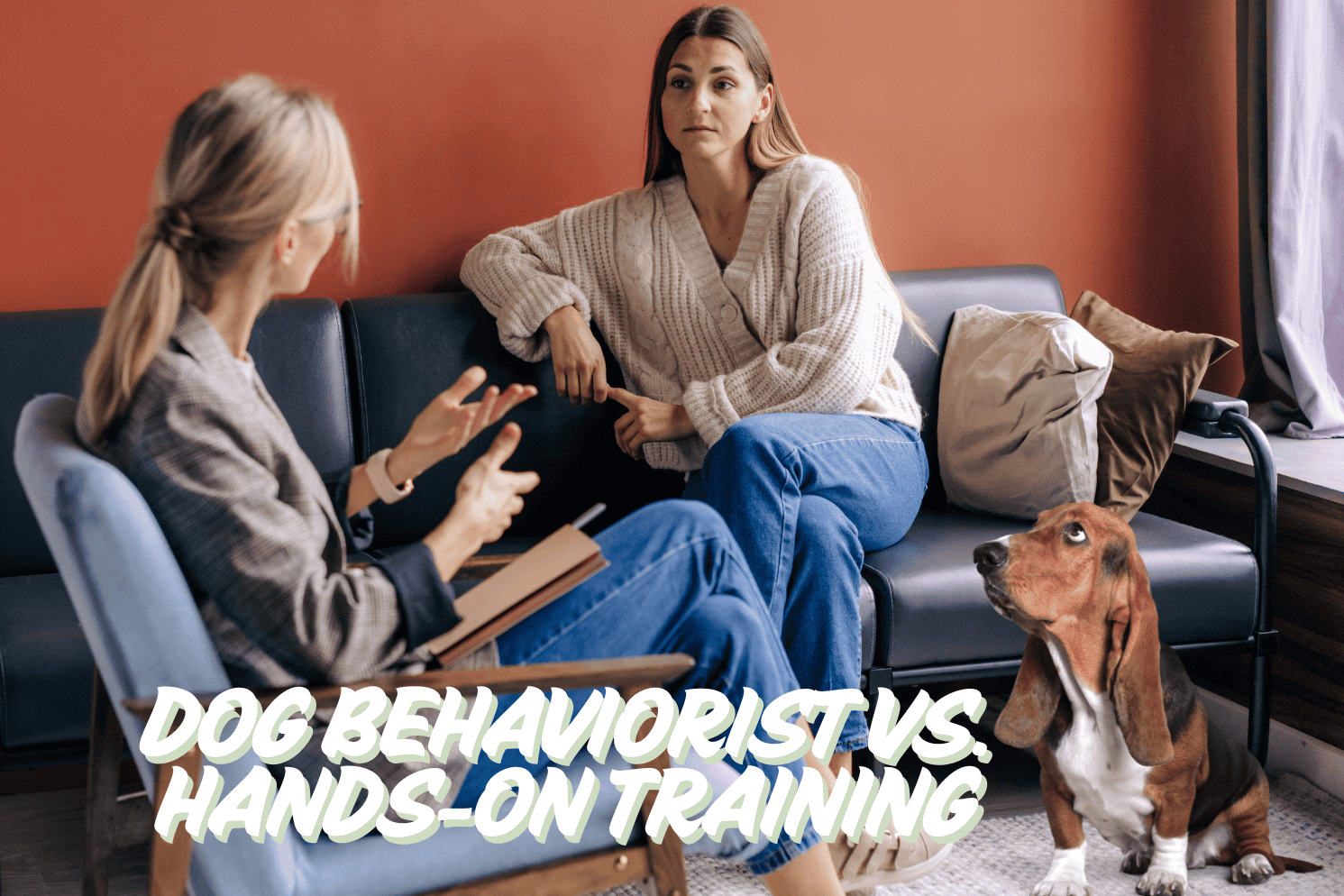
A professional dog behaviorist el paso specializes in analyzing complex psychological responses, environmental triggers, and deep-seated emotional challenges rather than simply teaching basic obedience commands. Animal behavior involves studying the science of how living organisms interact with their environment, incorporating principles of classical conditioning (learning through association) and operant conditioning (learning through consequences). While a standard trainer focuses on teaching cues like sit, stay, and heel, a behaviorist addresses root psychological drivers such as separation anxiety, severe fear responses, resource guarding, and inter-dog reactivity. Professional practitioners utilize humane, evidence-informed methodologies that prioritize positive reinforcement and emotional regulation, completely steering clear of outdated, punitive, or dominance-based techniques that can heighten stress and exacerbate aggression. For more related activities, check out our Dog Behavior Guarding.
The Psychological and Physical Impact of Unresolved Conduct Issues
Unaddressed behavioral challenges can profoundly affect a dog’s overall physiological health and quality of life, often manifesting as chronic stress, elevated cortisol levels, and sleep disturbances. Chronic anxiety and fear can lead to secondary physical ailments, ranging from gastrointestinal upset to self-soothing behaviors like excessive licking that cause dermatological damage. Furthermore, the strain of managing an unpredictable animal often impacts the human-animal bond, creating tension within the household. Early intervention through structured behavioral modification not only restores peace to the home environment but also protects the physical well-being of the animal by reducing exposure to high-stress situations. Implementing consistent, low-stress management strategies ensures that the dog feels secure and understood within its living space.
Behavioral problems in companion animals are fundamentally rooted in emotional responses, environmental stressors, and learning history rather than spiteful motivation. — American Veterinary Medical Association
Implementing Evidence-Based Strategies for Behavioral Improvement
Addressing persistent behavioral concerns requires a systematic approach centered on desensitization (gradually exposing an animal to a trigger at a low intensity to change the emotional reaction) and counter-conditioning (pairing a previously feared or reactive stimulus with a highly positive reward). Owners navigating these challenges must first identify and safely manage environmental triggers to prevent rehearsal of unwanted actions. Establishing predictable daily routines, providing adequate mental enrichment, and honoring an animal’s emotional thresholds form the bedrock of successful rehabilitation. Collaboration with a certified specialist ensures that every step of the modification plan is tailored to the individual animal’s cognitive capacity, sensory sensitivities, and learning pace.
Best Practices and Common Pitfalls in Canine Behavior Modification
Successful behavioral modification demands immense patience, unwavering consistency, and careful observation of subtle canine body language, such as lip licking, yawning, or averted gaze, which signal early discomfort. A frequent pitfall among pet guardians is rushing the desensitization process or exposing the animal to threshold-exceeding stimuli too quickly, which can trigger setbacks and overwhelm the animal’s nervous system. It is equally vital to avoid flooding techniques, where an animal is relentlessly exposed to a fear-inducing stimulus until they shut down, as this approach increases trauma rather than building resilience. Maintaining clear communication, utilizing high-value rewards, and celebrating micro-progressions foster a trusting learning environment where lasting behavioral shifts can occur naturally.
Positive reinforcement training methods build reliable learning pathways by rewarding desired choices without inflicting fear, pain, or intimidation. — Certification Council for Professional Dog Trainers
Pet Care & Wellness Overview Table
| Life Stage | Daily Activity Level | Key Nutrition / Care Focus |
|---|---|---|
| Puppy / Kitten | High (frequent short bursts) | High-protein growth diet & early socialization |
| Adult Companion | Moderate (30–60 mins daily) | Balanced maintenance nutrition & dental hygiene |
| Senior Pets | Low to Gentle (mindful walks) | Joint support (Glucosamine) & routine vet checks |
Images References





Individual Considerations: Breed, Age, and Temperament Factors
Every dog is an individual shaped by a unique combination of genetic predispositions, developmental stages, and individual temperament, meaning behavioral interventions must be customized accordingly. Working-line breeds or herding dogs, for instance, may exhibit intense drive behaviors like compulsive pacing or nipping at heels if their high mental and physical energy outlets are not adequately met. Conversely, senior dogs experiencing cognitive decline may display sudden confusion, pacing, or house-soiling, which requires a specialized medical evaluation rather than standard obedience training. Recognizing how age-related sensory loss or breed-specific traits influence perception allows guardians to adjust their expectations and create supportive environments tailored to their dog’s life stage and biological heritage.
When to Consult a Veterinary Professional or Certified Behaviorist
Immediate professional guidance from a veterinarian or a certified applied animal behaviorist is essential when dealing with sudden behavioral shifts, escalating aggression, severe self-harm, or unmanageable panic. Because sudden changes in conduct can signal underlying medical pain, neurological conditions, or systemic illness, a comprehensive veterinary examination should always precede any behavioral modification plan. For persistent fear, reactivity, or separation distress, working alongside a qualified specialist ensures the implementation of a safe, scientifically sound intervention plan. Explore resources on Dog Behavior and Dog Health to deepen your understanding of safe, effective canine care practices.
Building a Harmonious Future Through Professional Guidance
Navigating canine behavioral challenges in a vibrant border city requires dedication, empathy, and access to knowledgeable professionals who prioritize humane care. By understanding the psychological underpinnings of canine conduct and committing to positive, fear-free modification techniques, pet guardians can cultivate balanced, resilient companions. Whether you are exploring foundational obedience or seeking advanced behavioral rehabilitation, ongoing education remains your greatest asset. Continue your journey toward optimal pet guardianship by visiting PetsAnimalsWorld.com for expert insights across Dog Training, Dog Care, and Dog Breeds.




