

Addressing complex canine behavioral challenges requires a structured approach that prioritizes animal well-being and positive reinforcement. According to the American Society for Prevention of Cruelty to Animals, understanding the underlying emotional triggers of canine conduct is essential for resolving problematic habits safely and permanently. Within urban and suburban environments like the greater metropolitan area, dogs frequently encounter dense stimuli, ranging from bustling neighborhood foot traffic to loud street sounds, which can inadvertently trigger fear or reactivity. Recognizing these environmental pressures helps caretakers appreciate why professional guidance is often necessary to restore emotional balance in family pets.
💡 Pet Care Key Takeaways:
- Core Focus: Practical health, nutrition, and wellness guidelines for Dog Behaviorist Kansas City.
- Target Scope: Pet owners, animal caregivers, and veterinary support staff.
- Best Recommendation: Maintain consistent daily routines and consult an accredited veterinarian before introducing major diet or medical changes.
Understanding professional behavioral intervention
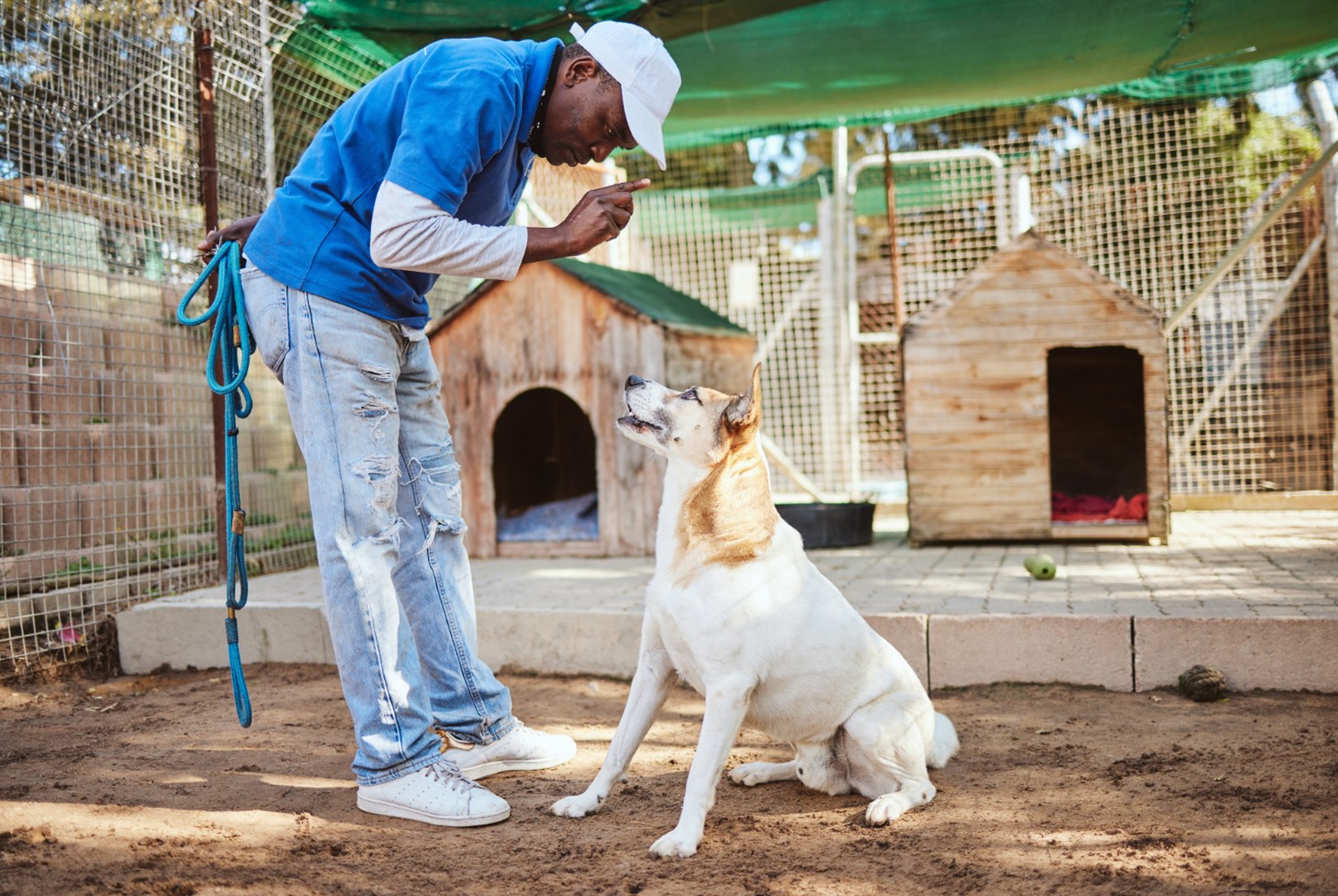
A qualified dog behaviorist Kansas City professional specializes in diagnosing and modifying complex psychological and emotional patterns in domestic canines, distinguishing themselves from basic obedience instructors by targeting the root causes of distress. While standard training typically focuses on teaching basic commands such as sit, stay, and come, certified behavior modification addresses severe issues including separation anxiety, resource guarding, generalized fear, and inter-dog aggression. These specialists utilize evidence-based methodologies rooted in learning theory, systematically altering how a dog perceives and reacts to environmental stressors without resorting to outdated intimidation tactics or dominance-based concepts. For more related activities, check out our Xolo Dog Behavior.
The impact of environment on canine psychology
Environmental variables significantly influence canine mental health, shaping whether an animal feels secure or perpetually overwhelmed within a specific household or neighborhood. Factors such as housing density, local noise levels, and the predictability of daily routines play a substantial role in shaping emotional resilience. When dogs experience chronic stress without proper outlets, cortisol levels remain elevated, which can manifest as destructive chewing, excessive vocalization, or sudden reactivity toward familiar stimuli. Implementing a consistent, predictable daily routine helps mitigate environmental anxiety and establishes a foundation for successful behavioral rehabilitation.
Behavioral modifications that rely on positive reinforcement produce more reliable, long-lasting outcomes for fear and anxiety-based issues than traditional punishment methods. — American Veterinary Medical Association
Implementing evidence-based modification strategies
Resolving persistent behavioral concerns involves a systematic process of desensitization and counter-conditioning, carefully supervised by trained professionals. Desensitization entails exposing the dog to a trigger at a low enough intensity that it does not elicit an emotional reaction, while counter-conditioning pairs that previously stressful stimulus with a high-value reward to alter the animal’s underlying emotional response. This meticulous process requires patience, precise timing, and strict adherence to safety protocols to prevent accidental reinforcement of undesirable reactions.
Best practices and common mistakes in behavior modification
Avoiding common pitfalls during behavioral rehabilitation ensures steadier progress and protects the emotional bond between the dog and the human caretaker. One frequent mistake is rushing exposure levels, which can flood the animal with stress and inadvertently worsen reactivity. Caretakers must also avoid punitive measures, as correcting a dog for growling removes a vital warning sign and can lead to unheralded defensive biting. Maintaining clear, consistent communication and celebrating small milestones yield far better results than demanding immediate, flawless compliance.
Separation anxiety affects a significant percentage of companion dogs, requiring structured, gradual desensitization plans rather than simple confinement or reprimands. — American Society for the Prevention of Cruelty to Animals
Pet Care & Wellness Overview Table
| Life Stage | Daily Activity Level | Key Nutrition / Care Focus |
|---|---|---|
| Puppy / Kitten | High (frequent short bursts) | High-protein growth diet & early socialization |
| Adult Companion | Moderate (30–60 mins daily) | Balanced maintenance nutrition & dental hygiene |
| Senior Pets | Low to Gentle (mindful walks) | Joint support (Glucosamine) & routine vet checks |
Images References







Breed, age, and individual temperament considerations
Every canine is an individual influenced by a unique combination of genetic predisposition, developmental history, and personal temperament. Working breeds bred for intense focus or independent problem-solving may require different mental outlets compared to companion-oriented breeds to prevent frustration-related behaviors. Furthermore, adolescent dogs often undergo temporary behavioral regression due to hormonal shifts, whereas senior canines may exhibit cognitive decline that mimics anxiety or disorientation. Tailoring behavioral interventions to match the specific life stage and genetic background of the individual animal is critical for achieving sustainable success.
When to consult a veterinary professional or certified behaviorist
Engaging a certified professional is essential whenever behavioral concerns involve human or animal safety risks, intense panic, or sudden unexplained changes in conduct. Sudden shifts in temperament can frequently indicate an underlying medical condition, pain, or sensory loss, making an initial veterinary examination mandatory to rule out physical ailments. For severe aggression, compulsive disorders, or debilitating phobias, partnering with a veterinary behaviorist ensures that both the psychological and medical aspects of the animal’s condition receive comprehensive, expert care.
Supporting lifelong canine wellness through expert guidance
Fostering a harmonious relationship with a companion animal involves continuous learning, patience, and access to reliable, science-backed educational resources. Exploring comprehensive topics related to Dog Behavior and understanding proper Dog Training fundamentals empower owners to make informed decisions for their pets. Staying educated on broader Dog Care practices ensures a balanced, fulfilling life for every canine companion. Visit PetsAnimalsWorld.com to discover more expert-backed insights and resources designed to support every stage of the pet ownership journey.


