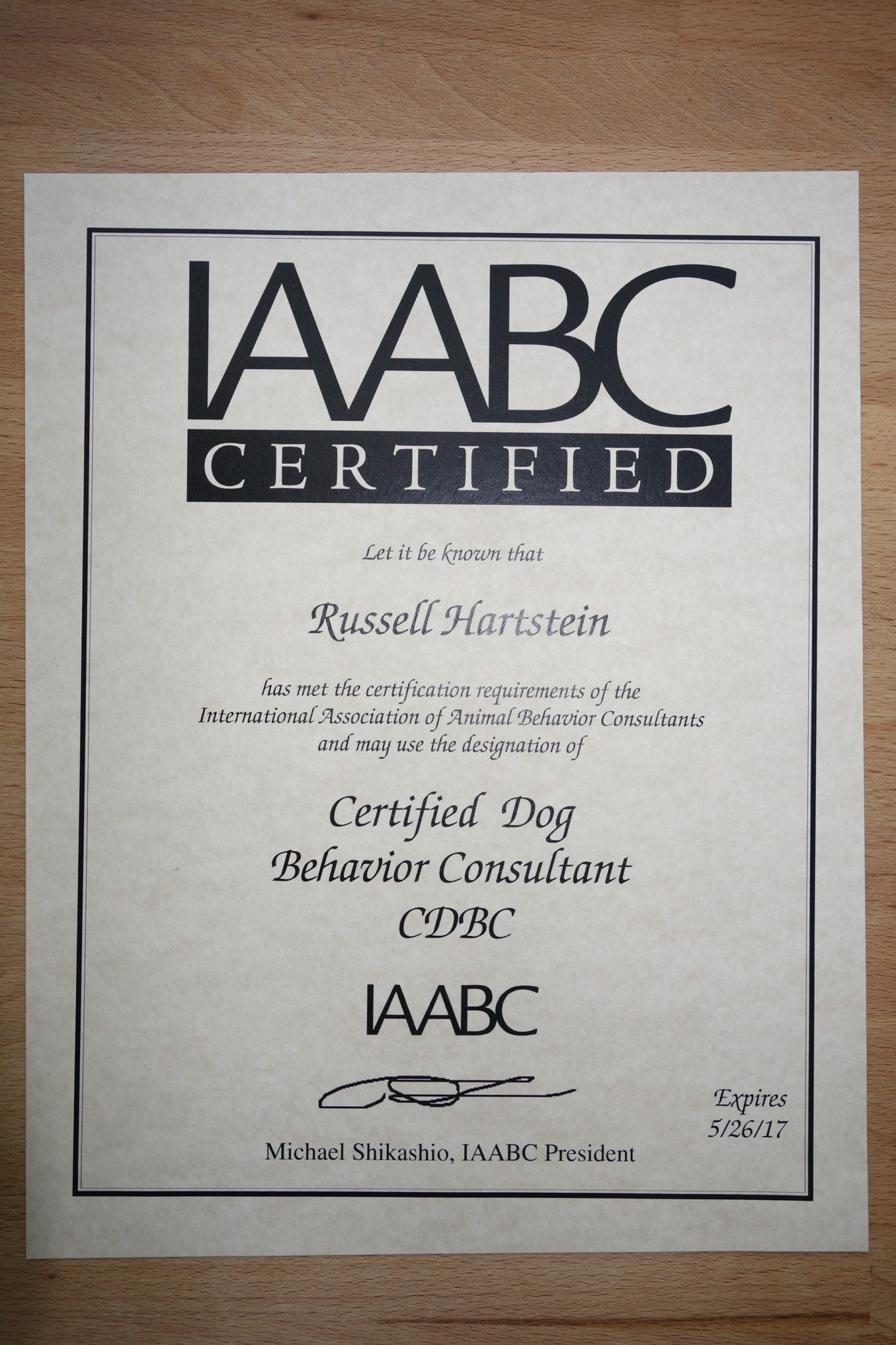
Living with a canine companion in island settings presents unique lifestyle factors that influence everyday domestic routines. According to the American Society for Prevention of Cruelty to Animals (ASPCA), behavioral concerns represent a primary reason companion animals are surrendered, making proactive guidance essential for harmonious human-animal households. Tropical climates, dense hiking trails, bustling beach parks, and frequent outdoor exposures require deliberate attention to how domestic animals perceive and react to their environment. Managing these unique stimuli begins with understanding the core motivations behind canine actions.
💡 Pet Care Key Takeaways:
- Core Focus: Practical health, nutrition, and wellness guidelines for Dog Behaviorist Oahu.
- Target Scope: Pet owners, animal caregivers, and veterinary support staff.
- Best Recommendation: Maintain consistent daily routines and consult an accredited veterinarian before introducing major diet or medical changes.
Understanding the Role of a Dog Behaviorist on Oahu
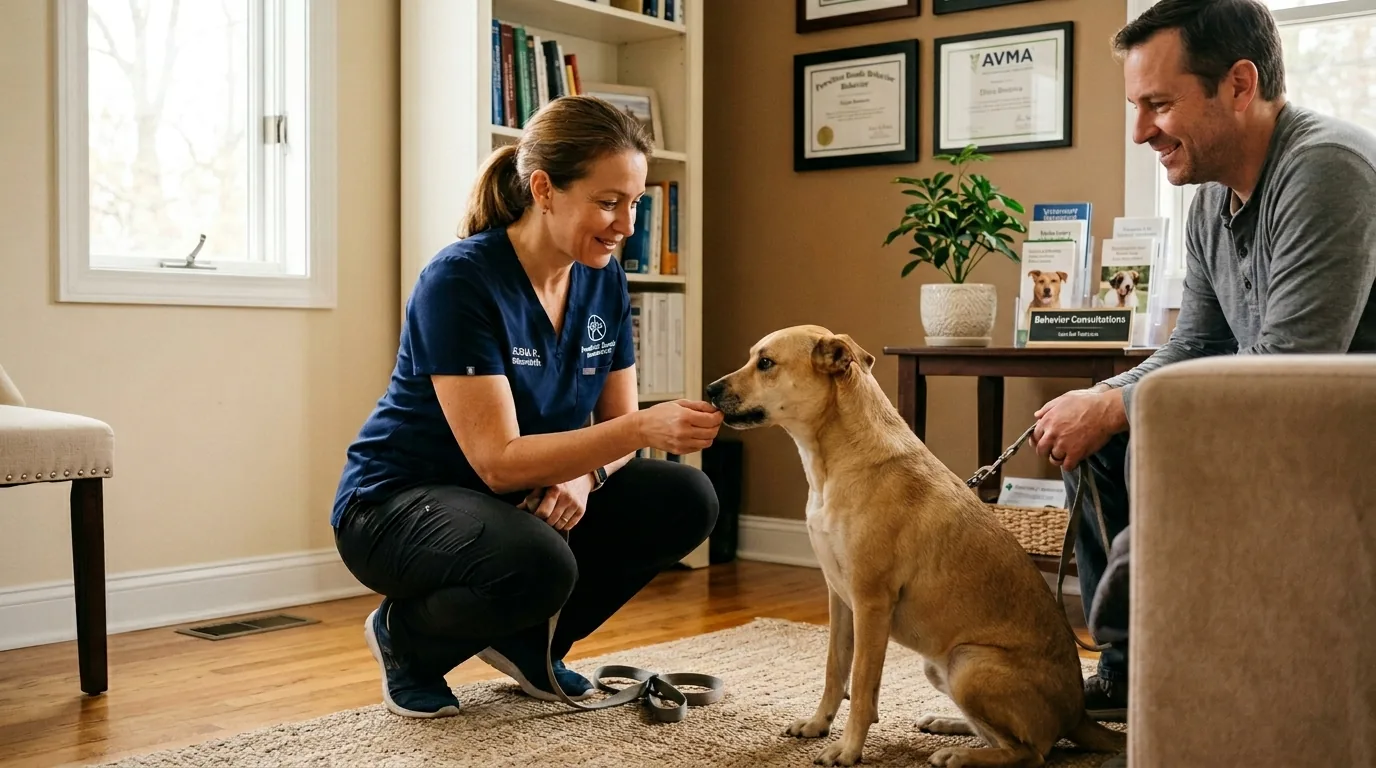
A professional focusing on dog behaviorist oahu expertise is an accredited specialist who evaluates complex psychological and emotional responses in domestic animals. Unlike basic obedience instructors who teach fundamental cues like sit, stay, or heel, behavioral specialists examine the underlying motivations driving specific actions, such as severe anxiety, fear-based reactivity, or compulsive habits. This discipline relies on applied behavior analysis, a scientific framework that studies how environmental consequences shape actions. Specialists evaluate triggers—the specific environmental events or stimuli that prompt a reaction—to develop targeted modification plans without resorting to intimidation or punitive methods. For more related activities, check out our Dog Unusual Behavior.
Behavioral Health and Environmental Adaptations
Environmental stressors heavily influence canine emotional stability, particularly in regions featuring high foot traffic, tropical weather shifts, and diverse wildlife encounters. Chronic exposure to novel sounds, unfamiliar tourists, and crowded public spaces can elevate baseline stress hormones like cortisol, leading to heightened reactivity or withdrawal. Addressing these challenges requires careful management of daily routines and systematic desensitization, a technique involving gradual, low-intensity exposure to a trigger paired with positive reinforcement to change emotional responses over time.
Behavioral modification plans grounded in positive reinforcement yield more sustainable reductions in canine fear and aggression than traditional punitive measures. — American Veterinary Medical Association
Implementing Humane Modification Strategies
Successful behavioral modification relies on structured, consistent protocols that prioritize animal welfare and clear communication. Guardians working alongside a professional specialist focus on altering the animal’s emotional association with specific triggers through counter-conditioning. This process pairs a previously frightening or stimulating object with high-value rewards, transforming the internal experience from apprehension to neutral acceptance or positive anticipation. Patience remains vital, as complex behavioral patterns cannot be resolved overnight.
Best Practices and Common Pitfalls in Behavioral Management
Avoiding common missteps ensures that modification efforts progress smoothly and safely for everyone involved. A frequent mistake involves exposing the dog to overwhelming stimuli too quickly, often referred to as flooding, which can worsen fear responses. Instead, maintaining sufficient physical distance from triggers allows the animal to remain below threshold, meaning the dog stays calm enough to process instructions and accept treats. Furthermore, consistency across all household members prevents confusion and reinforces expected patterns.
Environmental enrichment and structured mental stimulation significantly reduce destructive habits and stress-related behaviors in domestic dogs. — American Kennel Club
Pet Care & Wellness Overview Table
| Life Stage | Daily Activity Level | Key Nutrition / Care Focus |
|---|---|---|
| Puppy / Kitten | High (frequent short bursts) | High-protein growth diet & early socialization |
| Adult Companion | Moderate (30–60 mins daily) | Balanced maintenance nutrition & dental hygiene |
| Senior Pets | Low to Gentle (mindful walks) | Joint support (Glucosamine) & routine vet checks |
Images References






Individual Variations Across Breeds, Ages, and Temperaments
Every canine responds to island life differently based on genetic predisposition, developmental history, and individual personality traits. Working or herding groups, for instance, often possess high energy reserves and intense focus, requiring outlets that channel those natural drives constructively. Younger animals navigate socialization windows where positive exposure shapes lifelong confidence, whereas older rescue dogs may carry previous trauma requiring sensitive, slow-paced adaptation strategies tailored to their specific needs.
When to Consult a Veterinary Professional or Specialist
Persistent behavioral shifts, sudden onset aggression, or extreme distress warrant professional guidance from a qualified veterinary behaviorist or certified trainer. Medical discomfort frequently manifests as behavioral changes; therefore, a comprehensive physical examination by a veterinarian is a necessary first step to rule out underlying pain, neurological issues, or sensory decline. For severe anxiety or persistent reactivity, professional intervention ensures safety and protects the emotional well-being of both the animal and the household.
Supporting Lifelong Canine Wellness
Fostering a balanced, confident companion involves continuous learning and thoughtful environmental management tailored to unique regional lifestyles. Exploring resources dedicated to Dog Behavior, understanding Dog Training principles, and prioritizing overall Dog Care helps owners navigate challenges effectively. Visit PetsAnimalsWorld.com to discover additional educational guides designed to support responsible guardianship and strengthen the human-animal bond.