
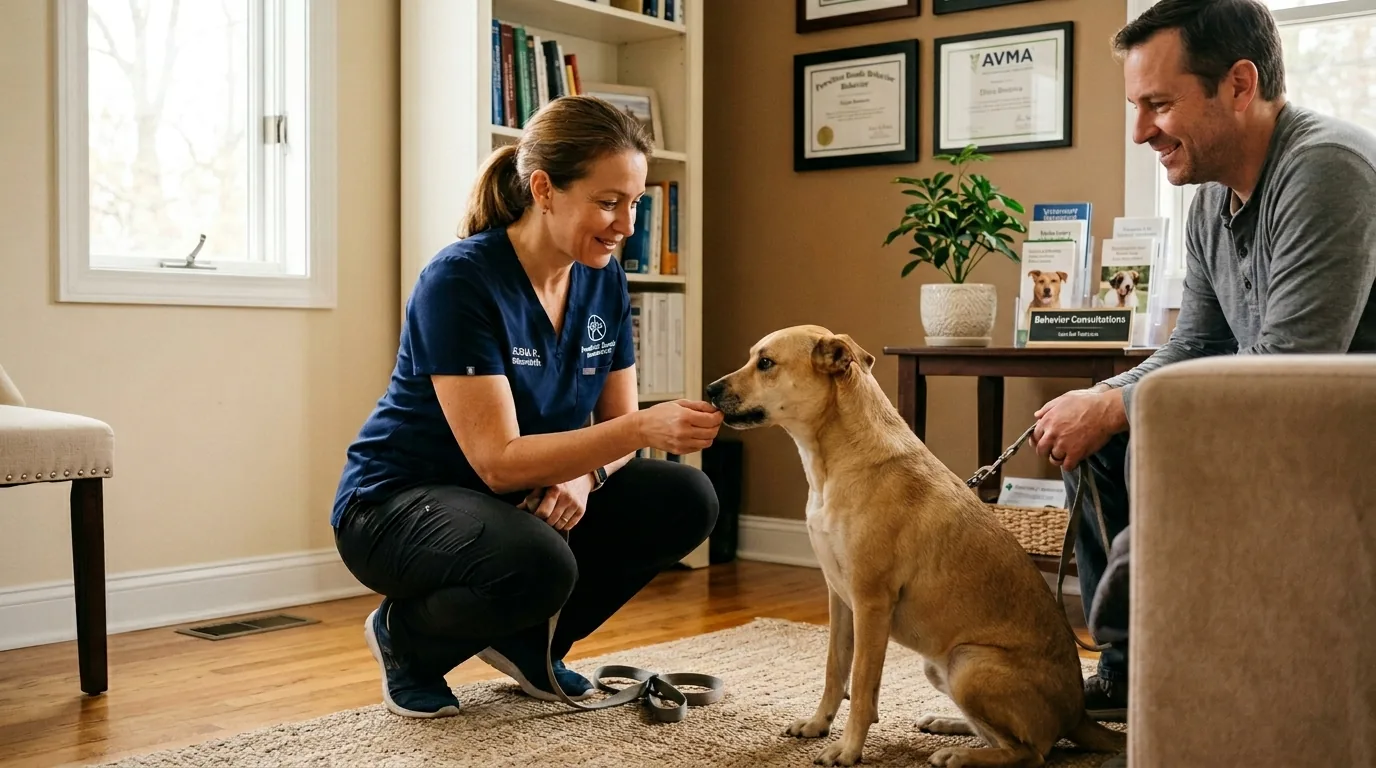
Living with a companion animal in a dense metropolitan area presents distinct environmental challenges that shape daily routines and animal wellness. According to the American Society for the Prevention of Cruelty to Animals (ASPCA), behavioral issues remain a primary reason owners seek external guidance or face difficult rehoming decisions, making local professional support vital. Urban environments expose canines to unique sensory inputs, including constant traffic sounds, crowded sidewalks, and limited green spaces. These factors often trigger stress responses that require specialized intervention from experts familiar with city living. Addressing these challenges proactively helps maintain a harmonious household and protects the psychological well-being of the animal.
💡 Pet Care Key Takeaways:
- Core Focus: Practical health, nutrition, and wellness guidelines for Dog Behaviorist Queens Ny.
- Target Scope: Pet owners, animal caregivers, and veterinary support staff.
- Best Recommendation: Maintain consistent daily routines and consult an accredited veterinarian before introducing major diet or medical changes.
Understanding Professional Behavioral Support Services
Finding a qualified dog behaviorist queens ny requires understanding the distinction between general obedience training and clinical behavioral modification. While trainers typically focus on basic manners and leash commands using positive reinforcement, certified behaviorists specialize in diagnosing and treating deep-seated emotional issues. These professionals address complex challenges such as severe separation anxiety, generalized fear, noise phobias, and barrier frustration. By assessing environmental triggers and emotional states, behaviorists develop structured modification plans rooted in modern learning theory. This scientific approach ensures that interventions rely on humane, evidence-based methods rather than outdated dominance models. For more related activities, check out our Dog Behavior Guarding.
The Environmental Impact on Urban Canine Psychology
Urban living conditions significantly influence a dog’s emotional stability, often magnifying minor sensitivities into reactive displays. Constant exposure to sirens, unfamiliar pedestrians, and tight physical quarters can elevate baseline cortisol levels, the primary stress hormone. When animals remain in a heightened state of arousal, everyday household occurrences may provoke unexpected defensive reactions. Recognizing these environmental stressors allows guardians to create safe, predictable indoor environments that promote relaxation and mental recovery after busy neighborhood walks.
Environmental enrichment and structured desensitization protocols significantly reduce chronic stress-related behaviors in urban canine populations. — American Veterinary Medical Association
Implementing Structured Behavior Modification Plans
Successful behavioral modification relies on consistency, patience, and careful management of the animal’s surroundings. Guardians must identify specific precursors that initiate unwanted responses and systematically alter the animal’s emotional association with those triggers. This process, known as counter-conditioning, pairs a previously concerning stimulus with a highly desirable reward, such as high-value food or play. Working alongside a qualified specialist ensures that these protocols match the individual emotional capacity of the animal without causing accidental overload or regression.
Best Practices and Common Pitfalls in Behavior Modification
Consistency across all household members forms the foundation of sustainable behavioral progress in any domestic setting. A frequent misstep involves rushing exposure milestones before the animal displays relaxed body language in controlled settings. Maintaining patience prevents accidental setbacks and builds long-term trust between the guardian and the animal. Furthermore, avoiding punitive or intimidation-based techniques is essential, as punishment often increases fear, damages trust, and escalates defensive aggression.
Behavioral health problems are complex medical and psychological conditions that benefit greatly from early professional evaluation and humane, science-based intervention. — American Society for the Prevention of Cruelty to Animals
Pet Care & Wellness Overview Table
| Life Stage | Daily Activity Level | Key Nutrition / Care Focus |
|---|---|---|
| Puppy / Kitten | High (frequent short bursts) | High-protein growth diet & early socialization |
| Adult Companion | Moderate (30–60 mins daily) | Balanced maintenance nutrition & dental hygiene |
| Senior Pets | Low to Gentle (mindful walks) | Joint support (Glucosamine) & routine vet checks |
Images References







Breed, Age, and Temperament Considerations
Individual genetic predispositions heavily influence how a dog processes environmental stimulation and novel experiences. Working breeds, for instance, often require intensive mental stimulation alongside physical exercise to prevent frustration-based behaviors in apartment settings. Conversely, companion breeds may exhibit heightened sensitivity to social isolation and sudden environmental changes. Evaluating an animal’s unique developmental stage, health status, and inherent temperament ensures that behavioral interventions are tailored effectively to the individual rather than relying on generalized assumptions.
When to Consult a Veterinary Professional or Specialist
Persistent or sudden shifts in temperament warrant immediate consultation with a primary veterinarian to rule out underlying medical discomfort or pain. Conditions such as dental disease, osteoarthritis, and neurological disorders frequently manifest as behavioral alterations, including increased irritability or reluctance to be handled. Once medical causes are evaluated or excluded, referral to a board-certified veterinary behaviorist or an appropriately certified professional ensures comprehensive management of complex psychological conditions.
Supporting Long-Term Canine Wellness
Maintaining long-term behavioral health requires ongoing environmental management, mental enrichment, and proactive communication with qualified professionals. Guardians can explore various educational resources dedicated to Dog Behavior, Dog Training, and general Dog Care to refine daily routines. Prioritizing evidence-based guidance ensures that companion animals live safe, comfortable lives in bustling metropolitan areas. Visit PetsAnimalsWorld.com to discover additional insights and practical resources tailored to responsible pet guardianship.


