
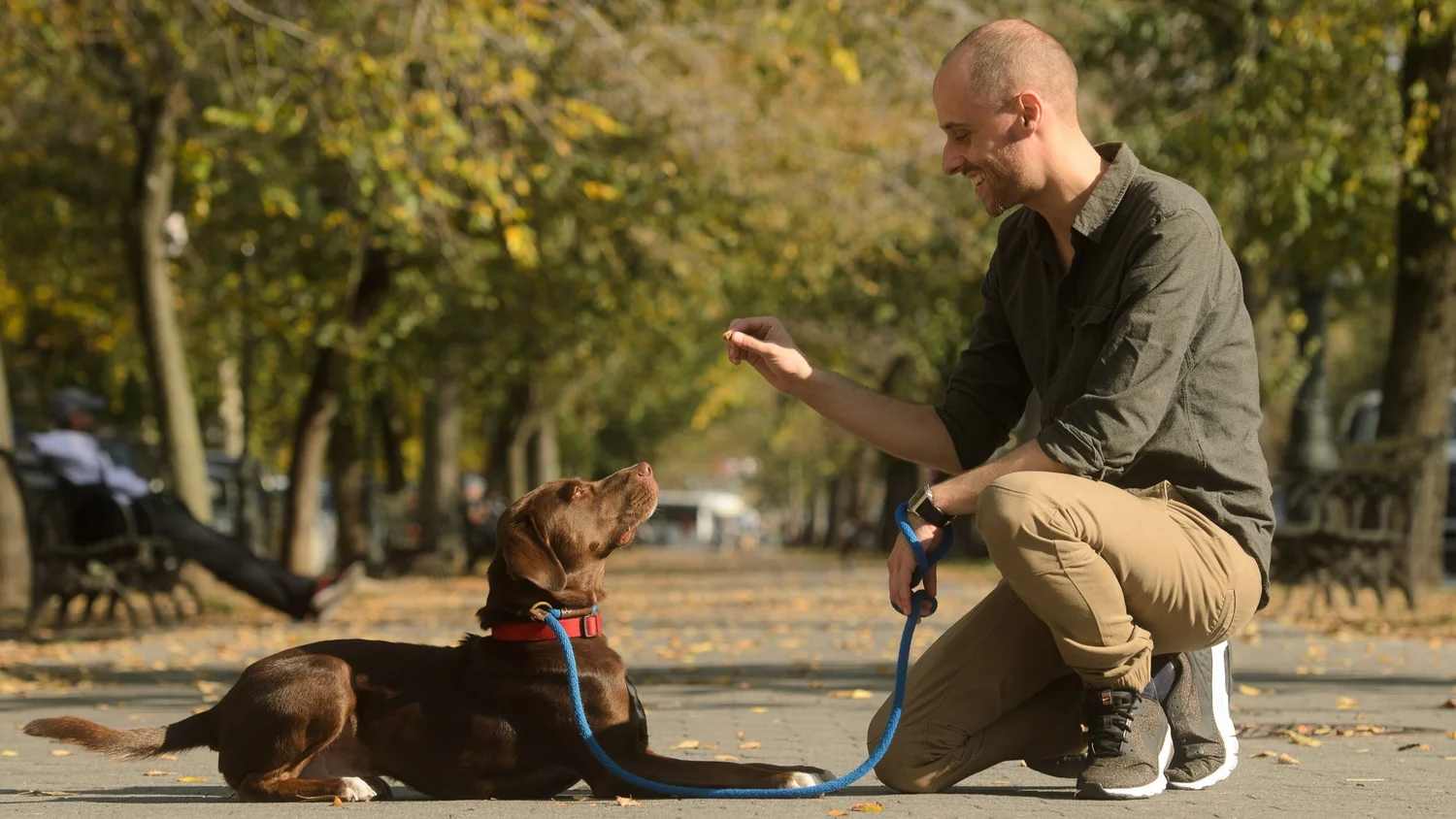
Living in a densely populated urban center introduces distinctive environmental stressors that shape how domestic canines perceive and react to their surroundings. According to the American Society for the Prevention of Cruelty to Animals (ASPCA), environmental enrichment and behavioral guidance play critical roles in helping animals adapt to demanding modern living conditions. Constant sirens, crowded sidewalks, unpredictable foot traffic, and confined indoor spaces create an environment where sensory overload occurs regularly. Recognizing how these external factors influence daily conduct is the first step toward fostering a harmonious household within a bustling city landscape.
💡 Pet Care Key Takeaways:
- Core Focus: Practical health, nutrition, and wellness guidelines for Dog Behaviorist Nyc.
- Target Scope: Pet owners, animal caregivers, and veterinary support staff.
- Best Recommendation: Maintain consistent daily routines and consult an accredited veterinarian before introducing major diet or medical changes.
Defining the Role of a Professional Canine Specialist in Metropolitan Areas
A dog behaviorist nyc professional is a certified specialist who evaluates complex psychological patterns, emotional triggers, and maladaptive habits in urban pets. Unlike basic obedience instructors who focus primarily on commands like sit, stay, or heel, specialists examine the underlying emotional motivations behind specific actions, such as fear, reactivity, or separation distress. These practitioners rely on evidence-informed methodologies rooted in applied animal behavior science, utilizing positive reinforcement and systematic desensitization to modify how animals respond to environmental triggers without resorting to intimidation or punitive measures.
Understanding the Psychological Impact of Urban Living on Pets
Urban living places unique psychological demands on domestic animals, often manifesting as chronic stress, barrier frustration, or noise phobias. Constant exposure to tight elevators, narrow corridors, and unfamiliar pedestrians can elevate baseline cortisol levels, making pets more susceptible to sudden reactivity or hypervigilance. Addressing these challenges requires careful observation of body language, subtle stress signals, and environmental management strategies designed to lower overall arousal before behavioral modification protocols begin.
Behavioral modification plans grounded in positive reinforcement yield more reliable, long-term improvements in anxiety-related conduct than punitive correction methods. — American Veterinary Medical Association
Implementing Structured Modification Strategies for City Canines
Addressing persistent behavioral issues in a metropolitan setting involves a systematic approach that prioritizes safety, consistency, and gradual exposure. Management techniques often include altering walking routes during off-peak hours, creating secure indoor decompression zones, and utilizing high-value rewards to reshape emotional responses to previously frightening stimuli. Patience remains essential, as behavioral transformation requires time and deliberate repetition to rewire established neural pathways associated with fear or anxiety.
Best Practices and Common Pitfalls in Urban Behavior Modification
Consistency and proactive environmental management form the cornerstone of successful behavioral interventions, while common pitfalls often stem from rushing exposure or utilizing outdated dominance theories. Caregivers should avoid forcing animals into overwhelming situations, as flooding a pet with too much sensory input simultaneously can worsen reactivity. Instead, breaking challenges down into manageable increments ensures the animal experiences micro-successes, building confidence steadily over time while engaging with reliable Dog Training resources.
Early socialization and continuous positive exposure during developmental stages significantly reduce the incidence of fear-based aggression in adult canines. — American Kennel Club
Pet Care & Wellness Overview Table
| Life Stage | Daily Activity Level | Key Nutrition / Care Focus |
|---|---|---|
| Puppy / Kitten | High (frequent short bursts) | High-protein growth diet & early socialization |
| Adult Companion | Moderate (30–60 mins daily) | Balanced maintenance nutrition & dental hygiene |
| Senior Pets | Low to Gentle (mindful walks) | Joint support (Glucosamine) & routine vet checks |
Images References








Breed Predispositions, Age, and Individual Temperament Considerations
Every animal possesses a distinct genetic background, developmental history, and personality profile that influences how they process urban stimuli. Working breeds or high-drive heritage lines often require specific mental outlets to prevent frustration-induced destructive habits in small apartments, whereas senior pets may experience cognitive changes that alter their tolerance for noise and routine disruption. Understanding these individual differences ensures that management strategies are tailored appropriately to the specific needs of the animal, aligning closely with insights found in broader Dog Breeds literature.
Knowing When to Consult a Veterinary Professional or Certified Specialist
Persistent behavioral concerns, sudden shifts in temperament, or severe aggression require immediate evaluation by a qualified veterinary professional to rule out underlying medical pain, neurological issues, or systemic illness. Physical discomfort frequently manifests as behavioral changes, meaning a thorough veterinary exam must precede any behavioral modification plan. For severe anxiety, compulsive habits, or biting risks, collaborating with a board-certified veterinary behaviorist ensures that both medical and environmental aspects of the condition receive expert attention, supported by guidance from Dog Health professionals.
Fostering Long-Term Well-Being Through Informed Care
Supporting a pet through the complexities of urban life requires dedication, ongoing education, and a commitment to humane, scientifically sound care practices. By understanding environmental triggers, respecting individual temperament limits, and seeking appropriate professional guidance when challenges arise, caregivers can cultivate a safe, enriching atmosphere for their companion animals. Explore additional resources and expert advice by visiting PetsAnimalsWorld.com, along with valuable insights on Dog Care to ensure a healthy and balanced life for your pet.




