

Introduction
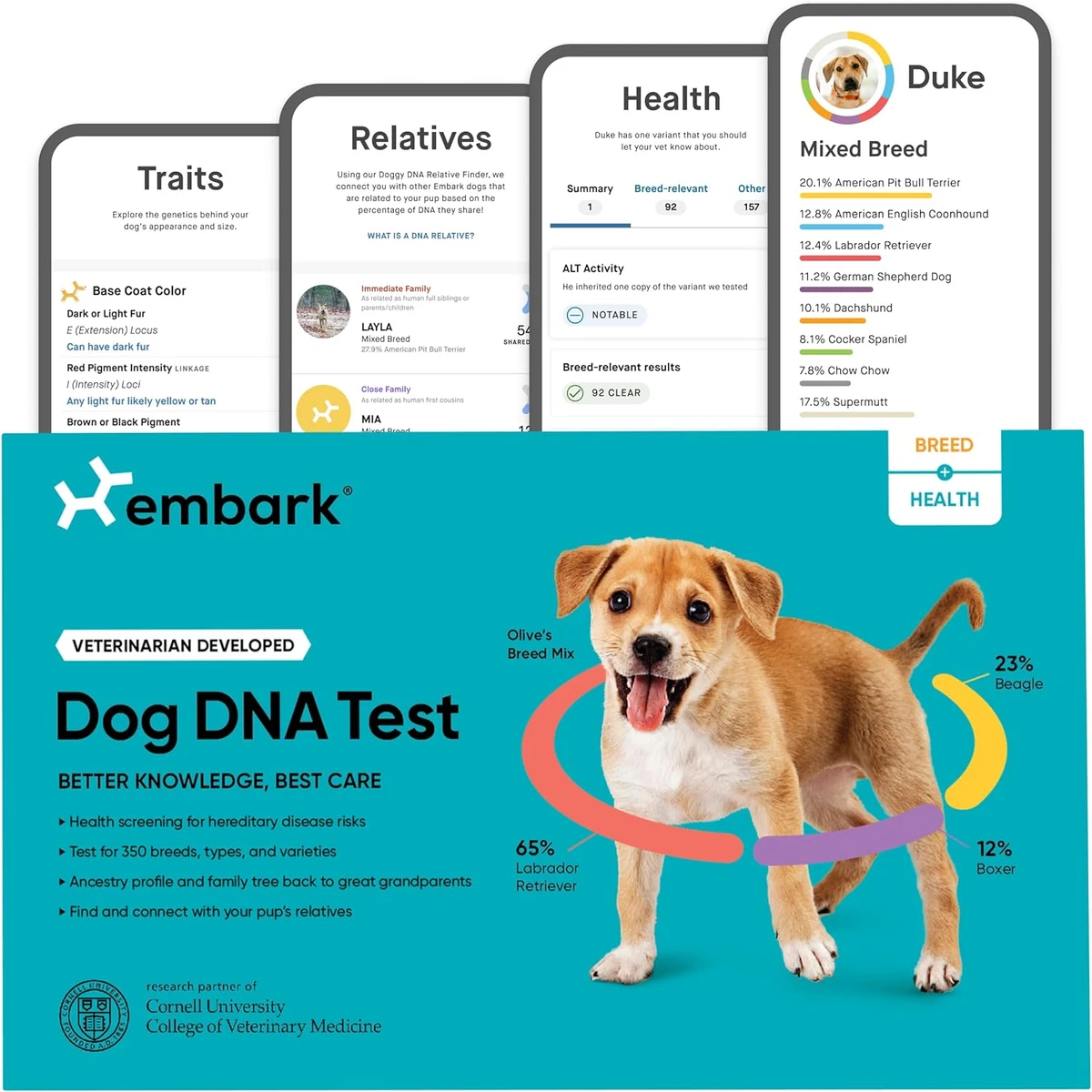
The bond between humans and their canine companions is unique, often filled with curiosity about a dog’s origins and inherent traits. For many owners, particularly those with mixed-breed dogs or adopted pets, understanding a dog’s genetic background remains a mystery. A dog breed DNA test offers a profound solution, providing a scientific window into a dog’s genetic heritage. This innovative tool analyzes a dog’s DNA to identify the breeds contributing to its lineage, often tracing back several generations. By unlocking this genetic blueprint, owners gain invaluable insights into their dog’s potential health predispositions, behavioral tendencies, unique nutritional requirements, and optimal training approaches. Understanding a dog’s breed makeup is a crucial step towards fostering a more informed, responsive, and ultimately more fulfilling relationship, significantly improving a dog’s well-being and overall quality of life.
💡 Pet Care Key Takeaways:
- Core Focus: Practical health, nutrition, and wellness guidelines for Dog Breed Dna Test.
- Target Scope: Pet owners, animal caregivers, and veterinary support staff.
- Best Recommendation: Maintain consistent daily routines and consult an accredited veterinarian before introducing major diet or medical changes.
Common Causes and Key Factors
The primary motivation for seeking a dog breed DNA test typically stems from a desire for deeper understanding and better care. Many dogs are mixed breeds, and their diverse ancestry often presents a delightful enigma, prompting owners to unravel their genetic puzzle. This quest for knowledge is driven by several key factors:. For more related activities, check out our What Is The Taxonomy Of A German Malinois.
- Unraveling Ancestry: The most frequent reason is pure curiosity about a mixed-breed dog’s heritage. Knowing the specific breeds in a dog’s lineage can be incredibly rewarding.
- Understanding Behavior: Many behaviors, such as strong prey drive, excessive barking, herding instincts, or digging, are deeply rooted in breed-specific traits. Identifying these genetic predispositions helps owners understand why their dog behaves in certain ways and how to manage these instincts effectively.
- Proactive Health Management: Certain dog breeds are genetically predisposed to specific health conditions, ranging from joint issues and heart disease to particular sensitivities to medications. A DNA test can identify these risks, allowing for proactive health screenings, preventative care, and early intervention.
- Tailoring Nutrition and Exercise: Different breeds have varying metabolic rates, energy levels, and dietary needs. For example, highly active breeds may require different nutrition than more sedentary ones. Genetic information assists in customizing diet and exercise routines for optimal health.
- Optimizing Training Strategies: Understanding a dog’s inherent breed characteristics can inform training methods. Breeds with high intelligence might thrive with complex tasks, while more independent breeds may require different motivational approaches.
- Providing a Backstory for Rescue Dogs: For adopted dogs with unknown histories, a DNA test offers a tangible connection to their past, aiding in their integration into a new home and helping caregivers anticipate potential needs.
Signs and Symptoms to Observe
While a dog breed DNA test provides definitive answers, certain observable characteristics can often hint at a dog’s diverse genetic background. Recognizing these signs can further motivate owners to seek out genetic testing for a comprehensive understanding.
- Physical Traits: Unusual combinations of physical features, such as a large body with slender legs, unique coat textures or colors, distinct ear shapes (e.g., erect and floppy on the same dog), or a tail carriage that doesn’t fit typical purebred standards, can indicate a rich mix of breeds.
- Specific Behavioral Patterns: A dog exhibiting strong herding tendencies (nipping at heels, circling people or other animals), an intense digging habit (common in terriers), a pronounced prey drive (chasing small animals or objects), or an unusual vocalization pattern (like baying) might be displaying traits inherited from specific ancestral breeds. Similarly, high energy levels that seem incongruous with a perceived breed mix, or conversely, unusual lethargy, can be indicators.
- Health Indications: The appearance of certain health issues that are common in specific breeds, such as early-onset joint problems, unexplained skin conditions, or known sensitivities to particular medications, can suggest a genetic predisposition revealed by a DNA test.
- Temperament Quirks: Noticeable variations in temperament, such as unusual aloofness, extreme protectiveness, or an exceptional need for mental stimulation, often have roots in breed-specific temperaments. For instance, breeds developed for working roles often require more mental engagement than those bred primarily for companionship.
Practical Solutions and Management Strategies
The insights gained from a dog breed DNA test are not merely for curiosity; they are powerful tools for enhancing a dog’s life. Armed with this genetic information, owners can implement practical, tailored strategies for care and well-being.
1. Personalized Care Plans:
- Tailored Nutrition: Researching the nutritional needs of identified breeds allows for the selection of appropriate dog food. For example, if a dog has a significant portion of a large breed known for joint issues, supplements like glucosamine might be considered.
- Optimized Exercise: Understanding energy levels associated with a dog’s breeds helps in designing an effective exercise regimen. High-energy breeds require more vigorous and prolonged activity, while lower-energy breeds benefit from consistent, moderate exercise.
- Grooming Specifics: Breed information can guide grooming practices. Dogs with double coats, for instance, require different brushing techniques than those with wiry or short coats.
2. Targeted Training and Behavioral Management:
- Understanding Instincts: If a test reveals breeds known for strong prey drives or herding instincts, specific training can be employed to manage these behaviors safely, perhaps through structured play or designated “jobs.”
- Effective Training Methods: Knowledge of a dog’s ancestral breeds can inform the most effective training techniques. Some breeds respond well to positive reinforcement and food rewards, while others thrive on task-oriented work or agility training.
- Environmental Enrichment: Providing appropriate outlets for breed-specific behaviors is crucial. A dog with terrier ancestry might benefit from a designated digging pit, while a herding dog might enjoy puzzle toys or structured retrieving games.
3. Proactive Health Monitoring:
- Informed Veterinary Discussions: Sharing DNA test results with a veterinarian allows for discussions about breed-specific health screenings and preventative measures. This might include earlier screening for hip dysplasia in larger breeds or regular checks for heart conditions common in certain types.
- Awareness of Sensitivities: Identifying breeds prone to certain drug sensitivities (e.g., the MDR1 gene mutation in some herding breeds) can prevent adverse reactions to medications.
Implementing these strategies, guided by the insights from a dog breed DNA test, empowers owners to provide highly individualized care, leading to a healthier, happier, and more well-adjusted dog.
When Professional Help May Be Needed
While a dog breed DNA test provides valuable information, it is a tool to guide care, not a substitute for professional expertise. There are specific circumstances where consulting specialists becomes essential, particularly when genetic insights reveal challenging predispositions or existing issues.
- Veterinary Consultation for Health Concerns: If a DNA test indicates a high risk for specific genetic health conditions, a thorough discussion with a veterinarian is imperative. This includes planning proactive screenings, understanding preventative treatments, or discussing management strategies for conditions like hip and elbow dysplasia, certain cancers, heart diseases, or genetic eye disorders. A veterinarian can interpret the test results in the context of a dog’s overall health and provide medical advice.
- Professional Dog Trainer or Behaviorist for Behavioral Challenges: When breed-related behavioral traits, such as extreme prey drive, separation anxiety linked to specific breeds, or reactivity, become difficult to manage with standard training, a certified professional dog trainer or a veterinary behaviorist can offer specialized guidance. These experts can help implement customized training plans that account for a dog’s innate drives and behavioral predispositions.
- Specialized Nutritionist for Dietary Needs: If DNA results highlight breeds with unique dietary requirements, sensitivities, or predispositions to conditions like bloat or diabetes, consulting a veterinary nutritionist can ensure a dog receives an optimally balanced diet tailored to its specific needs.
- Genetic Counseling: In rare instances, for breeders or owners facing very complex genetic health concerns, a genetic counselor specializing in canines might provide further insight into inheritance patterns and risk assessments.
Recognizing the limitations of self-management and understanding when to seek expert advice ensures that a dog benefits from comprehensive, professional care, translating genetic knowledge into real-world well-being.
Conclusion
A dog breed DNA test transcends simple curiosity, serving as a powerful educational instrument that deepens the understanding between dogs and their human companions. By unveiling the complex tapestry of a dog’s genetic heritage, these tests provide invaluable insights into potential health risks, behavioral tendencies, and specific care requirements rooted in ancestral breeds. This knowledge empowers owners to make more informed decisions regarding nutrition, exercise, training, and preventative healthcare, transforming generic care into highly personalized attention. The journey of discovery offered by a DNA test reinforces the importance of awareness, diligent observation, and consistent, compassionate care. Embracing the genetic narrative of a canine companion is a proactive step toward fostering a healthier, happier, and more harmonious life, aligning perfectly with the mission to promote the well-being of all animals.
Pet Care & Wellness Overview Table
| Life Stage | Daily Activity Level | Key Nutrition / Care Focus |
|---|---|---|
| Puppy / Kitten | High (frequent short bursts) | High-protein growth diet & early socialization |
| Adult Companion | Moderate (30–60 mins daily) | Balanced maintenance nutrition & dental hygiene |
| Senior Pets | Low to Gentle (mindful walks) | Joint support (Glucosamine) & routine vet checks |
Images References






For more expert pet care tips and advice, check out our dedicated Dog Breeds guides to keep your companions healthy and happy.




