Introduction
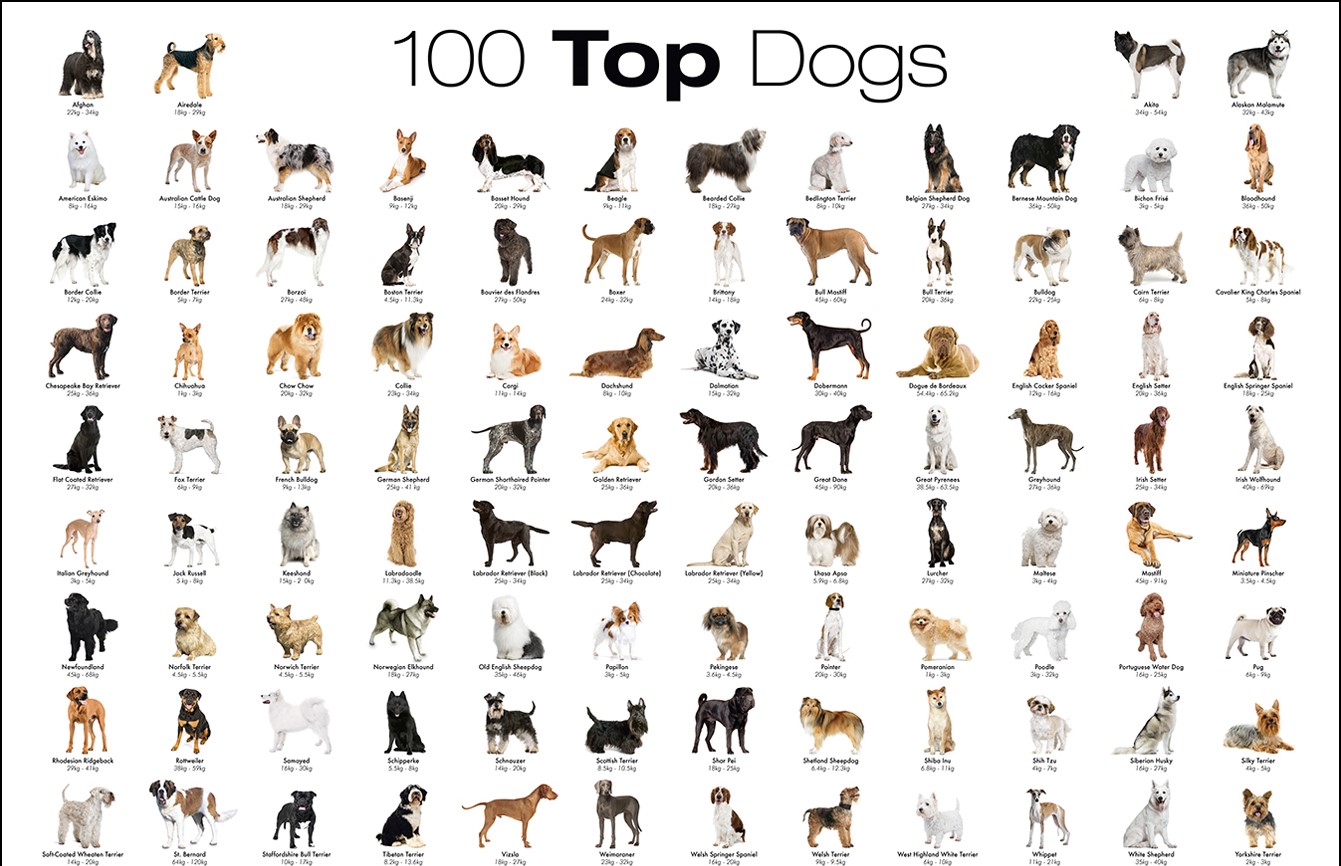
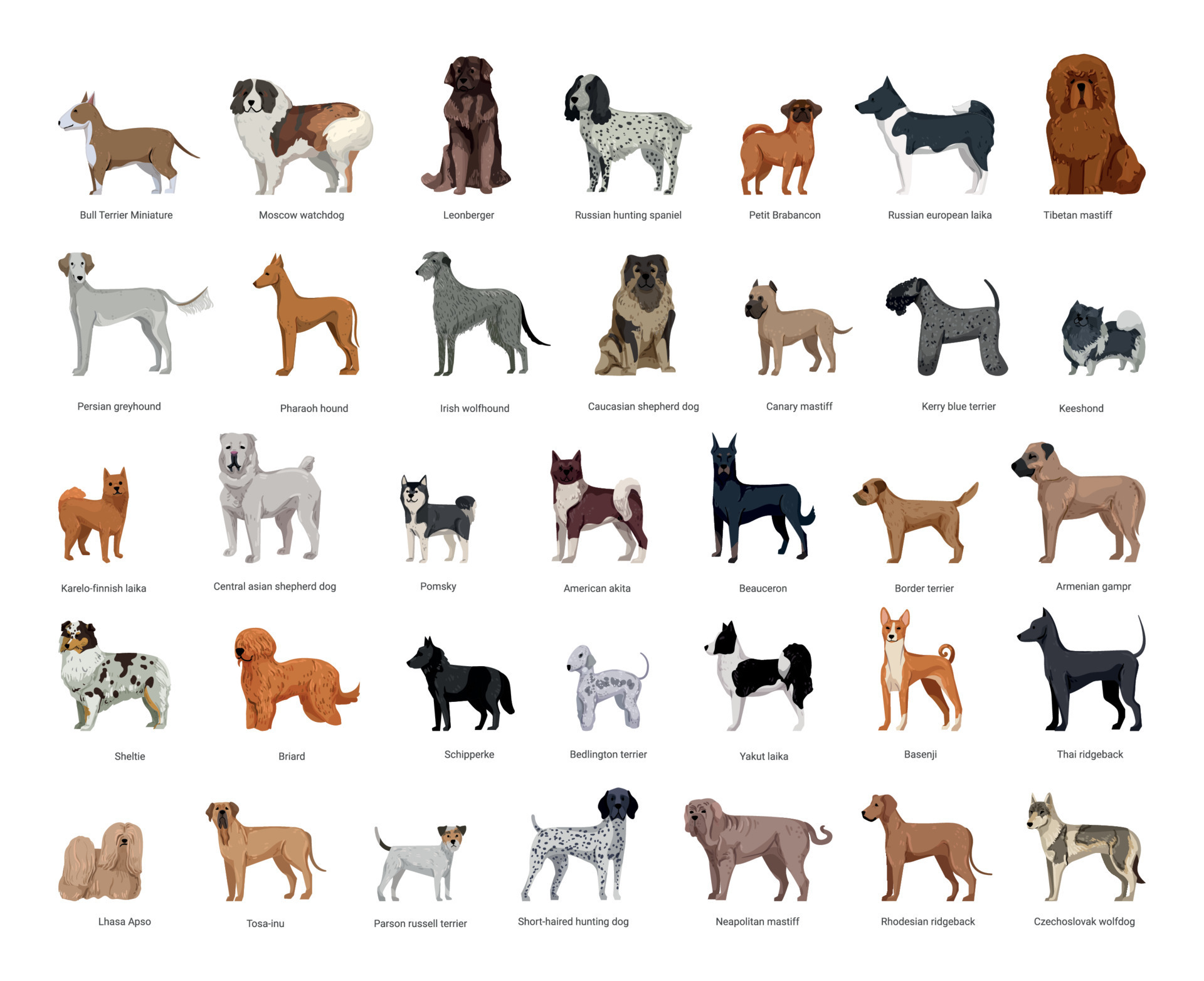
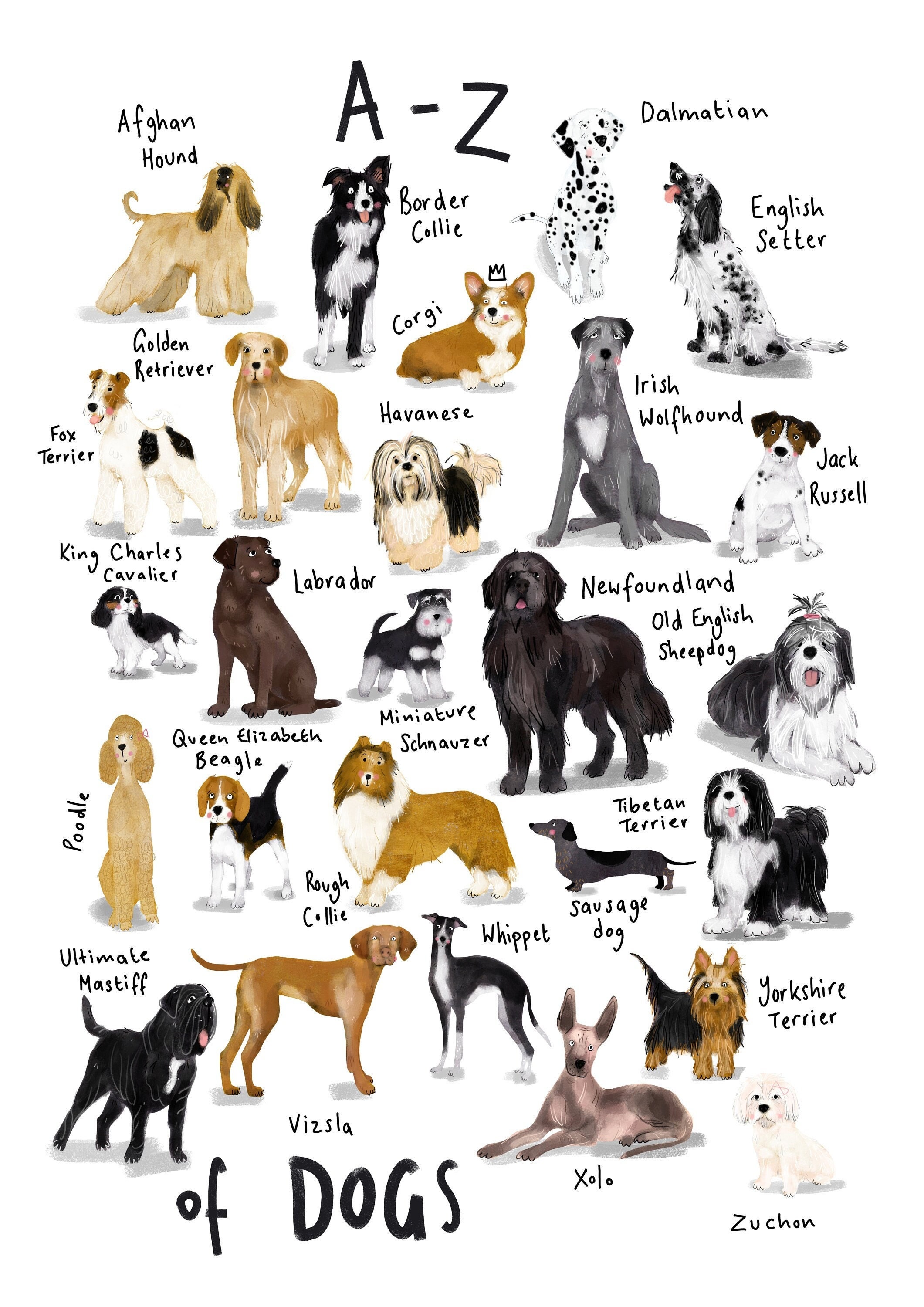
Comprehensive evaluation of all dog breeds requires understanding the intersection of genetic predispositions, specific physiological requirements, and tailored behavioral management protocols. According to the American Animal Hospital Association (AAHA), proactive health screening combined with breed-specific husbandry significantly improves canine longevity and overall quality of life. Evaluating the complete spectrum of canine diversity allows animal health caregivers to anticipate breed-linked health vulnerabilities, nutritional demands, and socialization thresholds. Comprehensive knowledge regarding Dog Breeds enables targeted veterinary care, ensuring that individual anatomical and instinctual traits are met with appropriate environmental enrichment and clinical oversight.
Pet Wellness & Behavior Snapshot:
- Core Focus: Systematic evaluation of morphological, behavioral, and clinical attributes across all canine classifications.
- Target Scope: Clinical management, preventive healthcare, and balanced nutrition for diverse canine phenotypes.
- Key Recommendation: Implement customized preventive medicine and behavioral socialization tailored to specific genetic heritage.
Core Principles and Detailed Overview
Understanding the entirety of canine classifications involves analyzing distinct genetic lineages, including sporting, hound, working, terrier, toy, non-sporting, and herding groups. Each designated category exhibits specialized behavioral cues and metabolic profiles that dictate appropriate Dog Nutrition strategies. For instance, giant working classifications require carefully balanced calcium-to-phosphorus ratios during rapid developmental phases to mitigate skeletal abnormalities, whereas high-energy working variants demand higher fat-to-protein caloric densities to sustain aerobic output. Recognizing these inherent biological variations prevents metabolic deficiencies and supports lifelong physiological stability.
Key Specifications and Breakdown
| Observed Indicator / Factor | Veterinary & Behavioral Explanation | Actionable Management Protocol |
|---|---|---|
| Brachycephalic Airway Syndrome | Compressed upper respiratory anatomy restricts airflow, elevating heatstroke and anesthetic risks. | Limit intense exertion in warm weather, maintain lean body mass, and utilize harnesses instead of neck collars. |
| Herding Instinct and Predatory Drift | Genetically hardwired compulsion to circle and ankle-nip moving objects can trigger redirected frustration. | Channel focus through structured obedience drills, puzzle toys, and controlled agility tasks. |
| Chondrodysplastic Joint Load | Shortened, curved limbs alter biomechanical weight distribution, accelerating intervertebral disc degeneration. | Provide ramps for elevated surfaces, enforce strict jumping prohibitions, and supply targeted joint supplements. |
Comprehensive parasite screening, vaccinations, and life-stage wellness evaluations must be tailored to the specific geographical and genetic risk profile of the individual animal. — American Veterinary Medical Association (AVMA)
Step-by-Step Practical Application and Guidelines
Executing an effective maintenance protocol across diverse canine lineages necessitates continuous monitoring of environmental stressors, physical conditioning, and routine Dog Health assessments. Caregivers must first establish baseline physiological parameters, including resting respiratory rates, mucosal membrane coloration, and optimal body condition scores. Following baseline establishment, physical activity regimens must match the endurance capacity dictated by the specific lineage, balancing mental stimulation with orthopedic safety. Finally, integrating consistent Dog Training based on positive reinforcement ensures emotional stability and mitigates fear-based reactivity across all developmental stages.
Common Challenges and How to Avoid Them
Neglecting breed-specific behavioral traits frequently results in destructive coping mechanisms, chronic anxiety, and preventable Dog Behavior disorders. A prevalent error among pet parents involves underestimating mental stimulation requirements for working and terrier classifications, which often leads to compulsive behaviors or barrier frustration. Preventing these complications requires early socialization, consistent boundary setting, and proactive environmental enrichment tailored to instinctual drives. Furthermore, scheduling routine wellness examinations allows clinicians to detect early signs of hereditary disorders before clinical manifestations severely impact daily comfort.
💬 Frequently Asked Questions
Explore More Pet Care and Animal Health Guides on PetsAnimalsWorld
Deepening expertise in specialized animal husbandry requires continuous education across clinical veterinary medicine, behavioral science, and holistic Dog Care frameworks. Readers seeking further insights into comprehensive companion animal wellness can access extensive resources, expert recommendations, and clinical guides directly through the central library at Pets Animals World.
Visual Reference Gallery