Introduction
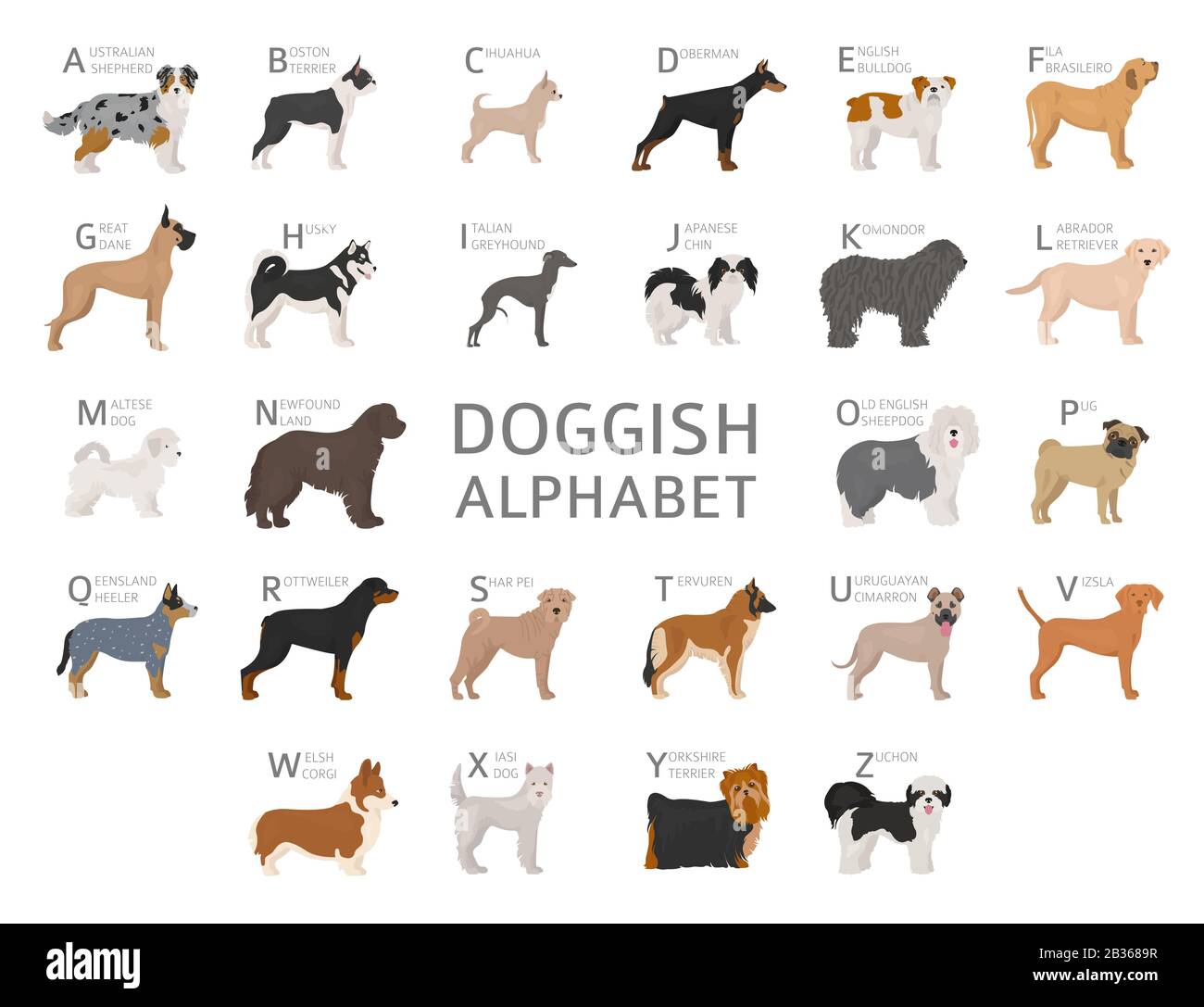
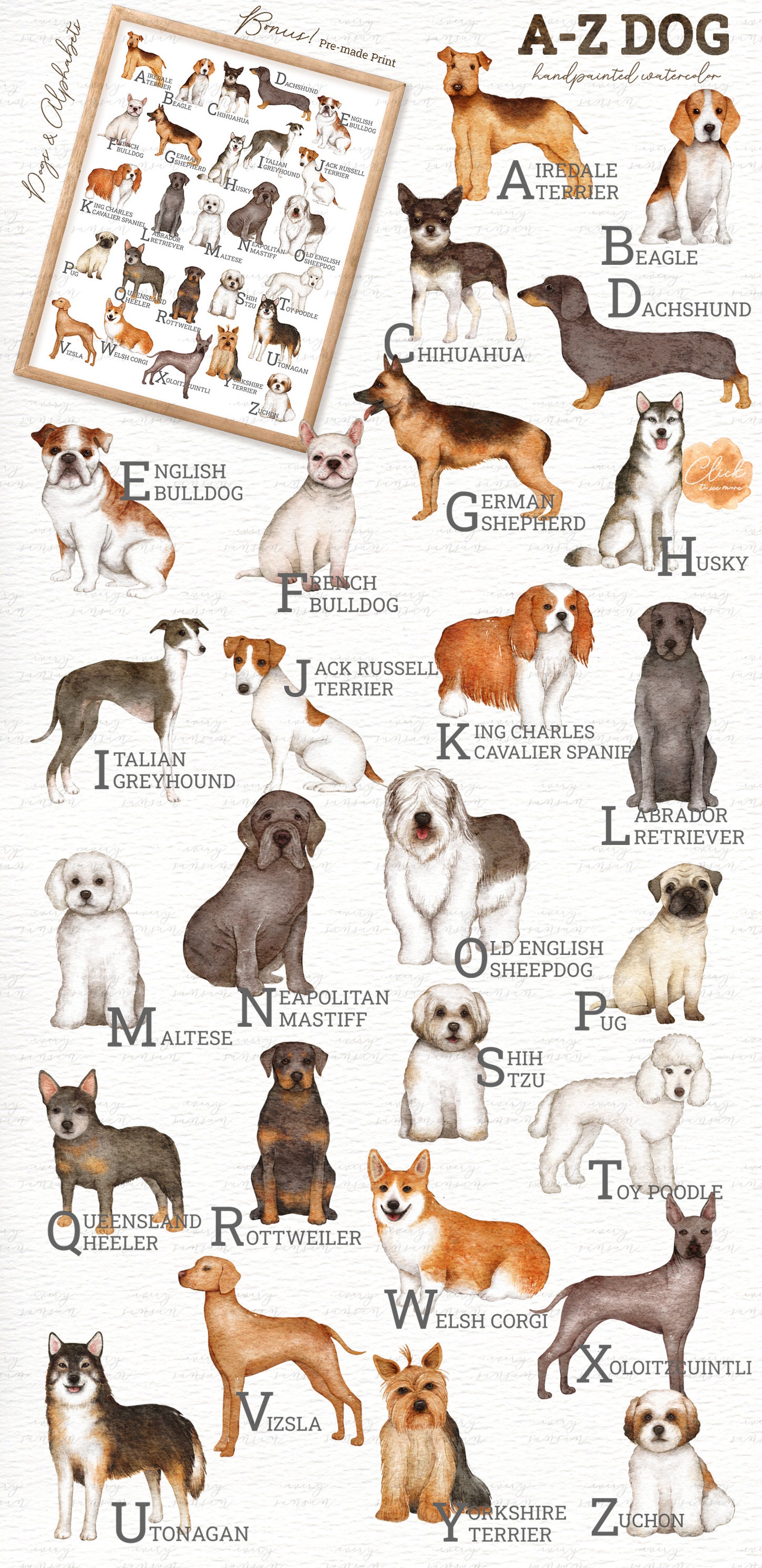
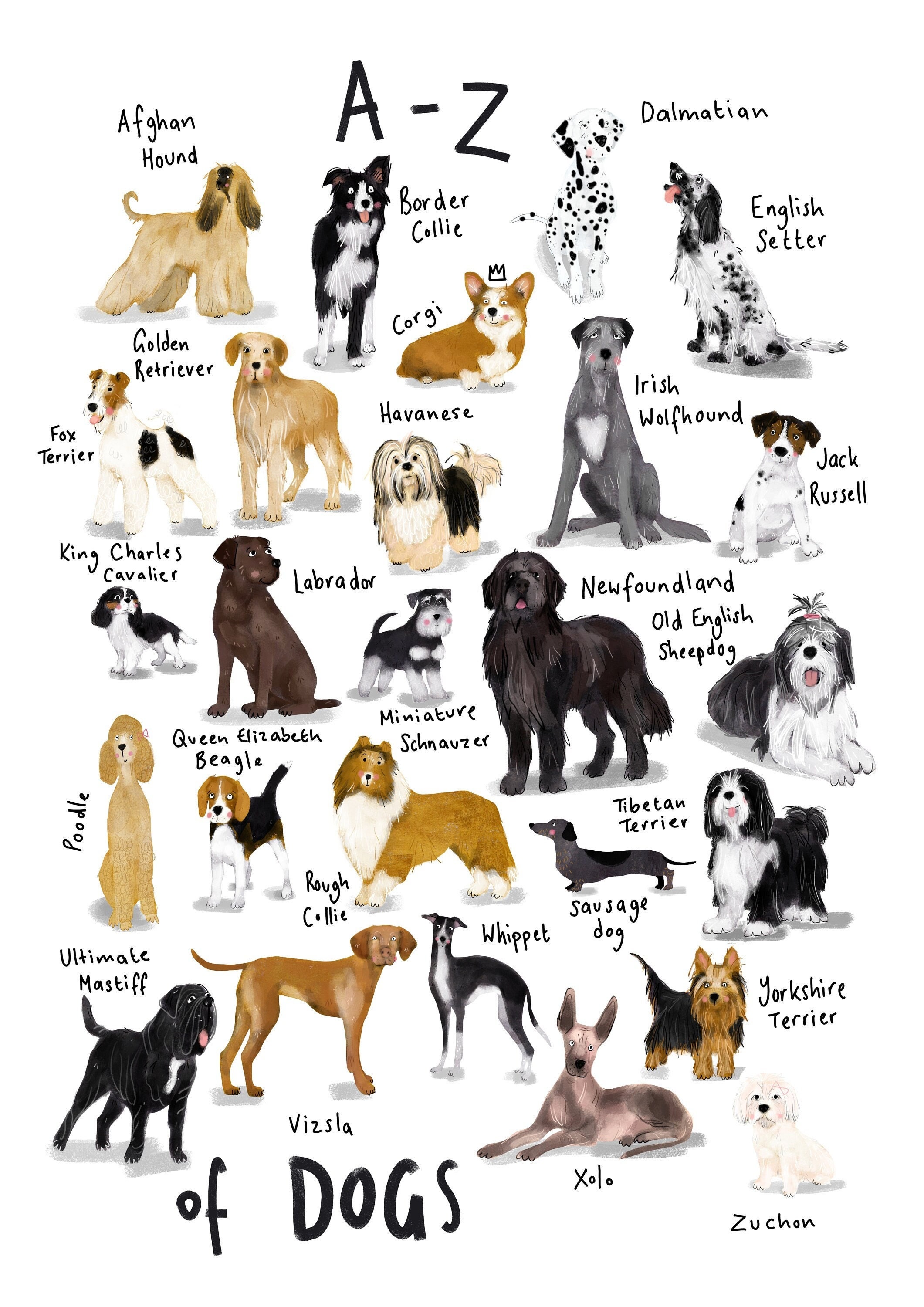
Organizing dog breeds alphabetical order provides a structured taxonomic framework that simplifies medical record-keeping, behavioral profiling, and dietary formulation for veterinary professionals and caregivers. According to the American Animal Hospital Association (AAHA), systematic cataloging of canine phenotypes and physiological traits directly improves clinical accuracy and therapeutic outcomes across diverse animal healthcare settings. Exploring the spectrum of Dog Breeds through a sequential catalog reveals critical variances in disease predispositions, exercise requirements, and metabolic baselines.
Pet Wellness & Behavior Snapshot:
- Core Focus: Systematic alphabetical listing and classification of canine phenotypes for optimal companion animal management.
- Target Scope: Clinical documentation, specialized Dog Health tracking, and individualized dietary planning.
- Key Recommendation: Cross-reference alphabetical breed directories with specific physiological profiles to customize preventive veterinary medicine.
Core Principles and Detailed Overview
Cataloging canine taxa in an A-to-Z sequence establishes an unyielding organizational standard that streamlines international kennel registries, veterinary software database management, and academic research into genetic predispositions. Directing attention to dog breeds alphabetical order eliminates diagnostic ambiguities, ensuring that clinicians, behaviorists, and breeders utilize uniform nomenclature when analyzing canine anatomical variations and metabolic profiles. Mastering this sequence aids in rapidly cross-referencing breed-specific somatic markers, such as brachycephalic airway syndromes or chondrodysplastic limb formations, which dictate lifelong management strategies. Furthermore, structured classification supports precision Dog Nutrition protocols by aligning specific metabolic rates with exact caloric densities required by distinct phenotypic categories.
Key Specifications and Breakdown
| Observed Indicator / Factor | Veterinary & Behavioral Explanation | Actionable Management Protocol |
|---|---|---|
| Taxonomic Sequencing | Standardizes data retrieval across multi-facility electronic health records. | Implement strict A-to-Z sorting in all internal clinic software registries. |
| Phenotypic Variance | Connects alphabetical classification directly to anatomical health risks. | Pair alphabetical directories with targeted Dog Care checklists. |
| Behavioral Profiling | Aligns alphabetical breed lists with innate drive levels and working traits. | Incorporate standardized Dog Behavior assessments into breed-specific files. |
Standardized Nomenclature and Record-Keeping Principle — American Veterinary Medical Association (AVMA)
Step-by-Step Practical Application and Guidelines
Applying a structured alphabetical reference system requires integrating standardized breed nomenclature into daily clinical intake workflows and behavioral modification programs. Implementing dog breeds alphabetical order at animal facilities begins by updating intake software to sort incoming patients strictly by standardized registry names rather than common colloquialisms. Caregivers must subsequently map each alphabetically indexed entry to specialized Dog Training milestones, ensuring that high-drive working lineages receive appropriate cognitive stimulation. Continuous review of these indexed records allows veterinary teams to proactively screen for hereditary orthopedic conditions, dermatological sensitivities, and nutritional requirements unique to each alphabetical grouping.
Common Challenges and How to Avoid Them
Overcoming classification discrepancies involves preventing errors caused by regional breed name variations, crossbreed ambiguities, and outdated taxonomic entries within patient databases. Navigating dog breeds alphabetical order successfully requires strict adherence to recognized international kennel club standards to prevent misdiagnoses stemming from colloquial naming conventions. Healthcare providers must audit their digital record systems regularly to eliminate duplicate entries for mixed-breed dogs and ensure hybrid classifications do not disrupt the integrity of the alphabetical filing system. Maintaining rigorous data hygiene protects against medical oversight and guarantees seamless communication between primary veterinarians, emergency clinics, and specialized behavior consultants.
💬 Frequently Asked Questions
Explore More Pet Care and Animal Health Guides on PetsAnimalsWorld
Enhancing companion animal stewardship requires ongoing access to authoritative educational resources, clinical insights, and behavioral science methodologies tailored for dedicated pet parents. Discover comprehensive guidance across all aspects of canine wellness, nutrition, and training by visiting the main library at Pets Animals World.
Visual Reference Gallery