Introduction
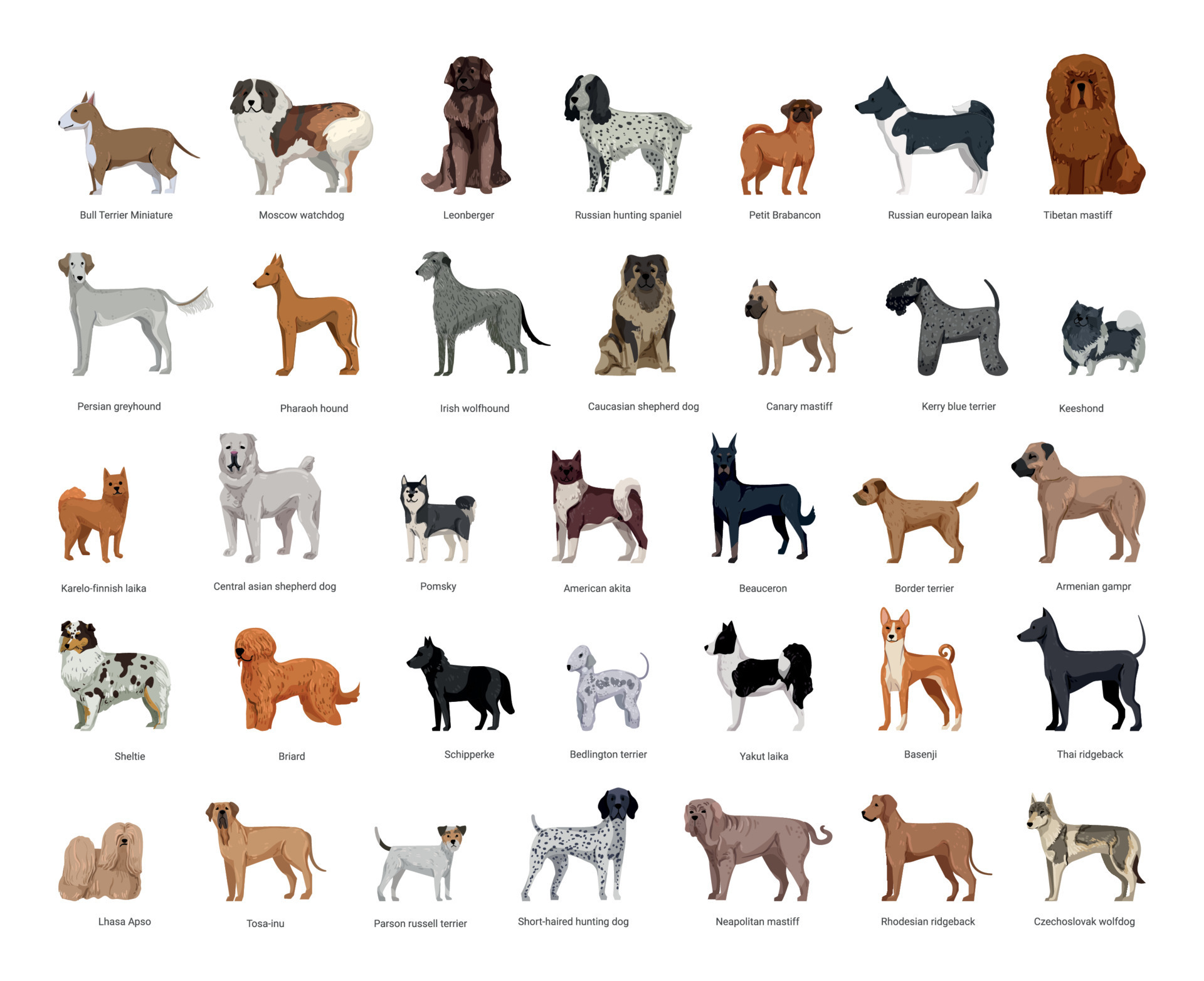
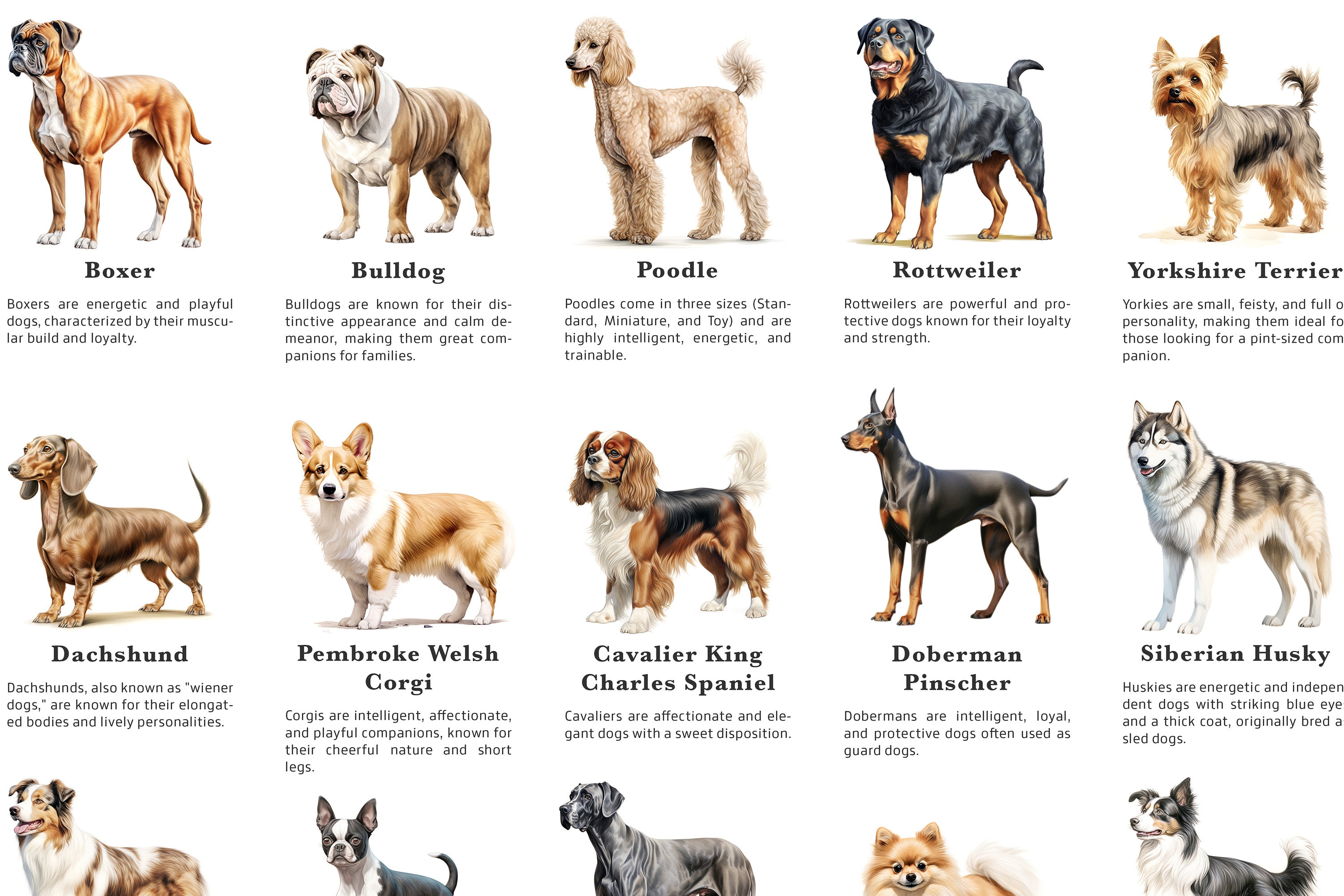
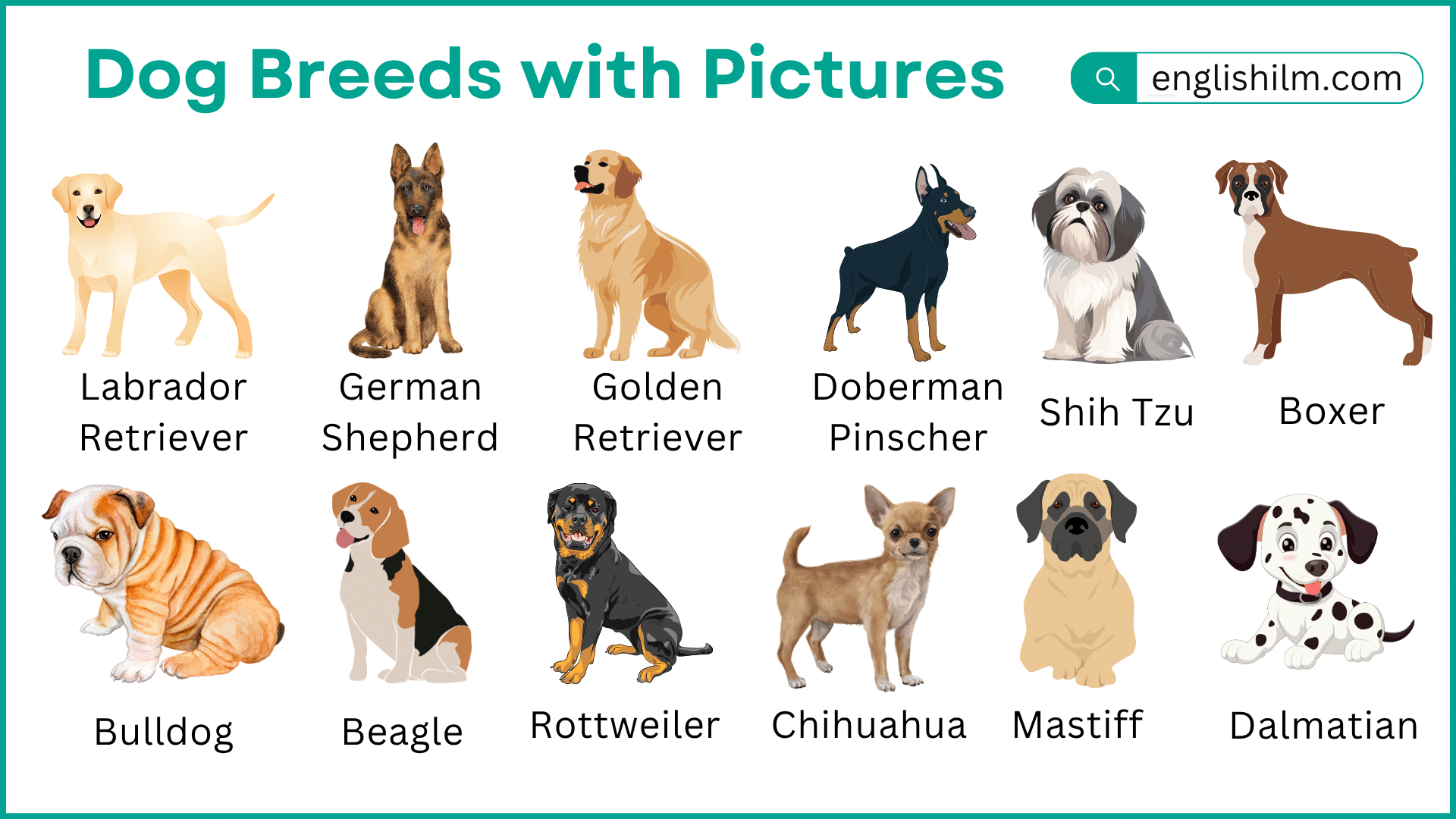
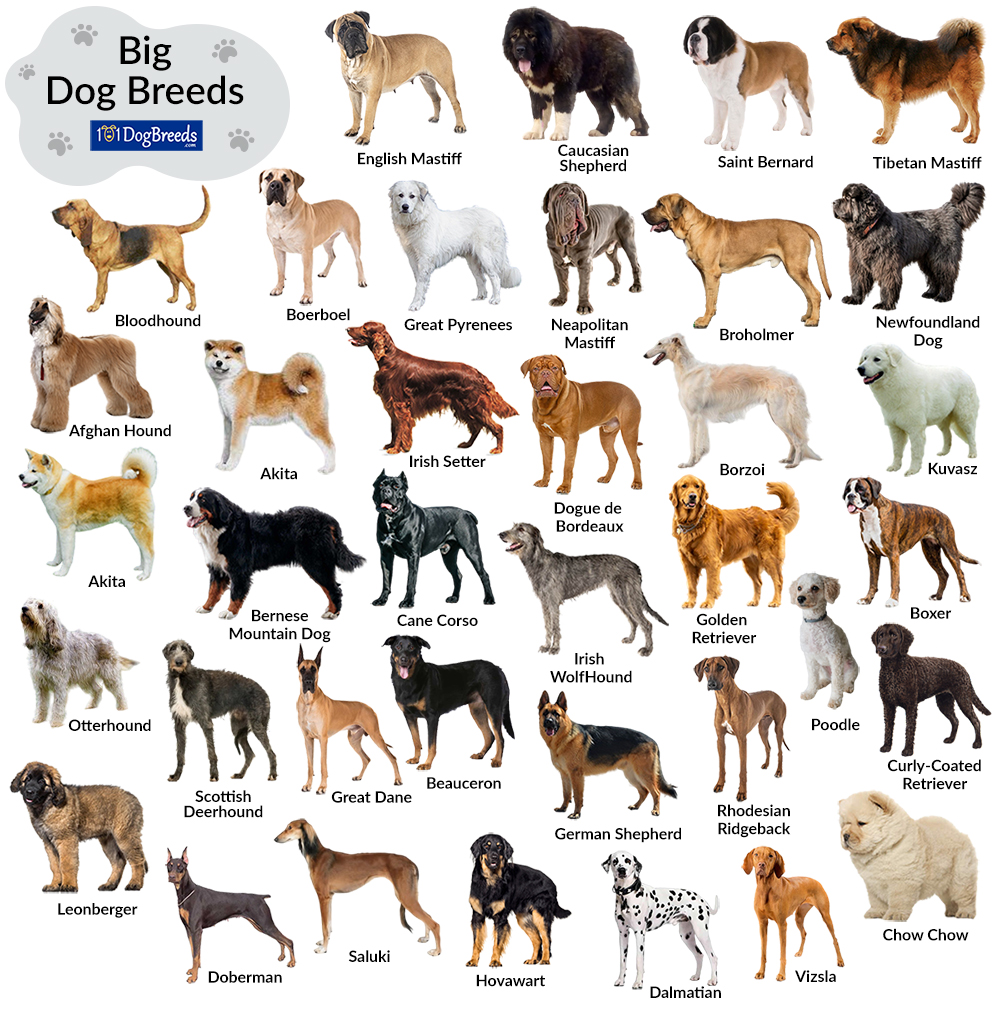
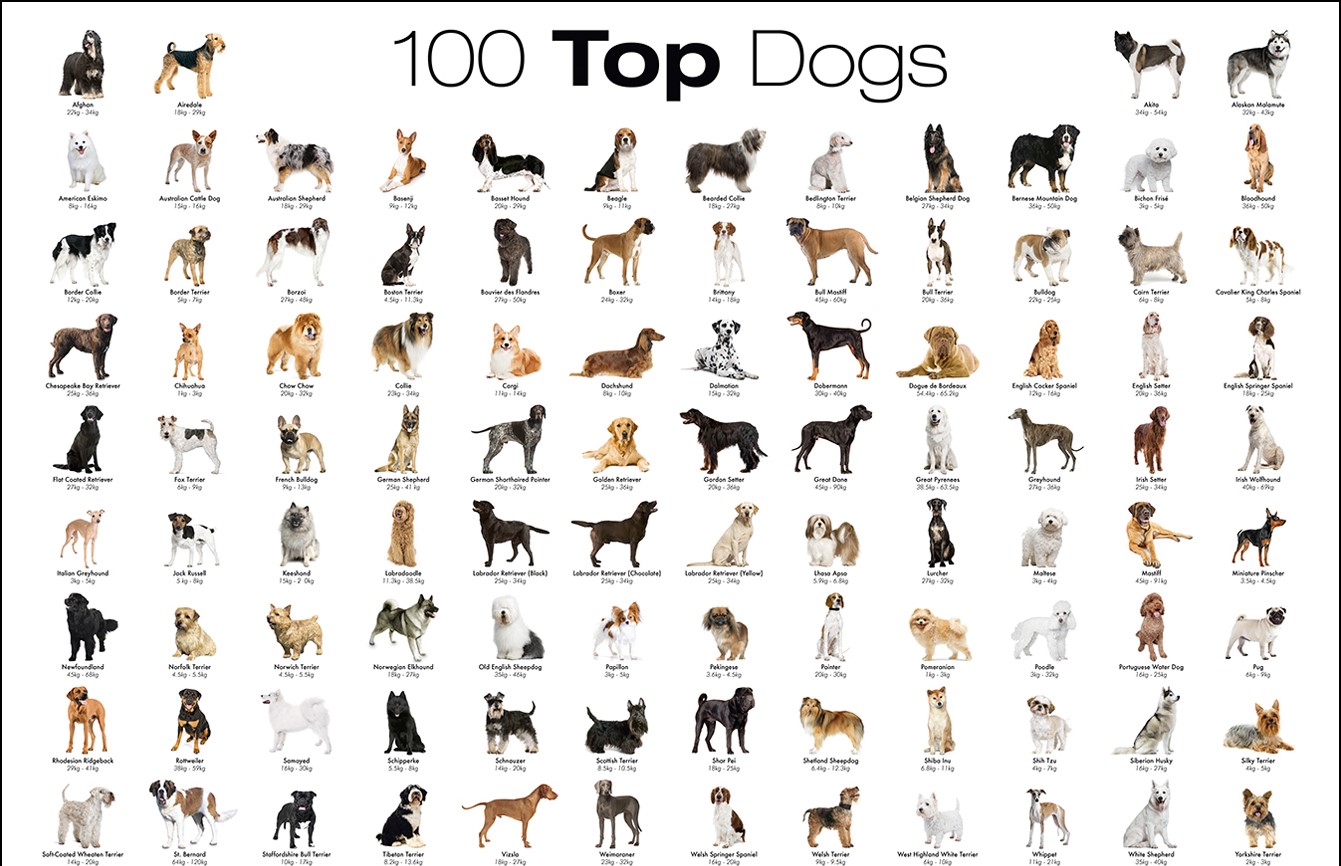
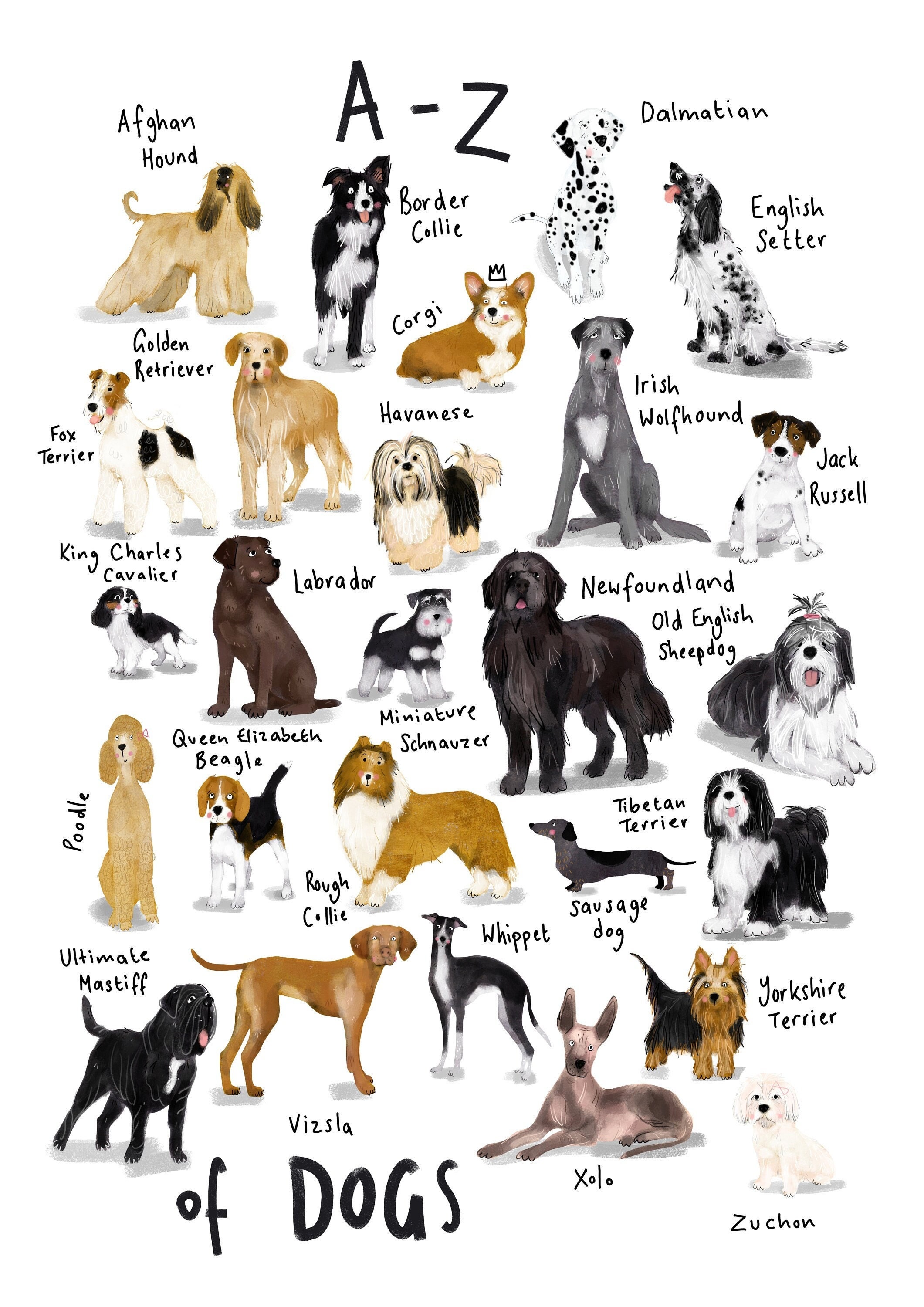
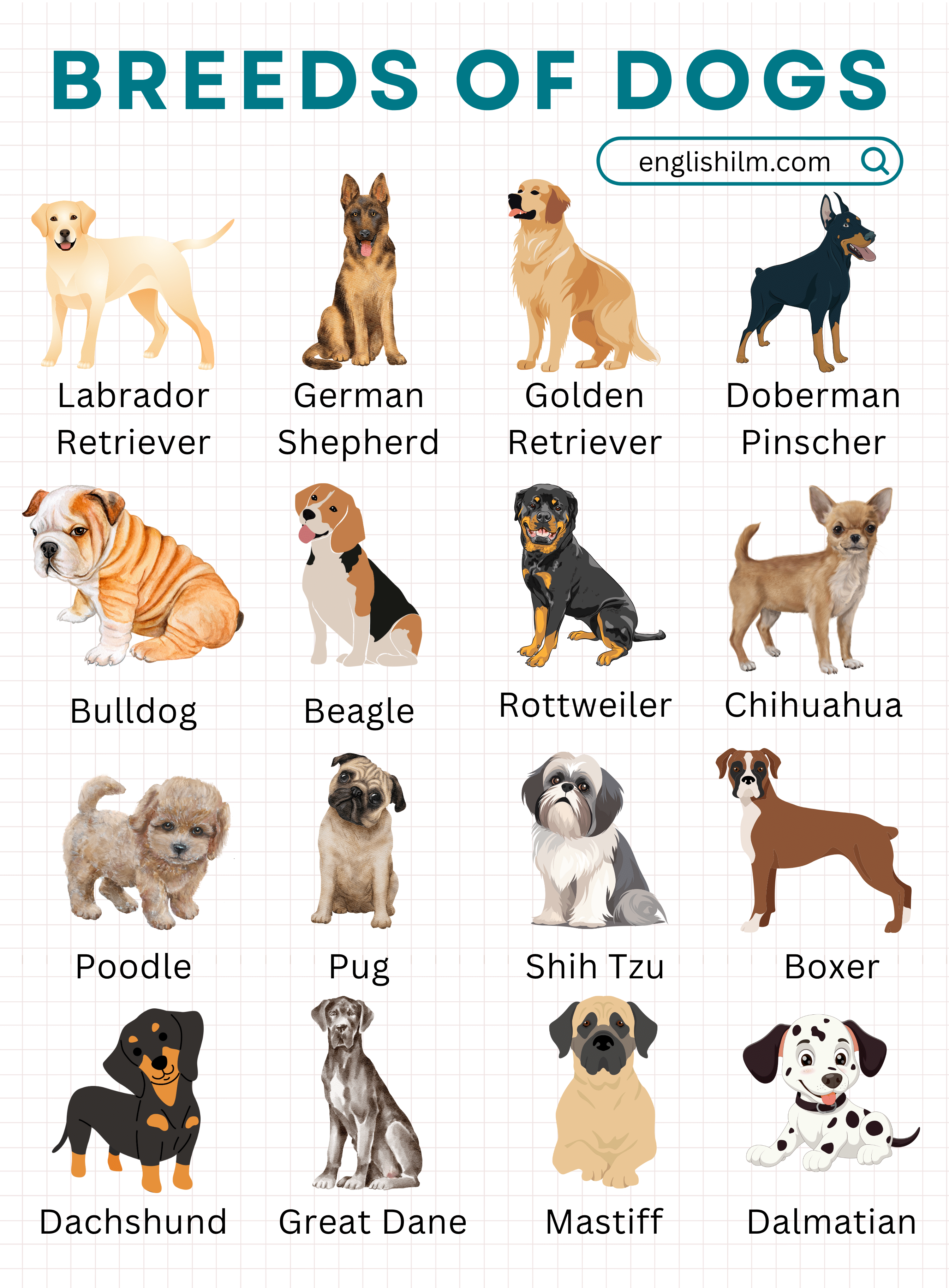
Evaluating dog breeds and pictures requires a systematic synthesis of morphological traits, phenotypic standards, and behavioral predispositions to optimize companion animal care. According to the American Animal Hospital Association (AAHA), understanding physiological and genetic baselines enables veterinarians and animal health caregivers to anticipate breed-specific predispositions, implement targeted preventive medicine protocols, and curate appropriate environmental enrichment. Exploring comprehensive visual registries and standardized breed profiles assists prospective pet parents in aligning lifestyle capabilities with specific canine requirements, ultimately preventing behavioral relinquishment and fostering lifelong animal welfare.
Pet Wellness & Behavior Snapshot:
- Core Focus: Utilizing phenotypic documentation and behavioral data to match canine physiological needs with appropriate home environments.
- Target Scope: Companion animal care, preventive veterinary medicine, and specialized canine husbandry.
- Key Recommendation: Cross-reference visual breed characteristics with documented health clearances and energy level benchmarks before selection.
Core Principles and Detailed Overview
Morphological analysis through dog breeds and pictures establishes foundational expectations regarding adult sizing, coat maintenance, exercise capacity, and metabolic tendencies. Scientific observation of skeletal structures, skull shapes, and musculature across various lineages informs clinical prognoses and custom Dog Health monitoring plans. Brachycephalic conformations, for example, present distinct airway dynamics that alter thermal regulation and anesthesia risks, whereas athletic sporting breeds demand rigorous cognitive and physical outlets to mitigate redirected destructive behaviors. Caregivers must look past superficial aesthetic appeals found in photography to understand the genetic drivers governing temperament, socialization thresholds, and potential hereditary disorders.
Key Specifications and Breakdown
| Observed Indicator / Factor | Veterinary & Behavioral Explanation | Actionable Management Protocol |
|---|---|---|
| Cephalic Structure & Airway Type | Skull shape dictates respiratory efficiency, dental occlusion, and thermal tolerance under physical exertion. | Modify ambient temperatures and utilize harness restraints instead of neck leads for brachycephalic variants. |
| Coat Density & Dermal Integrity | Hair type determines shedding cycles, parasitic vulnerability, and thermoregulation capabilities across seasons. | Establish a regular grooming schedule and review appropriate Dog Nutrition profiles containing optimal fatty acid ratios. |
| Drive Level & Predatory Sequence | Genetic selection for specific tasks modifies impulse control, prey drive intensity, and working aptitude. | Incorporate structured task-oriented games and obedience routines found within certified Dog Training frameworks. |
Comprehensive physical examinations paired with genetic screening significantly improve early detection and management of breed-related congenital anomalies. — American Veterinary Medical Association (AVMA)
Step-by-Step Practical Application and Guidelines
Selecting and maintaining a healthy canine companion involves cross-referencing visual breed identification guides with rigorous diagnostic evaluations and lifestyle assessments. Initial evaluation of dog breeds and pictures should direct caregivers toward reputable registries and health-tested lineage records rather than unregulated online marketplaces. Once a specific phenotype is chosen, veterinary health plans must be tailored to address known orthopedic, cardiac, or dermatological vulnerabilities inherent to that genetic pool. Regular behavioral assessments track developmental milestones, ensuring that socialization windows are effectively managed and that environmental stressors are minimized through structured positive reinforcement.
Common Challenges and How to Avoid Them
Misinterpreting static photographs or romanticized breed portrayals frequently leads to severe mismatches between canine energy requirements and household capabilities. Overlooking developmental behavioral phases or ignoring subtle stress signals documented in breed literature can escalate into chronic anxiety or aggression, often necessitating intervention from specialists in Dog Behavior. Caregivers must avoid sedentary routines for working groups and prevent excessive high-impact jumping in chondrodysplastic or giant breeds prone to developmental orthopedic disease. Maintaining open communication with licensed veterinary professionals ensures that dietary formulations, exercise regimens, and preventative care schedules adapt accurately as puppies mature into senior adults.
💬 Frequently Asked Questions
Explore More Pet Care and Animal Health Guides on PetsAnimalsWorld
Expanding knowledge regarding specialized canine care, nutritional requirements, and behavioral modification empowers caregivers to foster exceptional quality of life for companion animals. Discover continuous educational resources, expert veterinary insights, and comprehensive guides across the complete library at Pets Animals World, focusing heavily on Dog Breeds and general Dog Care.
Visual Reference Gallery