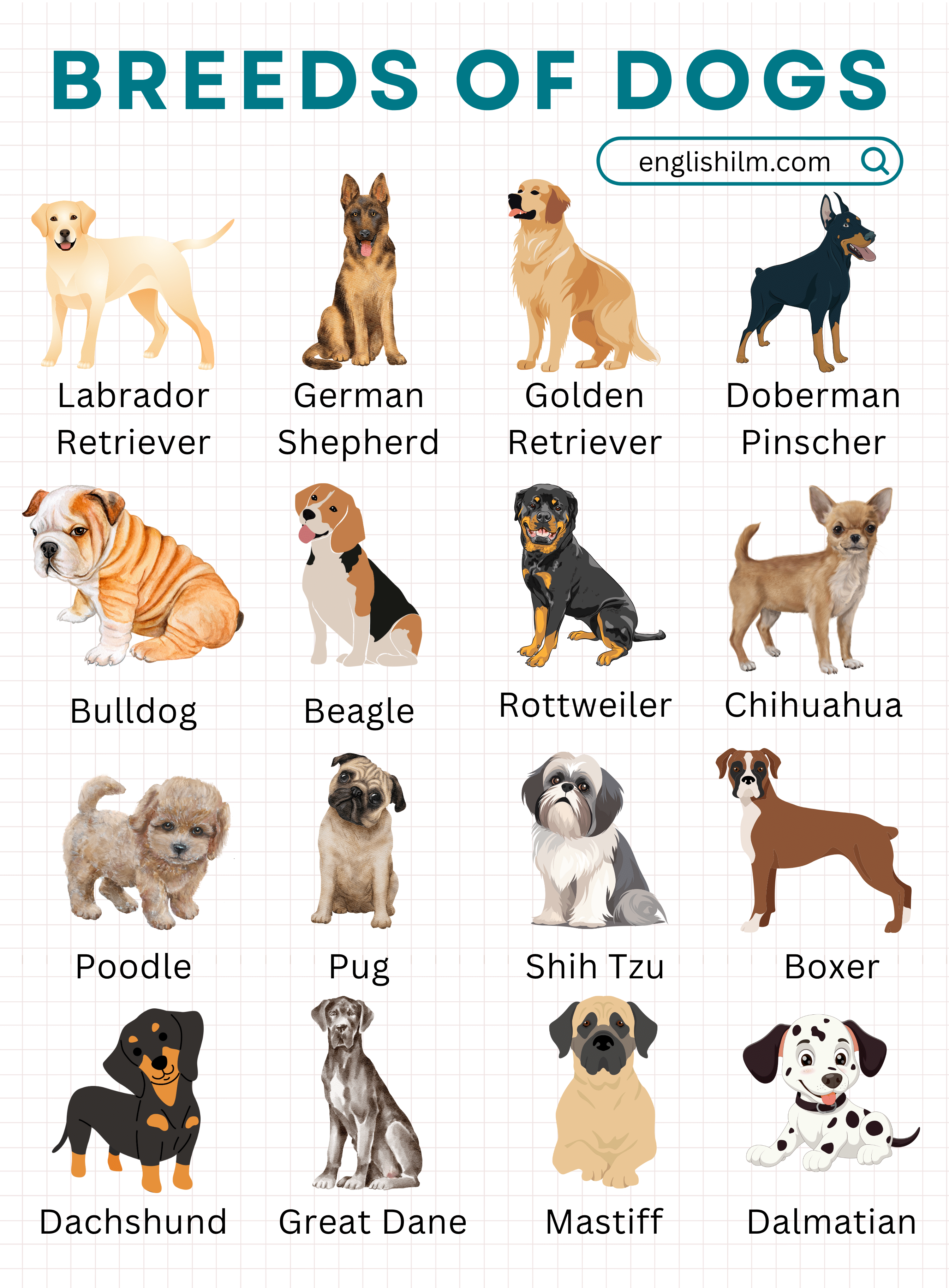
Introduction
Dog breeds as puppies exhibit profoundly diverse developmental trajectories, metabolic rates, and behavioral thresholds that demand specialized early management. According to the American Animal Hospital Association (AAHA), proactive puppy care protocols during the critical socialization window significantly reduce the incidence of adult behavioral pathologies and chronic health conditions. Understanding breed-specific maturation timelines enables caregivers to align husbandry practices with genetic predispositions. Comprehensive oversight of Dog Health and early environment shaping determines long-term wellness outcomes across all canine lineages.
Pet Wellness & Behavior Snapshot:
- Core Focus: Breed-specific developmental needs and behavioral milestones in young canines.
- Target Scope: Guidance for pet parents, breeders, and animal health technicians navigating puppy growth.
- Key Recommendation: Implement tailored socialization and nutritional strategies matching the exact genetic class of the puppy.
Core Principles and Detailed Overview
Dog breeds as puppies require distinct management strategies because genetic heritage dictates skeletal growth velocity, neurodevelopmental milestones, and drive intensities. Giant breeds attain structural maturity much later than toy varieties, necessitating strict dietary calcium-to-phosphorus ratios to prevent osteochondrodysplasia. Similarly, working groups demonstrate intense predatory and guarding drives within weeks of birth, requiring structured redirection through appropriate outlets found in professional Dog Training regimens. Recognizing these biological blueprints prevents mismatched expectations and safeguards canine welfare during formative months.
Key Specifications and Breakdown
| Observed Indicator / Factor | Veterinary & Behavioral Explanation | Actionable Management Protocol |
|---|---|---|
| Rapid Epiphyseal Plate Growth | Large-breed puppies experience accelerated bone elongation, leaving joints vulnerable to micro-fractures from high-impact exercise. | Restrict forced running and jumping on hard surfaces until radiographic closure of growth plates is confirmed by a veterinarian. |
| Fear Imprint Period Vulnerability | Traumatic stimuli encountered between eight and eleven weeks of age create long-lasting conditioned emotional responses. | Pair novel environments, handling, and sounds exclusively with high-value reinforcement to build lifelong psychological resilience. |
| High Metabolic Energy Demand | Toy-breed puppies possess extremely small glycogen reserves, predisposing them to rapid-onset juvenile hypoglycemia under stress. | Provide frequent, calorie-dense meals formulated specifically for small-breed growth, utilizing resources in Dog Nutrition. |
Puppies require specialized vaccination schedules initiated between six and eight weeks of age, followed by serial boosters every two to four weeks until sixteen weeks of age to ensure protective titers against core infectious diseases. — American Veterinary Medical Association (AVMA)
Step-by-Step Practical Application and Guidelines
Dog breeds as puppies successfully integrate into domestic environments when caregivers follow a structured methodology combining veterinary medicine, ethology, and proper nutrition. Establishing a predictable daily routine for elimination, foraging, and rest builds emotional security in neonates and adolescents. Caregivers must introduce environmental enrichment tailored to the specific working or companion category of the puppy, encouraging natural exploratory behaviors safely. Routine monitoring of weight charts, dental eruption patterns, and coat condition provides early warning signs of systemic illness, supporting overall Dog Care standards.
Common Challenges and How to Avoid Them
Dog breeds as puppies frequently develop behavioral escalation or nutritional imbalances when caregivers misinterpret breed-specific communication signals and energy requirements. Overlooking subtle stress signals such as lip-licking or yawning often leads to defensive nipping, which owners mistakenly punish rather than de-escalate. Consulting expert insights on Dog Behavior helps prevent inadvertent reinforcement of fear or aggression. Furthermore, self-formulating puppy diets without veterinary oversight routinely causes severe mineral deficiencies, underscoring the necessity of strict adherence to commercial growth formulations validated by feeding trials.
💬 Frequently Asked Questions
Explore More Pet Care and Animal Health Guides on PetsAnimalsWorld
Mastering the developmental needs of young canines requires continuous education across diverse veterinary and behavioral disciplines. Expanding knowledge regarding Dog Breeds empowers pet parents to anticipate clinical and psychological requirements at every life stage. Explore the extensive resource library available across Pets Animals World to ensure optimal lifetime health, safety, and happiness for companion animals.
Visual Reference Gallery