Introduction
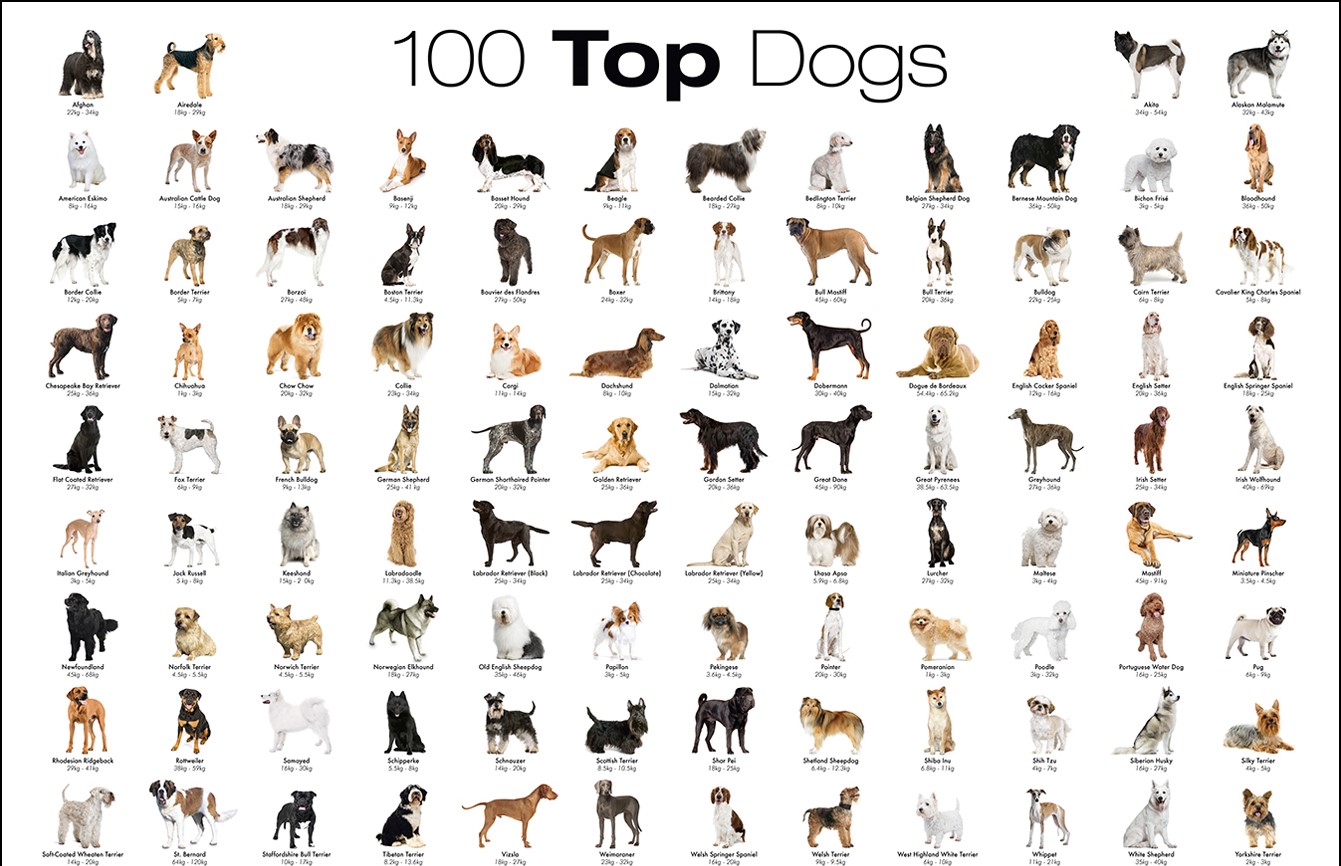
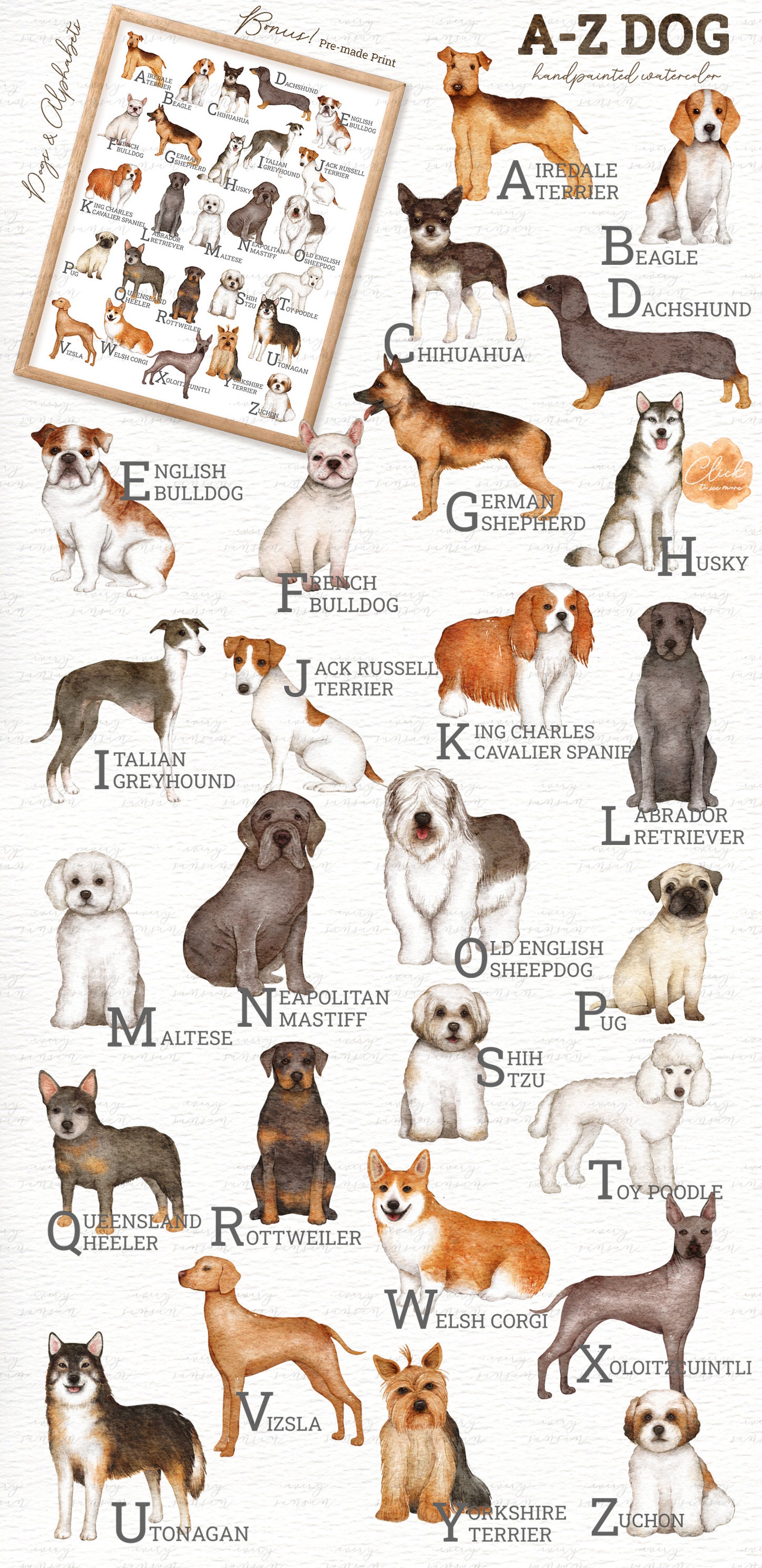
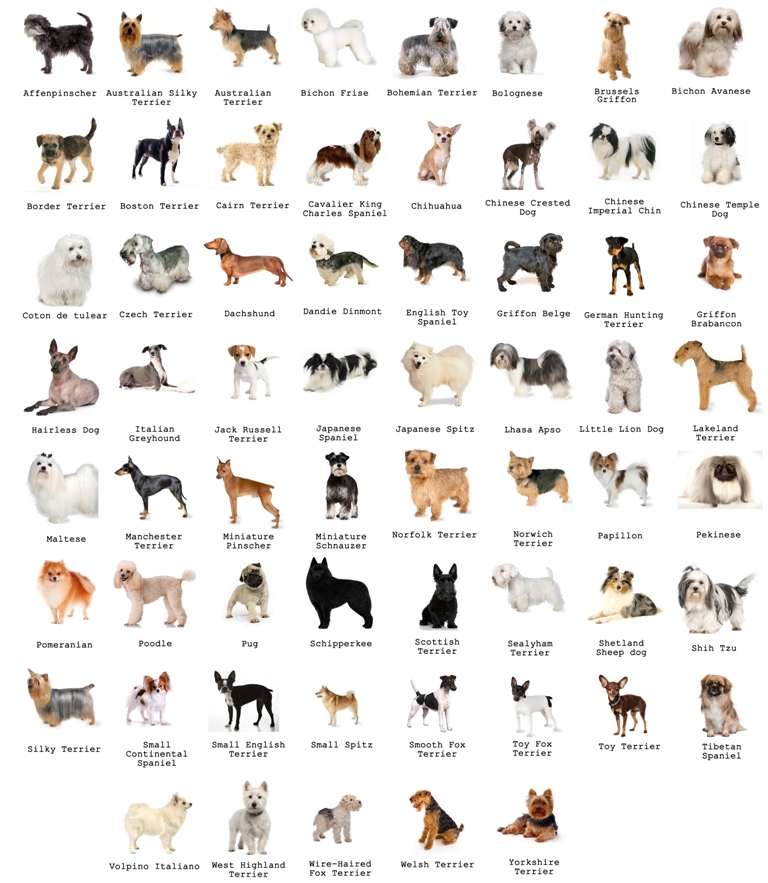
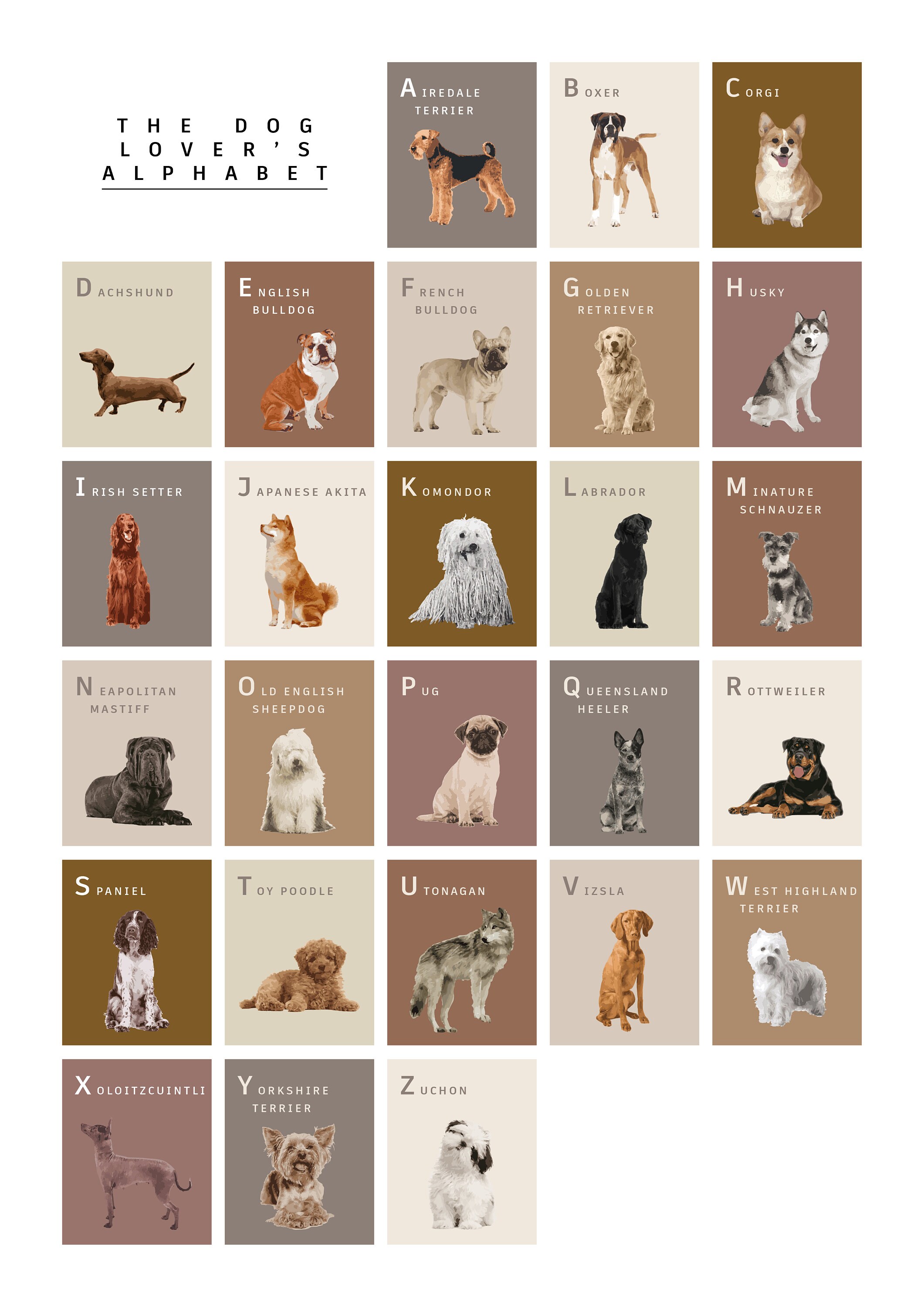
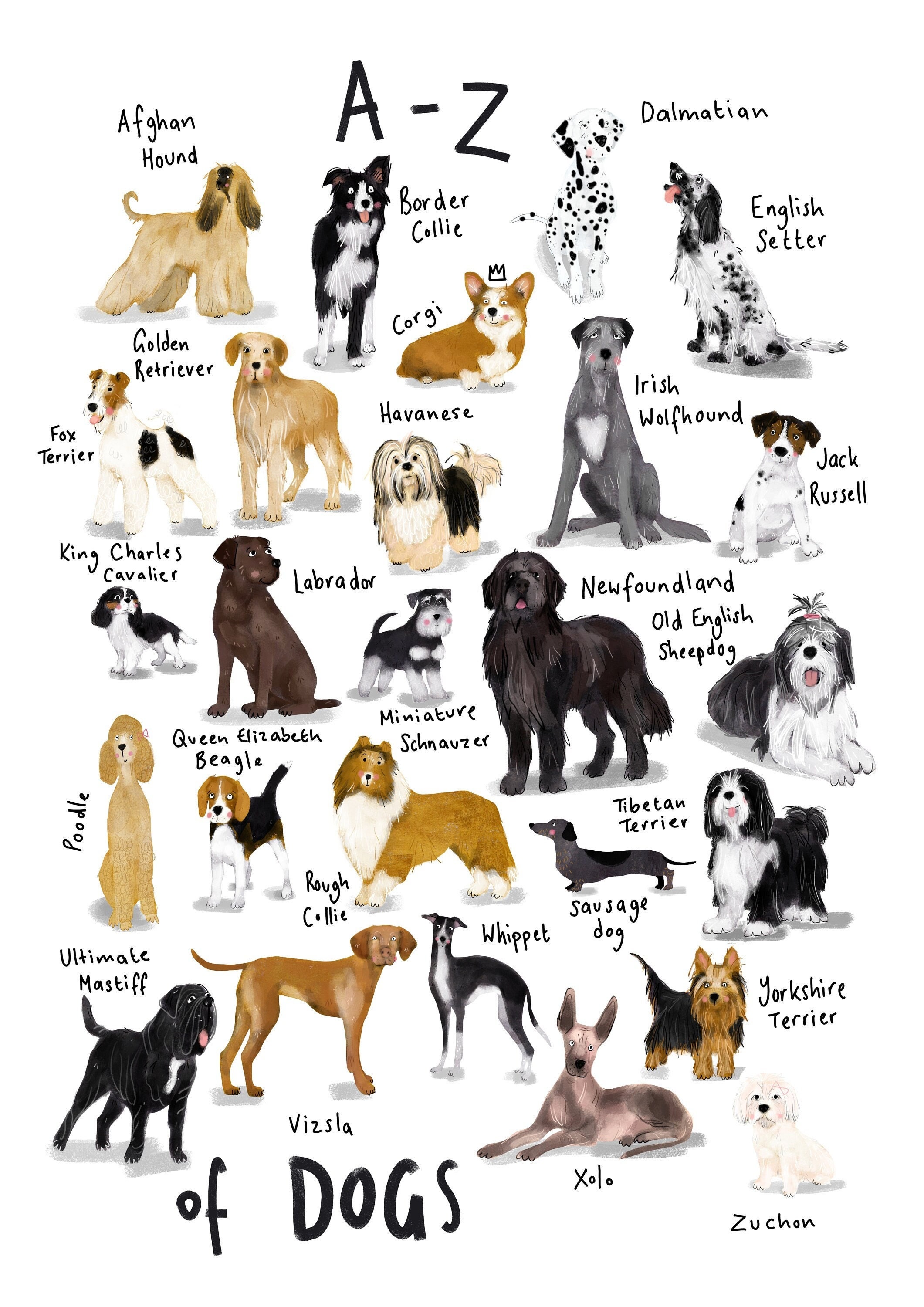
Dog breeds alphabetical references systematically organize canine taxonomy by common name to streamline veterinary record-keeping, behavioral profiling, and nutritional planning. According to the American Animal Hospital Association (AAHA), standardizing nomenclature and breed categories reduces clinical miscommunication and enhances targeted preventative medicine across diverse canine populations. Utilizing an alphabetical framework empowers animal health caregivers to quickly cross-reference genetic predispositions, breed-specific physiological metrics, and behavioral markers. Navigating the extensive spectrum of domestic canines requires a structured database, making alphabetical categorization an essential tool for evidence-based companion animal management. Establishing reliable reference systems directly supports targeted healthcare interventions tailored to unique anatomical requirements. This foundational taxonomy underpins modern veterinary diagnostics, specialized husbandry protocols, and customized physical conditioning regimens.
Pet Wellness & Behavior Snapshot:
- Core Focus: Systematic alphabetical classification of canine varieties to optimize veterinary care, behavioral assessments, and nutritional plans.
- Target Scope: Applied across Dog Breeds directories, veterinary software, and shelter management databases.
- Key Recommendation: Cross-reference alphabetical breed listings with individual genetic screening and physical examination findings to establish precise baseline care.
Core Principles and Detailed Overview
Dog breeds alphabetical structures provide immediate diagnostic scaffolding by linking specific nomenclature to documented hereditary medical conditions and instinctual behavioral traits. Alphabetical listings remove administrative friction, allowing technicians and clinicians to rapidly access metabolic rates, pharmacological sensitivities, and skeletal vulnerabilities unique to categories ranging from Akitas to Yorkshire Terriers. Understanding the lineage associated with each alphabetic entry informs Dog Behavior assessments, as working groups, hounds, and toy groups exhibit vastly divergent cognitive drives and environmental thresholds. Integrating this taxonomic approach into daily clinic workflows bridges the gap between raw genealogical data and practical owner education. Furthermore, pairing alphabetical indexes with targeted Dog Nutrition parameters ensures caloric density and macronutrient profiles align with the metabolic demands of specific body types and sizes.
Key Specifications and Breakdown
| Observed Indicator / Factor | Veterinary & Behavioral Explanation | Actionable Management Protocol |
|---|---|---|
| Taxonomic Sequencing | Standardizes data retrieval across disparate global registries and electronic medical records. | Integrate alphabetical indexes into clinic intake software to minimize diagnostic delays. |
| Breed-Specific Pathology | Links alphabetical nomenclature directly to known genetic predispositions and anatomical risks. | Cross-reference patient entries with hereditary screening guidelines for early detection. |
| Nutritional Mapping | Associates alphabetical categories with specific metabolic needs and growth velocities. | Tailor caloric intake and formulation choices based on adult size brackets within the index. |
Standardizing patient nomenclature and referencing verifiable breed health databases minimizes diagnostic errors and improves lifetime wellness outcomes. — American Veterinary Medical Association (AVMA)
Step-by-Step Practical Application and Guidelines
Dog breeds alphabetical methodologies require a structured implementation process that bridges administrative data sorting with direct animal care. Clinical staff and pet guardians should first verify the exact registry name of the animal to ensure accurate placement within alphabetical reference manuals or electronic databases. Following identification, caregivers must evaluate the corresponding entries in Dog Health guidelines to identify potential breed-specific vulnerabilities, such as brachycephalic airway syndrome or hip dysplasia. Once physical markers are cataloged, professionals should review associated Dog Training modalities that align with the cognitive and working heritage of the specific alphabetized classification. Maintaining this systematic workflow ensures that environmental enrichment, preventive veterinary schedules, and dietary formulations remain precisely calibrated to the individual animal’s ancestral blueprint.
Common Challenges and How to Avoid Them
Dog breeds alphabetical sorting systems frequently fail when mixed-breed dogs, designer crosses, or regional naming variations obscure standard taxonomic classification. Relying solely on visual identification without genetic verification introduces diagnostic errors, as phenotypic traits can mask underlying metabolic or structural vulnerabilities. Caregivers must avoid assuming uniform health profiles for every entry under a single alphabetical letter, given the vast physiological differences between distinct breeds sharing initial letters. Mitigating these discrepancies requires comprehensive DNA panel testing rather than relying exclusively on morphological appearance during intake procedures. Combining rigorous genetic data with alphabetical reference manuals preserves clinical accuracy and safeguards long-term animal vitality.
💬 Frequently Asked Questions
Explore More Pet Care and Animal Health Guides on PetsAnimalsWorld
Expanding canine care knowledge requires access to verified, evidence-based resources spanning every aspect of domestic animal husbandry, behavioral science, and preventative medicine. Caregivers seeking deeper insights into optimal companion animal management can explore the comprehensive educational library hosted at Pets Animals World, alongside specialized modules dedicated to Dog Care. Continuous education remains the cornerstone of responsible pet ownership, empowering caregivers to make informed decisions that promote lifelong health and behavioral stability.
Visual Reference Gallery