

Introduction
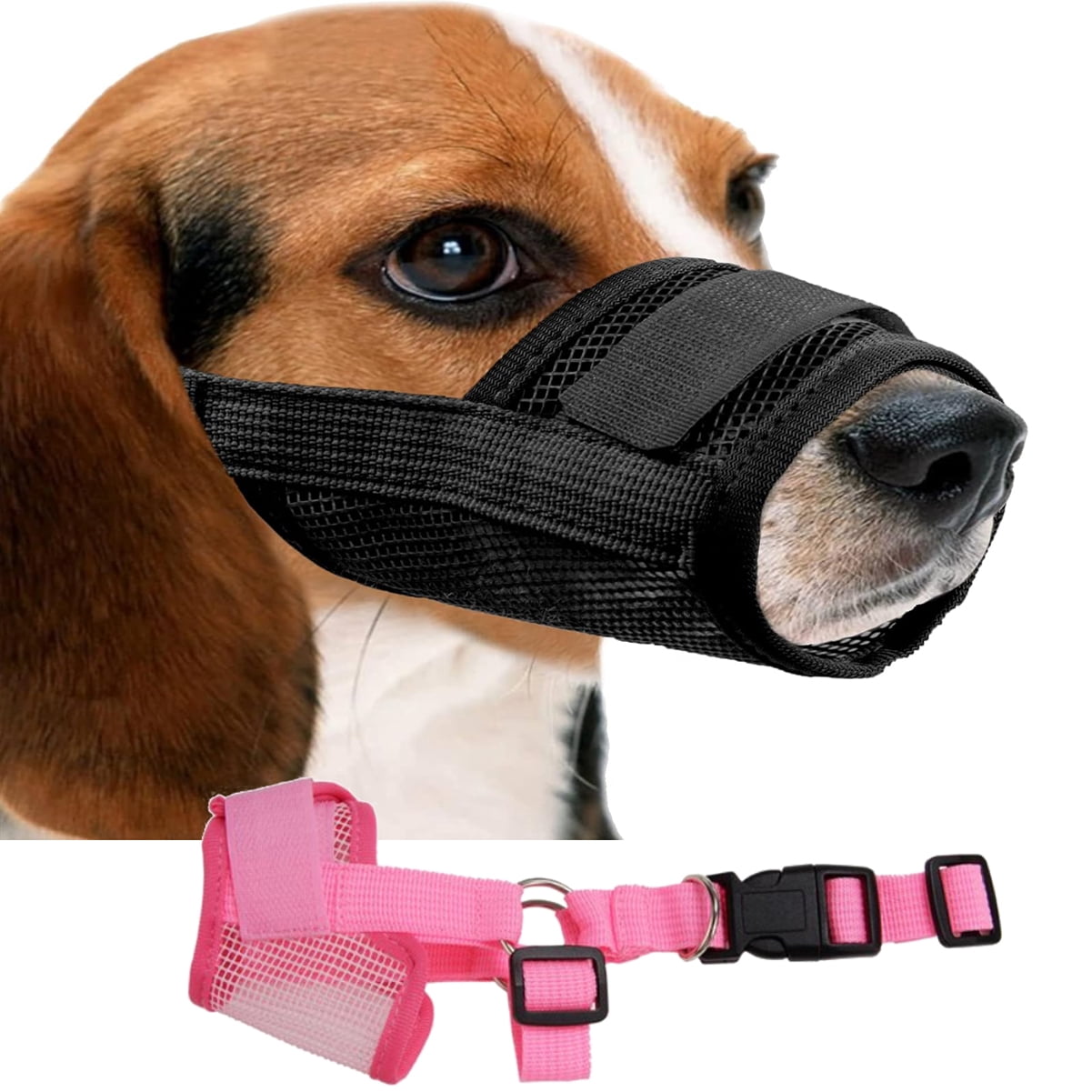
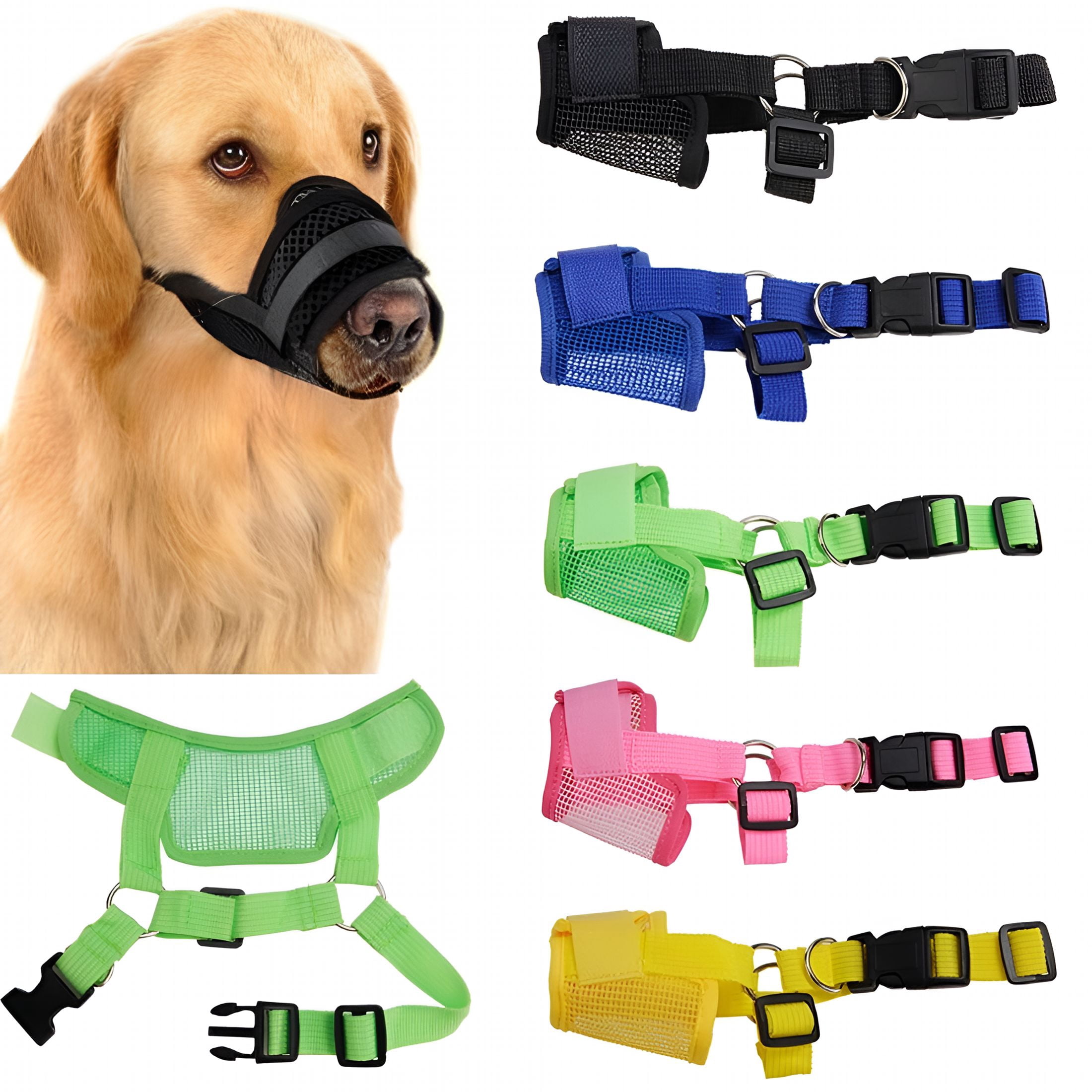
Ensuring the safety and well-being of both canine companions and those around them is a primary concern for dog owners. Occasionally, circumstances arise where a dog exhibits biting behavior, leading to a search for effective management tools. The term “dog mouth guard to stop biting” refers to a device, more commonly known as a muzzle, designed to prevent a dog from biting. Understanding when and why such a device might be considered, as well as its proper application, is crucial for responsible pet ownership. This article explores the purpose, proper use, and underlying behavioral considerations related to using a mouth guard or muzzle as a measure to prevent biting, ultimately contributing to a safer environment and improved quality of life for all involved.
💡 Pet Care Key Takeaways:
- Core Focus: Practical health, nutrition, and wellness guidelines for Dog Mouth Guard To Stop Biting.
- Target Scope: Pet owners, animal caregivers, and veterinary support staff.
- Best Recommendation: Maintain consistent daily routines and consult an accredited veterinarian before introducing major diet or medical changes.
Common Causes and Key Factors
Biting in dogs is a complex behavior stemming from various factors. Understanding these root causes is essential before considering any management tool, including a mouth guard. One primary cause is fear or anxiety; a dog may bite when feeling threatened, cornered, or overwhelmed. Pain is another significant factor, as an injured or ailing dog might bite to protect itself from perceived threats, especially when touched in a sensitive area. Resource guarding, where a dog protects its food, toys, space, or even a person, can also lead to biting behavior if boundaries are challenged. For more related activities, check out our Dog Heat Behavior Changes.
Other contributing factors include territoriality, frustration due to lack of exercise or mental stimulation, or even learned behavior from rough play that escalated. Poor socialization during puppyhood can result in a dog lacking appropriate bite inhibition or understanding of social cues, making them more prone to biting out of fear or misunderstanding. In specific situations, such as veterinary examinations, grooming, or interactions with unfamiliar people or animals, a dog might feel stressed and resort to biting as a defense mechanism. A “dog mouth guard to stop biting” becomes relevant as a temporary safety measure in these controlled, high-stress environments.
Signs and Symptoms to Observe
Dogs typically provide clear signals before resorting to a bite, although these signs can sometimes be subtle or missed by an inexperienced observer. Recognizing these indicators is vital for intervention and management. Common warning signs include growling, snarling, baring teeth, or curling lips. A dog might also snap its jaws in the air, lunge forward without making contact, or attempt to put distance between itself and the perceived threat.
Body language offers further clues. Stiffening of the body, a fixed stare, tucked tail, flattened ears, or dilated pupils can all indicate discomfort or impending aggression. Resource guarding might manifest as a dog freezing over an item, eating rapidly, or growling when approached while in possession of a valued resource. These signs can vary depending on a dogs breed, age, and individual temperament. For instance, some breeds are more prone to guarding behaviors, while a puppy’s playful nipping can escalate if not properly addressed, potentially developing into more serious biting in adulthood. Observing these behaviors consistently suggests a need for careful management and possibly professional intervention, where a mouth guard might serve as a temporary safety measure during behavior modification.
Practical Solutions and Management Strategies
Addressing biting behavior requires a multi-faceted approach, with a “dog mouth guard to stop biting” (muzzle) serving as a safety tool rather than a standalone solution. The primary goal should always be to identify and manage the underlying cause of the biting.
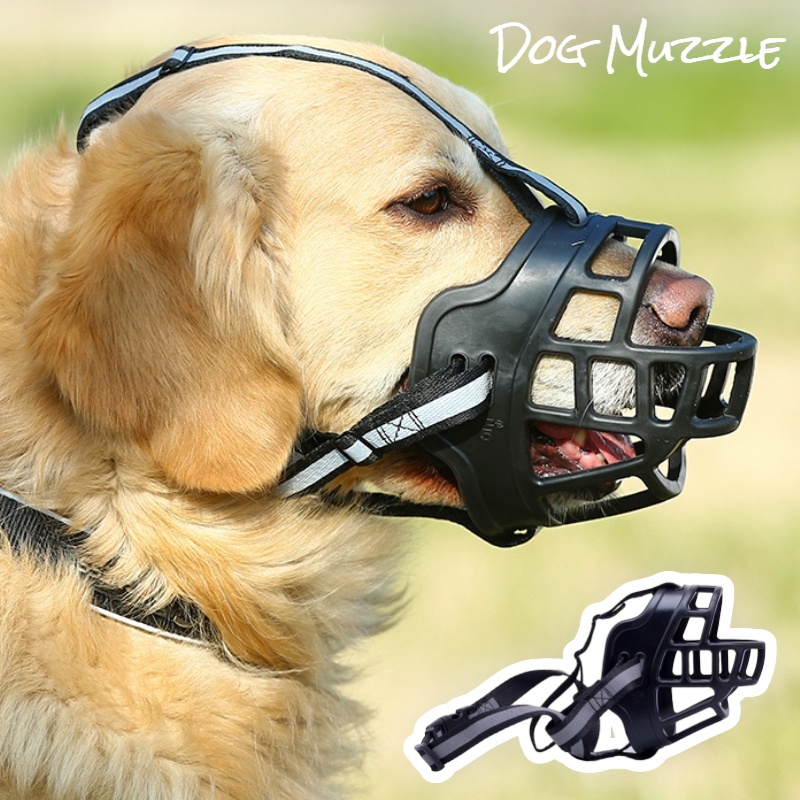
For situations requiring immediate safety, such as veterinary visits, grooming sessions, or during the initial stages of behavior modification, a well-fitted muzzle can prevent bites. Basket muzzles are often preferred as they allow the dog to pant, drink, and receive treats, which is crucial for comfort and positive reinforcement during training. Introducing a muzzle should always be a positive experience, using treats and praise to create a positive association. Gradual desensitization, where the dog is slowly accustomed to wearing the muzzle for increasing durations, is key to preventing further stress or resistance.
Behavior modification techniques are essential for long-term improvement. This often includes positive reinforcement training to teach alternative behaviors, such as “leave it” or “stay.” Environmental management plays a crucial role; this involves identifying and avoiding triggers that lead to biting, creating safe spaces for the dog, and supervising interactions carefully. Providing adequate physical exercise and mental enrichment can also reduce frustration and anxiety, which might contribute to biting. Socialization should be carefully managed, ensuring positive, controlled exposures to new experiences and individuals rather than overwhelming the dog. It is vital to remember that a muzzle is a management tool for safety and should not be used for punishment or as a permanent solution without addressing the root cause of the biting behavior.
When Professional Help May Be Needed
While a dog mouth guard can offer immediate safety, it is rarely a long-term solution on its own. Persistent or escalating biting behavior, particularly if it causes injury, indicates a strong need for professional intervention. If a dog’s aggression seems unprovoked, disproportionate to the trigger, or if the underlying cause is unclear, consulting with a professional is imperative.
A veterinary visit should always be the first step to rule out any medical conditions or pain that might be contributing to the biting. Dogs experiencing discomfort due to illness or injury are more likely to bite. If health issues are ruled out, a certified professional dog trainer specializing in behavior modification or a veterinary behaviorist can provide expert guidance. These professionals can conduct a thorough assessment, identify the specific triggers and motivations behind the biting, and develop a tailored behavior modification plan. Their expertise ensures that the underlying issues are addressed effectively and safely, often incorporating tools like a muzzle as part of a broader, structured training regimen. Attempting to manage severe biting behaviors without professional guidance can be risky and may inadvertently worsen the problem.
Conclusion
The concept of a “dog mouth guard to stop biting,” primarily referring to a muzzle, represents a critical safety tool in responsible dog ownership. While essential for immediate bite prevention in specific situations, it is crucial to understand that such a device manages a symptom, not the root cause. Effective and humane management of biting behavior stems from a deep understanding of a dog’s motivations, which can range from fear and pain to resource guarding or a lack of proper socialization. Consistent observation of warning signs, implementation of positive reinforcement training, and proactive environmental management are foundational steps. When biting behavior persists or poses a significant risk, seeking the expertise of a veterinarian or a certified professional dog behaviorist is paramount. Through a combination of informed awareness, responsible use of safety tools, and dedicated professional guidance, a safer environment can be fostered for dogs and their human companions, enhancing the bond and improving overall well-being.
Pet Care & Wellness Overview Table
| Life Stage | Daily Activity Level | Key Nutrition / Care Focus |
|---|---|---|
| Puppy / Kitten | High (frequent short bursts) | High-protein growth diet & early socialization |
| Adult Companion | Moderate (30–60 mins daily) | Balanced maintenance nutrition & dental hygiene |
| Senior Pets | Low to Gentle (mindful walks) | Joint support (Glucosamine) & routine vet checks |
Images References




For more expert pet care tips and advice, check out our dedicated Dog Behavior guides to keep your companions healthy and happy.




