

Introduction
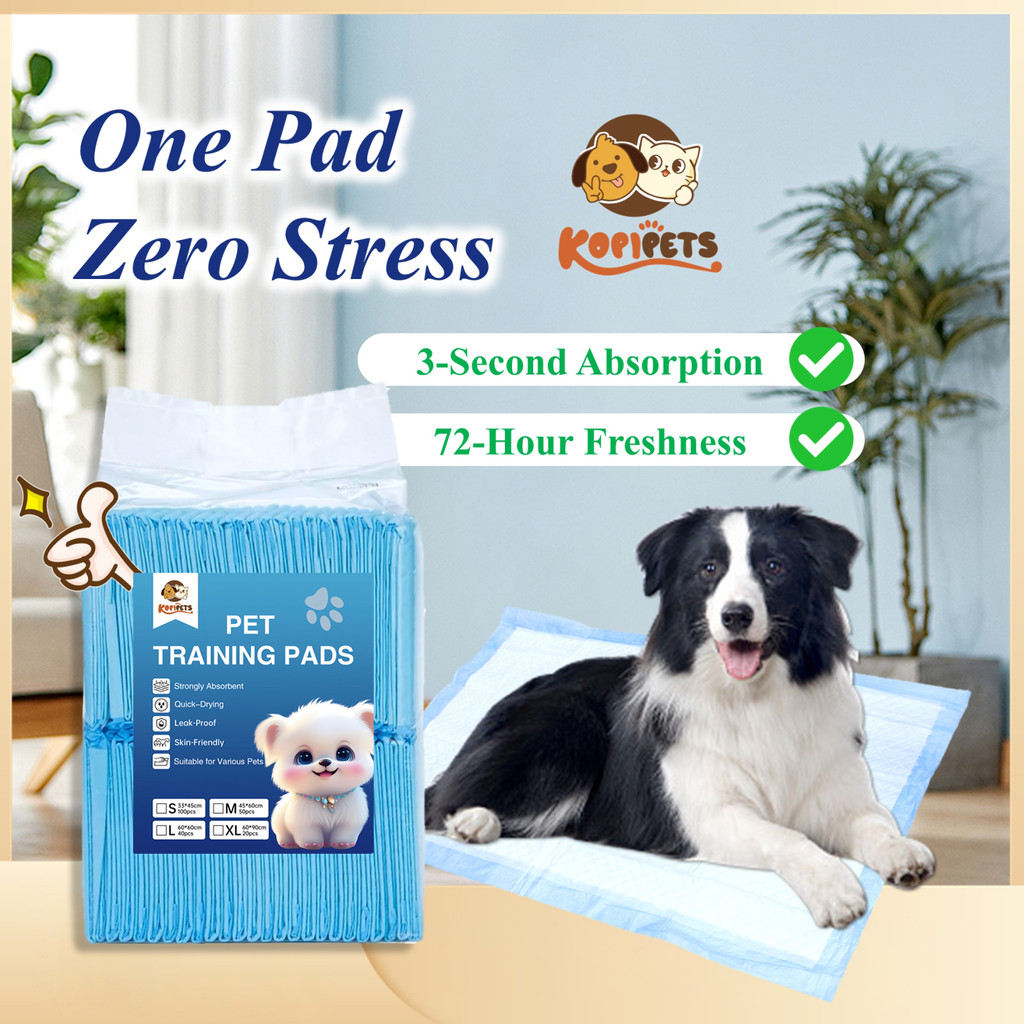
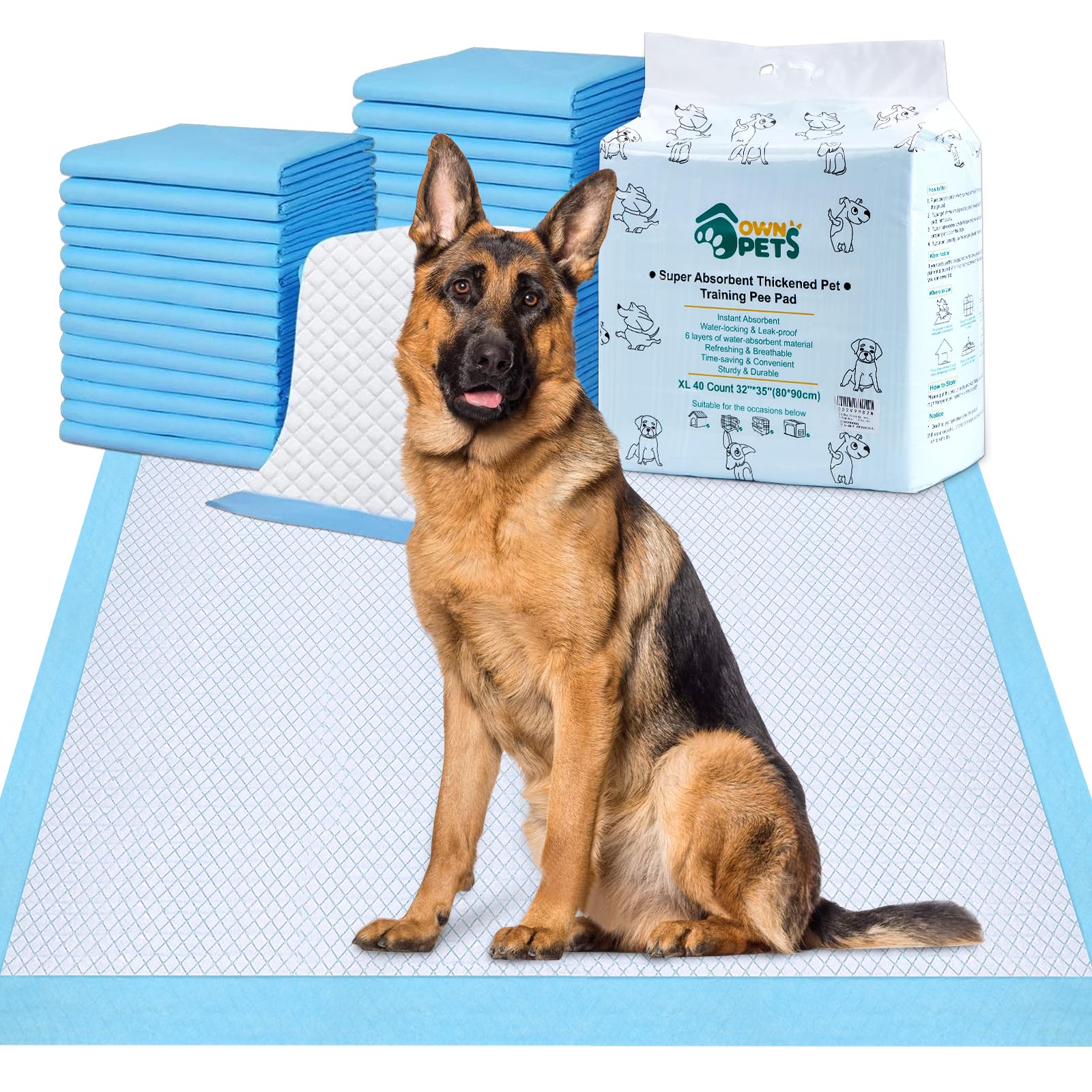
The journey of dog ownership brings immense joy, but also responsibilities, one of which often involves navigating the intricacies of house training. For many pet parents, the dog training pad serves as an invaluable tool in this process. A dog training pad, often referred to as a puppy pad or potty pad, is an absorbent mat designed to provide an designated indoor area for a dog to relieve itself. These pads typically feature multiple layers, including a waterproof backing to protect floors, and an absorbent core often infused with an attractant scent to encourage use. Understanding the role and proper application of a dog training pad is crucial for successful housebreaking, especially for puppies, senior dogs, or canines with specific needs. The effective use of these pads can minimize accidents, maintain hygiene within the home, and reduce stress for both the dog and its owner. This article explores the various facets of dog training pads, aiming to equip pet enthusiasts with the knowledge to integrate them effectively into a dog’s care routine, ultimately fostering better behavior and an improved quality of life for the canine companion.
💡 Pet Care Key Takeaways:
- Core Focus: Practical health, nutrition, and wellness guidelines for Dog Training Pad.
- Target Scope: Pet owners, animal caregivers, and veterinary support staff.
- Best Recommendation: Maintain consistent daily routines and consult an accredited veterinarian before introducing major diet or medical changes.
Common Causes and Key Factors
The decision to utilize a dog training pad stems from several common scenarios and influential factors in a dog’s life. Foremost among these is puppy house training. Young puppies have underdeveloped bladder control and require frequent opportunities to eliminate. Training pads offer a convenient and consistent indoor option, particularly before a puppy is fully vaccinated and able to go outside safely, or during inclement weather. They establish a clear, acceptable spot for indoor elimination, helping to prevent accidents on furniture or rugs. For more related activities, check out our How Much Do Animal Behaviorists Cost.
Another significant factor is the needs of senior dogs or those with medical conditions. Older dogs may develop incontinence or arthritis, making frequent trips outdoors challenging or painful. Similarly, dogs with certain health issues might experience increased urination frequency. For these animals, a dog training pad provides a dignified and accessible solution, maintaining their comfort and dignity while easing the care burden.
Owner lifestyle and environmental constraints also play a crucial role. Individuals living in apartments without easy yard access, or those with long work hours, may find dog training pads essential for providing a relief spot when immediate outdoor access is unavailable. Additionally, extreme weather conditions, such as blizzards or intense heat, can make outdoor potty breaks unsafe or impractical, making indoor relief a necessity. The consistent presence of a training pad can prevent the development of inappropriate elimination habits caused by lack of access to suitable outdoor spaces.
Signs and Symptoms to Observe
Observing a dog’s behavior provides valuable insights into its potty training progress and helps determine the effectiveness of a dog training pad. For puppies learning to use a training pad, common signs indicating a need to eliminate include sudden sniffing of the floor, circling, pacing restlessly, or heading directly towards the training pad. Whining or an abrupt interruption in play can also signal an impending need. Successfully using the pad is often followed by a noticeable sigh of relief or a quick departure from the pad area.
When a dog is consistently using the dog training pad, it indicates good understanding and acceptance of the designated area. However, signs of confusion or misuse should also be monitored. These might include eliminating just beside the pad, tearing the pad, or using multiple spots around the house despite pads being available. This could indicate the pad’s location is unsuitable, the pads are not changed frequently enough, or the dog has not fully grasped the concept.
For older dogs or those with health concerns, an increase in the frequency of accidents, particularly off the pad, may signal a change in their physical condition requiring veterinary attention. Similarly, an inability to hold urine for previously manageable periods or reluctance to move to the pad due to discomfort are important behavioral indicators. Variations in these signs can depend on factors like a dog’s age, breed-specific tendencies (some breeds are harder to house train), and the home environment.
Practical Solutions and Management Strategies
Effective use of a dog training pad requires a combination of consistency, positive reinforcement, and strategic placement. The foundation of success lies in establishing a consistent routine. Taking a dog to the training pad immediately after waking up, after meals, after play, and before bedtime significantly increases the likelihood of successful elimination on the pad. Regular trips help reinforce the desired behavior.
Positive reinforcement is paramount. When a dog successfully uses the dog training pad, immediate praise, a cheerful tone, or a small, palatable treat should be offered. This helps the dog associate the act of using the pad with positive outcomes, strengthening the desired behavior. Scolding or punishment for accidents is counterproductive and can lead to fear and secretive elimination.
Strategic pad placement and cleanliness are also crucial. The training pad should be placed in an easily accessible but relatively private area, away from food and sleeping zones. Keeping the pad clean by changing it frequently is essential; dogs are naturally clean animals and may avoid a soiled pad. Using an enzyme-based cleaner for any accidents off the pad is important to eliminate odors that might attract the dog back to that inappropriate spot.
For dogs that struggle, a gradual transition strategy can be implemented. Starting with several pads and gradually reducing the number as the dog shows consistent success can be helpful. To transition a dog from pads to outdoor relief, the training pad can be slowly moved closer to the door and eventually placed outside. This bridges the gap between indoor and outdoor elimination, making the shift smoother. Some owners also find success with reusable training pads, which offer an eco-friendlier alternative while still providing an indoor relief option.
When Professional Help May Be Needed
While dog training pads are often effective tools for housebreaking and managing indoor relief, certain situations warrant the involvement of professional expertise. If a dog suddenly begins having frequent accidents off the training pad, or exhibits a significant increase in urination frequency, veterinary consultation is highly recommended. These changes can indicate underlying medical conditions such as urinary tract infections, kidney disease, diabetes, or incontinence that require prompt diagnosis and treatment. A veterinarian can rule out health issues before attributing the behavior solely to training problems.
Furthermore, if consistent training efforts, positive reinforcement, and strategic use of the dog training pad do not yield desired results, or if a dog displays extreme anxiety or aggression related to potty training, consulting a certified professional dog trainer or veterinary behaviorist becomes appropriate. These experts can assess the specific circumstances, identify root causes for persistent training challenges, and develop a tailored training plan. They can provide guidance on advanced behavioral modification techniques, address separation anxiety that might contribute to accidents, or assist in transitioning a dog from exclusive pad use to outdoor elimination. Seeking professional help ensures a comprehensive approach to resolving complex potty training issues, ultimately supporting the dog’s well-being and the owner’s peace of mind.
Conclusion
The dog training pad stands as a versatile and beneficial resource for dog owners navigating various stages of their canine companion’s life. From aiding in the crucial early stages of puppy housebreaking to providing a convenient and comfortable solution for senior dogs or those with specific needs, these pads offer practical support for maintaining hygiene and routine. Successful implementation hinges on understanding the dog’s individual needs, consistent application of training methods, and a commitment to positive reinforcement. Regular observation of a dog’s behavior provides valuable clues, allowing for timely adjustments to training strategies or indicating when professional veterinary or behavioral intervention might be necessary. By embracing a thoughtful and informed approach to using dog training pads, owners can foster a cleaner home environment, reduce stress, and strengthen the bond with their cherished animal, contributing significantly to a dog’s overall health and happiness.
Pet Care & Wellness Overview Table
| Life Stage | Daily Activity Level | Key Nutrition / Care Focus |
|---|---|---|
| Puppy / Kitten | High (frequent short bursts) | High-protein growth diet & early socialization |
| Adult Companion | Moderate (30–60 mins daily) | Balanced maintenance nutrition & dental hygiene |
| Senior Pets | Low to Gentle (mindful walks) | Joint support (Glucosamine) & routine vet checks |
Images References




For more expert pet care tips and advice, check out our dedicated Dog Training guides to keep your companions healthy and happy.




