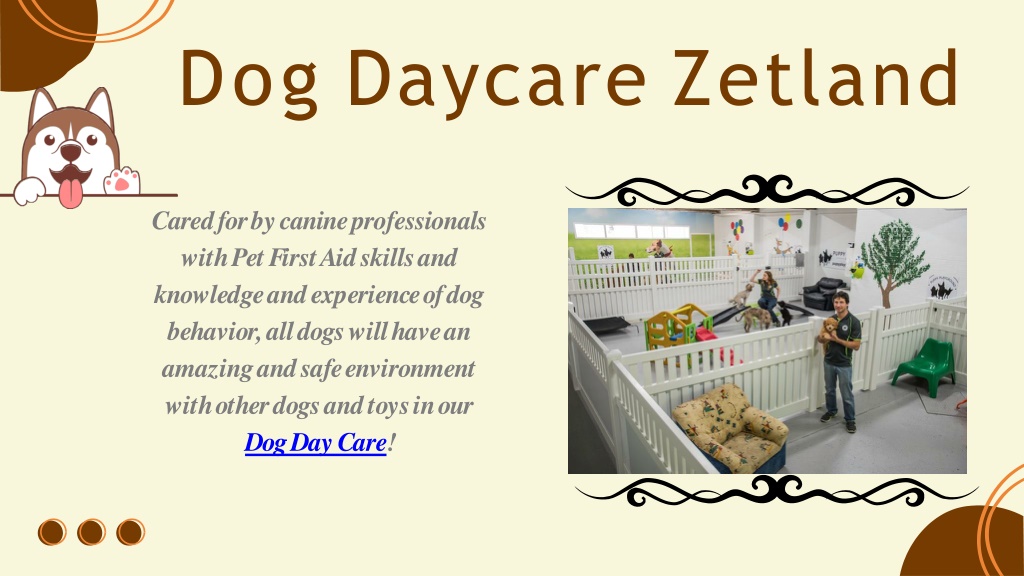
Urban living presents unique routines and lifestyle demands for domestic canines, particularly in bustling metropolitan areas where human schedules often span long hours away from the residence. Modern pet guardianship frequently involves balancing professional commitments with the physical and social needs of a companion animal. According to the American Kennel Club, social enrichment and structured daily routines are vital components in maintaining canine welfare and mitigating separation-related anxiety. For residents in Switzerland’s largest financial hub, finding reliable daytime supervision has transformed from a niche luxury into an essential component of comprehensive Dog Care. Evaluating regional options requires an understanding of facility standards, local regulations, and individual canine requirements to ensure a positive and secure environment.
💡 Pet Care Key Takeaways:
- Core Focus: Practical health, nutrition, and wellness guidelines for Doggy Day Care Zurich.
- Target Scope: Pet owners, animal caregivers, and veterinary support staff.
- Best Recommendation: Maintain consistent daily routines and consult an accredited veterinarian before introducing major diet or medical changes.
Understanding the Operational Scope of Doggy Day Care Zurich
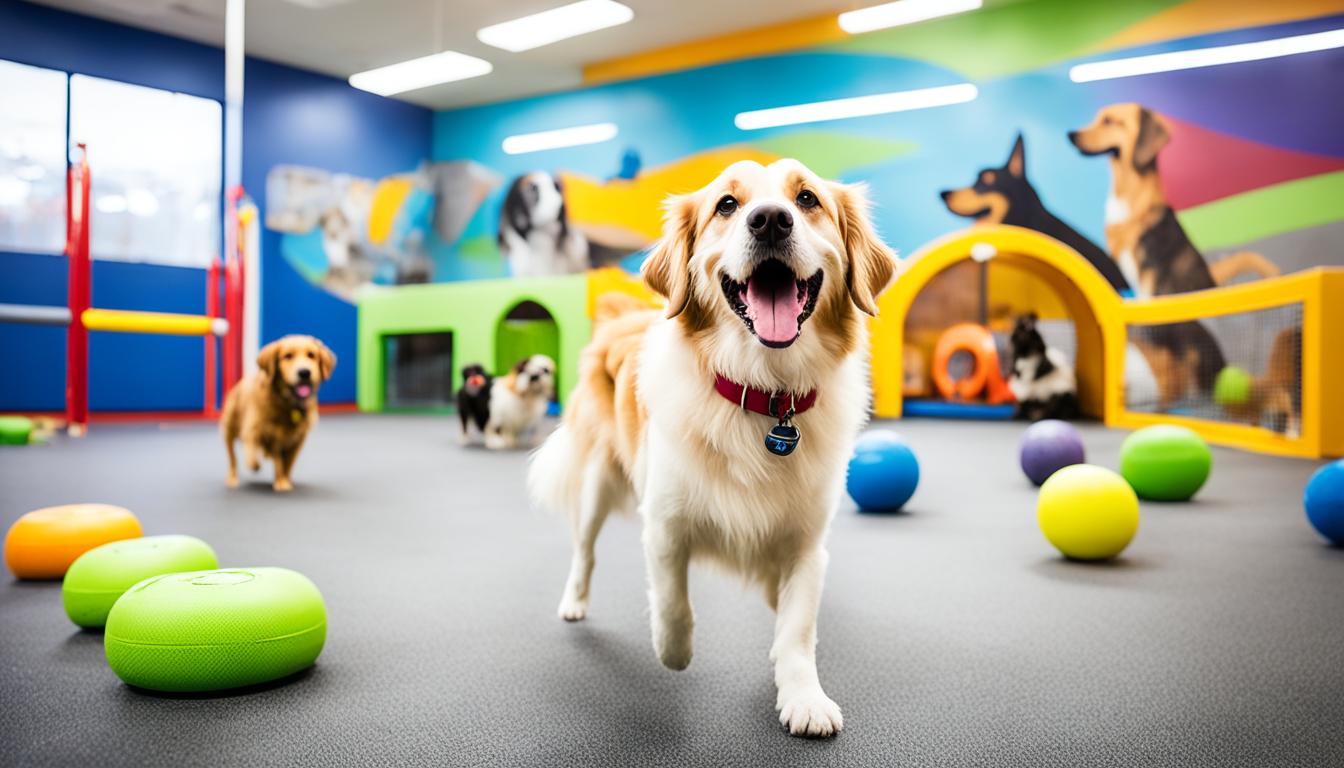
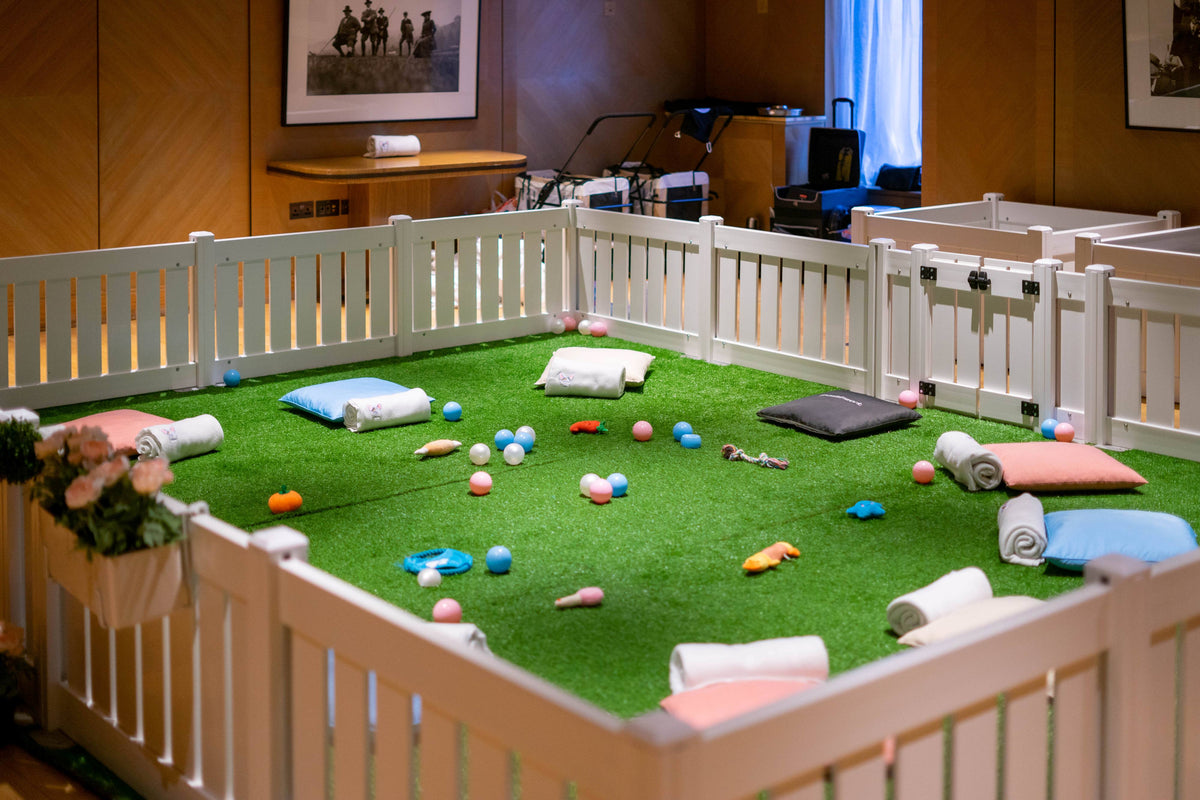
Canine daytime boarding services within the region provide supervised group environments, structured rest periods, and indoor-outdoor play facilities designed to keep animals active while guardians are occupied. Unlike overnight boarding kennels, day facilities focus primarily on daytime socialization, interactive engagement, and cognitive stimulation. Professional establishments in the canton typically operate under strict Swiss animal welfare laws, which mandate specific spatial allowances, resting enclosures, and staff-to-dog ratios. Understanding these structural frameworks helps guardians assess whether a facility meets high standards of animal husbandry and safety. Explore more in our Pets collection.
Behavioral and Social Impacts of Structured Group Environments
Participating in structured group socialization can influence a canine’s behavioral development, stress resilience, and communication skills with conspecifics—other members of the same species. Well-managed group settings allow dogs to practice appropriate body language, conflict resolution, and self-regulation under the watchful eye of trained supervisors. Conversely, poorly managed environments can overwhelm sensitive personalities, leading to heightened stress, reactivity, or fear-based behaviors. Guardians must monitor their animals closely for signs of fatigue, overstimulation, or changes in disposition following group sessions.
Properly managed social environments promote healthy canine communication, whereas chronic overcrowding can elevate baseline stress hormones. — American Veterinary Medical Association
Selecting and Vetting Quality Facilities in the Region
Choosing a reputable daytime facility involves thorough research, facility tours, and careful observation of staff-to-dog interactions and hygiene standards. A trustworthy establishment will always require an initial behavioral assessment, proof of up-to-date vaccinations, and verification of parasite prevention protocols before admitting any new participant. Facility evaluation should also include checking the cleanliness of sleeping quarters, the security of outdoor fencing, and the availability of quiet zones where overstimulated dogs can decompress away from group activity.
Best Practices and Common Pitfalls in Daytime Boarding
Transitioning a dog into a new group setting requires patience, gradual introductions, and careful monitoring of physical endurance. A frequent mistake is assuming every dog naturally enjoys group play; some animals prefer solitary human interaction over chaotic pack dynamics. Guardians should watch for subtle signs of canine stress, such as excessive panting, yawning, lip-licking, or stiffness, which indicate that a break or a change in routine is necessary. Maintaining open communication with facility staff ensures that any behavioral shifts or health concerns are addressed promptly.
Gradual acclimation periods significantly reduce initial cortisol spikes in dogs entering unfamiliar group boarding facilities. — Journal of Veterinary Behavior
Pet Care & Wellness Overview Table
| Life Stage | Daily Activity Level | Key Nutrition / Care Focus |
|---|---|---|
| Puppy / Kitten | High (frequent short bursts) | High-protein growth diet & early socialization |
| Adult Companion | Moderate (30–60 mins daily) | Balanced maintenance nutrition & dental hygiene |
| Senior Pets | Low to Gentle (mindful walks) | Joint support (Glucosamine) & routine vet checks |
Images References





Tailoring Group Settings to Breed, Age, and Temperament
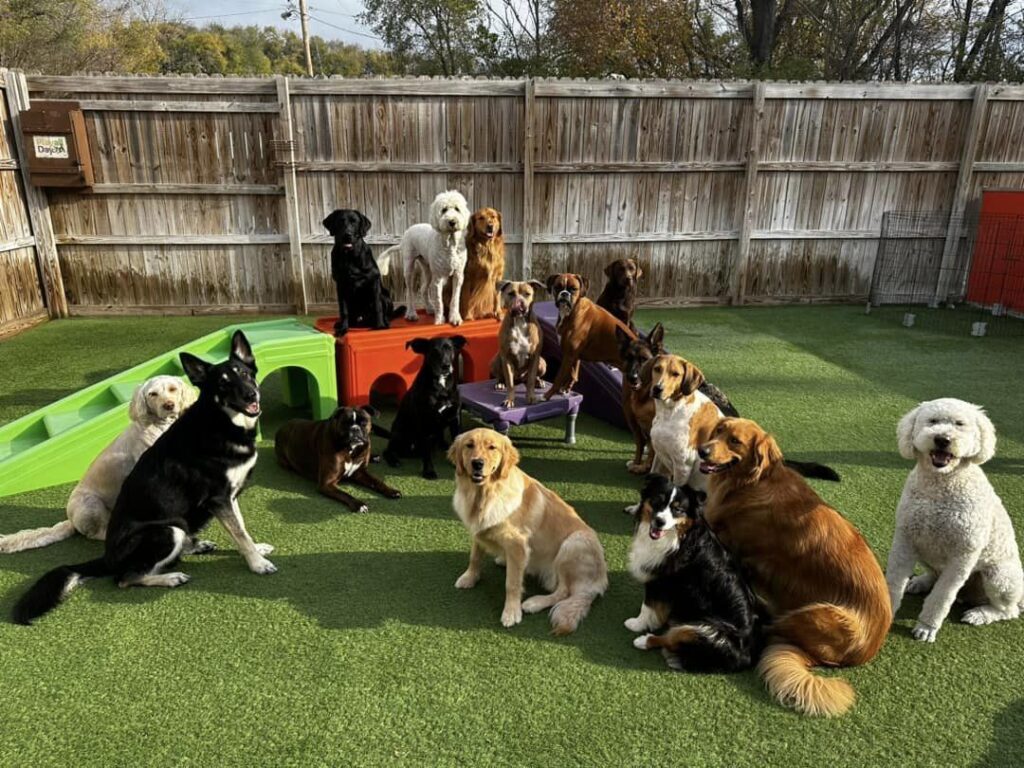
Individual characteristics such as age, physical size, breed predisposition, and innate temperament dictate how a dog experiences daytime care. High-energy working breeds might thrive in active group play, while senior dogs or brachycephalic breeds—animals with shortened facial structures—frequently require lower-intensity environments with temperature control and frequent rest breaks. Professional facilities typically separate participants by size and energy level to prevent accidental injuries and ensure that play styles remain compatible across the group.
When to Consult a Veterinary Professional or Behavioral Specialist
Professional guidance becomes necessary whenever a dog exhibits persistent anxiety, sudden behavioral changes, or stress-related reactivity associated with group boarding. Guardians should consult a veterinarian if physical exhaustion, unexplained injuries, or chronic digestive upset occur following day care attendance. For persistent fear, panic, or defensive aggression, partnering with a certified professional who utilizes humane, science-based methods is essential for protecting the animal’s emotional well-being and identifying underlying triggers.
Exploring Comprehensive Canine Resources
Ensuring a balanced, healthy lifestyle for a companion animal extends far beyond daily supervision and requires ongoing education in Dog Behavior and wellness. Guardians are encouraged to explore additional insights on Dog Health and positive reinforcement methodologies to support their pet’s overall quality of life. Visit PetsAnimalsWorld.com for more expert guidance on modern pet ownership, training principles, and animal care standards.