

According to the American Veterinary Medical Association, behavioral issues represent a primary reason for relinquishment among domestic dogs, with inter-dog aggression frequently tracing back to innate reproductive competition. When canine companions begin clashing over a female in heat, households experience sudden and terrifying tension. Understanding the root causes of this friction remains vital for maintaining household harmony and physical safety. Years of behavioral casework reveal that these altercations are rarely about simple dominance; instead, they represent deeply hardwired survival mechanisms activated by hormonal cues. Recognizing the triggers before a physical altercation breaks out protects both the animals and the humans in the environment.
💡 Pet Care Key Takeaways:
- Core Focus: Practical health, nutrition, and wellness guidelines for Dogs Fighting Over Breeding Females.
- Target Scope: Pet owners, animal caregivers, and veterinary support staff.
- Best Recommendation: Maintain consistent daily routines and consult an accredited veterinarian before introducing major diet or medical changes.
Conspecific competition over females is an instinctual drive known as intrasexual aggression
Intrasexual aggression describes conflict that occurs between members of the same sex, typically males competing for access to a receptive female. When a female enters estrus—the physiological period of heat when she is fertile and receptive to mating—she emits potent chemical signals called pheromones. These olfactory cues trigger an intense biological imperative in intact males residing in or near the vicinity. Rather than a conscious choice to start trouble, male dogs experience a massive surge of testosterone and cortisol that narrows their focus entirely toward reproductive success. This primal drive bypasses normal social rules, turning once-friendly kennel mates into fierce rivals determined to eliminate competition. For more related activities, check out our Dog Unpredictable Behavior.
Intense reproductive conflict carries severe physical risks and psychological trauma for multi-dog households
Severe physical injuries, deep puncture wounds, and long-term psychological stress are the direct consequences of untreated breeding conflict. During a high-intensity fight, adrenaline masks pain, causing dogs to inflict significant damage upon one another before handlers can intervene safely. Veterinary clinics frequently treat torn ears, lacerated throats, and fractured limbs resulting from these sudden outbursts. Beyond physical trauma, the chronic stress of living with a rival damages the emotional well-being of all pets involved, often resulting in redirected aggression toward other household animals or even human family members. The home environment transforms from a sanctuary into a volatile zone of constant vigilance.
Inter-dog aggression within a shared household often escalates rapidly during estrus cycles, requiring immediate spatial separation to prevent severe bite wounds and trauma — American Society for the Prevention of Cruelty to Animals
Effective management requires strict physical separation and professional behavioral intervention
Strict physical management, including absolute separation behind solid barriers and crate rotation, is the mandatory first step in stopping reproductive conflicts. Relying on verbal corrections or punishment only increases anxiety and can worsen the underlying tension, validating the need for modern, humane management strategies. Certified professional trainers recommend implementing absolute management protocols where competing males never occupy the same space without a secure physical barrier. Spaying the female or neutering the males can significantly reduce hormone-driven rivalry over time, though long-standing habits may still require structured behavior modification plans designed by qualified experts.
Avoiding common mistakes ensures the safety of all household pets during tense reproductive cycles
Punishing dogs after a fight occurs is a critical mistake that amplifies fear and triggers future redirected aggression. Handlers often make the error of attempting to physically pull fighting dogs apart with bare hands, which frequently results in severe redirection bites to human fingers and arms. Instead, utilizing a sturdy break stick or deploying a loud auditory interruption helps disengage the animals safely without putting human skin in harm’s way. Furthermore, leaving high-value items, food, or toys in common areas while tension runs high will only compound the existing friction and invite additional skirmishes.
Punishment-based training methods applied to resource-guarding or hormonally driven aggression frequently exacerbate fear and heighten the frequency of violent household altercations — American Kennel Club
Pet Care & Wellness Overview Table
| Life Stage | Daily Activity Level | Key Nutrition / Care Focus |
|---|---|---|
| Puppy / Kitten | High (frequent short bursts) | High-protein growth diet & early socialization |
| Adult Companion | Moderate (30–60 mins daily) | Balanced maintenance nutrition & dental hygiene |
| Senior Pets | Low to Gentle (mindful walks) | Joint support (Glucosamine) & routine vet checks |
Images References

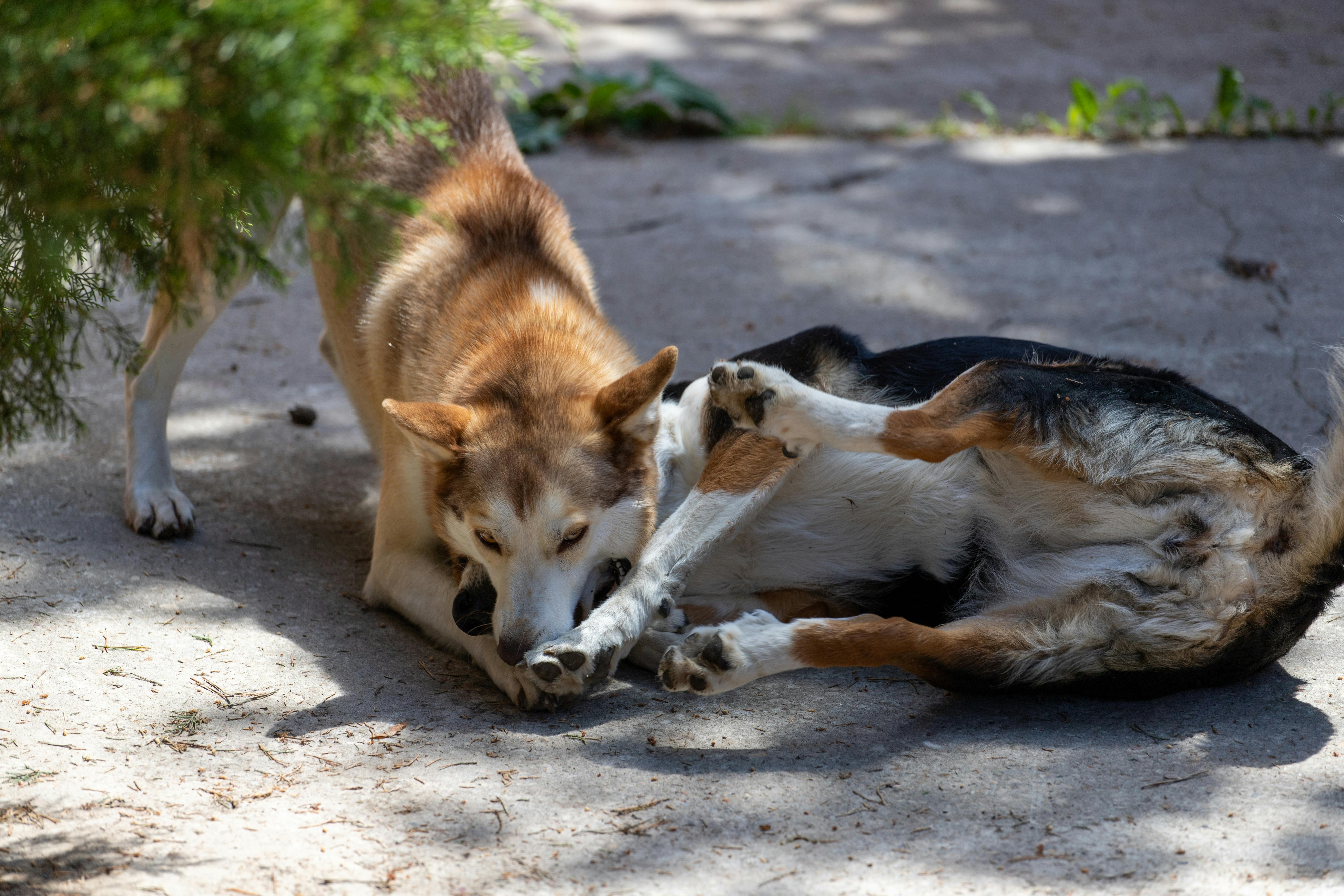




Breed genetics, age, and individual temperament heavily influence the intensity of reproductive rivalries
Certain guardian breeds and high-drive working lineages display a much lower tolerance for male rivals when a receptive female is present. Age also plays a role, as young adult males reaching social maturity between one and three years of age often challenge older established dogs for status within the pack hierarchy. A dog’s baseline temperament—whether easygoing or reactive—determines how quickly minor tension escalates into a full-scale battle. Responsible pet owners must account for these biological predispositions when housing intact animals under the same roof, tailoring their management strategies to match the specific behavioral profile of each dog.
Consulting a qualified veterinary behaviorist is essential when managing severe canine aggression
Professional veterinary behavioral consultation becomes necessary when management protocols fail to curb escalating violence between household dogs. A certified veterinary behaviorist possesses advanced medical and psychological training to evaluate whether underlying pain, neurological factors, or severe anxiety contribute to the aggressive displays. Medication may be prescribed alongside a systematic desensitization plan to lower baseline arousal levels and create a safer living environment. Attempting to navigate severe intrasexual aggression without expert medical guidance places everyone at risk of serious injury.
Protecting your household requires ongoing education and proactive management strategies
Maintaining peace among canine companions demands vigilance, preparation, and a deep understanding of natural animal instincts. By prioritizing safety through environmental management and seeking timely guidance, owners can successfully navigate challenging hormonal phases. Explore further insights on Dog Behavior, understand specific traits via Dog Breeds, and discover daily wellness strategies in Dog Care. Visit PetsAnimalsWorld.com for comprehensive resources dedicated to keeping every pet safe and thriving.




