
Introduction
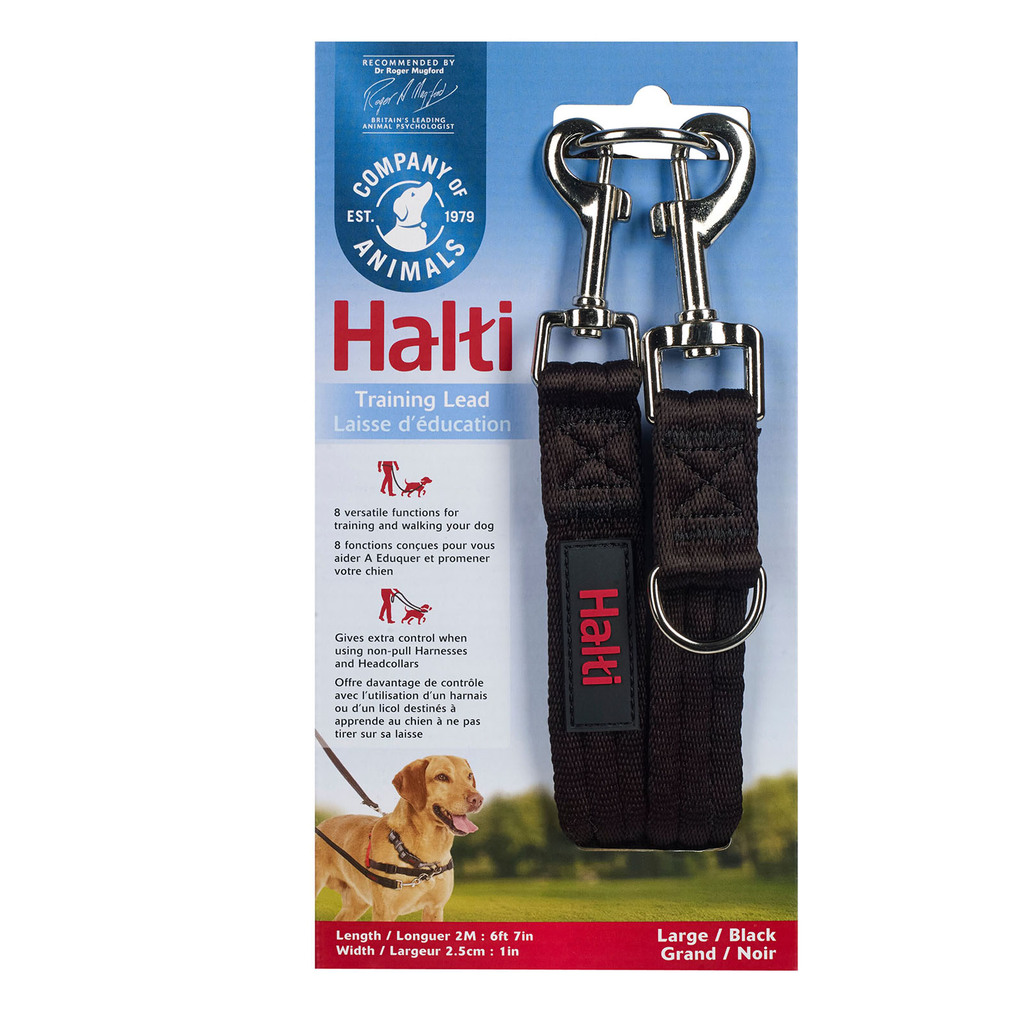
The challenge of a dog pulling on a leash is a common frustration for many pet owners, often turning enjoyable walks into a strenuous tug-of-war. Understanding effective tools and techniques for leash training is crucial for fostering a harmonious relationship between dogs and their human companions. One such tool that has gained widespread recognition for its efficacy in controlling pulling behavior is the Halti leash. This innovative piece of equipment, often referred to as a Halti headcollar, offers a gentle yet powerful way to guide a dog, promoting better manners on walks. By understanding how the Halti leash functions and how it can be properly implemented into training routines, dog owners can significantly improve their dogs behavior, enhance safety during outings, and ultimately improve the overall quality of life for both the dog and its handler.
💡 Pet Care Key Takeaways:
- Core Focus: Practical health, nutrition, and wellness guidelines for Halti Leash.
- Target Scope: Pet owners, animal caregivers, and veterinary support staff.
- Best Recommendation: Maintain consistent daily routines and consult an accredited veterinarian before introducing major diet or medical changes.
Common Causes and Key Factors
Dogs often pull on a leash due to a combination of natural instincts and a lack of proper training. Many dogs possess an innate desire to explore their surroundings, driven by compelling scents or visual stimuli, leading them to surge forward. Excitement, a desire to reach a particular object or another dog, or even anxiety can also contribute to pulling behavior. When a dog pulls against a traditional collar, the pressure often falls on the sensitive trachea, which can be uncomfortable or even harmful, and reinforces the pulling action by creating a counter-force. For more related activities, check out our How Much Do Animal Behaviorists Cost.
The Halti leash addresses these issues by working on different anatomical points. It is a type of head collar that fits around a dogs muzzle and the back of its head. The design allows the handler to gently steer the dogs head, and where the head goes, the body naturally follows. This mechanism offers a distinct advantage over traditional collars or harnesses, which often allow a dog to use its entire body weight for leverage. By applying pressure to the muzzle area, the Halti leash redirects the dogs attention and physical momentum away from pulling, making it much harder for the dog to drag its handler forward. Key factors contributing to its effectiveness include the dog’s natural instinct to turn away from pressure on the nose and the gentle control it provides over the dogs direction.
Signs and Symptoms to Observe
Identifying behaviors that indicate a dog could benefit from the use of a Halti leash is important for determining its suitability. The most prominent sign is consistent and forceful pulling on a traditional leash, which can lead to the dog choking or gagging, or the handler losing balance. Dogs that lunge at other dogs, people, or objects during walks, often due to excitement, fear, or reactivity, also represent candidates for a Halti leash.
Furthermore, observing a dog that exhibits excessive sniffing and an inability to focus on its handler, particularly in stimulating environments, suggests a need for better control and communication during walks. The intensity of these behaviors can vary based on the dog’s age, breed, and the environment. Stronger, more energetic breeds or those with a high prey drive might display more pronounced pulling or lunging. Puppies can also benefit from early introduction to a Halti leash to prevent pulling habits from forming, while older dogs with established pulling behaviors often show significant improvement with its proper use.
Practical Solutions and Management Strategies
Implementing the Halti leash requires a structured approach to ensure both effectiveness and a positive experience for the dog. First, proper fitting is paramount; the Halti leash should fit snugly but comfortably around the muzzle and behind the ears, allowing the dog to pant, eat treats, and drink water without restriction. An ill-fitting Halti leash can cause discomfort or be less effective.
Introduction should always be positive and gradual. Many dogs may initially resist the sensation of something on their muzzle. This can be mitigated by associating the Halti leash with positive reinforcement, such as high-value treats or praise, during short wear periods at home. Gradual acclimatization helps build acceptance. During walks, the Halti leash facilitates gentle guidance. When the dog starts to pull, a slight, gentle pressure on the leash to turn the dog’s head to the side helps interrupt the pulling action and redirect its attention. The moment slack returns to the leash, the pressure should be released and the dog rewarded with praise or a treat.
Consistency is key. Regular, short training sessions, combined with positive reinforcement for walking on a loose leash, reinforce desired behavior. Over time, as the dog learns to walk without pulling, some handlers may choose to transition to a traditional collar or harness, though many find the continued use of the Halti leash beneficial for maintaining good manners, especially in high-distraction environments.
When Professional Help May Be Needed
While the Halti leash is an incredibly effective tool for managing pulling and improving leash manners, certain situations warrant the intervention of a professional. If a dog exhibits extreme resistance to wearing the Halti leash, despite gradual, positive introductions, or if fitting remains a persistent challenge, guidance from a certified professional dog trainer can be invaluable. Trainers can offer tailored advice on desensitization techniques and proper fitting to ensure the dogs comfort and acceptance.
Furthermore, if pulling behavior is accompanied by severe leash reactivity, aggression towards other dogs or people, or deeply ingrained behavioral issues that do not improve with consistent Halti leash training, consulting a veterinary behaviorist or a highly experienced professional dog trainer is recommended. These experts can assess underlying causes, such as anxiety or fear, and develop a comprehensive behavior modification plan that may integrate the Halti leash alongside other training protocols and, in some cases, veterinary support. Their expertise ensures a holistic approach to addressing complex behavioral challenges, promoting a safer and happier life for the dog.
Conclusion
The Halti leash stands as a valuable and humane tool in the pursuit of polite leash walking. By offering a gentle method of control that redirects a dog’s head and body, it effectively addresses common pulling behaviors, enhancing the safety and enjoyment of walks for both dogs and their handlers. Understanding its proper fitting, positive introduction, and consistent use as part of a comprehensive training regimen is essential. This commitment to informed care not only alleviates frustration but also strengthens the bond between dogs and their human families, promoting a lifetime of pleasant and controlled outings. Awareness, consistent application, and a willingness to seek professional guidance when necessary are the cornerstones of responsible dog ownership, ensuring every dog can enjoy a well-behaved and fulfilling life on or off the leash.
Pet Care & Wellness Overview Table
| Life Stage | Daily Activity Level | Key Nutrition / Care Focus |
|---|---|---|
| Puppy / Kitten | High (frequent short bursts) | High-protein growth diet & early socialization |
| Adult Companion | Moderate (30–60 mins daily) | Balanced maintenance nutrition & dental hygiene |
| Senior Pets | Low to Gentle (mindful walks) | Joint support (Glucosamine) & routine vet checks |
Images References


For more expert pet care tips and advice, check out our dedicated Dog Training guides to keep your companions healthy and happy.




