

Introduction
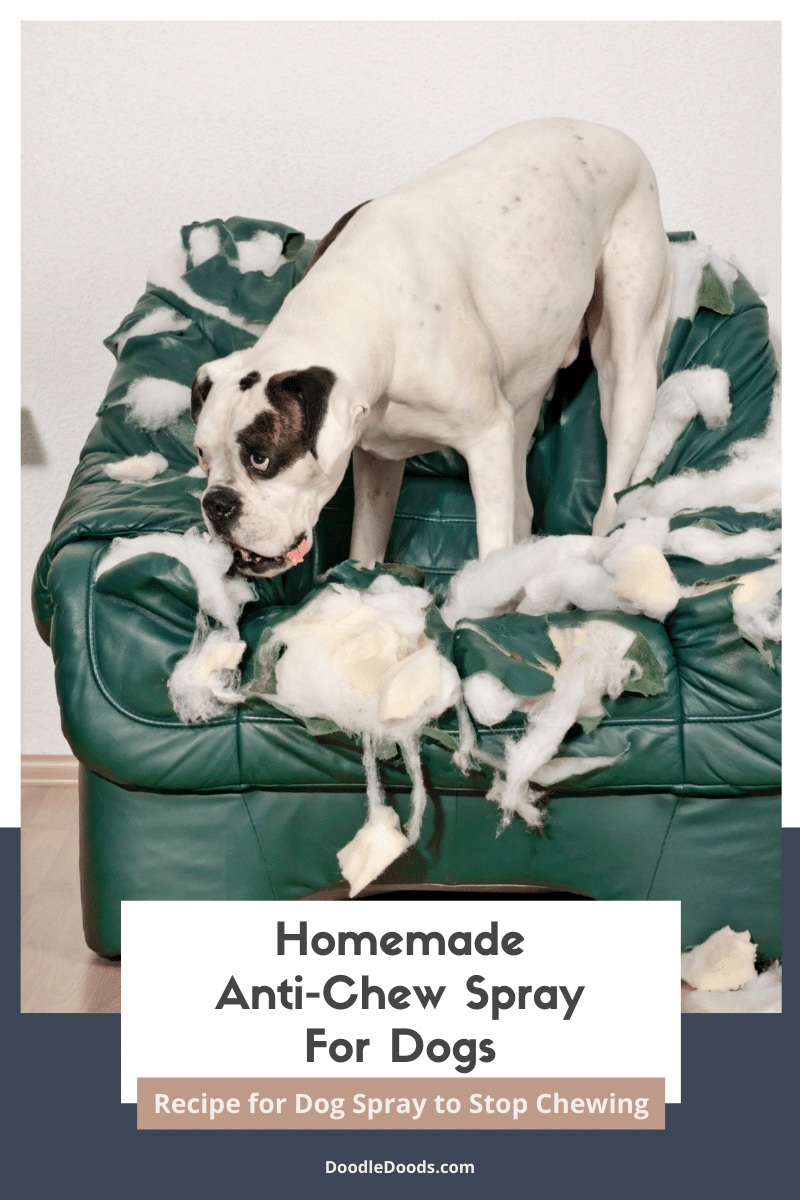
Destructive chewing is a common and often frustrating behavior exhibited by dogs of all ages and breeds. While a natural canine instinct, especially for puppies exploring their world or adult dogs seeking comfort, excessive or inappropriate chewing can lead to damaged household items, potential ingestion of harmful objects, and significant stress for pet owners. The quest for effective, safe, and accessible solutions frequently leads many to consider a “homemade spray to stop dogs from chewing.” Understanding the principles behind such deterrents, their appropriate application, and the underlying reasons for chewing is paramount. This knowledge not only protects personal property but also contributes significantly to a dogs well-being by addressing behavioral needs and fostering a harmonious living environment.
💡 Pet Care Key Takeaways:
- Core Focus: Practical health, nutrition, and wellness guidelines for Homemade Spray To Stop Dogs From Chewing.
- Target Scope: Pet owners, animal caregivers, and veterinary support staff.
- Best Recommendation: Maintain consistent daily routines and consult an accredited veterinarian before introducing major diet or medical changes.
Common Causes and Key Factors
Canine chewing behaviors stem from a variety of instinctual, developmental, and environmental factors. For puppies, teething is a primary cause, as the discomfort of erupting teeth prompts a strong desire to mouth and chew on objects to alleviate soreness. As dogs mature, chewing often persists as a natural way to explore their surroundings, maintain dental hygiene, and manage stress or boredom. For more related activities, check out our Dog Unpredictable Behavior.
Boredom and insufficient mental stimulation represent significant contributors to destructive chewing. Dogs left alone for extended periods without adequate enrichment may resort to chewing as an outlet for pent-up energy and a way to entertain themselves. Similarly, anxiety, particularly separation anxiety, can manifest as destructive chewing, where the dog attempts to cope with stress or distress in the absence of its guardian. Attention-seeking is another factor; some dogs learn that chewing inappropriate items elicits a reaction from their owners, reinforcing the undesirable behavior. Nutritional deficiencies or gastrointestinal discomfort are less common but possible underlying factors that might lead to unusual chewing patterns, such as pica (ingestion of non-food items).
Signs and Symptoms to Observe
Recognizing the signs of problematic chewing involves observing both the dog’s behavior and the condition of its environment. The most obvious indicator is damage to household items, such as furniture legs, shoes, carpets, walls, or electrical cords. The type of damage can sometimes offer clues; extensive shredding might suggest boredom or anxiety, while focused gnawing on hard surfaces could indicate teething discomfort or a need for dental stimulation.
Beyond property destruction, observation of the dog’s behavior surrounding chewing is crucial. Excessive drooling, pawing at the mouth, or whining while chewing can signal discomfort, possibly from teething or a dental issue. Persistent chewing on one particular item, an inability to be redirected from a forbidden object, or an increase in chewing during times of stress (e.g., when left alone) are all significant behavioral signs. Chew intensity and preference for certain textures may vary by age and breed, with some breeds naturally having stronger chewing drives. Monitoring for any ingestion of chewed materials, which could lead to digestive problems, is also a critical part of observation.
Practical Solutions and Management Strategies
Managing and redirecting destructive chewing requires a multi-faceted approach, often integrating training, environmental enrichment, and appropriate deterrents. Providing an abundance of appropriate chew toys is fundamental. These should vary in texture, durability, and type (e.g., rubber, nylon, puzzle feeders) to keep the dog engaged. Rotating toys regularly can maintain novelty and interest.
Consistent training and supervision are equally important. Dogs should be taught what is acceptable to chew through positive reinforcement. When a dog attempts to chew an inappropriate item, redirection to an approved chew toy, followed by praise, reinforces desirable behavior. Environmental management involves “dog-proofing” the home by removing or making inaccessible tempting items such as shoes, remote controls, or electrical cords. Crate training can also be an invaluable tool for safely confining a dog when direct supervision is not possible.
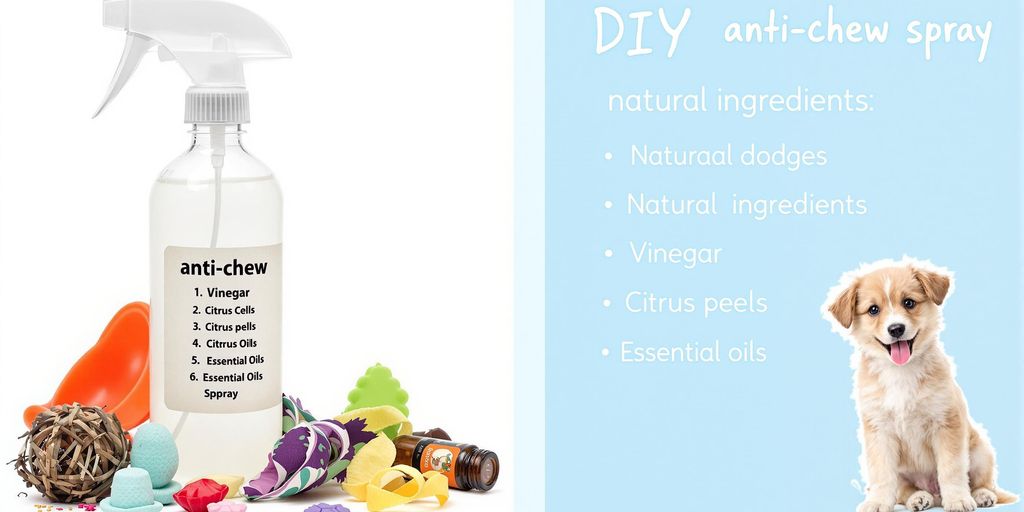
When other methods require additional support, a homemade spray to stop dogs from chewing can serve as a deterrent. Common ingredients for such sprays include diluted apple cider vinegar, lemon juice, or a solution of bitter apple (available commercially or often mimicked with specific food items). A spray can be created by mixing equal parts white vinegar and water, or by steeping lemon peels in water. Some dog owners find success with a very dilute cayenne pepper solution, though caution is advised to prevent eye or respiratory irritation. Before widespread application, a small, inconspicuous area of the item should be tested to ensure no staining or damage occurs. The chosen solution is then lightly misted onto forbidden items. The unpleasant taste acts as a deterrent, making the object less appealing for chewing. It is vital to remember that these sprays are a tool for deterrence, not a substitute for addressing underlying behavioral causes like boredom or anxiety.
When Professional Help May Be Needed
While many cases of destructive chewing can be successfully managed with consistent training, environmental adjustments, and homemade deterrents, there are situations where professional intervention becomes necessary. If destructive chewing persists despite dedicated efforts, or if the behavior is accompanied by other signs of distress such as excessive panting, pacing, vocalization, or house-soiling when alone, it may indicate underlying anxiety or a behavioral disorder.
Veterinary consultation is advisable to rule out any medical conditions, such as dental pain, gastrointestinal issues, or nutritional deficiencies, that could be contributing to the chewing. Should a medical cause be excluded, a certified professional dog trainer or a veterinary behaviorist can provide tailored strategies. These experts can assess the specific triggers for the chewing, help implement advanced behavior modification techniques, and recommend appropriate enrichment plans or, in some cases, medication to manage severe anxiety.
Conclusion
Managing destructive chewing in dogs is a journey that involves understanding canine instincts, diligent observation, and consistent application of appropriate strategies. A homemade spray to stop dogs from chewing can be a valuable tool within a broader management plan, offering a safe and effective deterrent for specific items. However, its efficacy is maximized when combined with adequate exercise, mental stimulation, positive reinforcement training, and the provision of suitable chew toys. By addressing the root causes of chewing behavior and consistently reinforcing desirable alternatives, dog owners can foster a more harmonious home environment and ensure the well-being and safety of their beloved canine companions. Awareness, patience, and a proactive approach are key to successfully navigating this common behavioral challenge.
Pet Care & Wellness Overview Table
| Life Stage | Daily Activity Level | Key Nutrition / Care Focus |
|---|---|---|
| Puppy / Kitten | High (frequent short bursts) | High-protein growth diet & early socialization |
| Adult Companion | Moderate (30–60 mins daily) | Balanced maintenance nutrition & dental hygiene |
| Senior Pets | Low to Gentle (mindful walks) | Joint support (Glucosamine) & routine vet checks |
Images References



For more expert pet care tips and advice, check out our dedicated Dog Behavior guides to keep your companions healthy and happy.




