

Introduction
The period when a 12-week-old puppy keeps biting is a very common developmental stage that many dog owners encounter. At this age, puppies are actively exploring their world, learning boundaries, and undergoing significant physical changes, all of which contribute to their propensity for using their mouths. Understanding why a 12-week-old puppy consistently exhibits this behavior is paramount for fostering appropriate conduct and ensuring a harmonious household. Addressing this early on can significantly improve a dogs future behavior, prevent potential issues as they mature, and enhance the overall quality of life for both the puppy and its human companions. This foundational knowledge empowers dog owners to guide their young canines effectively, turning what can be a frustrating phase into a valuable learning opportunity.
💡 Pet Care Key Takeaways:
- Core Focus: Practical health, nutrition, and wellness guidelines for My 12 Week Old Puppy Keeps Biting.
- Target Scope: Pet owners, animal caregivers, and veterinary support staff.
- Best Recommendation: Maintain consistent daily routines and consult an accredited veterinarian before introducing major diet or medical changes.
Common Causes and Key Factors
Several interconnected factors contribute to why a 12-week-old puppy keeps biting. One primary reason is teething; puppies experience discomfort as their baby teeth are replaced by adult teeth, typically starting around three to four months of age. Biting and chewing provide relief for their sore gums. For more related activities, check out our How Do You Correct A Dog’S Behavior.
Another significant cause is exploration. Puppies learn about their environment through their mouths, using them much like human infants use their hands. This tactile investigation is a natural part of their cognitive development.
Play behavior also frequently involves biting. In litter play, puppies learn bite inhibition from their siblings and mother. When separated from their litter, they often transfer this play style to human hands, clothing, and ankles. This is how they naturally interact and solicit engagement.
Furthermore, attention-seeking can drive biting behavior. If a puppy learns that nipping or mouthing results in a reaction from a human, even a negative one, it can reinforce the behavior as a way to gain attention.
Lastly, a lack of early training in bite inhibition plays a role. Without consistent guidance on appropriate pressure and what is acceptable to bite, a puppy may not understand boundaries.
Signs and Symptoms to Observe
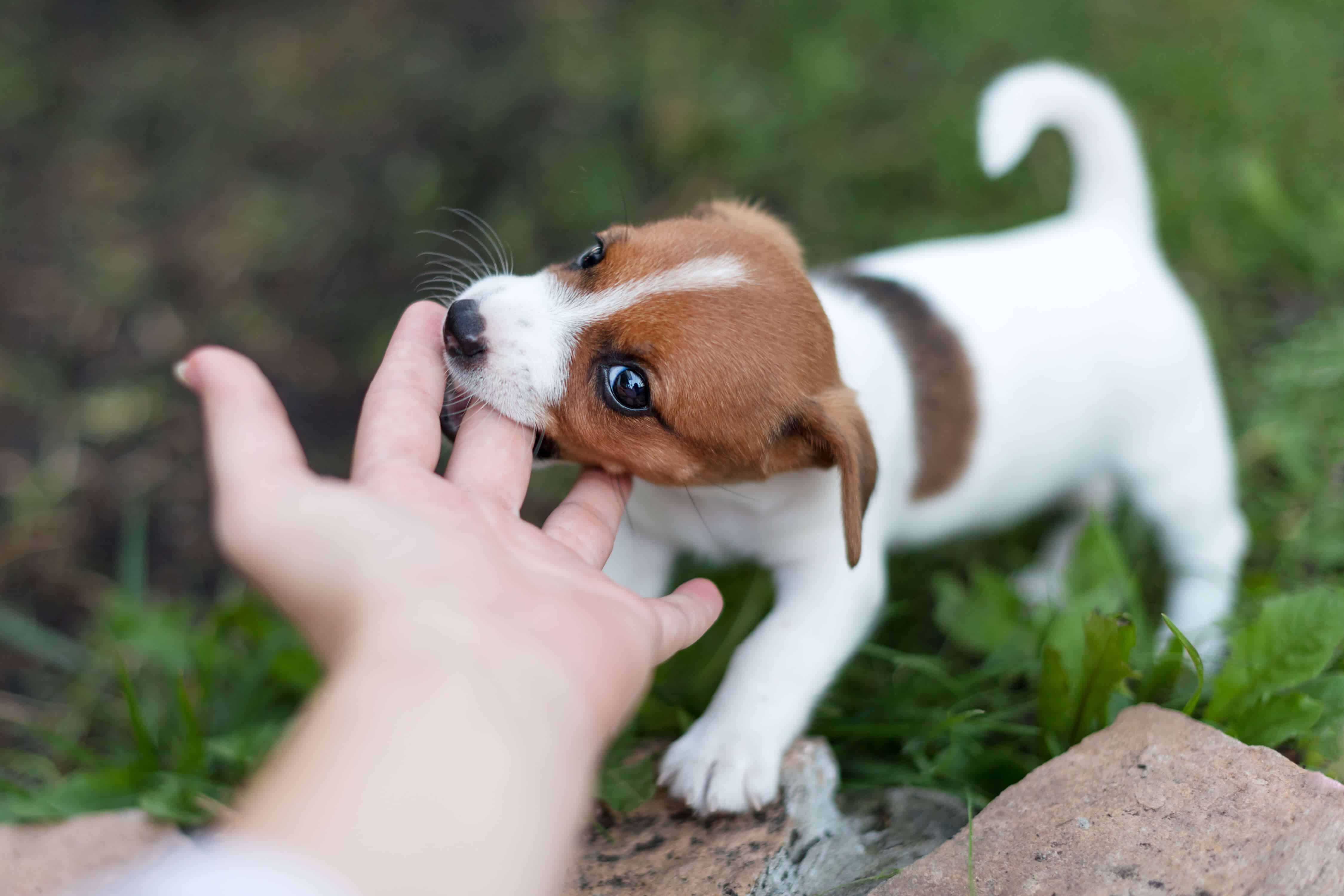
When a 12-week-old puppy keeps biting, observable signs typically involve frequent mouthing of hands, fingers, and ankles during interaction. This can escalate to nipping at clothing or even playfully latching onto sleeves and pant legs.
The intensity of the bites can vary. Initially, these might be soft exploratory nibbles, but they can become firmer if not properly managed. During play sessions, the puppy may become overstimulated, leading to more insistent biting that may draw a yelp or a sharp withdrawal from a human.
It is common for this behavior to increase during specific times, such as when the puppy is overtired, overexcited, or seeking attention. Certain breeds, particularly those bred for herding or retrieving, may display a higher propensity for mouthing and nipping due to their inherent instincts, which should be considered when observing these actions.
Practical Solutions and Management Strategies
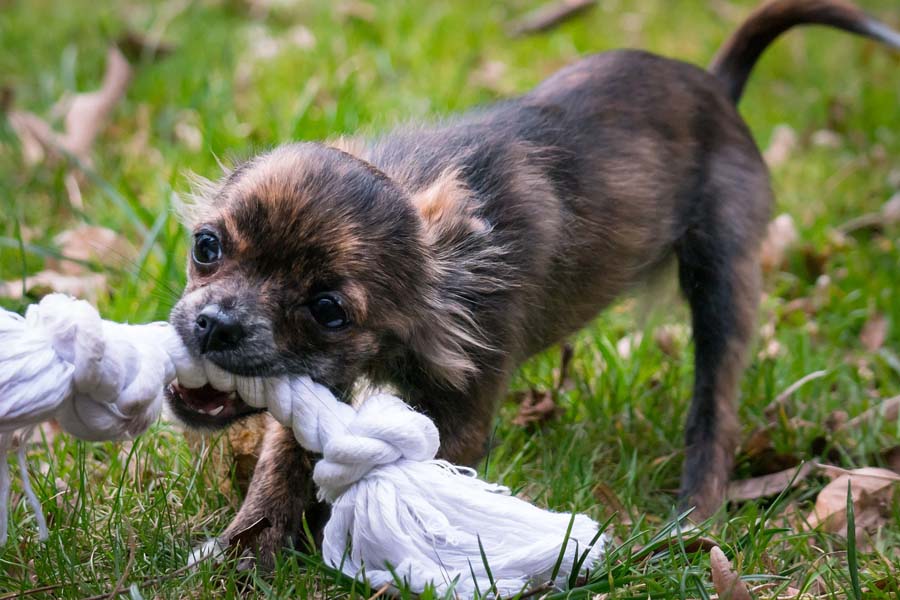
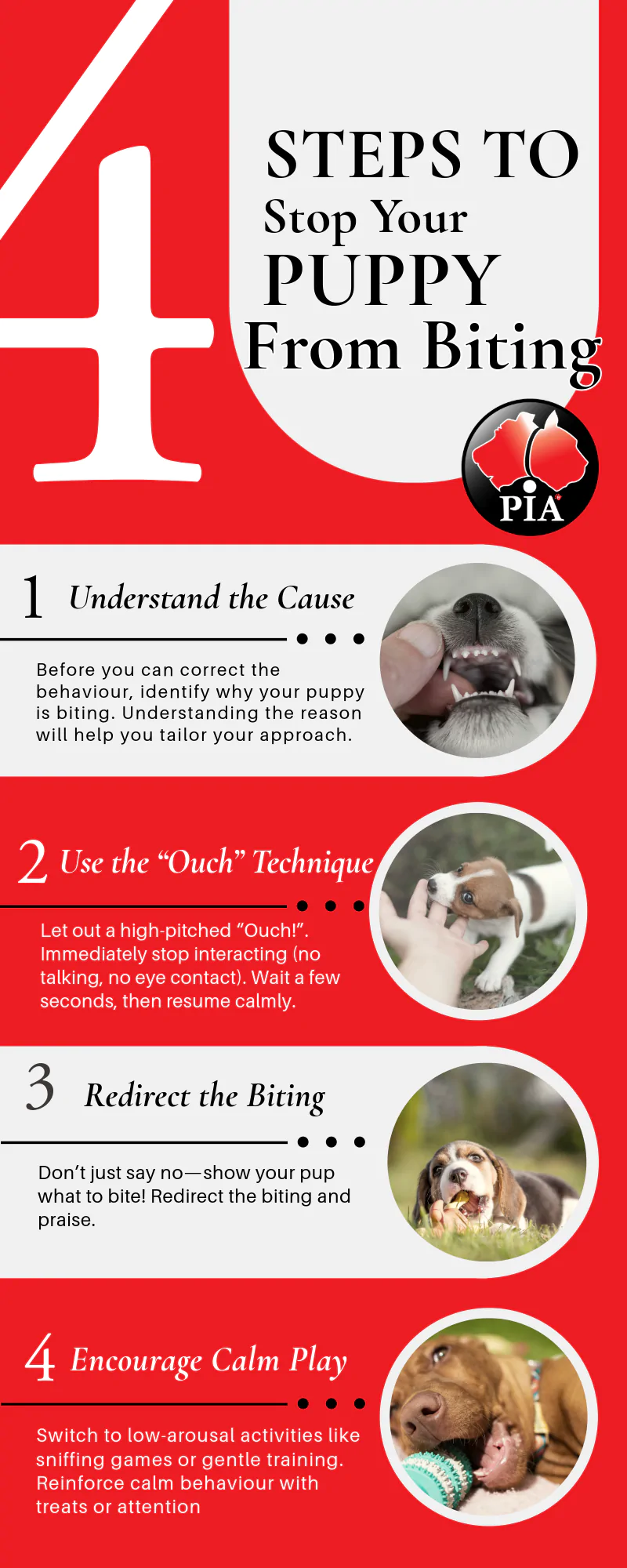
Managing a 12-week-old puppy that keeps biting requires consistency, patience, and clear communication. One effective strategy is redirection. When a puppy attempts to bite hands or clothing, a suitable chew toy should immediately be offered as an alternative. This teaches the puppy what is acceptable to bite.
Implementing the “yelp and withdraw” technique can also be beneficial. When a puppy bites too hard, a sharp, high-pitched “ouch” or “yelp” can mimic the sound a littermate would make. This should be followed by immediately withdrawing attention, even briefly leaving the room for a few seconds. This teaches the puppy that hard bites end playtime.
Ensuring the puppy has a variety of appropriate chew toys, including those that can be frozen to soothe teething gums, is crucial. Regular exercise and mental stimulation can help deplete excess energy that might otherwise be channeled into unwanted biting.
Positive reinforcement is key. When the puppy chooses to chew on an appropriate toy or demonstrates soft mouthing, praise and treats should be offered. This rewards desired behavior and reinforces good choices. Puppy classes provide an excellent environment for structured socialization and professional guidance on bite inhibition and other foundational behaviors.
Managing overstimulation by recognizing signs of fatigue or excessive excitement can also prevent biting incidents. Providing a quiet space for rest and ending play before a puppy becomes too unruly can be highly effective.
When Professional Help May Be Needed
While biting is a normal part of puppy development, there are instances where professional intervention may be warranted. If a 12-week-old puppy keeps biting with an intensity that causes frequent skin punctures or serious injury, despite consistent application of the aforementioned strategies, professional guidance becomes necessary.
Situations where the biting appears to be driven by fear or genuine aggression, rather than play or exploration, should also prompt a consultation with an expert. Signs of aggression might include growling, snarling, or a rigid body posture accompanying the biting.
Additionally, if the biting behavior is unmanageable or if owners feel overwhelmed and unable to make progress, seeking help from a certified professional dog trainer or a veterinary behaviorist is advisable. These specialists can assess the individual puppy’s behavior, identify underlying causes, and develop a tailored training plan to address the specific challenges being faced. Early professional intervention can prevent the escalation of problem behaviors into adulthood.
Conclusion
Dealing with a 12-week-old puppy that keeps biting is a common challenge that many dog owners navigate. This behavior is often rooted in natural developmental stages such as teething, exploration, and learning bite inhibition through play. By understanding these underlying causes, dog owners can implement effective, consistent strategies. Redirecting to appropriate chew toys, utilizing the “yelp and withdraw” method, providing ample mental and physical stimulation, and employing positive reinforcement are all vital components of successful management. Remaining observant for signs of escalating intensity or aggression and knowing when to consult a professional trainer or veterinary behaviorist ensures that this developmental phase is handled responsibly. Through patience, consistent training, and proactive management, dog owners can guide their puppies toward becoming well-behaved and cherished companions.
Pet Care & Wellness Overview Table
| Life Stage | Daily Activity Level | Key Nutrition / Care Focus |
|---|---|---|
| Puppy / Kitten | High (frequent short bursts) | High-protein growth diet & early socialization |
| Adult Companion | Moderate (30–60 mins daily) | Balanced maintenance nutrition & dental hygiene |
| Senior Pets | Low to Gentle (mindful walks) | Joint support (Glucosamine) & routine vet checks |
Images References



For more expert pet care tips and advice, check out our dedicated Dog Behavior guides to keep your companions healthy and happy.




