
Introduction
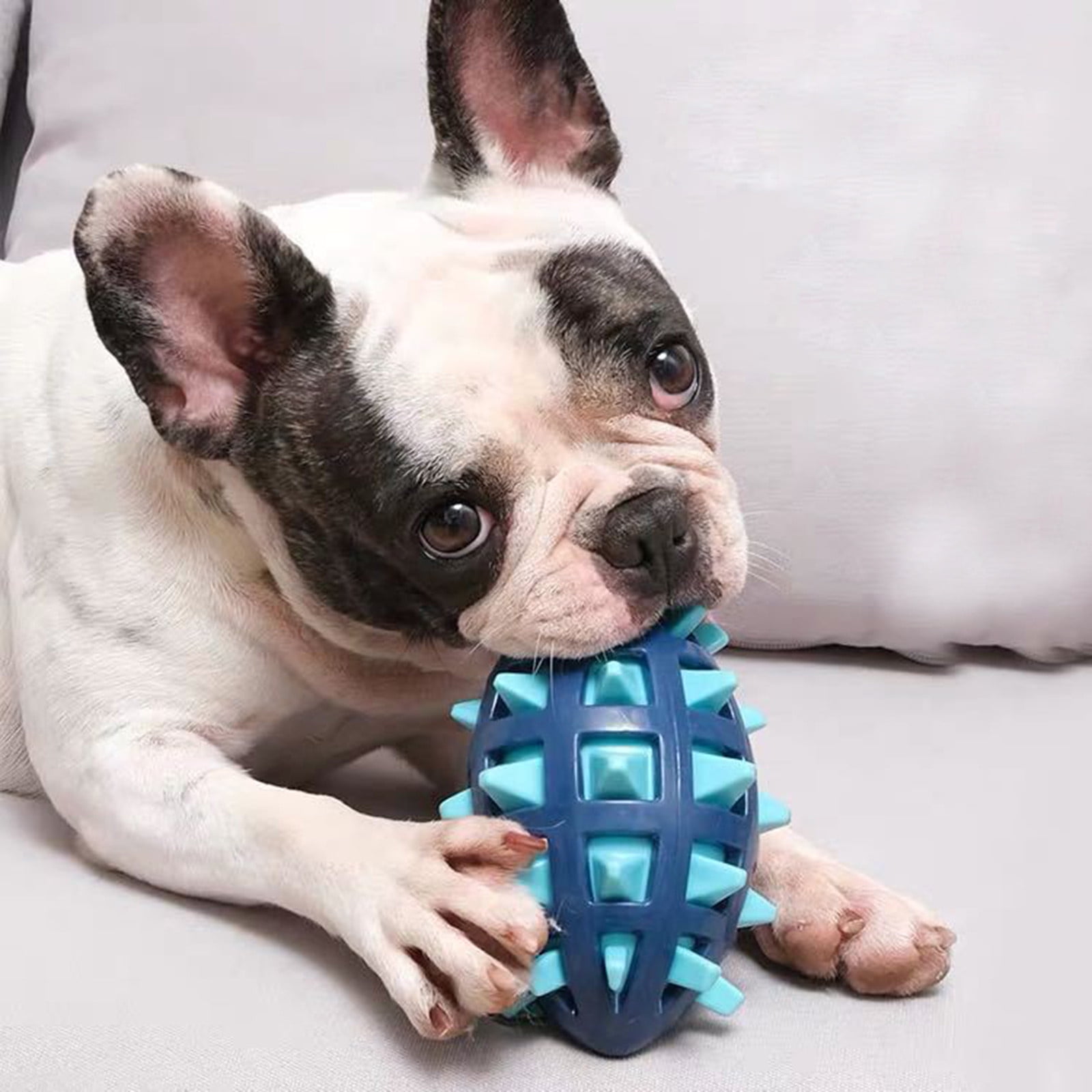
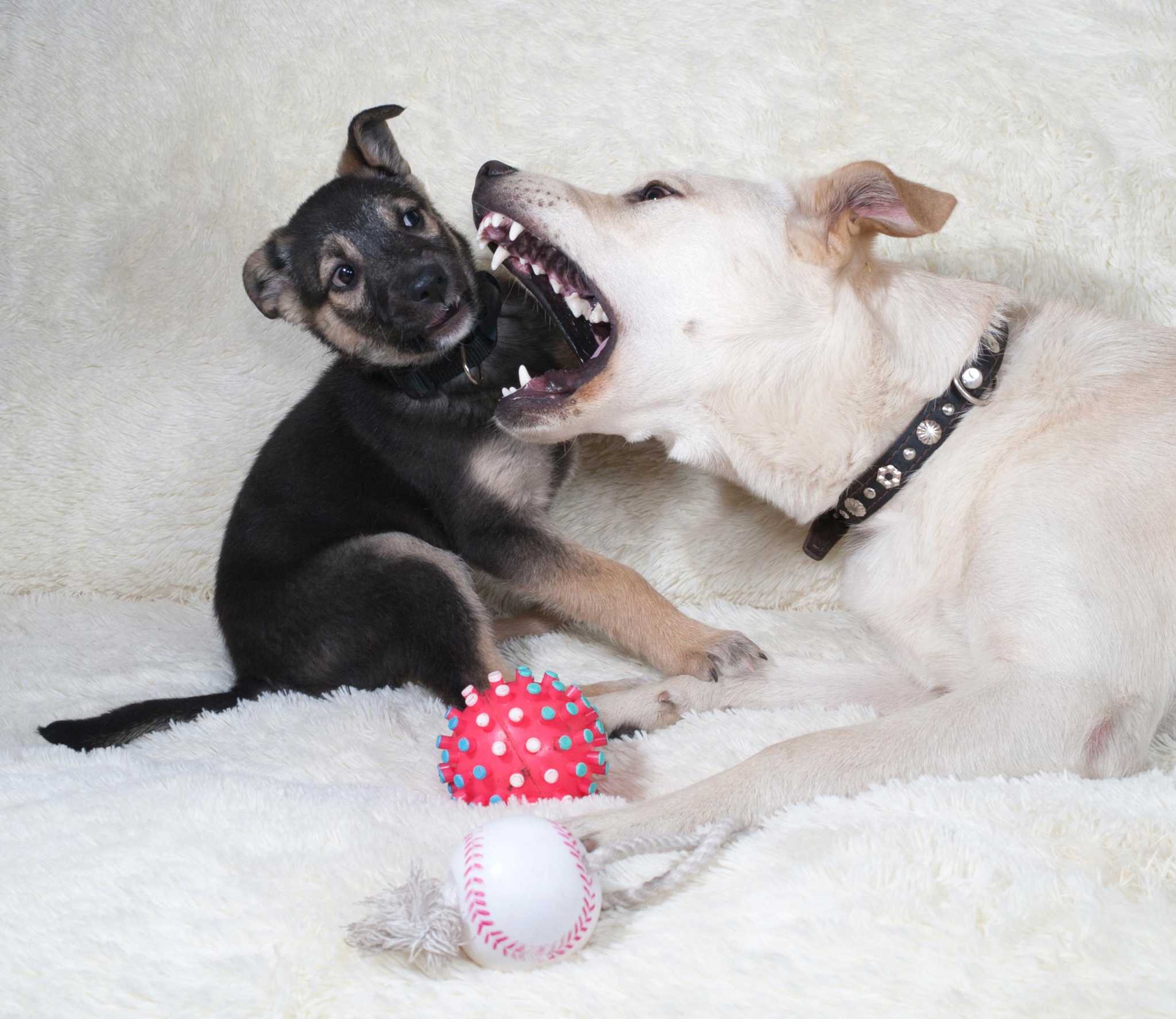
Puppy toy aggression refers to a specific behavioral pattern where a young dog exhibits defensive or threatening behaviors when in possession of a toy or other high-value item. This can manifest as growling, snapping, or lunging when another individual or animal approaches their cherished possession. Understanding this behavior is crucial for dog owners, as it represents an early form of resource guarding that, if left unaddressed, can escalate into more serious aggressive tendencies in adulthood. This issue commonly occurs during a puppy’s developmental stages, as they learn about their environment, social boundaries, and the value of resources. Addressing puppy toy aggression early on through appropriate strategies can significantly improve a dog’s overall well-being, foster a calmer temperament, and ensure safer interactions within the household, ultimately enhancing their quality of life.
💡 Pet Care Key Takeaways:
- Core Focus: Practical health, nutrition, and wellness guidelines for Puppy Toy Aggression.
- Target Scope: Pet owners, animal caregivers, and veterinary support staff.
- Best Recommendation: Maintain consistent daily routines and consult an accredited veterinarian before introducing major diet or medical changes.
Common Causes and Key Factors
The emergence of puppy toy aggression can be attributed to a combination of instinctual drives, environmental influences, and developmental stages. A primary factor is resource guarding, an innate canine behavior stemming from their wild ancestors’ need to protect valuable resources like food, mates, and safe spaces. Toys, for a puppy, can be perceived as highly valuable resources. For more related activities, check out our Dog Care Electric Collar.
Fear and insecurity can also contribute significantly. A puppy that feels threatened or uncertain about its environment or the intentions of an approaching individual might resort to aggressive displays to deter perceived threats to its possessions. Lack of early socialization can exacerbate this, as puppies not exposed to a variety of people, animals, and situations during critical development periods may become overly possessive or fearful.
Furthermore, prior negative experiences can play a role. If a puppy has had toys taken away forcibly, or if it has had to compete for resources, it may learn that aggression is an effective way to protect its belongings. Genetic predispositions can also influence a puppy’s temperament, with some breeds or individual puppies having a natural inclination towards more possessive behaviors. Inconsistent training or a lack of clear boundaries regarding resource ownership can inadvertently reinforce these aggressive tendencies, making it crucial for owners to understand the root causes to implement effective interventions.
Signs and Symptoms to Observe
Recognizing the early signs of puppy toy aggression is vital for timely intervention. The observable behaviors can range from subtle signals to more overt displays. One common indicator is a stiffening of the body when an individual or another pet approaches the puppy’s toy. The puppy might lower its head over the toy, attempting to shield it from view or access.
Growling is another clear sign, often starting as a low rumble and escalating if the perceived threat continues to approach. Snapping, a quick, warning bite that does not typically break the skin, can occur if the growling is ignored. In more intense situations, the puppy might lunge or bark aggressively while maintaining possession of the toy. These behaviors may be accompanied by narrowed eyes, flattened ears, or a tense facial expression.
These signs can vary based on the puppy’s age, breed, and the perceived value of the toy. Younger puppies might exhibit more subtle guarding, while older, more confident puppies could be more vocal or assertive. Observing these behaviors consistently, particularly during playtime or when a puppy is engaged with a specific item, provides valuable insight into the severity and frequency of the aggressive displays.
Practical Solutions and Management Strategies
Addressing puppy toy aggression requires a consistent, positive, and structured approach focused on management and training. One foundational strategy involves teaching the “drop it” command using positive reinforcement. This involves offering a higher-value treat or another exciting toy in exchange for the guarded item, immediately praising the puppy when it voluntarily releases the original toy. This teaches the puppy that giving up a toy results in something even better, fostering a positive association with relinquishing possessions.
Structured play sessions are also beneficial. During these times, puppies can be taught that humans control the flow of resources. This can include initiating and ending play, and occasionally putting toys away for short periods. This helps establish leadership and prevents the puppy from viewing all toys as perpetually theirs to defend.
Environmental management plays a crucial role. High-value toys or items that trigger aggressive responses can be put away when unsupervised interactions are possible or when guests are present. Providing multiple toys can also reduce the perceived need to guard a single item. Gradually, a puppy can learn that there are always plenty of resources available, reducing the drive to guard aggressively.
Desensitization and counter-conditioning techniques involve gradually exposing the puppy to the presence of others while it has its toys, pairing these interactions with positive experiences such as treats or praise. This helps change the puppy’s emotional response from fear or possessiveness to a more relaxed acceptance. Consistency in these practices builds trust and reinforces desired behaviors, laying the groundwork for a well-adjusted companion.
When Professional Help May Be Needed
While many cases of puppy toy aggression can be managed with consistent at-home training and positive reinforcement, there are specific situations where professional intervention becomes highly advisable. If the aggressive displays escalate in intensity or frequency despite diligent implementation of management strategies, professional guidance is crucial. This includes instances where a puppy’s growling turns into snapping that makes contact, or if the aggression is directed consistently towards people, especially children, or other household pets.
A certified professional dog trainer or a veterinary behaviorist possesses the expertise to accurately assess the underlying causes of the aggression, which may extend beyond simple resource guarding to include anxiety, pain, or more complex behavioral disorders. These professionals can design a tailored behavior modification plan, offering specialized techniques and guidance that might not be readily apparent to the average owner. They can also help identify any potential medical issues contributing to the behavior, emphasizing the importance of a holistic approach to a puppy’s well-being. Seeking professional help early can prevent the escalation of aggressive behaviors, ensuring the safety and harmony of the household.
Conclusion
Puppy toy aggression, while a natural instinct in some young dogs, is a behavior that requires diligent attention and consistent management. Understanding its root causes, recognizing the subtle and overt signs, and implementing positive, structured solutions are all essential steps for responsible dog ownership. The journey involves teaching puppies that sharing and relinquishing possessions can be positive experiences, fostering trust and security rather than fear or possessiveness. By reinforcing desired behaviors and creating a predictable, safe environment, owners can guide their puppies toward becoming well-adjusted companions. Proactive awareness, keen observation, and unwavering commitment to training are paramount, ensuring that early aggressive tendencies are effectively redirected, paving the way for a harmonious and joyful life together.
Pet Care & Wellness Overview Table
| Life Stage | Daily Activity Level | Key Nutrition / Care Focus |
|---|---|---|
| Puppy / Kitten | High (frequent short bursts) | High-protein growth diet & early socialization |
| Adult Companion | Moderate (30–60 mins daily) | Balanced maintenance nutrition & dental hygiene |
| Senior Pets | Low to Gentle (mindful walks) | Joint support (Glucosamine) & routine vet checks |
Images References




For more expert pet care tips and advice, check out our dedicated Dog Behavior guides to keep your companions healthy and happy.




