Introduction
Understanding and addressing canine anxiety and stress are paramount for fostering a harmonious environment and ensuring a dog’s overall well-being. For many dog owners, finding effective ways to support their companion through challenging situations is a continuous endeavor. One such avenue gaining attention is nutritional support, with products like Purina Calming Care emerging as a potential aid. Purina Calming Care is a veterinary-exclusive probiotic supplement formulated to help dogs maintain calm behavior. This innovative approach to managing canine stress provides a non-pharmaceutical option that focuses on the gut-brain axis, an increasingly recognized connection influencing mood and behavior. Recognizing when a dog experiences stress and understanding the role a product like Purina Calming Care can play can significantly enhance a dogs comfort, behavior, and overall quality of life.
💡 Pet Care Key Takeaways:
- Core Focus: Practical health, nutrition, and wellness guidelines for Purina Calming Care.
- Target Scope: Pet owners, animal caregivers, and veterinary support staff.
- Best Recommendation: Maintain consistent daily routines and consult an accredited veterinarian before introducing major diet or medical changes.
Common Causes and Key Factors
Dogs can experience stress and anxiety for a variety of reasons, manifesting in diverse behaviors that prompt owners to seek solutions. Environmental factors frequently contribute to canine unease; loud noises such as thunderstorms, fireworks, or even construction work can trigger fear responses. Changes in routine or environment, like moving to a new home, the arrival of a new pet or family member, or even temporary boarding, often lead to feelings of insecurity. For more related activities, check out our Dog Care List.
Situational factors, such as separation from familiar companions, can result in separation anxiety, characterized by distress when left alone. Visits to the veterinary clinic, grooming appointments, or travel in vehicles are also common stressors for many dogs. Furthermore, certain dogs may possess inherent predispositions to anxiety, influenced by genetics, early life experiences, or a lack of proper socialization during critical developmental periods. Identifying these underlying causes is crucial for developing a comprehensive strategy to support a dog’s emotional health.
Signs and Symptoms to Observe
Recognizing the signs of stress or anxiety in dogs is the first step toward providing appropriate support. Observable behavioral indicators often signal a dog’s discomfort. These may include excessive barking or whining, destructive chewing, pacing, trembling, or hiding. Some dogs may exhibit house soiling, even if previously house-trained, or develop compulsive behaviors like excessive licking.
Physiological signs can also manifest, such as increased panting, drooling, restlessness, or a decreased appetite. Changes in body posture, such as a tucked tail, flattened ears, or a hunched back, communicate distress. The manifestation of these signs can vary significantly depending on a dogs individual personality, breed, age, and the specific stressor. For instance, a young dog might exhibit fear through avoidance, while an older dog might show subtle signs of cognitive dysfunction-related anxiety, such as increased nighttime vocalization or disorientation. Consistent observation of these indicators helps owners understand their dogs emotional state.
Practical Solutions and Management Strategies
Addressing canine stress typically requires a multi-faceted approach. Implementing environmental management strategies involves creating a predictable and safe space for a dog, minimizing exposure to known stressors, and establishing a consistent daily routine. This can include providing a quiet den, using calming pheromone diffusers, or employing white noise machines during noisy events.
Behavioral training techniques, such as positive reinforcement, desensitization, and counter-conditioning, are invaluable tools. Desensitization gradually exposes a dog to a stressor at a low intensity, while counter-conditioning teaches a dog to associate a positive experience with a previously feared stimulus. Obedience training also builds confidence and strengthens the bond between a dog and its owner.
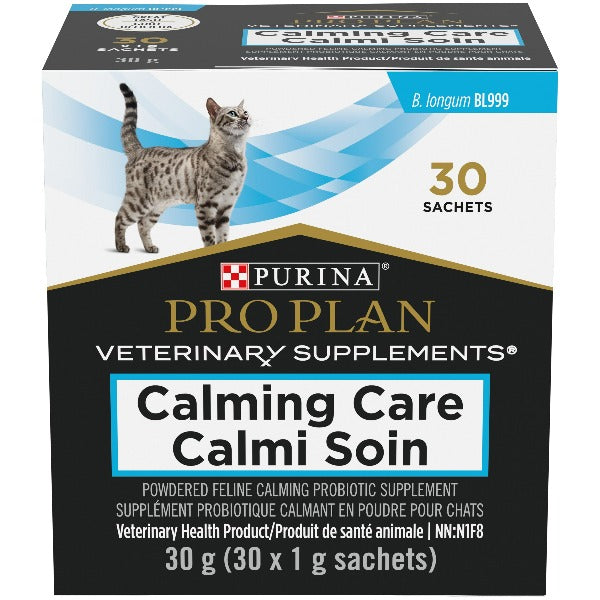
Nutritional support, such as the use of Purina Calming Care, represents a modern management strategy. This supplement contains a specific strain of probiotic, Bifidobacterium longum BL999, which has been studied for its potential to help dogs maintain calm behavior. The mechanism involves the gut-brain axis, where beneficial bacteria in the gut can influence brain function and emotional responses. Integrating Purina Calming Care into a dogs daily diet, often administered as a palatable powder mixed with food, can contribute to a calmer demeanor over time. This approach complements other management techniques by supporting a dog’s physiological ability to cope with stress. Regular exercise and engaging mental stimulation, through puzzle toys or training games, further contribute to a dog’s overall well-being, helping to channel energy and reduce anxiety.
When Professional Help May Be Needed
While various at-home strategies and nutritional supplements like Purina Calming Care can be highly beneficial, there are instances where professional intervention becomes necessary. If a dog’s anxiety is severe, persistent, or escalates to include aggression, self-harm, or extreme phobias that significantly impact its quality of life, a professional consultation is warranted. Sudden, unexplained changes in a dog’s behavior or personality also necessitate expert evaluation.
A veterinarian should be the first point of contact. A thorough veterinary examination can rule out any underlying medical conditions that might be contributing to behavioral changes or exacerbating anxiety. Veterinarians can also provide guidance on the appropriate use of supplements, discuss prescription medications if deemed necessary, and offer referrals to specialized professionals. For complex or deeply ingrained behavioral issues, consulting with a certified applied animal behaviorist or a professional dog trainer specializing in fear and anxiety can provide targeted, advanced behavioral modification plans. These experts possess the knowledge and experience to diagnose specific behavioral conditions and implement structured, effective training protocols.
Conclusion
Understanding and effectively managing canine stress and anxiety are integral components of responsible pet ownership. Recognizing the varied causes and subtle signs of distress allows owners to proactively support their companions. Strategies ranging from environmental adjustments and positive reinforcement training to targeted nutritional support, such as Purina Calming Care, offer diverse avenues for intervention. Purina Calming Care, with its focus on the gut-brain connection, provides a unique and valuable tool for fostering a calmer disposition in dogs. However, it is essential to remember that supplements are often most effective when part of a holistic management plan. Consistent observation, patient care, and a willingness to seek professional guidance when needed, collectively empower owners to ensure their dog enjoys a happy, healthy, and stress-reduced life.
Pet Care & Wellness Overview Table
| Life Stage | Daily Activity Level | Key Nutrition / Care Focus |
|---|---|---|
| Puppy / Kitten | High (frequent short bursts) | High-protein growth diet & early socialization |
| Adult Companion | Moderate (30–60 mins daily) | Balanced maintenance nutrition & dental hygiene |
| Senior Pets | Low to Gentle (mindful walks) | Joint support (Glucosamine) & routine vet checks |
Images References






For more expert pet care tips and advice, check out our dedicated Dog Care guides to keep your companions healthy and happy.