
Understanding Rottweiler Femur Ball Removal and Canine Joint Health
According to the American Veterinary Medical Association, canine orthopedic conditions require careful clinical evaluation to ensure long-term mobility and comfort. Navigating major veterinary procedures for large, powerful working dogs can feel overwhelming for any dedicated owner. Witnessing a beloved companion struggle with hind-end stiffness or sudden lameness demands immediate attention and professional guidance. Deep in the examination room, practitioners frequently discuss surgical options for severe hip joint deterioration. Among these interventions, femoral head ostectomy stands out as a reliable method to alleviate chronic pain. Grasping the fundamentals of this procedure helps caregivers make informed decisions alongside their veterinary team. Proper preparation ultimately paves the way for a smoother surgical journey and a successful recovery at home.
💡 Pet Care Key Takeaways:
- Core Focus: Practical health, nutrition, and wellness guidelines for Rottweiler Femur Ball Removal.
- Target Scope: Pet owners, animal caregivers, and veterinary support staff.
- Best Recommendation: Maintain consistent daily routines and consult an accredited veterinarian before introducing major diet or medical changes.
Rottweiler femur ball removal is a surgical procedure known as a femoral head ostectomy that eliminates painful bone-on-bone friction in the hip joint.
During this operation, the surgeon removes the rounded top portion of the thigh bone, medically termed the femoral head. Consequently, the constant grinding caused by conditions like severe hip dysplasia—a genetic malformation of the hip socket—is permanently resolved. Over time, the body creates a fibrous scar tissue joint, often called a false joint, which cushions the area and restores functional movement. In clinical practice, large-breed dogs demonstrate remarkable resilience when adapting to this anatomical change. While the limb may lose a fraction of its original reach, the complete elimination of arthritic grinding transforms daily comfort. Veterinary surgeons recommend this intervention when medication and conservative management no longer provide adequate relief for structural damage. For more related activities, check out our Deaf Dog With Agressive Behavior.
The physiological impact of this orthopedic intervention requires a structured rehabilitation plan to rebuild supporting muscle mass.
Without diligent physical therapy, a large and muscular canine patient risks severe muscle atrophy in the affected hind leg. Walking routines must be carefully calibrated to encourage proper weight-bearing without overstressing the healing tissue. Clinical observations indicate that dogs introduced to controlled underwater treadmill sessions regain their gait significantly faster than those limited to leash walks alone. Furthermore, managing body weight is paramount to reduce gravitational strain on the developing false joint. Proper nutrition rich in targeted joint supplements supports overall tissue repair throughout the recovery timeline. Establishing these healthy habits early prevents compensatory strain on the forelimbs and the opposite hind leg.
Canine orthopedic procedures like femoral head ostectomy have high success rates in relieving chronic hip pain when paired with structured rehabilitation. — American Veterinary Medical Association
Postoperative management for rottweiler femur ball removal centers on strict activity restriction and targeted physical rehabilitation.
Strict crate confinement or restriction to a small, carpeted room prevents the animal from jumping, running, or twisting during the initial healing phase. Controlled leash walks for elimination purposes represent the primary form of activity during the first few weeks following surgery. As the surgical site heals, passive range-of-motion exercises help prevent joint stiffness and stimulate healthy tissue remodeling. Transitioning back to normal routines must happen gradually, guided by explicit recheck examinations with the primary care veterinarian or a certified veterinary rehabilitation practitioner. Patience during this confined recovery period directly correlates with long-term functional success.
Avoiding common rehabilitation mistakes ensures a safer and more complete healing process.
Rushing the rehabilitation schedule remains one of the most frequent pitfalls observed during the canine recovery phase. Owners often interpret a sudden burst of energy as a sign of total healing, prematurely granting freedom too soon. Allowing a large working dog to bound across slippery hardwood floors can disrupt the delicate formation of the fibrous false joint. Additionally, neglecting prescribed pain management protocols compromises the animal’s willingness to use the limb correctly. Always consult a veterinarian regarding exact medication adjustments rather than altering schedules independently. Maintaining clear communication with the clinical team protects the animal from accidental setbacks.
Proper weight management following joint surgery dramatically decreases long-term joint stress and enhances overall mobility outcomes in large dog breeds. — American Animal Hospital Association
Pet Care & Wellness Overview Table
| Life Stage | Daily Activity Level | Key Nutrition / Care Focus |
|---|---|---|
| Puppy / Kitten | High (frequent short bursts) | High-protein growth diet & early socialization |
| Adult Companion | Moderate (30–60 mins daily) | Balanced maintenance nutrition & dental hygiene |
| Senior Pets | Low to Gentle (mindful walks) | Joint support (Glucosamine) & routine vet checks |
Images References
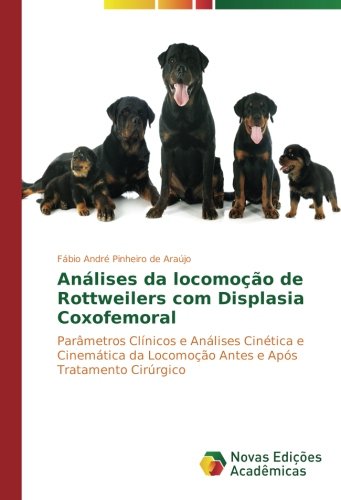


Breed-specific considerations for robust guardian dogs demand specialized handling during every stage of recovery.
Rottweilers possess dense muscle mass and substantial body weight, which places unique physical demands on healing orthopedic structures. Because these intelligent guardians are stoic by nature, they often mask signs of discomfort until pain levels become severe. Recognizing subtle behavioral cues, such as reluctance to rise or subtle weight shifting, allows caregivers to address issues proactively. Furthermore, providing supportive, non-slip flooring throughout the living space prevents accidental slips during the post-surgical phase. Tailoring the home environment to suit a large, heavy breed ensures physical safety and emotional security while mobility remains temporarily compromised.
Veterinary consultation is essential whenever persistent hind-end lameness, stiffness, or signs of chronic joint pain appear.
Professional diagnostics, including specialized radiographs, are necessary to evaluate the precise structural integrity of the canine hip joint. Self-diagnosing mobility issues or administering human medications can result in severe toxicity and irreversible organ damage. Expert practitioners utilize comprehensive physical exams to determine whether surgical intervention or alternative therapies best suit the individual patient. When navigating complex health concerns, partnering with qualified medical professionals ensures the highest standard of care. This collaborative approach safeguards the well-being of the animal through every chapter of life.
Supporting canine mobility requires reliable guidance and continuous dedication from committed owners.
Ensuring optimal wellness for a beloved animal involves staying informed about advanced medical procedures and daily preventative care strategies. Exploring specialized resources on PetsAnimalsWorld.com helps deepen your understanding of proper Dog Health and effective Dog Care. Additionally, understanding breed traits through Dog Breeds insights prepares owners for specific physical requirements. By combining professional veterinary expertise with compassionate everyday attention, caregivers can grant their companions a joyful, active, and pain-free life.


