

Introduction
The nutritional needs of a dog are as unique as its paw print, varying significantly based on factors such as age, activity level, and, critically, breed size. For smaller canine companions, understanding the nuances of small breed dog food is not merely a preference but a fundamental aspect of promoting health and longevity. This specialized category of nutrition is formulated to address the distinct physiological demands of miniature and toy breeds, which differ considerably from their larger counterparts. Recognizing these specific dietary requirements and selecting appropriate food can dramatically enhance a dogs well-being, support optimal energy levels, and contribute to a vibrant, healthy life.
💡 Pet Care Key Takeaways:
- Core Focus: Practical health, nutrition, and wellness guidelines for Small Breed Dog Food.
- Target Scope: Pet owners, animal caregivers, and veterinary support staff.
- Best Recommendation: Maintain consistent daily routines and consult an accredited veterinarian before introducing major diet or medical changes.
Common Causes and Key Factors
The development of specialized small breed dog food stems from several key physiological differences observed in smaller dogs. Firstly, these breeds typically possess a higher metabolic rate compared to larger dogs. This means they burn calories at a faster pace, necessitating a diet that is more calorically dense to meet their significant energy requirements without overfeeding large volumes. For more related activities, check out our Dog Training Xl Bully.
Secondly, the physical characteristics of small breeds, particularly their smaller mouths and teeth, make the size and texture of kibble crucial. Standard-sized kibble can be difficult for small dogs to chew properly, potentially leading to choking hazards, digestive upset, or food refusal. Small breed formulas typically feature smaller kibble pieces, designed for easier chewing and digestion.
Beyond metabolism and kibble size, small breeds are also predisposed to certain health conditions that their diet can either alleviate or exacerbate. These can include dental disease, due to crowded teeth in a small jaw, and sensitive digestive systems. Therefore, small breed dog food often incorporates ingredients that support dental health, such as specific textures or additives, and highly digestible components to cater to sensitive stomachs. Moreover, a balanced nutrient profile is essential, with appropriate levels of protein for muscle maintenance, healthy fats for energy and coat health, and a precise balance of vitamins and minerals to support overall bodily functions.
Signs and Symptoms to Observe
When a small breed dog’s dietary needs are not met, various observable signs and symptoms may become apparent. Digestive issues are common, manifesting as vomiting, diarrhea, constipation, or excessive gas. These can often be attributed to kibble that is too large, causing difficulty in chewing and swallowing, or to an imbalanced nutritional profile that is not easily digested by a sensitive system.
Weight management is another critical indicator. An inappropriately fed small breed may become underweight if its high metabolic rate is not supported by sufficient caloric intake, leading to lethargy and a dull coat. Conversely, overfeeding or a diet too rich in inappropriate ingredients can lead to obesity, which strains joints and increases the risk of other health problems.
Furthermore, poor coat quality, such as dullness, dryness, or excessive shedding, can signal nutrient deficiencies. A lack of essential fatty acids, for instance, often manifests through skin and coat issues. Dental problems, including bad breath, visible tartar buildup, or discomfort when eating, can also arise if the diet does not support oral hygiene, a common concern for small breeds. Finally, changes in energy levels or general demeanor, such as unusual lethargy or hyperactivity, may suggest that the dog’s nutritional requirements are not being adequately fulfilled. These signs can vary by the dog’s age, specific breed predispositions, and environmental factors.
Practical Solutions and Management Strategies
Effectively managing a small breed dog’s diet begins with selecting a formula specifically tailored for their size. Searching for products explicitly labeled as “small breed dog food” or “toy breed food” is paramount. These formulations invariably offer smaller kibble, which is crucial for ease of chewing and digestion, preventing potential choking hazards and digestive discomfort.
Once an appropriate food is chosen, adherence to feeding guidelines is vital. Always consult the feeding chart provided on the food packaging, adjusting portions based on the individual dog’s activity level, metabolism, and ideal weight. Using a measuring cup ensures consistent portion control, preventing both under- and overfeeding. Establishing a regular feeding schedule, typically two to three small meals a day, can help regulate blood sugar levels and support a fast metabolism, rather than free-feeding.
Beyond the main meal, ensuring a constant supply of fresh, clean water is essential for hydration and digestive health. For breeds prone to dental issues, incorporating dental chews or dental-specific kibble can complement a good oral hygiene routine. It is also beneficial to select foods with high-quality, digestible ingredients, prioritizing real meat as the primary protein source and avoiding excessive fillers or artificial additives. As a dog ages, transitioning to a small breed senior formula can provide tailored support for joint health and lower caloric needs.
When Professional Help May Be Needed
While diligent observation and appropriate dietary choices address most concerns related to small breed dog food, there are instances where professional veterinary intervention becomes necessary. Persistent digestive upset, such as chronic vomiting, diarrhea, or a prolonged lack of appetite, warrants immediate veterinary attention to rule out underlying health conditions.
Significant or unexplained weight loss or gain, despite consistent feeding practices, is another critical indicator. These changes can signal metabolic disorders, endocrine issues, or other health problems that require a professional diagnosis and management plan. Similarly, pronounced and lasting changes in energy levels, such as extreme lethargy or unusual restlessness, may suggest nutritional imbalances or health concerns beyond simple dietary adjustments.
Dental problems, including severe bad breath, loose teeth, or visible gum inflammation, should also prompt a veterinary visit. These issues can cause pain, hinder eating, and, if left untreated, lead to more serious systemic health problems. For dogs with suspected food allergies, a veterinarian can guide an appropriate elimination diet to identify and manage sensitivities effectively. In cases where a dog has a diagnosed medical condition, such as diabetes, kidney disease, or pancreatitis, a veterinarian or a board-certified veterinary nutritionist can formulate a personalized therapeutic diet. Regular check-ups allow for ongoing monitoring and adjustments to ensure the diet continues to meet the dog’s evolving health needs.
Conclusion
The tailored approach to nutrition provided by small breed dog food is fundamental for the health and vitality of miniature and toy dog companions. Recognizing their unique metabolic rates, smaller physical structures, and specific predispositions to certain health issues allows owners to make informed dietary choices. Consistent observation of a dog’s physical condition and behavior, coupled with careful label reading and adherence to feeding guidelines, forms the cornerstone of proactive pet care. When in doubt, consulting with a veterinarian ensures that any dietary concerns are addressed with professional expertise, ultimately contributing to a long, healthy, and happy life for small breed dogs. Investing in appropriate nutrition is an investment in a dog’s overall quality of life.
Pet Care & Wellness Overview Table
| Life Stage | Daily Activity Level | Key Nutrition / Care Focus |
|---|---|---|
| Puppy / Kitten | High (frequent short bursts) | High-protein growth diet & early socialization |
| Adult Companion | Moderate (30–60 mins daily) | Balanced maintenance nutrition & dental hygiene |
| Senior Pets | Low to Gentle (mindful walks) | Joint support (Glucosamine) & routine vet checks |
Images References



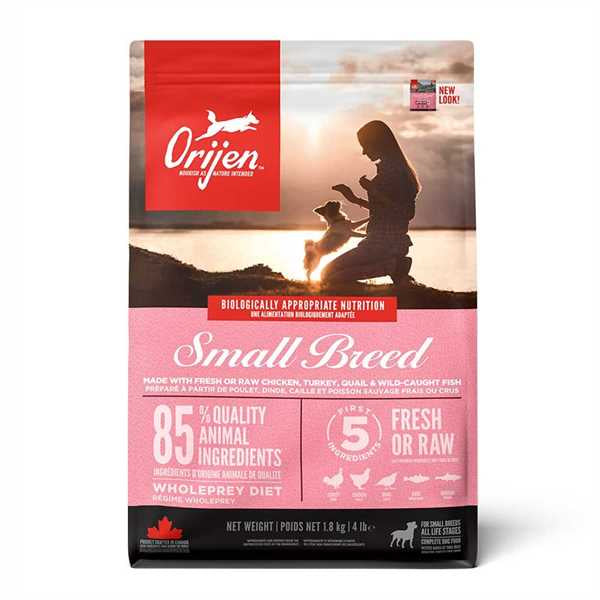

For more expert pet care tips and advice, check out our dedicated Dog Breeds guides to keep your companions healthy and happy.


