
Introduction
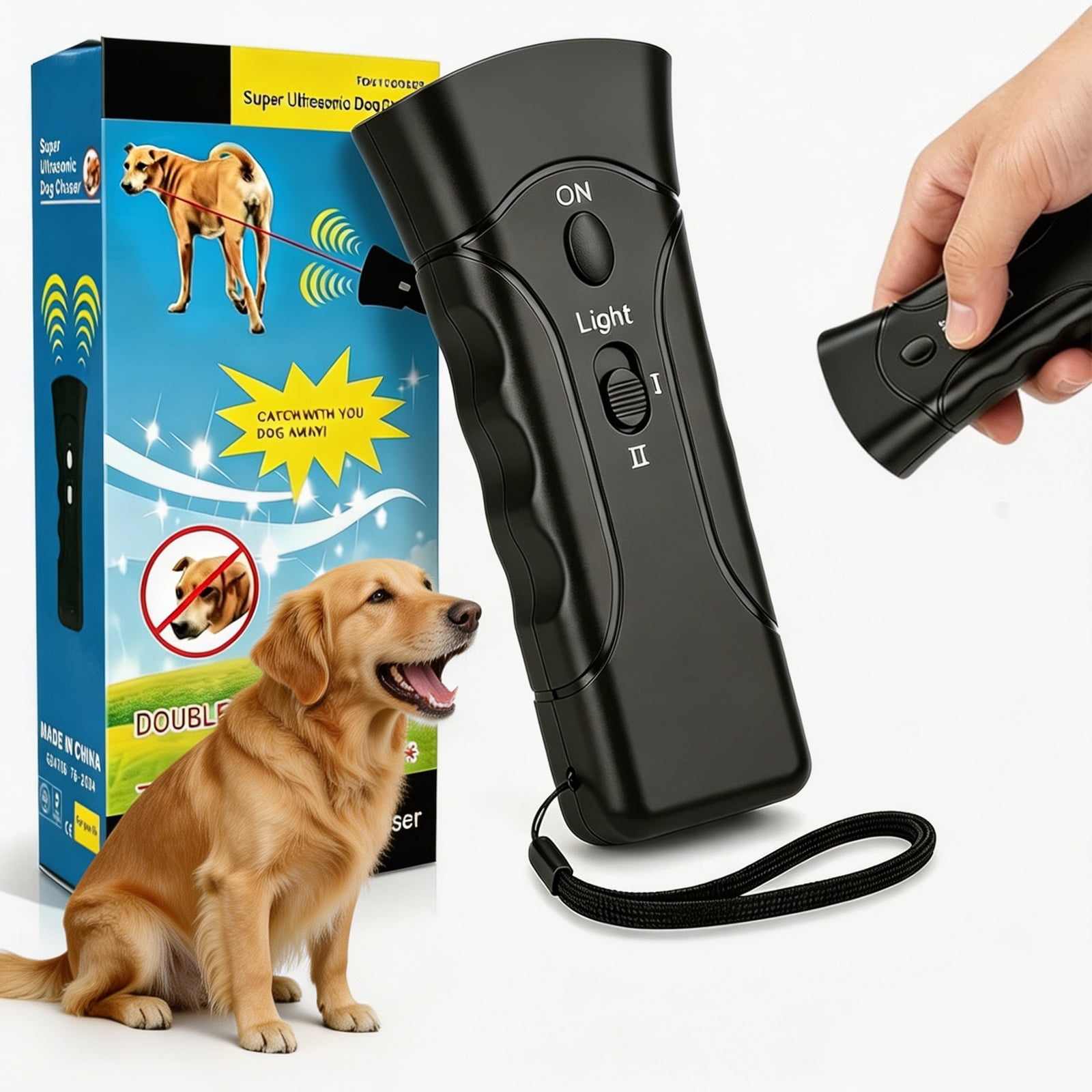
The vast world of dog training tools offers a diverse array of options for pet owners seeking to guide their canine companions toward desired behaviors. Among these, the concept of an ultrasonic dog trainer often surfaces as a potential solution for various behavioral challenges. An ultrasonic dog trainer is a device designed to emit high-frequency sound waves, typically inaudible to humans but within the hearing range of dogs. These devices are generally marketed as tools to interrupt unwanted behaviors such as excessive barking, jumping, or straying, by producing a sound intended to be startling or irritating to a dog. Understanding the mechanics, intended uses, and potential impacts of these devices is crucial for any dog owner, as it informs responsible decision-making about training methods and ultimately contributes to a dogs well-being and a harmonious household environment.
💡 Pet Care Key Takeaways:
- Core Focus: Practical health, nutrition, and wellness guidelines for Ultrasonic Dog Trainer.
- Target Scope: Pet owners, animal caregivers, and veterinary support staff.
- Best Recommendation: Maintain consistent daily routines and consult an accredited veterinarian before introducing major diet or medical changes.
Common Causes and Key Factors
The primary factor driving the development and use of ultrasonic dog trainers stems from a desire to achieve rapid behavior modification. When a dog exhibits persistent unwanted behaviors, such as incessant barking at perceived threats or guests, owners often seek quick and easy solutions. Ultrasonic devices operate on the principle of aversive conditioning, where an unpleasant stimulus (the high-frequency sound) is introduced simultaneously with an unwanted behavior. The goal is for the dog to associate the sound with the behavior, thereby reducing or eliminating the undesirable action. For more related activities, check out our How Much Do Animal Behaviorists Cost.
Key factors influencing the perceived effectiveness of these trainers include the specific frequency emitted, the volume, and the individual dog’s hearing sensitivity and temperament. Dogs possess a much broader hearing range than humans, extending into higher frequencies. The effectiveness relies on the sound being sufficiently startling or uncomfortable to interrupt the behavior without causing undue distress. Environmental factors, such as ambient noise and the dog’s distance from the device, can also impact the sound’s perceived intensity. Furthermore, a dog’s prior experiences and its overall relationship with its owner play a significant role in how it interprets and reacts to a training intervention of this nature.
Signs and Symptoms to Observe
When an ultrasonic dog trainer is employed, observing a dog’s reaction is paramount. The intended immediate sign is the cessation of the unwanted behavior. For instance, a dog might stop barking or move away from a forbidden area. However, it is essential to look beyond the immediate behavioral suppression and observe for signs of stress or fear, which can indicate a negative impact on the dogs emotional state.
Observable signs of distress can include tail tucking, lip licking, yawning (out of context), flattened ears, hunched posture, cowering, trembling, or attempts to escape. Some dogs might vocalize differently, such as whining or yelping, while others might become hyper-vigilant or show signs of learned helplessness, appearing withdrawn or unresponsive. Prolonged or repeated use in a manner that causes significant fear can lead to generalized anxiety, fear aggression, or a breakdown in the human-animal bond. Reactions can vary widely depending on a dogs age, breed (some breeds are known for more sensitive hearing), and individual personality, making careful observation critical for all pet owners.
Practical Solutions and Management Strategies
For long-term, humane, and effective behavior modification, focusing on positive reinforcement and understanding the root causes of a dog’s actions offers a more sustainable approach than relying on aversive tools. Addressing unwanted behaviors begins with identifying why a dog is performing them. For example, excessive barking might stem from boredom, anxiety, lack of exercise, or territorial instincts, rather than simple disobedience.
Practical strategies include ensuring a dog receives adequate physical exercise and mental stimulation, which can alleviate boredom and reduce stress-related behaviors. Implementing consistent, reward-based training is fundamental. This involves teaching and rewarding desired behaviors, rather than just punishing undesired ones. For instance, instead of using a device to stop barking, teaching a dog a “quiet” command and rewarding calm behavior can be highly effective. Environmental management, such as blocking views that trigger barking or providing appropriate chew toys to redirect destructive chewing, can also play a significant role. For behaviors rooted in fear or anxiety, such as separation anxiety, professional guidance on desensitization and counter-conditioning can help a dog learn to associate triggers with positive experiences. Prioritizing positive reinforcement fosters a strong, trusting bond between a dog and its owner, which is the cornerstone of successful training.
When Professional Help May Be Needed
While many behavioral issues can be managed with consistent positive training and environmental adjustments, there are situations where professional intervention becomes necessary. If a dog exhibits persistent or escalating unwanted behaviors despite an owner’s best efforts, seeking expert guidance is advisable. This includes severe cases of aggression, debilitating anxiety, or behaviors that pose a risk to the dog or others.
A certified professional dog trainer or a veterinary behaviorist can provide a comprehensive assessment, accurately diagnose underlying behavioral issues, and develop a tailored, humane behavior modification plan. These professionals possess the knowledge and experience to interpret canine body language, identify triggers, and guide owners through complex training protocols. Consulting a veterinarian is also crucial if a sudden change in behavior occurs, as underlying medical conditions can sometimes manifest as behavioral problems, requiring appropriate veterinary care alongside behavioral interventions.
Conclusion
The exploration of the ultrasonic dog trainer reveals a tool with specific applications but also notable considerations regarding its impact on canine welfare. While these devices offer a seemingly convenient method for interrupting unwanted behaviors, their effectiveness can be variable, and the potential for causing fear or stress in dogs is a significant concern. Prioritizing a comprehensive approach that emphasizes positive reinforcement, understanding canine communication, and addressing the root causes of behavior remains the most humane and effective path for dog training. Owners are encouraged to observe their dogs closely, seek to understand their needs, and consistently apply training methods that foster a strong, trusting relationship. Ultimately, a dog’s well-being and a harmonious living environment are best achieved through patience, clear communication, and a commitment to reward-based training strategies.
Pet Care & Wellness Overview Table
| Life Stage | Daily Activity Level | Key Nutrition / Care Focus |
|---|---|---|
| Puppy / Kitten | High (frequent short bursts) | High-protein growth diet & early socialization |
| Adult Companion | Moderate (30–60 mins daily) | Balanced maintenance nutrition & dental hygiene |
| Senior Pets | Low to Gentle (mindful walks) | Joint support (Glucosamine) & routine vet checks |
Images References


For more expert pet care tips and advice, check out our dedicated Dog Training guides to keep your companions healthy and happy.




