Understanding top breed dog food ingredients in Everyday Pet Care
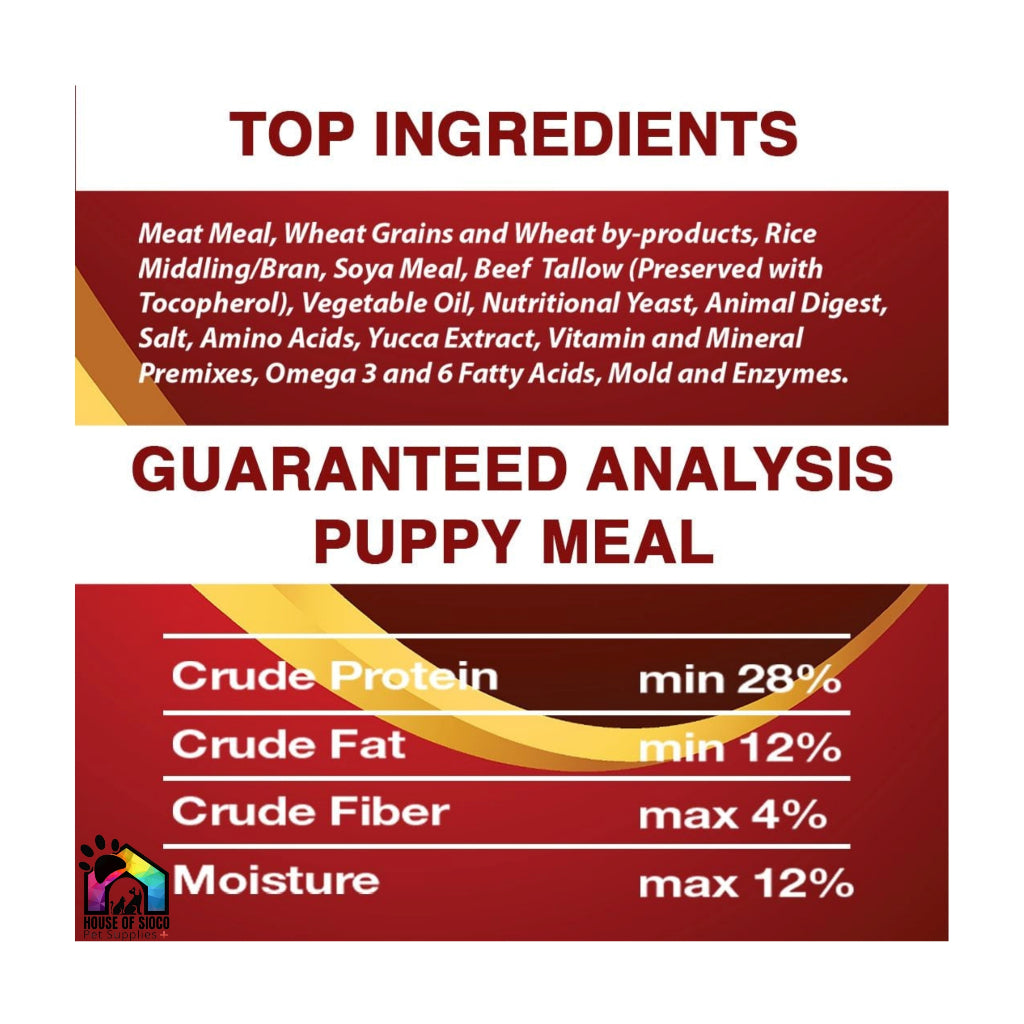
Navigating the pet food aisle can feel overwhelming for any dedicated owner. When we look at top breed dog food ingredients, the goal goes beyond simply filling an empty bowl; it is about providing the precise biochemical building blocks necessary for a thriving life. Clinical guidelines from organizations like the American Animal Hospital Association emphasize that canine wellness relies heavily on tailored nutrient profiles. Whether you are managing a high-energy working breed or a couch-loving companion, understanding how proteins, fats, and complex carbohydrates interact with your dog’s biology transforms everyday feeding into proactive healthcare. Grounding your choices in solid Dog Nutrition principles ensures that every meal supports long-term vitality, joint stability, and optimal metabolic function.
💡 Pet Care Key Takeaways:
- Core Focus: Practical health, nutrition, and wellness guidelines for Top Breed Dog Food Ingredients.
- Target Scope: Pet owners, animal caregivers, and veterinary support staff.
- Best Recommendation: Maintain consistent daily routines and consult an accredited veterinarian before introducing major diet or medical changes.
Signals & Patterns Owners Should Watch
Paying close attention to how your dog responds to their diet is essential for catching subtle health shifts early. Changes in coat luster, stool quality, and daily energy levels often tell a detailed story about how well your dog is metabolizing specific food components. According to clinical veterinary protocols, monitoring these everyday indicators allows owners to differentiate between standard digestive adjustments and underlying sensitivities that require dietary modification.
| Observed Sign | Likely Underlying Trigger | Best Owner Response |
|---|---|---|
| Mild stool softening after a new food transition | Temporary microbial adjustment in the gut microbiome | Slow down the transition timeline by mixing old and new foods over 10 to 14 days. |
| Picky eating habits or pacing near the bowl due to boredom | Lack of sensory enrichment or feeding monotony | Introduce interactive puzzle feeders or incorporate basic Dog Training cues before mealtime. |
| Persistent scratching, dull coat, or chronic ear inflammation | Potential food hypersensitivity to a specific protein source | Schedule a veterinary consultation to evaluate for common dietary allergens. |
Daily Routine Adjustments & Supportive Care
Feeding time is a natural anchor point in your dog’s daily schedule and serves as an ideal opportunity for environmental enrichment. Instead of serving meals exclusively in a standard bowl, consider utilizing slow-feeder bowls, snuffle mats, or frozen treat toys. These tools engage your dog’s natural foraging instincts, slow down digestion, and prevent the bloating risks associated with rapid ingestion. Furthermore, pairing meal routines with structured Dog Behavior exercises—such as practicing impulse control “wait” commands before releasing them to eat—reinforces positive household habits while turning a routine biological necessity into an engaging mental workout.
When Home Observation Is Not Enough
While fine-tuning diet and enrichment can resolve many minor digestive hiccups, certain clinical signs demand professional veterinary intervention. Unexplained lethargy, sudden weight loss despite a healthy appetite, chronic vomiting, or severe pruritus are clear red flags that go beyond simple nutritional preference. When you visit your veterinarian, bring a detailed log of your dog’s current diet, exact ingredient lists, recent treats, and short video clips of any concerning behavioral or physical symptoms. Professional diagnostic triage ensures that underlying medical conditions, rather than simple dietary mismatches, are accurately diagnosed and treated.
Pet Parent Q&A
Are grain-free formulations necessary for my dog?
Unless your veterinarian has diagnosed a specific grain allergy through an elimination diet trial, grains like brown rice, oats, and barley provide highly digestible energy and essential fiber. Veterinary cardiology experts emphasize that standard grain-inclusive diets remain a safe, balanced choice for the vast majority of dogs.
How can I safely transition my dog to a new food?
To prevent gastrointestinal upset, mix the new food into the current diet gradually over a period of 10 to 14 days, slowly increasing the proportion of the new formulation. Monitoring your dog’s stool consistency throughout this window will help you pace the transition comfortably.
What should I look for as the primary ingredient on the label?
Look for a specific named animal protein, such as deboned chicken, lamb, or salmon, listed as the very first ingredient. High-quality protein sources ensure your dog receives the essential amino acids required for strong muscle maintenance and overall immune health.
More Pet Health & Behavior Guides on PetsAnimalsWorld
Empowering yourself with knowledge is the best way to ensure a long, joyful life for your four-legged family members. For expert tips on wellness, training, and nutrition, visit PetsAnimalsWorld.com today.
Visual Reference Gallery