Understanding black bearcoat shar-pei training in Everyday Pet Care
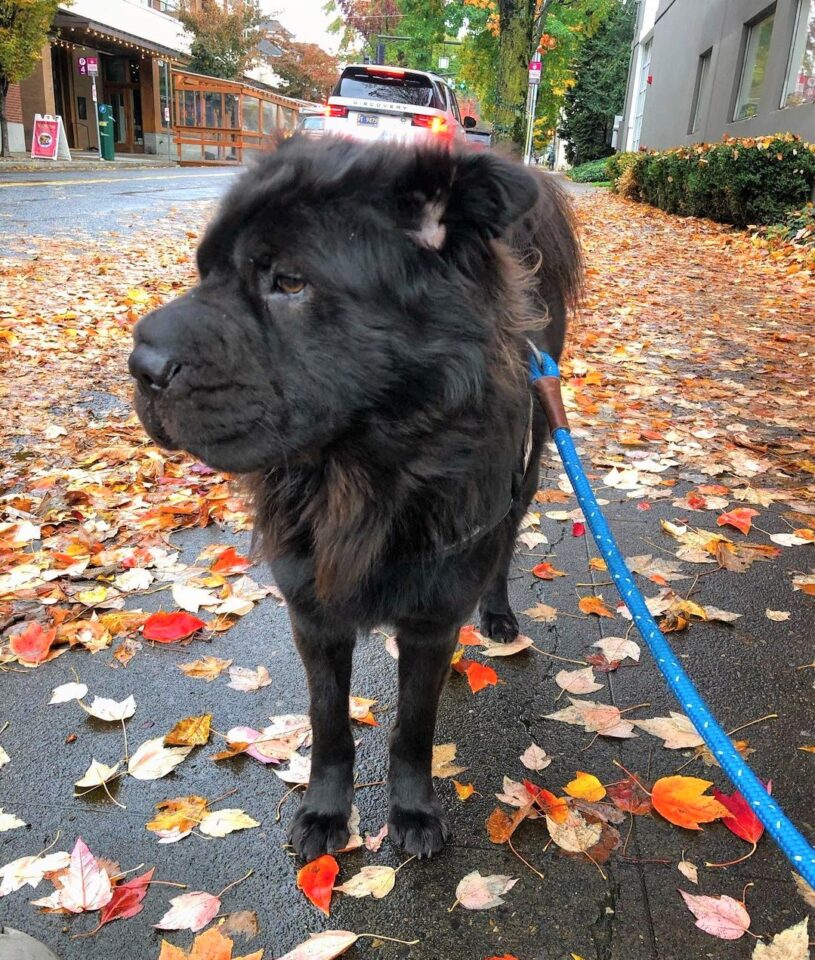
Embarking on black bearcoat shar-pei training requires a deep appreciation for this unique breed’s distinct history and physical layout. Originally bred as working farm and guard dogs in ancient China, these dogs possess a naturally independent and protective streak. According to principles endorsed by the International Association of Animal Behavior Consultants (IAABC) and clinical guidelines from the American Veterinary Medical Association (AVMA), understanding a companion animal’s genetic predisposition is foundational to successful learning. Because bearcoat shar-peis carry a mutation that yields an exceptionally plush, longer coat and deep skin wrinkles, they can be prone to overheating and skin sensitivities. Recognizing these biological and behavioral triggers allows pet parents to build a training framework rooted in empathy, clear communication, and positive reinforcement rather than outdated dominance theories. Related guide: Puppy Overtired Hyperactivity Pen Escape Energy Management Veterinary Behaviorist.
💡 Technical Key Takeaways:
- Core Focus: Diagnostic schematic and terminal connection layout for Black Bearcoat Shar-Pei Training.
- Target Scope: Field technicians, automotive DIYers, and residential/commercial electricians.
- Safety Rule: Always disconnect the primary power source/battery terminal and verify zero voltage with a multimeter before touching wires.
Signals & Patterns Owners Should Watch
Shar-peis are notoriously stoic, meaning they do not always display discomfort or stress in conventional ways. Diligent monitoring of subtle body language shifts—such as lip licking, whale eyes, stiffening postures, or sudden reluctance to engage—helps owners intercept frustration before it escalates. When navigating Dog Behavior, it helps to catalog daily habits alongside environmental triggers to distinguish typical stubbornness from acute anxiety or physical pain.
| Observed Sign | Likely Underlying Trigger | Best Owner Response |
|---|---|---|
| Mild hesitation during a new obedience cue | Independent thinking or simple mental fatigue | Keep sessions short, highly rewarding, and end on a successful repetition. |
| Stiff body posture and avoidance when strangers approach | Natural wariness and inadequate early socialization | Maintain a safe distance, use high-value treats to create positive associations, and never force an interaction. |
| Repetitive paw licking or head shaking | Pruritus from skin fold dermatitis or underlying stress | Check skin folds for moisture or redness, and consult a veterinarian for a clinical evaluation. |
Daily Routine Adjustments & Supportive Care
Implementing effective black bearcoat shar-pei training means setting up an environment that protects their sensitive skin and satisfies their cognitive needs. Because their dense, plush coats trap heat, schedule outdoor training sessions during the coolest parts of the day and always provide access to fresh water. Incorporating structured Dog Training games that utilize scent work or puzzle feeders helps channel their natural hunting and guarding instincts into appropriate channels. Furthermore, ensure their dietary needs are met by exploring quality Dog Nutrition resources to support skin barrier function and overall vitality, keeping treats small and low-calorie to maintain optimal joint health.
When Home Observation Is Not Enough
While patience and consistency solve many behavioral hurdles, certain signs demand professional veterinary intervention. According to American Animal Hospital Association (AAHA) wellness protocols, sudden changes in temperament, unprovoked aggression, or lethargy often signal underlying medical discomfort rather than simple disobedience. If your shar-pei shows persistent lethargy, dramatic appetite loss, or painful skin inflammation that does not resolve with routine care, schedule a clinical examination immediately. Bring a detailed log of daily routines, dietary changes, and short video clips of the concerning behavior to help your veterinary team diagnose the root cause accurately.
Pet Parent Q&A
Why is my bearcoat shar-pei so stubborn during basic obedience sessions?
Shar-peis were selectively bred for independent problem-solving and guarding, which translates to a less eager-to-please nature than herding breeds. Keep sessions brief, use exceptionally high-value food rewards, and make learning feel like a collaborative game rather than a command performance.
Because deep facial folds can slightly obstruct their field of vision, shar-peis may startle more easily when approached from the side or behind. Always allow them to observe new people, animals, and environments from a comfortable distance, pairing novel stimuli with calm praise and treats.
Can grooming sensitivities interfere with handling exercises during training?
Yes, skin fold infections or general discomfort can make dogs touch-sensitive, especially around the head, neck, and paws. Pair gentle handling and skin fold maintenance with positive reinforcement from an early age, and consult your vet if your dog reacts defensively to routine grooming.
More Pet Health & Behavior Guides on PetsAnimalsWorld
For more expert-backed insights on optimizing your companion’s quality of life, explore additional resources right here on PetsAnimalsWorld.com to ensure your dog thrives at every life stage.
Visual Reference Gallery