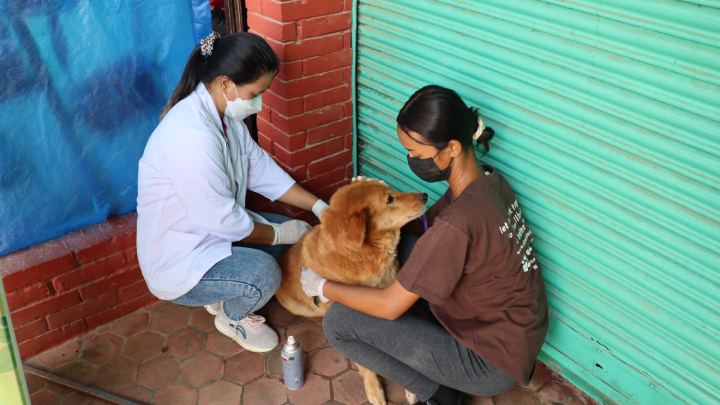
Recognizing joy in a survivor of commercial breeding facilities requires patience and a deep understanding of canine rehabilitation.
According to the American Society for the Prevention of Cruelty to Animals, countless dogs rescued from commercial breeding operations require specialized rehabilitation to overcome severe behavioral and emotional deficits. Welcoming a commercial breeding survivor into a home is a profound act of compassion. Yet, understanding whether these delicate animals are truly content can puzzle even the most dedicated caregivers. Unlike dogs raised in enriched home environments, rescue animals from high-volume breeding backgrounds often express contentment in subtle, quiet ways. Recognizing these subtle signs of happiness forms the foundation of successful canine rehabilitation, ensuring that emotional progress is accurately measured and supported.
💡 Pet Care Key Takeaways:
- Core Focus: Practical health, nutrition, and wellness guidelines for How Can You Tell If A Puppy Mill Rescue Dog Is Happy.
- Target Scope: Pet owners, animal caregivers, and veterinary support staff.
- Best Recommendation: Maintain consistent daily routines and consult an accredited veterinarian before introducing major diet or medical changes.
Evaluating emotional recovery involves looking past traditional expectations of boisterous canine exuberance. Many survivors spend their formative months or years confined to wire cages, lacking positive human interaction and environmental stimulation. Consequently, their baseline emotional state is frequently rooted in fear or hypervigilance. Observing subtle shifts from survival mode to genuine relaxation allows caregivers to validate their rehabilitation strategies. Through careful observation of body language and daily routines, meaningful insights into an animal’s emotional well-being emerge.
Understanding how can you tell if a puppy mill rescue dog is happy relies on recognizing micro-expressions and subtle shifts in baseline behavior.
Assessing happiness in a canine survivor means looking for the complete absence of distress rather than demanding immediate, high-energy displays of joy. When a rescue dog displays loose, wiggly body movements instead of freezing or cowering, that physical release serves as a primary indicator of contentment. In behavior consulting practice, professionals frequently observe that a newly adopted survivor might not immediately play with toys or jump with excitement. Instead, true happiness manifests as a soft gaze, a lowered tail carriage that wags gently, and the willingness to rest comfortably in close proximity to human companions.
Furthermore, environmental curiosity replaces constant scanning for danger as rehabilitation progresses. A content survivor begins to explore safe spaces, sniffing furniture or investigating a sunny patch on the floor without startling at minor household noises. This transition from defensive isolation to gentle engagement highlights profound healing. Understanding this behavioral evolution helps guardians appreciate the small victories that accumulate along the journey of emotional recovery.
The psychological and physiological impact of trauma shapes every aspect of emotional expression in commercial breeding survivors.
Chronic stress alters a dog’s neurochemistry, leading to persistent elevations in cortisol, which suppresses typical joyful behaviors and locks the animal into a state of hyperarousal. When addressing the physical and emotional recovery of these animals, certified behaviorists look closely at autonomic nervous system regulation. A happy survivor gradually achieves parasympathetic dominance, meaning the body transitions from a constant fight-or-flight response into a state of rest and digest. This physiological shift directly influences daily Dog Behavior, allowing natural, relaxed responses to emerge.
Chronic confinement and isolation in commercial breeding operations frequently result in prolonged fear, learned helplessness, and significant delays in normal socialization milestones. — ASPCA
As cortisol levels normalize through consistent, predictable routines, physical indicators of well-being become more apparent. Muscle tension in the shoulders and jaw begins to melt away. The dog may start engaging in play bow postures—bending low on the front elbows while keeping the rear end elevated—which is a universal canine invitation for friendly interaction. Monitoring these internal and external changes provides a reliable roadmap for ongoing Dog Health and wellness management.
Creating a predictable, pressure-free environment is essential for nurturing happiness and confidence in a traumatized canine companion.
Facilitating emotional growth requires implementing positive reinforcement training methods and granting the animal complete autonomy over physical interactions. Forcing affection on an under-socialized animal often backfires, reinforcing fear rather than building trust. Instead, experts recommend setting up a quiet sanctuary space, such as an open crate or a designated corner with comfortable bedding, where the dog can retreat whenever household stimuli become overwhelming. Giving the animal agency to choose when to approach human companions accelerates emotional security.
Avoiding common rehabilitation mistakes ensures long-term emotional stability and prevents regression in fearful rescue animals.
A frequent mistake among well-meaning guardians is overwhelming the animal with too many new experiences, visitors, or environments too quickly. Gradual desensitization is paramount when managing Dog Training milestones for commercial breeding survivors. Punitive techniques must be strictly avoided, as intimidation severely damages the fragile trust being cultivated. Consistent, gentle guidance paired with high-value rewards creates a secure framework where happiness can naturally blossom.
Animals recovering from severe early-life deprivation thrive best in predictable environments where daily schedules remain consistent and novel stressors are introduced at a gradual, highly controlled pace. — American Veterinary Medical Association
Pet Care & Wellness Overview Table
| Life Stage | Daily Activity Level | Key Nutrition / Care Focus |
|---|---|---|
| Puppy / Kitten | High (frequent short bursts) | High-protein growth diet & early socialization |
| Adult Companion | Moderate (30–60 mins daily) | Balanced maintenance nutrition & dental hygiene |
| Senior Pets | Low to Gentle (mindful walks) | Joint support (Glucosamine) & routine vet checks |
Images References
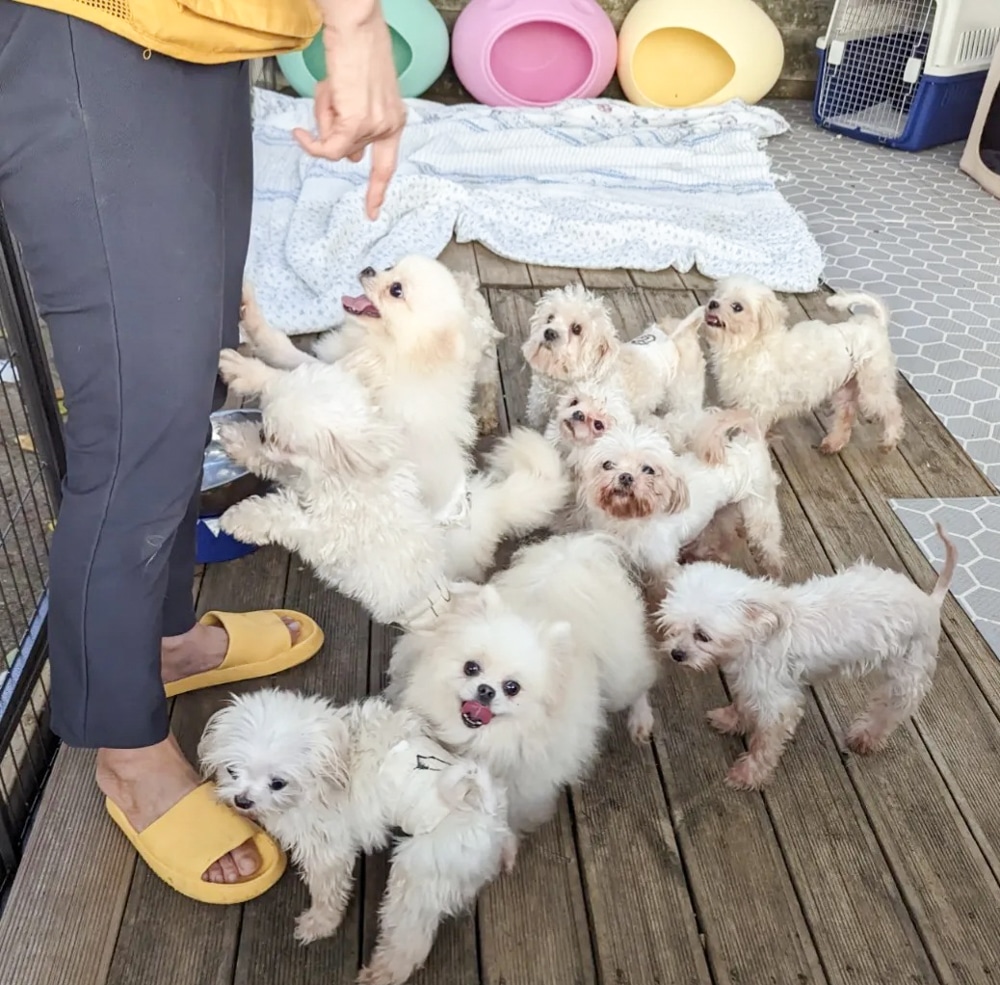

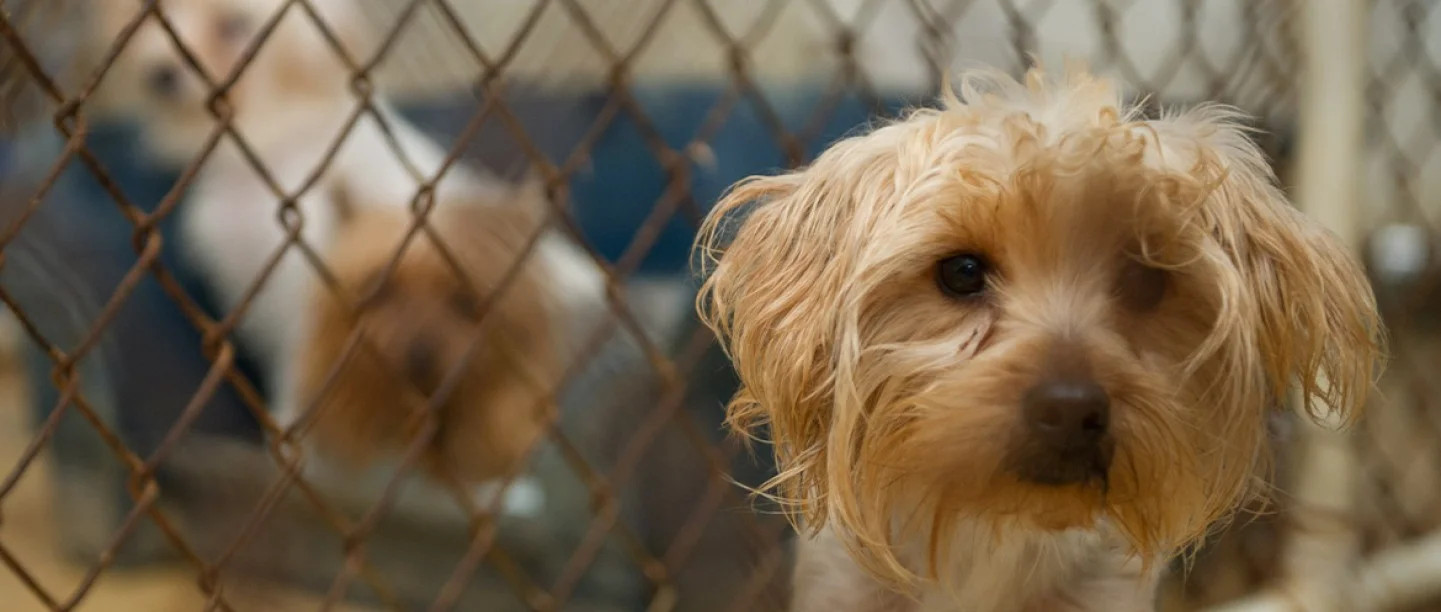

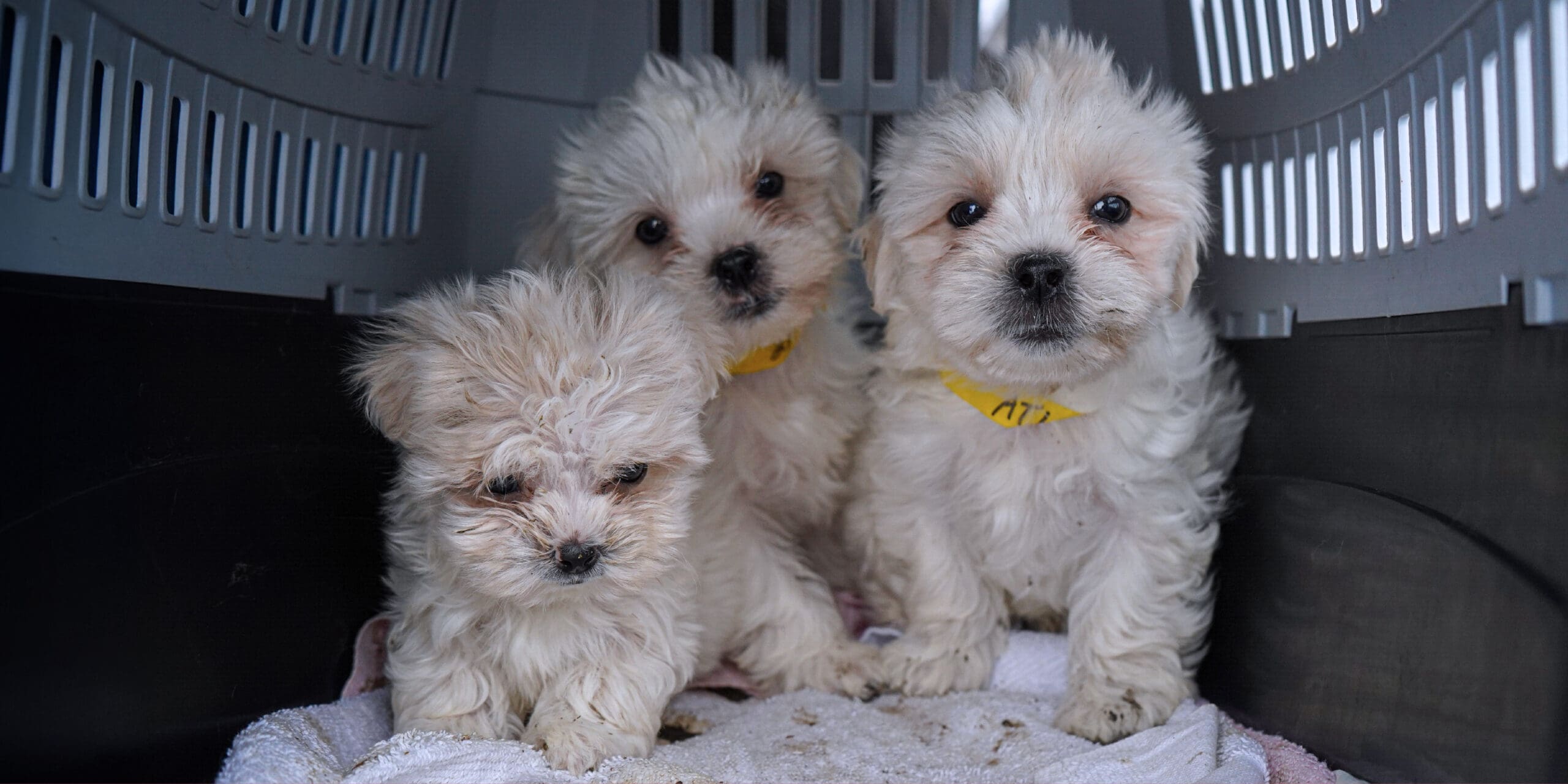


Additionally, incorporating appropriate mental enrichment activities, such as scent work or puzzle feeders, stimulates cognitive function without inducing physical stress. Proper Dog Care involves balancing gentle physical exercise with adequate rest, ensuring the animal never experiences mental exhaustion that mimics anxiety.
Breed-specific traits, age, and individual temperament heavily influence how a commercial breeding survivor processes rehabilitation.
Every rescued dog possesses a unique genetic background that shapes its reaction to past trauma and subsequent recovery timelines. For instance, guardian-oriented breeds might seek out human closeness much faster than independent hunting or herding types, which may require more time to forge trusting bonds. Understanding specific Dog Breeds characteristics helps set realistic expectations for guardians, preventing frustration when progress appears slow or non-linear.
Age also dictates energy expenditure and emotional resilience. Senior survivors often prioritize quiet comfort and predictable routines over active play, making deep relaxation the primary indicator of their happiness. Conversely, younger survivors may display bursts of frantic energy that require structured, calming outlets to channel effectively without triggering panic.
Consulting a qualified veterinary behaviorist is crucial when subtle signs of happiness fail to appear despite months of patient care.
Professional intervention becomes necessary if a rescue dog remains in a state of unremitting fear, catatonia, or intense panic that prevents basic daily functioning. Certified applied animal behaviorists or veterinary behaviorists can conduct comprehensive assessments to rule out underlying medical issues or chronic pain that may mimic behavioral resistance. In certain cases, temporary pharmaceutical support prescribed by a veterinarian can lower baseline anxiety sufficiently for the animal to finally experience and express genuine happiness.
Building a joyful future for a commercial breeding survivor requires unwavering dedication, empathy, and respect for their unique emotional journey.
Watching a formerly terrified animal take its first relaxed nap, initiate a gentle game, or offer a soft, welcoming gaze is one of the most rewarding experiences in animal guardianship. By understanding the subtle language of contentment and providing a supportive, pressure-free environment, caregivers can unlock the true potential of these resilient dogs. Explore further insights into caring for cherished companions by visiting PetsAnimalsWorld.com and browsing resources on Dog Nutrition to support holistic wellness from the inside out.