

Introduction
For owners of stout, lovable bulldogs, selecting the right equipment for walks and training is paramount to ensuring comfort, safety, and overall well-being. The term “bulldog harness” refers specifically to a type of chest-worn walking aid designed with the unique anatomy of bulldog breeds in mind. Unlike standard harnesses, which may not accommodate their distinctive build, a specialized bulldog harness addresses concerns such as a broad chest, deep brisket, shorter neck, and brachycephalic (short-nosed) head. Understanding the critical role a properly designed and fitted harness plays can significantly enhance a bulldogs quality of life by preventing discomfort, reducing strain on their delicate airways, and facilitating enjoyable, safe outdoor experiences. This tailored approach to equipment selection is crucial for managing their specific physical needs and promoting healthy activity.
💡 Pet Care Key Takeaways:
- Core Focus: Practical health, nutrition, and wellness guidelines for Bulldog Harness.
- Target Scope: Pet owners, animal caregivers, and veterinary support staff.
- Best Recommendation: Maintain consistent daily routines and consult an accredited veterinarian before introducing major diet or medical changes.
Common Causes and Key Factors
The necessity for a specialized bulldog harness stems directly from the breed’s unique physical characteristics. Bulldogs possess a brachycephalic skull, which means they have a compressed upper respiratory system. Traditional neck collars can exert dangerous pressure on the trachea and restrict breathing, particularly during physical exertion or if a dog pulls on the leash. This pressure can exacerbate existing respiratory challenges common in brachycephalic breeds, leading to discomfort, coughing, or even collapse. For more related activities, check out our Dahwund Golden.
Furthermore, bulldogs typically feature a very broad chest, a deep brisket, and a relatively shorter, thicker neck compared to many other breeds. Standard harnesses are often not shaped to accommodate this distinct body type, leading to a poor fit. An ill-fitting harness can chafe the skin, restrict natural shoulder movement, or be easily escaped. The design of a conventional harness might also place pressure points in awkward areas, causing discomfort or even pain. Therefore, a harness specifically engineered for the bulldog’s anatomy is a key factor in ensuring proper fit, even pressure distribution, and unrestricted movement.
Signs and Symptoms to Observe
Observing a bulldog for signs of discomfort or distress while wearing a collar or an ill-fitting harness is essential. One of the most critical indicators relates to respiratory health. If a bulldog exhibits excessive panting, gagging, wheezing, snorting, or coughing during or after a walk while wearing a collar, it may signal undue pressure on the airway. A blue tint to the gums or tongue, though rare, indicates a severe lack of oxygen and requires immediate veterinary attention.
Beyond respiratory issues, physical signs of an inappropriate fit include redness, chafing, or sores developing under the straps of the equipment. Excessive scratching or rubbing at the neck or chest area can also indicate irritation. Behavioral cues, such as a dog attempting to paw at the harness, refusing to move forward, or trying to escape the equipment, often signify discomfort. Difficulty moving naturally, a restricted gait, or a general reluctance to engage in walks can also point towards an ill-fitting or uncomfortable harness. Owners should also watch for a harness that twists or shifts excessively, indicating it is too loose, or one that leaves deep indentations on the skin, suggesting it is too tight.
Practical Solutions and Management Strategies
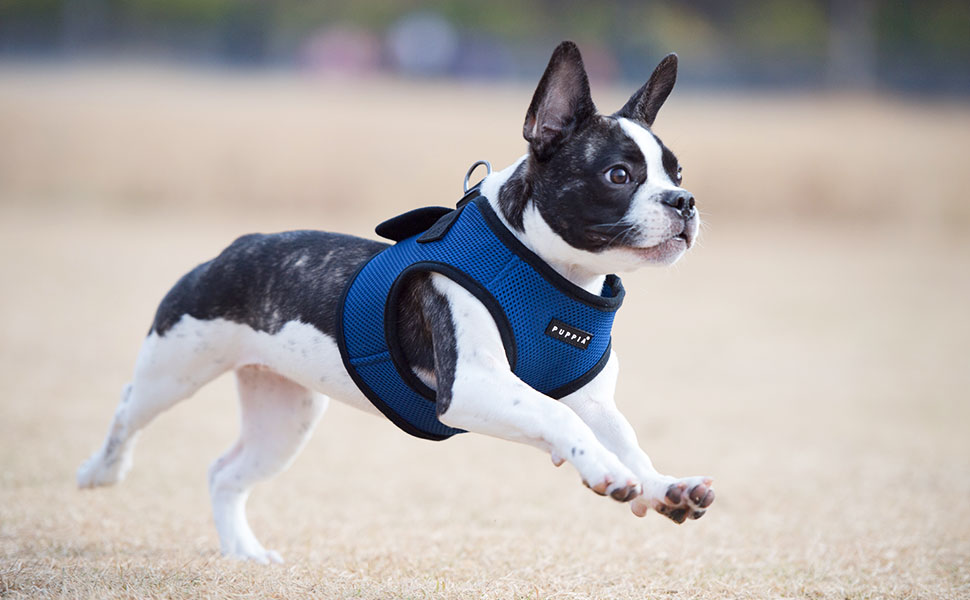
The primary solution for addressing the unique needs of a bulldog involves selecting and properly fitting a specialized bulldog harness. Such harnesses are typically designed with a Y-shape or H-shape front, which avoids pressure on the delicate trachea and distributes any pulling force across the chest and shoulders. Key features to look for include multiple points of adjustment, allowing for a customized fit around the chest, neck, and girth. This adjustability is crucial for accommodating the bulldogs distinct proportions and ensuring a snug yet comfortable fit that neither restricts movement nor allows for escape.
Materials are also important; harnesses made from soft, breathable, and durable fabrics can prevent chafing and promote comfort, especially in warmer climates where bulldogs are more prone to overheating. Incorporating a front-clip option on a harness can be highly effective for managing dogs that tend to pull on the leash, gently redirecting their momentum without causing strain to their neck or throat. It is vital to measure the bulldog accurately, typically around the broadest part of the chest (behind the front legs) and the base of the neck, before purchasing a harness. Once acquired, the harness should be introduced gradually with positive reinforcement, allowing the bulldog to associate it with pleasant experiences like treats or walks. Regular checks for fit, especially as a dog grows or changes weight, and routine cleaning of the harness are also important management strategies.
When Professional Help May Be Needed
While a well-chosen bulldog harness significantly improves comfort and safety, certain situations may warrant professional intervention. If a bulldog continues to exhibit significant respiratory distress, such as persistent gagging, gasping, or an inability to cool down during walks, even with an appropriate harness, a veterinary consultation is crucial. These symptoms could indicate underlying health conditions, such as Brachycephalic Obstructive Airway Syndrome (BOAS), which may require medical management or surgical intervention.
Similarly, if skin irritation, sores, or infections develop despite using a properly fitted harness and maintaining good hygiene, a veterinarian can diagnose and treat the issue, potentially identifying allergies or other dermatological concerns. For persistent behavioral issues, such as extreme reluctance to wear a harness, fear of walks, or unmanageable pulling despite the use of a no-pull harness, consulting with a professional dog trainer or a veterinary behaviorist can provide tailored strategies and support. These experts can help identify the root cause of the behavior and implement effective training plans. When difficulties arise in finding a properly fitting harness, guidance from a reputable pet outfitter specializing in unique breeds can also be beneficial.
Conclusion
The importance of a specialized bulldog harness cannot be overstated for this beloved breed. By understanding the unique anatomical considerations of bulldogs and recognizing the potential drawbacks of generic walking equipment, owners can make informed decisions that significantly impact their dog’s health, comfort, and overall enjoyment of life. Prioritizing a harness designed to accommodate their broad chests, deep brisgets, and brachycephalic features ensures that pressure is distributed safely and breathing remains unhindered. Consistent observation of a bulldogs response to their harness, coupled with a commitment to proper fitting and timely professional consultation when necessary, fosters a deeper bond and promotes a lifetime of happy, healthy adventures. Investing in the right bulldog harness is a testament to an owner’s dedication to their companion’s well-being.
Pet Care & Wellness Overview Table
| Life Stage | Daily Activity Level | Key Nutrition / Care Focus |
|---|---|---|
| Puppy / Kitten | High (frequent short bursts) | High-protein growth diet & early socialization |
| Adult Companion | Moderate (30–60 mins daily) | Balanced maintenance nutrition & dental hygiene |
| Senior Pets | Low to Gentle (mindful walks) | Joint support (Glucosamine) & routine vet checks |
Images References




For more expert pet care tips and advice, check out our dedicated Dog Breeds guides to keep your companions healthy and happy.


