Introduction
Dog training dublin encompasses structured behavioral modification techniques, obedience structuring, and environmental socialization protocols tailored to canine residents within the Dublin region. According to the International Association of Animal Behavior Consultants (IAABC), positive reinforcement methodologies integrated into daily companion animal routines significantly reduce the prevalence of stress-induced reactivity and reinforce optimal household integration. Maintaining consistent behavioral boundaries supports both neurological health and physical vitality. Comprehensive support resources are available within the Dog Training resource portal.
Pet Wellness & Behavior Snapshot:
- Core Focus: Professional dog training dublin protocols merging positive reinforcement with veterinary health standards.
- Target Scope: Companion canines exhibiting socialization gaps, obedience delays, or environmental stress within urban settings.
- Key Recommendation: Implement structured daily reward-based obedience drills combined with balanced nutrition plans.
Core Principles and Detailed Overview
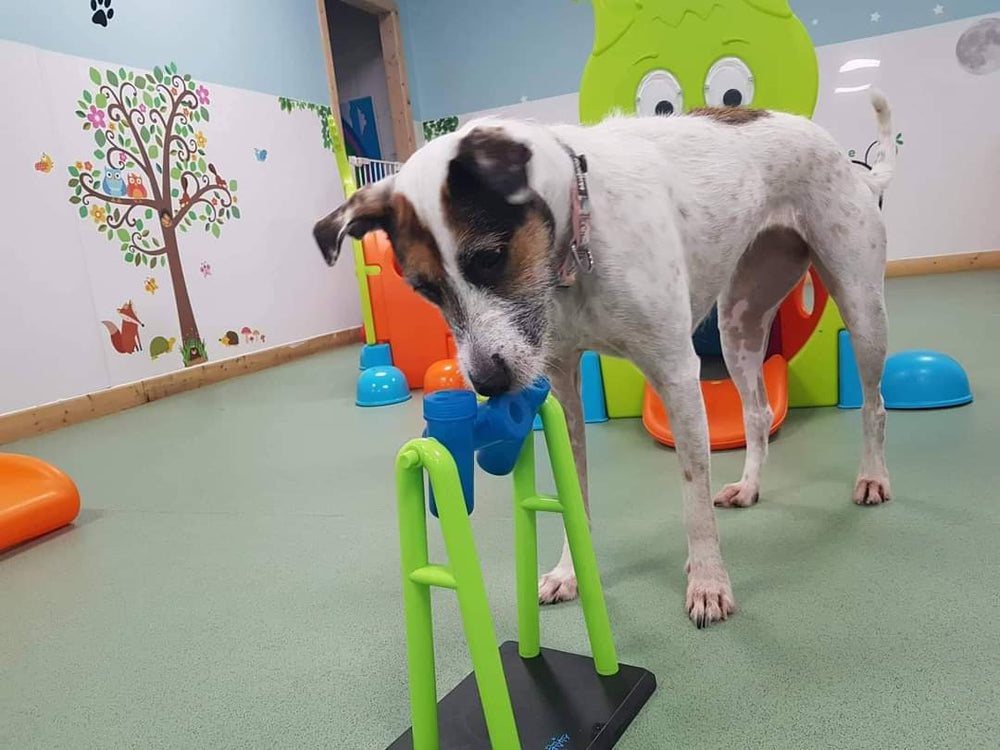
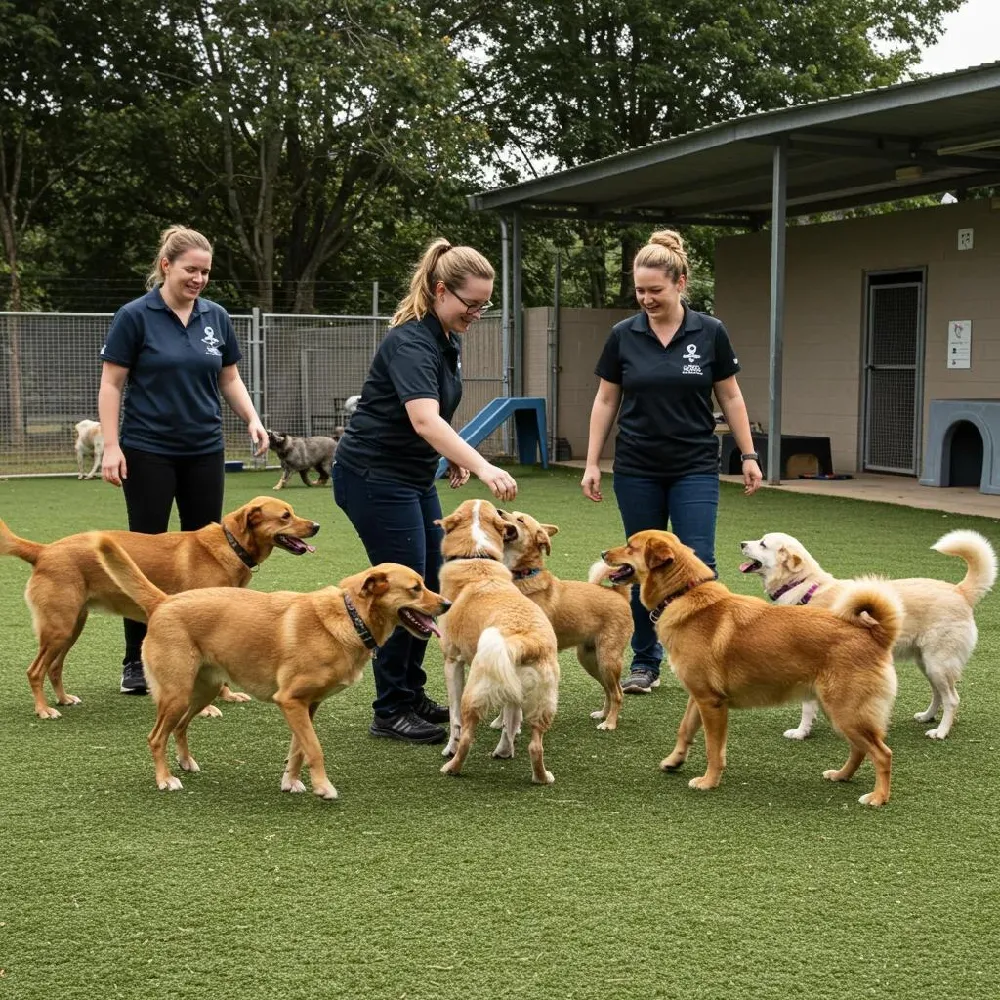
Dog training dublin relies on establishing clear communication channels between pet guardians and domestic canines through science-based operant and classical conditioning frameworks. Urban environments demand robust desensitization strategies to manage unfamiliar stimuli, heavy pedestrian traffic, and localized acoustic stressors. Integrating tailored mental enrichment programs prevents chronic boredom, which frequently manifests as destructive chewing or nuisance vocalization. Supporting overall wellness requires continuous monitoring of physiological parameters, ensuring dietary requirements align with activity outputs tracked through Dog Nutrition insights. Professional trainers prioritize emotional stability, creating predictable routines that lower cortisol levels and foster resilient canine temperaments.
Key Specifications and Breakdown
| Observed Indicator / Factor | Veterinary & Behavioral Explanation | Actionable Management Protocol |
|---|---|---|
| Leash Reactivity | Heightened arousal driven by fear or barrier frustration during urban walks. | Maintain safe spatial thresholds, utilize high-value treats, and redirect focus before threshold breach. |
| Nutritional Energy Mismatch | Imbalance between caloric intake and physical or mental exertion expenditure. | Consult veterinary guidelines to match daily feeding portions with active training output. |
| Environmental Habituation | Neophobic stress responses to novel urban sights, sounds, and surfaces. | Execute gradual, low-intensity exposure sessions paired with positive reinforcement markers. |
Behavioral and medical assessments must be integrated concurrently to address underlying pathologies that mimic purely behavioral disobedience — American Veterinary Medical Association (AVMA)
Step-by-Step Practical Application and Guidelines
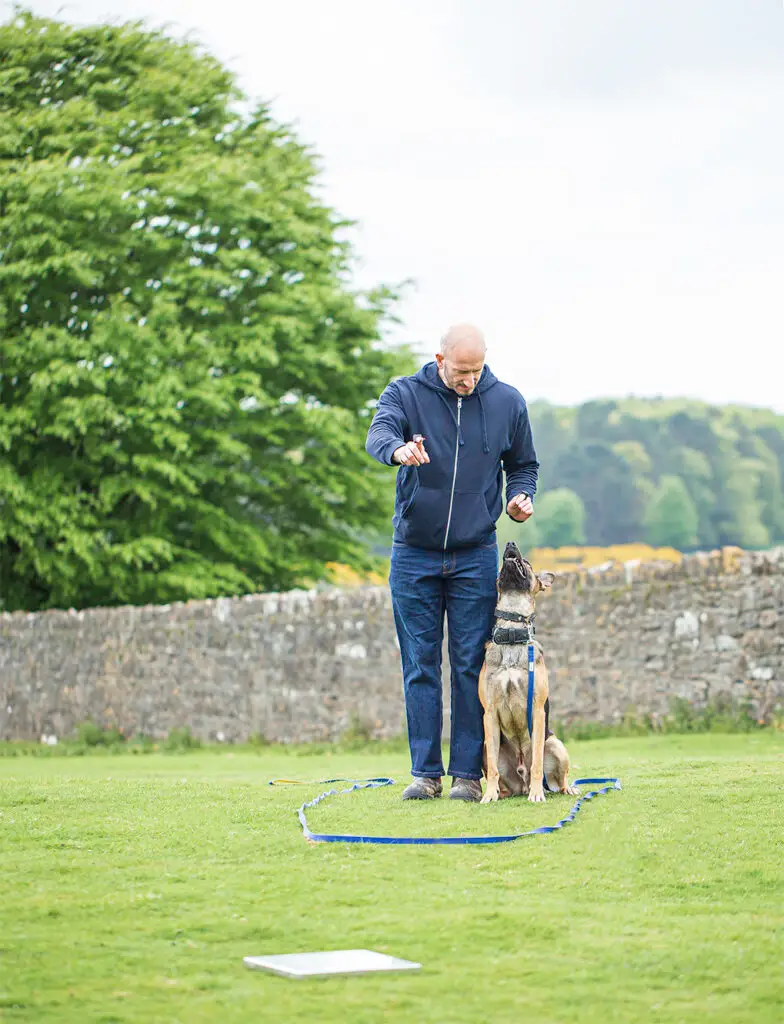
Dog training dublin protocols succeed when implemented through systematic, short-duration daily sessions that prevent cognitive fatigue and maintain high engagement. Caregivers must initiate basic marker training, associating a specific auditory cue with a primary reinforcer like high-grade protein treats. Urban environments require targeted leash-handling drills, starting in low-distraction indoor spaces before progressing to busier public parks across Dublin. Healthcare monitoring remains essential throughout training phases; any sudden reluctance to perform known cues warrants a clinical checkup outlined within Dog Health standards. Establishing clear spatial boundaries at home reinforces impulse control and solidifies the foundation for advanced obedience goals.
Common Challenges and How to Avoid Them
Dog training dublin programs often stall when inconsistent cue delivery or conflicting household rules create cognitive confusion for the animal. Caregivers must avoid punitive corrections, which elevate anxiety and damage the handler-animal bond. Another frequent pitfall involves neglecting foundational physical health checks, mistaking physiological pain or sensory decline for stubbornness or defiance. Maintaining open communication with certified veterinary professionals ensures underlying medical conditions are addressed concurrently with behavioral modification plans. Comprehensive breed-specific insights found within Dog Breeds help tailor expectations to match innate working drives and individual behavioral predispositions.
💬 Frequently Asked Questions
Explore More Pet Care and Animal Health Guides on PetsAnimalsWorld
Mastering canine behavioral modification requires ongoing education, rigorous health management, and access to verified veterinary insights. Discover comprehensive animal wellness strategies, preventive care protocols, and specialized training resources across the complete library at Pets Animals World.
Visual Reference Gallery