
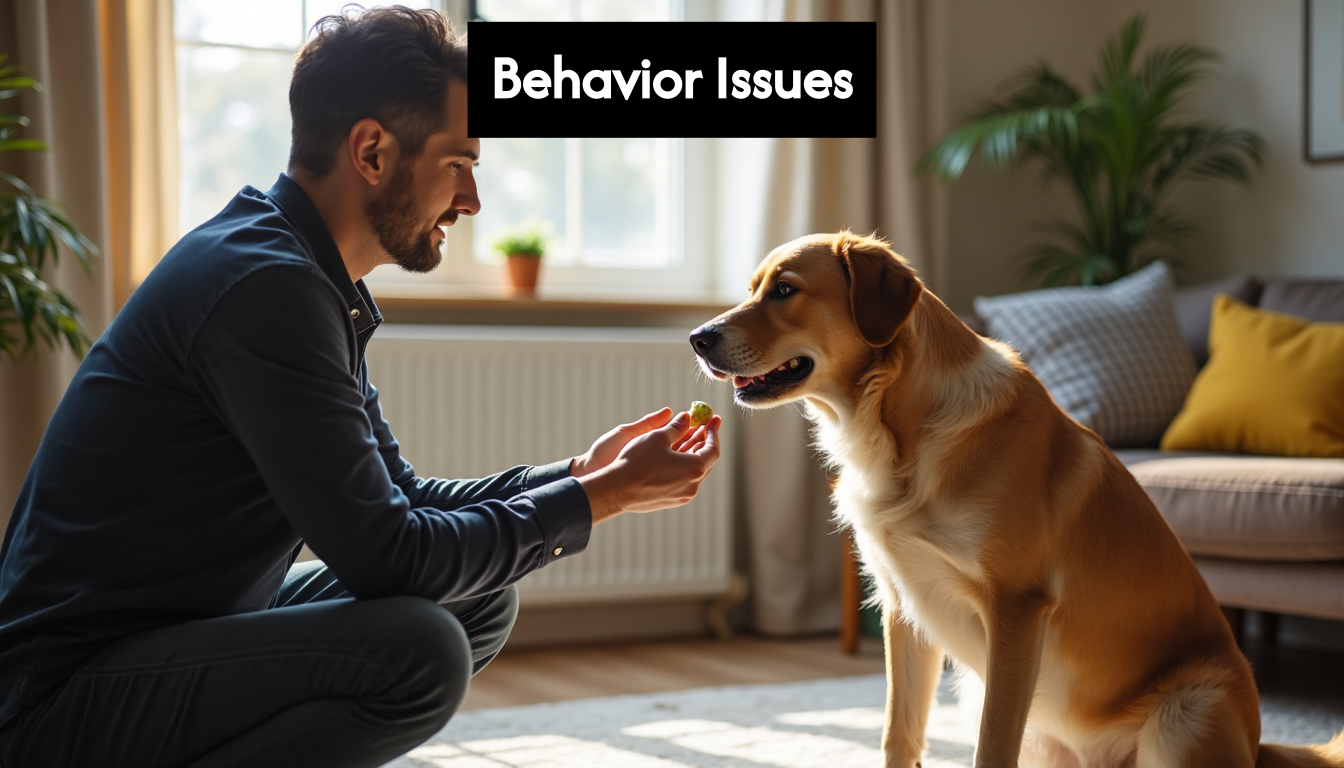
Understanding Canine Conduct and the Need for Professional Guidance
Navigating the complexities of canine communication requires a blend of patience, empathy, and evidence-informed methodology. According to the American Society for Prevention of Cruelty to Animals (ASPCA), addressing behavioral challenges early significantly improves long-term outcomes for domestic animals and strengthens the human-animal bond. Dogs communicate primarily through body language, vocalizations, and environmental interaction, yet human interpretations often misread subtle signals of stress or discomfort. Recognizing that undesirable actions stem from unmet needs, confusion, or emotional distress forms the cornerstone of effective guidance. Proper management bridges the gap between human expectations and canine instincts, creating a harmonious living environment where both species thrive.
💡 Pet Care Key Takeaways:
- Core Focus: Practical health, nutrition, and wellness guidelines for Dog Behavior Help.
- Target Scope: Pet owners, animal caregivers, and veterinary support staff.
- Best Recommendation: Maintain consistent daily routines and consult an accredited veterinarian before introducing major diet or medical changes.
Defining Evidence-Informed Canine Behavioral Assistance
Dog behavior help encompasses structured, humane interventions designed to modify actions through positive reinforcement and environmental management rather than punishment or intimidation. This professional field relies on principles of learning theory, operant conditioning, and classical conditioning to shape desirable habits while reducing fear and anxiety. Humane interventions focus on rewarding wanted actions with high-value treats, toys, or praise, thereby encouraging the animal to repeat those choices naturally. Conversely, punishment-based strategies often escalate stress, damage trust, and potentially increase defensive biting or fearful reactivity. Modern behavioral support prioritizes emotional well-being, ensuring that every intervention respects the cognitive and physiological limits of the individual animal. For more related activities, check out our Dog Behaviorist Philadelphia.
The Interconnection Between Physical Wellness and Conduct
Physical health issues frequently manifest as behavioral alterations, making comprehensive medical evaluations a critical first step in any intervention plan. Conditions such as dental pain, orthopedic discomfort, neurological deficits, or metabolic disorders can lower an animal’s threshold for tolerance, leading to unexpected reactivity, withdrawal, or destructive tendencies. When a normally house-trained dog suddenly begins eliminating indoors or an easygoing companion snaps when touched, underlying discomfort remains a primary suspect. Environmental stressors, sensory loss, and cognitive dysfunction syndrome in aging animals further complicate the behavioral landscape, highlighting the necessity of looking beyond surface-level habits to evaluate systemic wellness thoroughly.
Behavioral changes are often the earliest outward indicators of underlying medical conditions, pain, or sensory decline in domestic dogs. — American Veterinary Medical Association
Implementing Humane Strategies for Behavioral Modification
Addressing persistent behavioral concerns requires a systematic approach rooted in environmental modification, trigger avoidance, and progressive desensitization. Desensitization involves exposing the animal to a stimulus at a level low enough not to elicit a fear or reactive response, while counterconditioning pairs that previously stressful stimulus with something exceptionally positive, such as delicious food rewards. Management techniques, including baby gates, opaque window film, or secure crates, prevent rehearsal of unwanted habits while alternative responses are taught. Establishing predictable routines provides mental stability, reducing anxiety-driven actions by giving the animal clear expectations for daily interactions and spatial boundaries.
Best Practices and Common Pitfalls in Training Protocols
Consistency and timing serve as the twin pillars of successful behavioral modification, yet well-meaning handlers frequently undermine their own efforts through erratic enforcement. Delivering a reward seconds too late associates the positive reinforcement with an entirely different action, confusing the learner and slowing progress. Another common pitfall involves exposing the animal to overwhelming environments before foundational skills are mastered, triggering panic rather than learning. Establishing clear communication channels, keeping training sessions short and engaging, and maintaining realistic expectations prevent frustration for both human and canine participants, ensuring steady, measurable advancement over time.
Humane, positive reinforcement-based training methods are proven to foster stronger learning retention and lower stress hormones than aversive techniques. — American Kennel Club
Pet Care & Wellness Overview Table
| Life Stage | Daily Activity Level | Key Nutrition / Care Focus |
|---|---|---|
| Puppy / Kitten | High (frequent short bursts) | High-protein growth diet & early socialization |
| Adult Companion | Moderate (30–60 mins daily) | Balanced maintenance nutrition & dental hygiene |
| Senior Pets | Low to Gentle (mindful walks) | Joint support (Glucosamine) & routine vet checks |
Images References

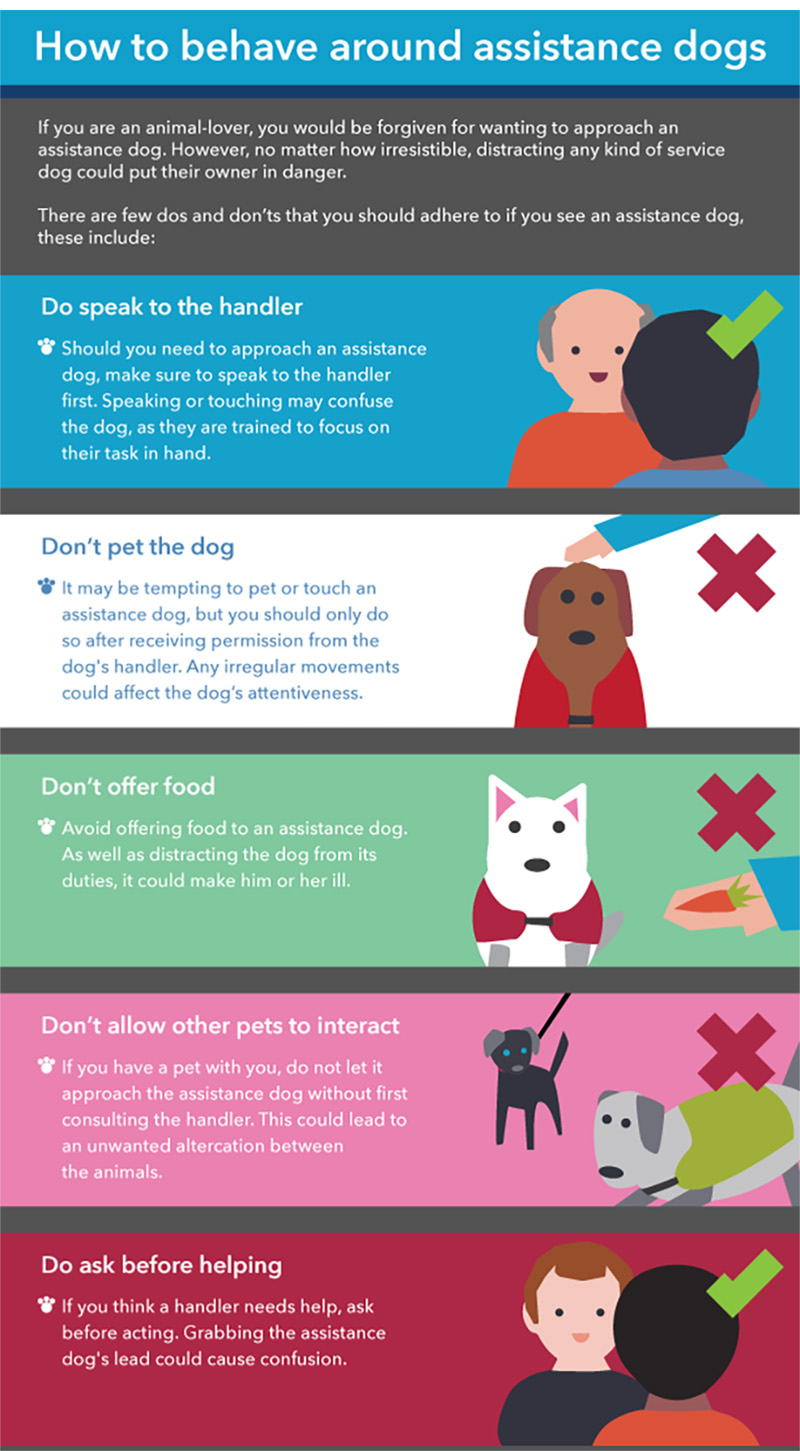
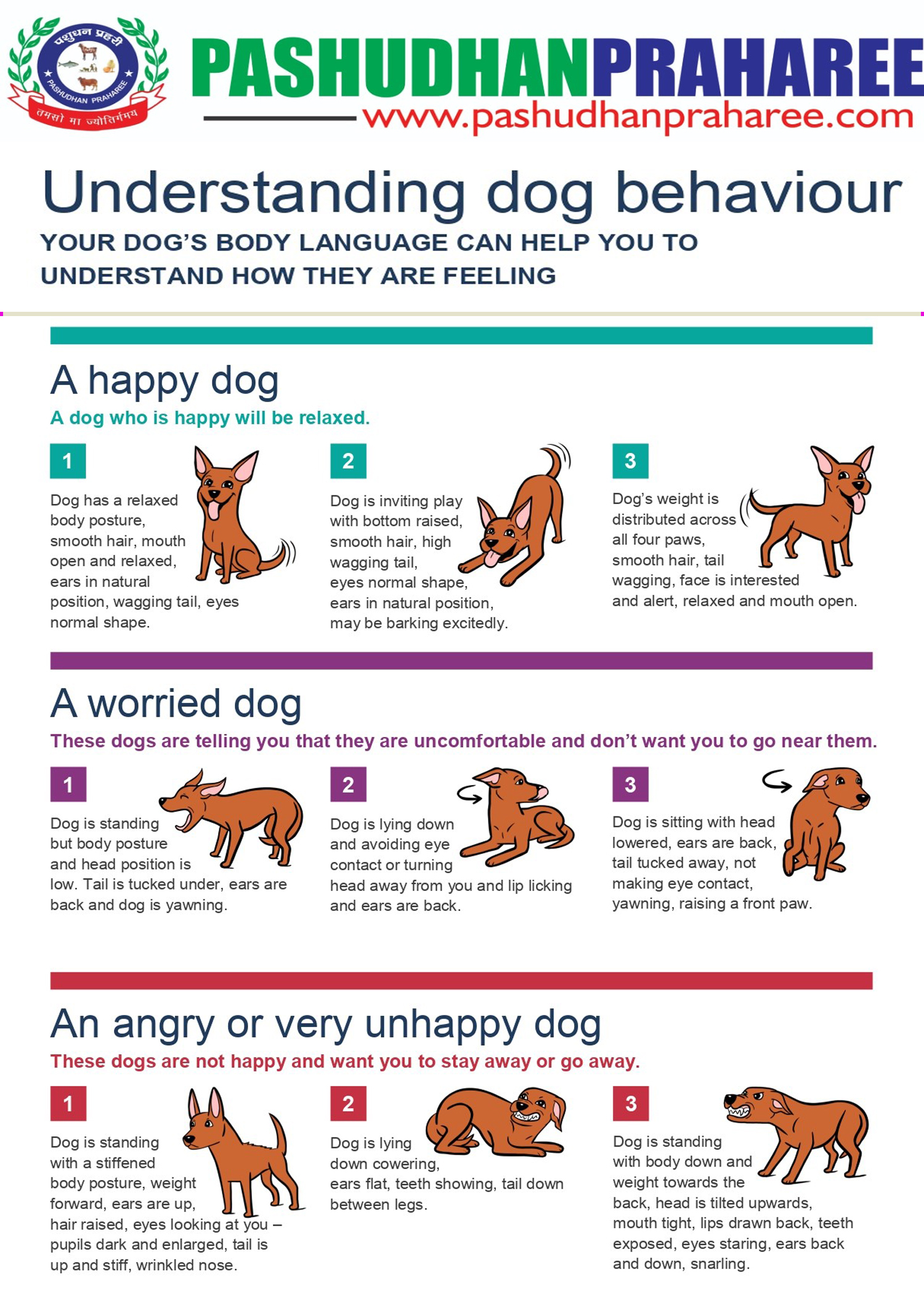



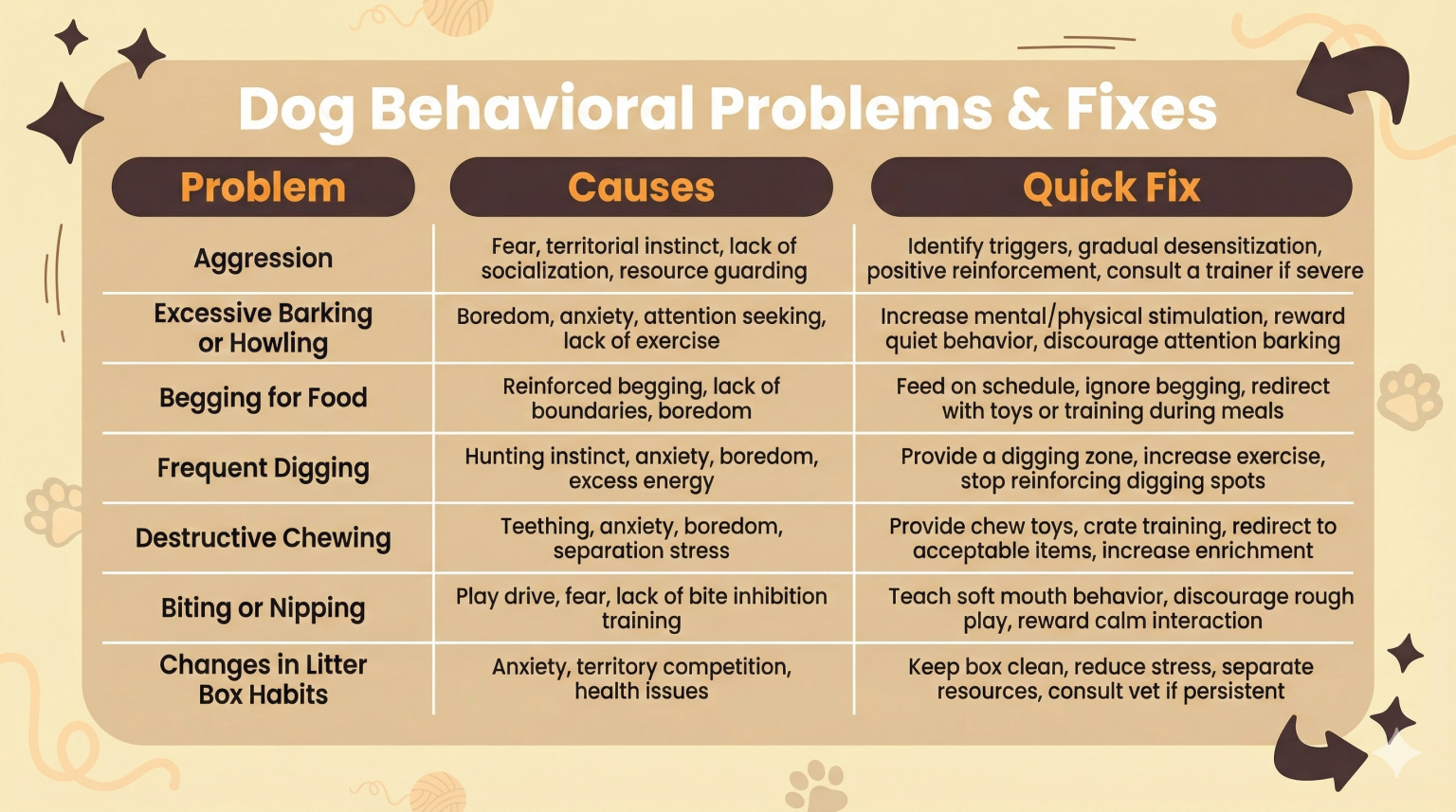


Individual Variability Across Breeds, Ages, and Temperaments
Every dog possesses a unique genetic background, developmental history, and personality profile that dictates how they respond to environmental stimuli and training techniques. Herding backgrounds might manifest as chasing moving objects or gentle nipping at heels, whereas guarding lineages may display heightened wariness toward unfamiliar visitors. Age also plays a defining role, as energetic adolescents test boundaries with boundless enthusiasm, while senior animals require modified expectations due to fading vision, hearing, or stamina. Tailoring interventions to suit the specific physical and mental capacities of the individual ensures that Dog Training remains accessible, engaging, and genuinely effective across diverse populations.
When to Consult a Veterinarian or Certified Behaviorist
Severe, persistent, or safety-threatening behavioral concerns demand the immediate intervention of qualified professionals such as veterinary behaviorists or certified professional dog trainers. Conditions involving sudden aggression, severe separation anxiety, compulsive self-mutilation, or generalized panic exceed the scope of basic obedience and require specialized clinical management, which may include veterinary prescription medications. Attempting to address intense fear or defensive reactivity without expert guidance can escalate the danger to humans and other animals. Seeking credentialed help early ensures an accurate assessment and a safe, scientifically sound rehabilitation plan tailored to the specific needs of the animal.
Closing Resources for Canine Enthusiasts
Supporting a companion animal through behavioral challenges requires ongoing education, dedication, and access to reliable, science-based resources. Exploring comprehensive guides on Dog Behavior, understanding specific traits detailed in Dog Breeds, and implementing expert advice found in Dog Care can profoundly enhance daily life with a companion animal. Staying informed about proactive wellness measures through Dog Health articles further equips owners to recognize subtle signs of distress before they escalate. Visit PetsAnimalsWorld.com regularly to discover trusted insights, practical guides, and expert recommendations designed to support responsible pet guardianship at every stage of a companion animal’s life.


